Positive Reinforcement Dog Training Techniques in Urban Nigeria
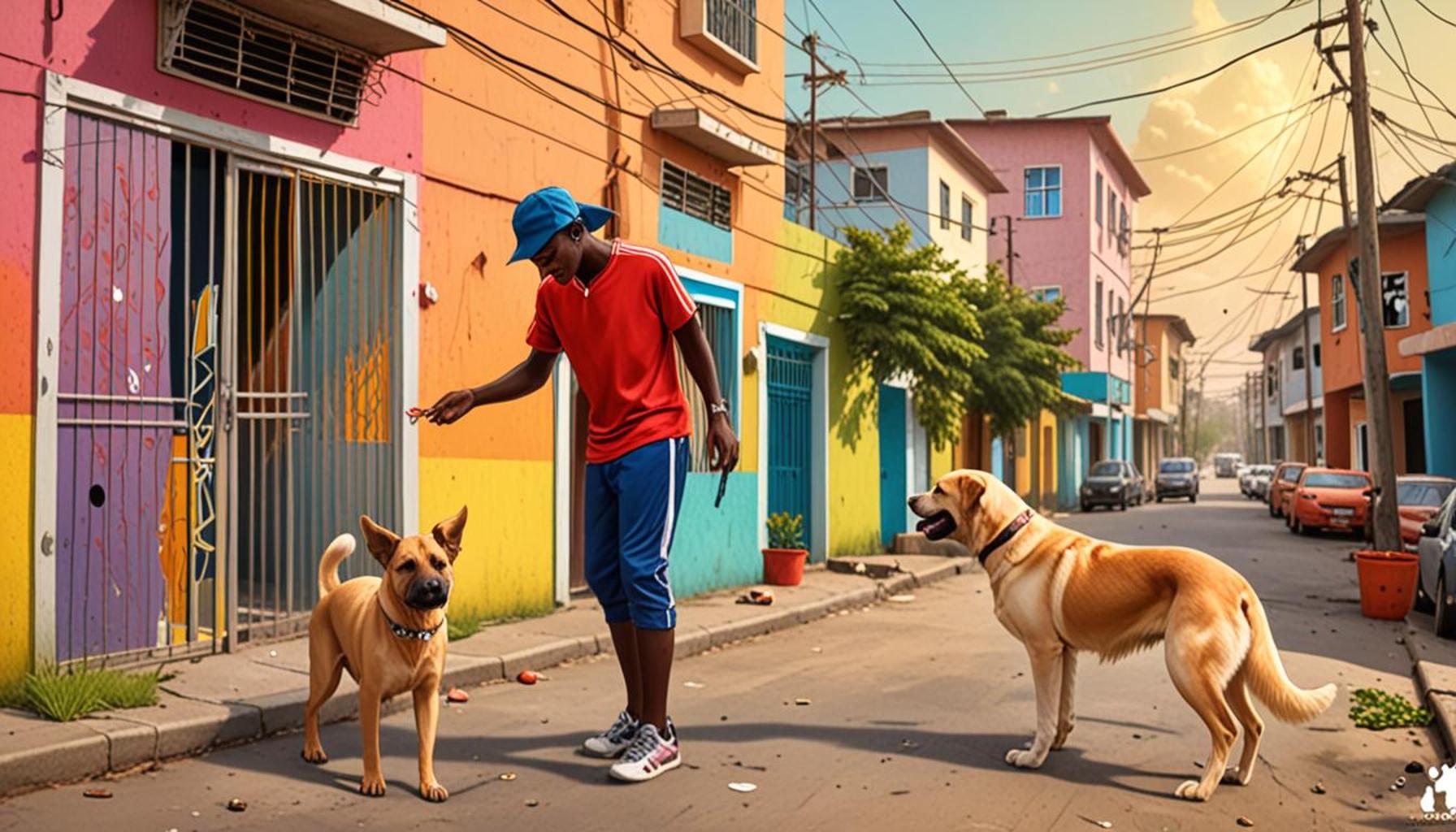
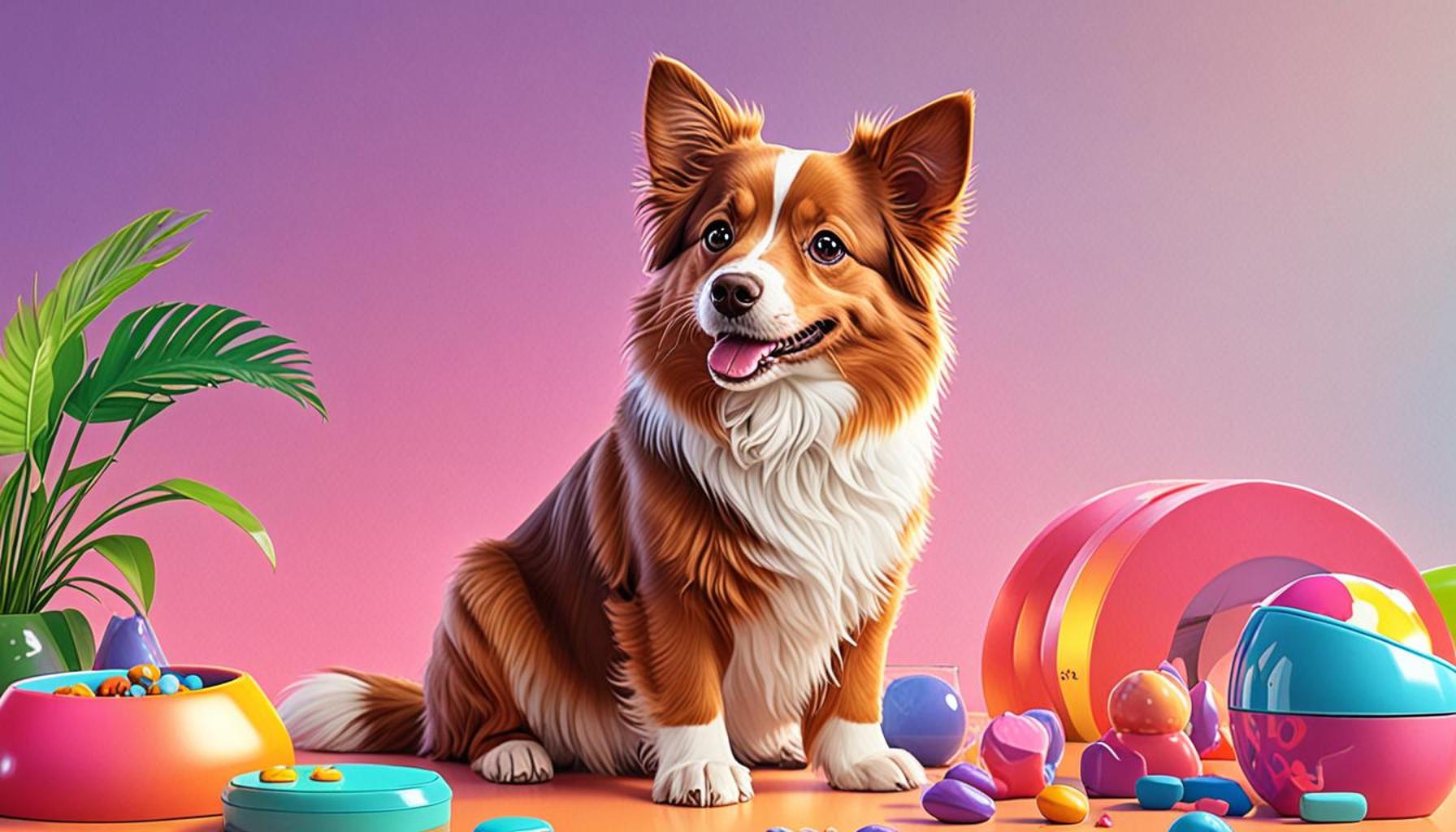
In the bustling urban landscape of Nigeria, pet ownership is on the rise, and so is the challenge of effectively training dogs in such vibrant environments. With the unique distractions of city life, traditional training methods may not suffice, making positive reinforcement a crucial approach for dog owners seeking to improve their pets’ behavior. This training technique emphasizes rewarding desired behaviors, leading to happier, well-adjusted companions.
Understanding how to implement positive reinforcement strategies can greatly enhance the bonding experience between dogs and their owners. In urban settings, where noise, traffic, and crowds can overwhelm a pet, tailored methods become essential. This article will unveil the Top 5 Techniques that are particularly effective in navigating dog training amidst the challenges of city life.
Explore these methods to create a more harmonious living space for both your pet and yourself, ensuring that your training sessions are not just effective but also enjoyable.
Top 5 Techniques for Positive Reinforcement Training for Dogs in Urban Environments in Nigeria
Training dogs in the urban settings of Nigeria presents unique challenges, from bustling streets and crowded sidewalks to the overwhelming sounds of traffic and markets. For dog owners, the goal is not just to have a pet that can sit or stay on command, but to nurture a companion that thrives amidst these urban challenges with discipline and poise. The solution? Positive reinforcement techniques. These methods not only enhance training outcomes but also deepen the bond between dogs and their owners. Here’s an in-depth look at the five most effective techniques that can transform your urban canine training experience.
5. Clicker Training
Clicker training is a powerful tool for establishing clear communication with your dog. This method utilizes a small device that emits a click sound when pressed. The click is a signal indicating to the dog that it performed the correct action, followed promptly by a reward such as a treat or a pat. The precision of the click timing is crucial as it marks the exact behavior being reinforced.

In Nigeria’s urban environments, where sensory overload can be a challenge, clicker training can sharpen your dog’s focus. For example, a dog learning to sit amidst the bustling sounds of Lagos traffic can benefit greatly from the immediate and distinct feedback provided by the clicker. This method requires consistency and patience but can produce results where the dog pays attention to you despite external distractions. To get started, engage in short, frequent training sessions to build your dog’s understanding and confidence.
4. Treat-Based Training
Treat-based training is arguably the most intuitive approach for many dog owners. This method involves rewarding your dog with a treat immediately after they execute a desired action, like lying down or staying put. The key lies in selecting treats that are both appetizing and manageable in size to avoid overfeeding.
In bustling Nigerian cities, the lure of high-value treats can cut through the distractions of street vendors and bustling pedestrians. For instance, when walking through a noisy market, using treats to practice simple commands can reinforce focus amidst chaos. An important note is to ensure balance; treats should be a part of a controlled diet to prevent weight gain. Over time, as your dog learns the commands, you can gradually decrease the frequency of treats, replacing them with verbal praise, ensuring your dog remains responsive without over-reliance on food rewards.
3. Socialization with Other Dogs
Socialization is more than just play; it’s a crucial element of training that prepares dogs for real-world interactions. In urban Nigeria, this can mean exposing your dog to diverse scenarios, from meeting other dogs to engaging with varied environments, like parks or dog-friendly cafes. Positive reinforcement during these interactions helps foster desirable behaviors and social skills.
Organized meetups or visits to dog parks are excellent venues for this kind of training. Encouraging appropriate dog-to-dog interaction and rewarding it with treats or praise can help a dog learn community-friendly behaviors, like not jumping on strangers or remaining calm around hyper pups. This technique is particularly beneficial for urban dogs that often deal with other animals sharing their environment, helping them adapt and react appropriately to unfamiliar faces, both human and canine.
2. Consistent Praise and Affection
The power of verbal praise combined with affection is profound. Dogs are social animals that thrive on attention and approval from their human companions. Offering enthusiastic verbal affirmations such as “Good girl!” paired with physical affection like gentle petting can create a strong emotional bond and reinforce positive behavior.
In urban settings like Lagos and Abuja, where anxiety-inducing environments like loud cityscapes are common, using praise to build your dog’s confidence becomes even more vital. For instance, if your dog successfully navigates a crowded sidewalk without pulling on the leash, showering them with praise can reinforce this positive behavior. Consistency is crucial—make sure to maintain your level of enthusiasm and positive feedback consistently to strengthen the learning process.
1. Motivation through Play
At the top of the list is play-based reinforcement, a method that seamlessly blends exercise with training. Engaging your dog in games like fetch, hide-and-seek, or tug-of-war not only satisfies their need for physical activity but also embeds learning in a fun and engaging manner.
In Nigerian cities, where living spaces can be limited, providing an opportunity for dogs to expend energy through play is essential. A well-exercised dog is more likely to focus during training sessions. For instance, starting a session with a game of fetch in a local park can be a great way to release pent-up energy before tackling new commands. The anticipation of fun experiences fosters motivation, encouraging dogs to follow commands in the hope of returning to play. Rotate toys and games to maintain interest and enthusiasm in learning.
To summarize, adapting positive reinforcement techniques to the specific challenges of urban Nigeria can lead to transformative results. These methods not only teach pets new commands but also help them become well-adjusted, happy members of the urban community. Whether you’re conquering the busy streets of Lagos or the markets of Abuja, incorporating these techniques can turn training into a fulfilling journey for both you and your canine companion.
| Category | Details |
|---|---|
| Socialization Benefits | Implementing positive reinforcement techniques nurtures a dog’s ability to interact harmoniously with both humans and other animals in an urban Nigerian environment, reducing anxiety and aggressive behaviors. |
| Adaptation to Noisy Environments | Through positive reinforcement training, urban dogs can learn to cope better with common city noises, such as traffic and construction, leading to increased overall well-being and decreased fear responses. |
| Improved Obedience | Using positive reinforcement helps instill a stronger sense of command adherence, making it easier for owners to manage their dogs during walks, especially in crowded urban settings. |
| Strengthening Human-Dog Bond | The practice of rewarding good behavior enhances the bond between owners and their pets, creating a more fulfilling and enjoyable companionship while navigating urban life. |
FAQs on Positive Reinforcement Techniques for Training Dogs in Urban Environments in Nigeria
What is positive reinforcement training for dogs?
Positive reinforcement training involves rewarding a dog for behavior that you want to encourage. This could be in the form of treats, praise, or play. The goal is to make the dog more likely to repeat the desired behavior in the future. The focus on rewarding rather than punishing harnesses dogs’ natural tendencies while building a trusting relationship between the dog and the trainer.
How effective is positive reinforcement in urban environments?
Positive reinforcement is considered highly effective in urban settings, where dogs are often exposed to more distractions and potential stressors. By consistently rewarding desired behaviors, owners can help their dogs remain calm and obedient even amidst the hustle and bustle of city life. Studies have shown that dogs trained with positive reinforcement are generally happier and more well-adjusted compared to those trained with aversive methods.
Are there specific challenges in training dogs with positive reinforcement in Nigerian cities?
Yes, there are unique challenges. For instance, the bustling nature of Nigerian cities means that dogs and trainers must often contend with high noise levels, crowded spaces, and numerous distractions. Additionally, access to dog-friendly parks or open spaces can be limited. Trainers may need to be creative in finding appropriate places and times for training sessions, ensuring they incorporate gradual exposure to urban stimuli.
What are some essential tips for using positive reinforcement in urban areas?
First, consistency is key. Reward your dog immediately after it performs a desired behavior to reinforce the connection. Carry small, high-value treats that are easy to deliver quickly. Meanwhile, use commands like “sit” or “stay” during manageable situations and gradually introduce more challenging environments. Remember to keep sessions short and frequent, maintaining your dog’s focus without overwhelming them. Socialization is also crucial, so gradually introducing your dog to the sights and sounds of urban life in a controlled manner can be very beneficial.
How can cultural perceptions in Nigeria influence dog training methods?
Cultural perceptions play a significant role in dog training across various parts of Nigeria. In some cultures, dogs are primarily seen as guard animals rather than companions, affecting how they are handled and trained. Emphasizing the benefits of positive reinforcement—such as improved behavior and companionship—may require awareness-building. Additionally, engaging local communities in discussions about modern training methods can foster broader acceptance and success of positive reinforcement techniques.
Conclusion
In the context of urban Nigeria, incorporating positive reinforcement techniques into dog training not only enhances the relationship between pets and their owners but also contributes significantly to the well-being of the animals. Through the explorative journey of this article, we delved into various methods that capitalize on positive reinforcement, such as reward-based training and clicker techniques, emphasizing how these strategies can be effectively implemented in bustling city environments.
One key takeaway is the effectiveness of consistency in rewarding desired behaviors, which leads to more predictable and obedient pets. Additionally, positive reinforcement favors the mental health of dogs by reducing anxiety and fostering a safer, more relaxed atmosphere for them to thrive. This approach also diminishes the reliance on punitive measures, which can be detrimental to dogs’ overall demeanor and trust in humans.
Adapting these methods to the unique cultural and environmental circumstances of Nigeria highlights the significance of understanding and catering to specific urban challenges, such as crowded spaces and loud noises. As urbanization continues to reshape the landscape, these personalized training approaches allow for a smoother integration of pets into city life, making them more adaptable and socially acceptable companions.
Ultimately, the article sheds light on the transformative power of positive reinforcement in urban dog training. This method not only equips owners with effective tools to nurture their pets but also instills a sense of pride in Nigerian dog owners who learn to communicate and bond better with their canine companions. The hopeful outcome is a paradigm shift where positive reinforcement becomes the norm, greatly enhancing the coexistence of pets and people in the ever-evolving urban tapestry of Nigeria.