How to Create a Safe Comfortable Environment for Your Pets
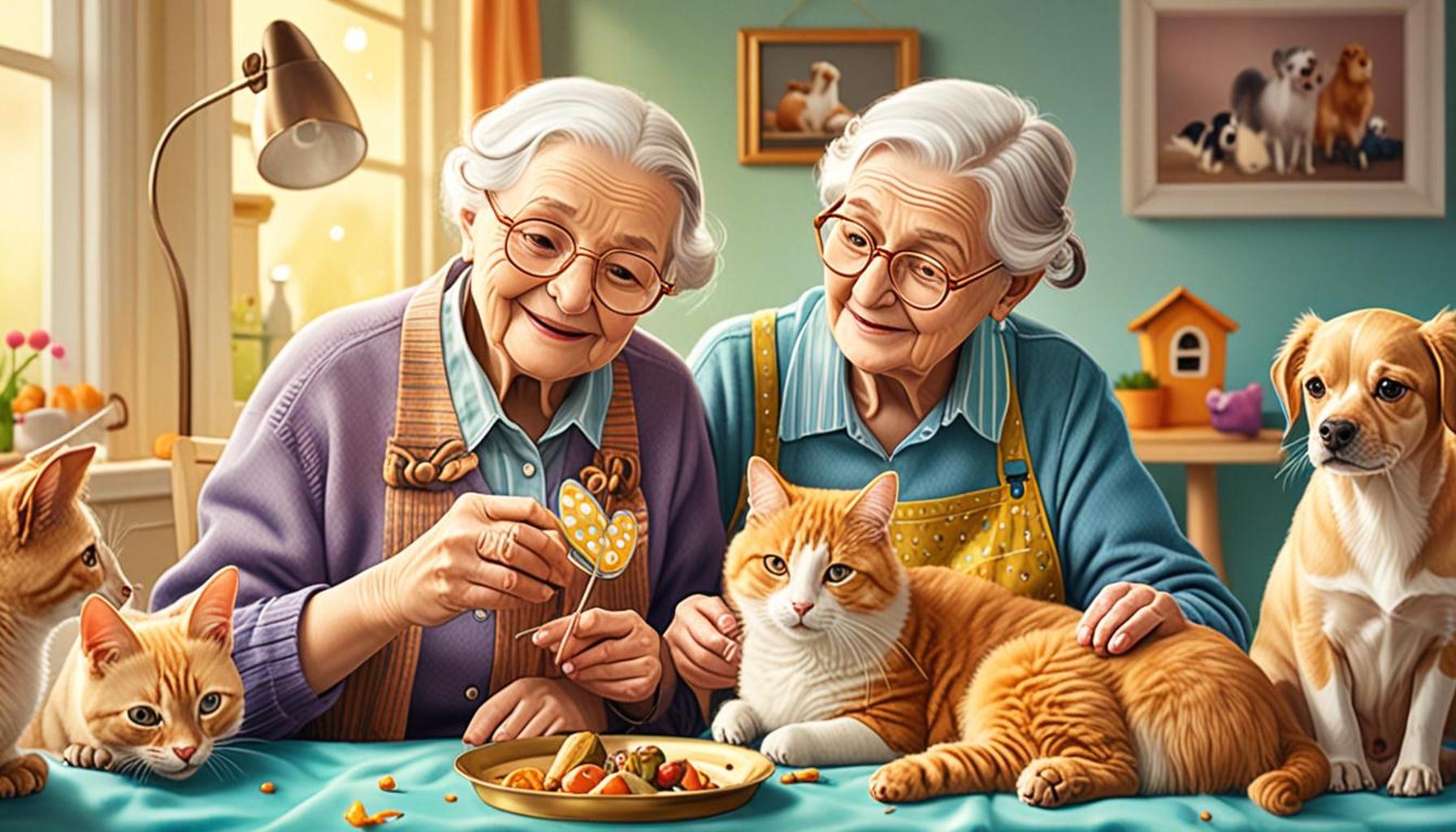
Creating a nurturing space for your pets is essential for their overall well-being. A safe and comfortable environment not only promotes physical health but also contributes to their emotional stability. With an increasing number of households welcoming furry friends, it’s vital to understand how to optimize their living conditions.
Research indicates that pets thrive in environments where they feel secure and content. To set the stage for a happier life for your pet, consider the following:
- Safety Measures: Implement protective barriers and pet-proof your home.
- Comfort Zones: Establish cozy spots for relaxation and rest.
- Interactive Spaces: Create areas for play that stimulate mental and physical activity.
- Health Considerations: Incorporate elements that support your pet’s health and hygiene.
- Environmental Enrichment: Provide engaging toys and activities to keep boredom at bay.
In this article, we will explore the “Top 5” ways to cultivate a welcoming atmosphere for your pets, ensuring they feel at home. Join us as we delve into practical strategies and expert insights designed to enhance your pet’s quality of life.
Creating a Safe and Comfortable Environment for Your Pets: Top 5 Tips
In the thriving world of pet companionship, animals are more than just pets—they are beloved family members. Crafting a secure and nurturing environment for them not only enhances their well-being but also strengthens the bond you share. To truly cater to your pet’s needs, it’s essential to know how to set up a home environment that champions their health and happiness. Here’s an in-depth, step-by-step guide to achieving this through the top five essential tips.
5. Provide Comfortable Bedding
The cornerstone of a pet-friendly home lies in furnishing a comfortable and supportive sleeping space. Quality rest is vital for pets, contributing to their physical health and emotional stability. Select bedding that aligns with their size, sleeping habits, and any health considerations they might have. For large dogs, orthopedic beds alleviate joint pain, while cats might revel in a soft, insulated bed perched on a cat tree.
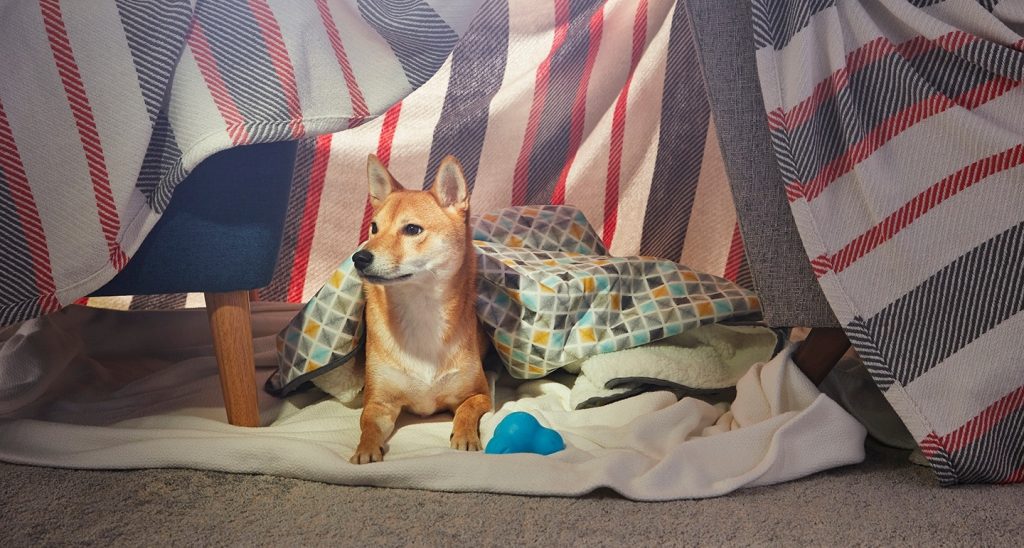
When choosing the right bedding, consider:
- Material: Opt for easy-to-clean, durable fabrics that protect against allergens and wear. Materials like microfiber or canvas often offer robustness and washability.
- Size and Shape: Ensure it’s spacious enough for the pet to move freely. Circular beds might be ideal for a napping cat, whereas a rectangular bed suits a sprawling dog.
- Placement: Place in serene, low-traffic zones away from household hubbub, so your pet enjoys uninterrupted relaxation.
These considerations offer your pet a personal refuge, enhancing their sense of security and attachment to their environment.
4. Safe and Secure Environment
A secure environment is paramount for pets, paralleling the care one would ensure for a child. Perils lurk in seemingly innocuous areas, so vigilance in removing hazards is crucial. Analyze your home from a pet’s viewpoint to spot potential risks such as accessible electrical cords, toxic houseplants, and small objects that could be ingested.
Implement safety measures by:
- Pet-proofing: Use cord covers to prevent chewing, secure drawer and cabinet latches to negate access to harmful substances, much like child-proofing.
- Outdoor Safety: For pets that enjoy time outside, ensure your yard is fenced to prevent wandering. A secure dog pen or catio delivers both freedom and protection.
- Reference Lists: Familiarize yourself with items poisonous to animals; typical culprits include chocolate and certain plants like lilies and poinsettias.
These preventive strategies can drastically reduce risks, allowing your pets to explore and interact in a controlled, safe manner.
3. Clutter-Free Space
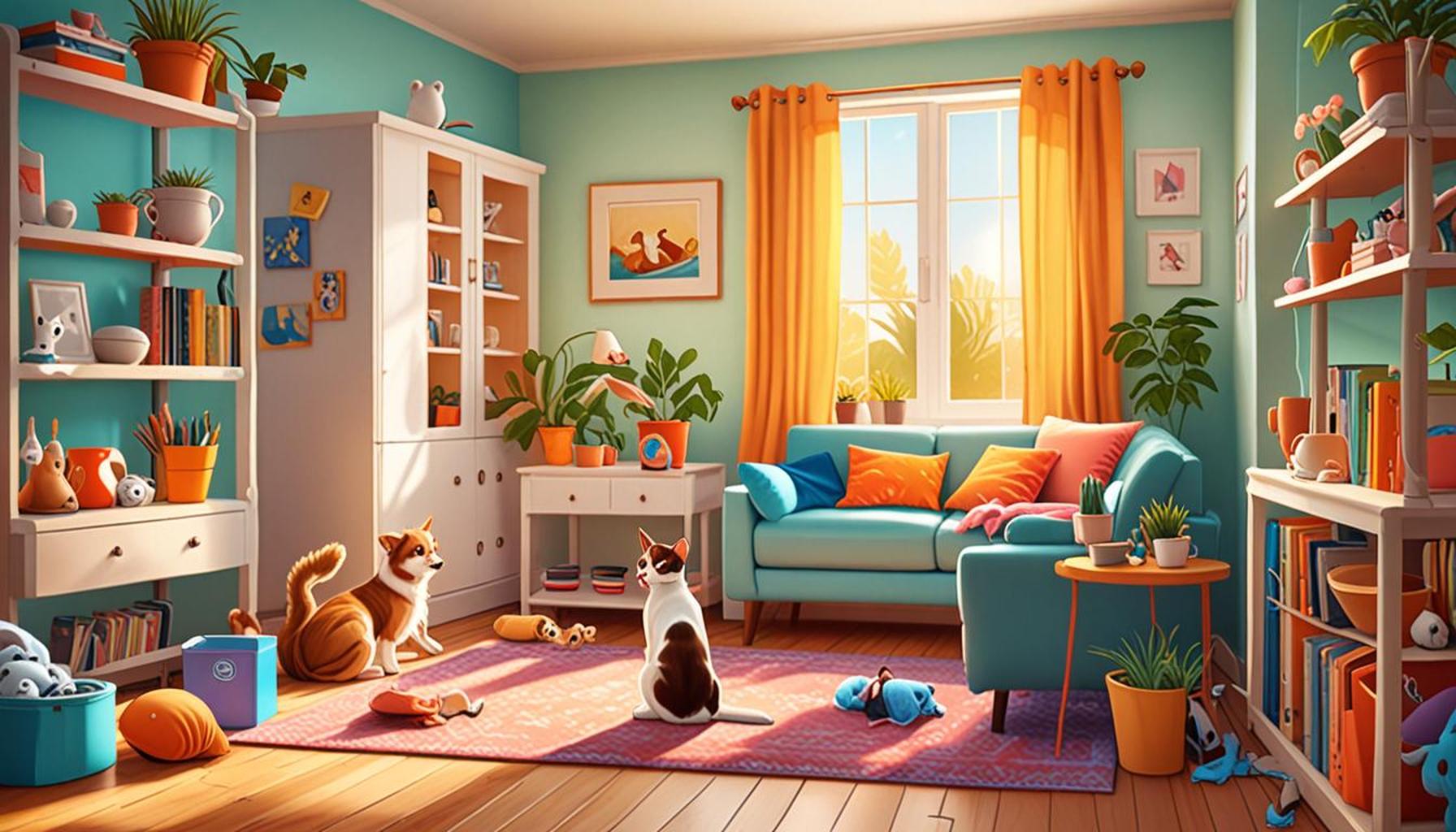
A streamlined home fosters a positive atmosphere for pets, free from anxiety and physical hazards. A clutter-free space not only enhances their mental state but also liberates them to roam without hindrance. When setting up your home, establish designated zones for pet activities and storage.
Organizational tips include:
- Storage Solutions: Invest in baskets, cabinets, or bins dedicated to pet paraphernalia. This helps segregate their items from general household goods.
- Minimalist Approach: Aim for minimalism in high-use pet areas, leaving room for play and rest. Less clutter translates to fewer hidden dangers.
- Regular Maintenance: Adopt a routine to manage pet hair and dander promptly. Tools like lint rollers and pet-specific vacuums can simplify upkeep.
Implementing these strategies not only maintains order but also dissolves potential stressors for your furry family members.
2. Ensure Engagement and Stimulation
Pets are inherently dynamic, requiring constant engagement and stimulation to thrive mentally and physically. Regular, enriching activities mitigate destructive behaviors and foster a positive demeanor. Begin by assessing your pet’s individual activity level and preferences.
Effective strategies might include:
- Puzzle Toys: Stimulate intelligence and problem-solving with interactive toys that reward persistence and focus.
- Obstacle Courses: Set up simple courses using everyday items to challenge agility and provide exercise, especially for dogs.
- Social & Play Sessions: Dedicate time to interactive play, walks, or even pet-safe laser pointers for cats, establishing a routine.
By tapping into their natural instincts for play and discovery, you bolster their happiness and encourage wholesome habits.
1. Consistent Routine and Positive Reinforcement
Pets flourish within consistent routines. By mirroring natural patterns of behavior in daily schedules, they gain a sense of structure and predictability. Regular feedings, exercise intervals, and bedtime cues create an apparent rhythm that soothes anxiety and reinforces positive behavior.
Elements of a beneficial routine encompass:
- Set Schedules: Allocate specific times for feeding, walking, and rest consistently, fostering anticipation and understanding.
- Positive Reinforcement: Employ treat-based or verbal affirmation strategies when training pets. This method encourages desirable actions without emphasis on negative discipline.
- Flexibility with Structure: While routines are vital, adapt to inevitable changes with minimal disruption to your pet’s core schedule.
Implementing a routine not only provides stability but also enhances your relationship through trust and respect, creating an altogether calming home environment.
In summary, by investing time and effort into these five core areas, you craft a loving, safe haven that meets both the emotional and physical needs of your pets. This investment is a fundamental component of their long-term health, offering them a prosperous and joyous life. Explore each tip to ensure your home epitomizes a sanctuary that supports your pet in every way possible.
| Category | Details |
|---|---|
| Safe Spaces | Creating designated areas in your home for pets that are free from hazards can help alleviate stress and provide comfort. These spaces should be away from heavy traffic areas and contain their favorite toys, bedding, and food. |
| Environment Enrichment | Incorporating enrichment activities such as puzzles and interactive toys into your pets’ routine stimulates their minds and keeps them engaged, reducing anxiety and destructive behaviors. |
| Temperature Control | Maintaining a comfortable temperature in your home is crucial for your pets’ well-being. Ensure that they have access to cool, shaded areas during hot weather and warm, cozy spots during cooler months. |
| Regular Health Checks | Scheduling frequent vet visits is essential for keeping pets healthy and safe. Regular health checks can help detect early signs of illness, ensuring your furry friends maintain their vitality. |
Creating a safe and comfortable environment for pets is not just about physical safety, but also about providing mental stimulation and warmth. The integration of safe spaces where pets can retreat, along with the use of enriching toys, plays a significant role in their overall happiness and well-being. Temperature control is equally important, as pets can be highly sensitive to extreme weather conditions. Regular health checks further reinforce this environment, ensuring that any underlying issues are addressed swiftly. These strategies collectively contribute to a thriving pet in a nurturing home.
Frequently Asked Questions about Creating a Safe and Comfortable Environment for Your Pets
How can I ensure my pet’s environment is safe from household hazards?
Pets are naturally curious, often exploring areas where they shouldn’t. To mitigate risks, it’s important to keep cleaning products, electrical cords, and small objects out of reach. Use childproof locks on cabinets to prevent pets from accessing harmful substances. Regularly check your home for potential hazards unique to your pet’s behavior, such as accessible windows or unsecured furniture. Consistent supervision is key, especially for pets new to the household environment.
What are the best practices for creating a comfortable living space for my pet?
Providing a comfortable living space requires attention to your pet’s specific needs. Ensure they have a designated area with a cozy bed, fresh water, and enough space to move around freely. Consider the temperature and lighting of their environment, adjusting these factors to suit their comfort levels. Enrichment is vital, so provide toys and interactive activities to keep your pet mentally and physically stimulated.
How can I maintain a stress-free environment for my pet during changes or disturbances?
Pets can become stressed during changes like moving or renovations. It’s crucial to maintain a routine as much as possible and provide a safe space where they feel secure. Introduce changes gradually and consider using calming aids such as pheromone diffusers if needed. Monitor your pet’s behavior for signs of stress and consult a veterinarian if you notice significant changes.
What should I consider when choosing suitable pet furniture and accessories?
When selecting furniture and accessories, prioritize materials that are pet-friendly and durable. Opt for non-toxic, washable, and sturdy fabrics that can withstand wear and tear. Ensure that any pet furniture, including cat trees or dog beds, is appropriately sized and placed in areas where your pet feels safe. Customizing options based on your pet’s preferences can enhance their comfort significantly.
Conclusion: Creating a Safe and Comfortable Environment for Your Pets
In crafting a space that is both safe and comfortable for your pets, there are several key elements to consider that can significantly enhance their well-being.
First and foremost, ensuring safety is paramount. This involves consistently identifying and eliminating potential hazards within your home. Simple actions, such as securing loose wires and chemicals, can greatly reduce risks to your pets.
Equally critical is providing an environment that caters to their emotional and physical needs. Pets thrive when they have ample space to explore, exercise, and express natural behaviors. Providing toys and engaging tools not only stimulates their minds but also helps prevent destructive behaviors.
The importance of a plush and inviting environment cannot be understated. Investing in comfortable bedding and cozy corners assures your pets feel secure and relaxed. Temperature regulation is also vital, as pets are sensitive to extreme climates and require an environment that mirrors their normal habitat conditions.
Moreover, don’t overlook the benefits of proper socialization and enrichment. Regular interaction, playtime, and even scheduled social points with other animals can foster a harmonious and content life for your pets.
In summary, the effort invested in curating a secure and snug environment for your pets not only enhances their comfort but also boosts their overall health and happiness. As pet guardians, understanding and accommodating their unique needs assure they live a quality life. This holistic approach sets a foundation for a nurturing relationship, allowing both you and your pets to thrive.
In exploring these aspects, you may discover new insights into your pets’ world, encouraging deeper bonds and understanding between you and your four-legged companions.