Effective Urban Pet Mental Health Strategies for Dogs Cats
Understanding Urban Pet Mental Health
In today’s fast-paced urban environments, the mental well-being of our pets has become increasingly challenging to manage. With heightened noise levels, limited space, and the stresses of city living, both dogs and cats can experience issues ranging from anxiety to behavioral problems. Recognizing these challenges is crucial not just for our pets’ happiness, but for fostering a harmonious home life.
The Importance of Mental Health for Pets
Just like humans, pets thrive in environments that support their emotional well-being. Addressing mental health is vital for:
- Enhancing their quality of life
- Preventing destructive behaviors
- Strengthening the bond between pets and their owners
As urban pet owners, it is essential to understand the unique needs of our furry companions. This article dives into effective strategies to manage their mental health, ensuring they stay content and well-adjusted amidst urban living challenges. Prepare to explore our curated list of the Top 5 methods for enhancing your pet’s mental wellness in the city.
Top 5 Effective Strategies for Managing the Mental Health of Dogs and Cats in Urban Environments
Urban environments are bustling hubs of activity, offering an array of sights, sounds, and opportunities. Yet, this vibrant lifestyle presents unique challenges for pet owners dedicated to ensuring their pets’ well-being. Amidst the liveliness and relentless rhythm of city life, pets may face stress, anxiety, and behavioral challenges. Understanding and addressing these challenges are key to enriching the lives of our four-legged companions.
5. Structured Routine
For pets residing in urban landscapes, a structured routine acts as an anchor amidst the chaos. Routine offers predictability, which translates to comfort and security, crucial elements in maintaining mental health. Imagine for a moment, the perspective of a pet. The hum and clamor of city life, unpredictable as it is, can be overwhelming. Providing them with some elements of predictability can significantly ease their anxiety.
Key elements of their routine should include:
- Feeding times: By adhering to consistent meal times, owners help to regulate their pets’ digestive systems and manage their expectations, reducing stress related to food anticipation.
- Exercise: Regular, planned walks or play sessions release pent-up energy, reduce anxiety, and can substantially improve overall mood. Consider varying the routes and locations to keep experiences fresh and exhilarating for both the pet and owner.
- Potty breaks: Scheduled bathroom breaks prevent accidents, support training, and offer regular intervals of relief, particularly for dogs who thrive on outdoor potty times.
- Mental stimulation: Introducing activities such as puzzle toys or interactive training sessions engages their minds and channels behaviors in a productive manner.
By nurturing a steadfast routine, pets in cities can better adapt to periodic urban disruptions, paving a pathway to thriving rather than merely surviving amid bustling environments.
4. Socialization Opportunities
Much like humans, social connections are paramount to an animal’s mental health. Urban scenarios can appear daunting and alien to pets, but through deliberate socialization, their experiences can become enriching. Socialization not only helps reduce anxiety but also assists in developing a pet’s confidence.
Consider these strategies for enhancing socialization :
- Dog parks: These parks offer a space where dogs can interact, play, and practice social skills through natural canine behaviors like chasing and greeting. Such interactions are as important as a human handshake, building a mental repertoire of social encounters.
- Pet-friendly events: These community gatherings enable interaction among dogs, cats, and people, enriching the social fabric of a pet’s life through diverse stimuli.
- Cat cafes: While primarily for humans, cat cafes also provide cats with a social environment, albeit at a comfortable pace that suits feline sensibilities.
- Playdates: Organizing playdates with other pets can significantly boost their social skills, leading to better adaptability and lower levels of stress.
Integrating these socialization opportunities ensures urban pets develop resilience and adaptability, crucial traits for navigating the ever-changing city environment.
3. Enrichment Activities
Enrichment activities stand as the cornerstone for maintaining the psychological and physical health of pets, particularly in confined urban settings. Environments that lack diversity can lead to boredom and subsequent behavioral issues. Enrichment combats this by providing purpose and variety.
To implement effective enrichment techniques:
- Interactive toys: Choose toys that require problem-solving, such as treat-dispensing puzzles, which engage pets’ minds and can potentially extend playtime while diminishing destructive tendencies.
- Indoor agility courses: Crafting an agility course using household items provides exercise and mental stimulation. Partake in these activities together to further strengthen your bond with your pet.
- Outdoor exploring: Exploring new routes or parks introduces your pets to different scents and sights, making regular walks exciting rather than mundane routines.
- Mental challenges: Regular training sessions not only reinforce behavior commands but also offer mental exercise, crucial for preventing cognitive decline.
Such activities inspire happiness and engagement, thwarting the monotony that can weigh heavily upon urban pets used to routine city environments.
2. Quiet Spaces
In cities eternally alive with noise, providing a quiet space becomes a sanctuary for pets seeking respite from the relentless urban din. Pets often have acute senses, making them vulnerable to overwhelming stimuli, particularly noise stress.
To create an oasis of calm:
- Private spots: Design a cozy hideout or dedicate a room as a refuge where pets can retreat during periods of stress or fatigue.
- Soft bedding: Incorporating plush bedding or a favorite blanket can enhance the comfort of these spaces, inviting relaxation.
- Aromatherapy: Introduce calming scents through pet-safe diffusers or sprays to alleviate stress and promote tranquility.
- Mellow music: Play soothing, mellow music to mask harsh city sounds and promote a relaxing atmosphere.
These measures carve out a private niche where pets can regroup and decompress, essential for maintaining mental equilibrium in high-tension areas.
1. Regular Vet Check-ups
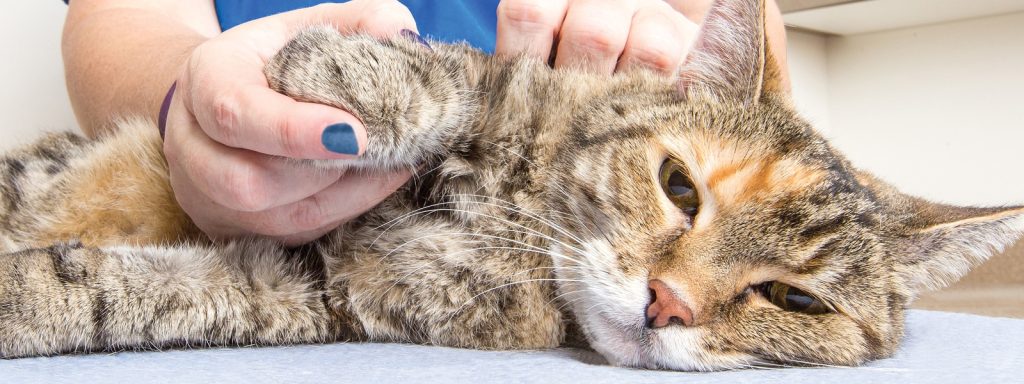
The principal pillar supporting robust mental health in pets is regular veterinary care, offering a comprehensive view into their wellness landscape. Beyond physical health, veterinary visits enable monitoring of mental health, crucial in early detection of potential concerns.
Benefits of routine check-ups include:
- Early detection: By identifying health issues in nascent stages, owners can address potential physical and mental health risks before they develop into serious problems.
- Behavior assessments: Veterinarians can discern behavioral changes that may signify underlying mental distress, recommending strategies or treatments as necessary.
- Health advice: Vets provide insights on nutrition, behavioral changes, and socialization tailored to your pet’s specific needs, fostering an optimized urban lifestyle.
Engaging frequently with veterinary professionals ensures pets receive comprehensive care, fortifying their wellbeing amidst often unpredictable city conditions. With focused attention on various facets of their lives, pets can lead happy, fulfilling lives even in the most bustling urban environments.
| Category | Details |
|---|---|
| Urban Enrichment | Providing diverse stimuli in urban settings is paramount for mental health. Parks and pet cafés offer spaces for recreation and social interactions, minimizing boredom and anxiety in pets. |
| Routine and Structure | Establishing a consistent daily routine helps pets adapt to urban life. Regular feeding, walks, and playtime create a secure environment that can alleviate stress caused by city noises or movement. |
| Behavioral Training | Implementing positive reinforcement training enhances communication between pet and owner. Reduced behavioral issues can result from tailored training programs adapted for urban challenges, ensuring pets feel understood and secure. |
| Socialization Opportunities | Facilitating interactions with other animals and people can significantly boost mental well-being. Dog parks and community events serve as excellent venues for healthy interactions, reducing isolation in urban pets. |
In urban environments, where the fast-paced lifestyle can often lead to overwhelming stimuli for pets, effective strategies to manage their mental health are essential. Urban enrichment not only combats boredom but also encourages physical exercise, a vital aspect of mental wellness. Structures like parks, pet-friendly cafes, and designated walking trails offer opportunities for pets to explore and engage with their surroundings—two vital keys to mitigating anxiety.Implementing a structured routine provides a sense of normalcy for pets. Creating specific times for feeding, walks, and play allows animals to develop expectations, giving them a supportive framework to thrive amidst the chaos of urban noise and movement. This routine fosters trust between pet and owner and ensures pets feel more at ease in their bustling surroundings.Furthermore, behavioral training plays an integral role in enhancing the bond between animals and their owners. By employing positive reinforcement techniques, owners can help their pets learn to navigate urban spaces more confidently, reducing the likelihood of fear and aggression in unfamiliar situations. Tailored training sessions can assist in addressing specific behavioral issues, promoting a harmonious urban living experience.Lastly, socialization remains crucial for a pet’s mental health. Offering varied interaction opportunities with other animals and people helps cultivate a sense of community. Participation in local dog-friendly events or regular visits to dog parks can significantly lessen feelings of loneliness or aggression, while also fostering friendships that enhance their overall quality of life. In an urban setting, understanding and supporting the mental health of pets is not just essential; it is a responsibility that every pet owner should embrace.
Frequently Asked Questions on Managing Pet Mental Health in Urban Environments
How does city life affect the mental health of dogs and cats?
Urban environments can present numerous challenges for the mental well-being of pets. Dogs and cats may experience increased stress and anxiety due to noise, limited green spaces, and crowded living conditions. Additionally, the hustle and bustle of city life might lead to isolation and insufficient interaction with their environment, affecting their overall mental health. Pets need ample opportunities for stimulation and socialization to thrive in such settings.
What are the signs that my pet might be experiencing stress or anxiety?
Pets often show stress through certain behavioral changes. For dogs, look for symptoms like excessive barking, destructive behavior, or inappropriate urination. Cats might display signs such as over-grooming, withdrawn behavior, or sudden aggression. It’s crucial to observe their habits and routine closely, as these signs can also indicate underlying health issues that may require a veterinarian’s attention.
What strategies can I use to improve my pet’s mental health in an urban setting?
One effective strategy is to ensure that your pet gets enough physical exercise and mental stimulation. This can be achieved through regular walks, playtime, and interactive toys that challenge their intelligence. Socialization with other pets, either through playdates or pet-friendly parks, is also vital. Furthermore, creating a safe and comfortable space within your home with designated areas for rest and activity can help maintain their mental balance.
Are there specific products or tools that can aid in managing pet anxiety?
Yes, there are several products designed to alleviate pet anxiety. Calming collars, anxiety wraps, and diffusers using pheromones can help soothe stressed animals. Additionally, various interactive toys can provide mental challenges and prevent boredom. It’s essential to consult with a veterinarian to find a suitable option for your pet’s specific needs.
How important is a routine for my pet’s mental health?
Maintaining a consistent routine is crucial for a pet’s mental well-being, especially in bustling urban environments. Dogs and cats thrive on predictability. Regular feeding times, play sessions, and sleeping schedules can give them a sense of security and reduce stress. A well-structured routine also makes it easier to notice any behavioral changes that might indicate health issues.
Conclusion
In urban environments, managing the mental health of pets, particularly dogs and cats, is a vital concern that deserves considerable attention. Urban settings present unique challenges that demand effective strategies to ensure the well-being of these beloved companions. The article outlined several crucial strategies that can be instrumental in safeguarding the mental health of pets in cities, emphasizing their importance and inviting readers to explore further.
First and foremost, ensuring regular physical activity remains a fundamental practice. In a city environment, where space can be limited, integrating scheduled walks and playtime is crucial for maintaining both physical and mental health. Additionally, attention to a balanced diet and nutrition can play a significant role in sustaining an optimal mental state for pets.
Creating a stimulating environment through the use of toys and sensory enrichment is another essential strategy discussed. These activities not only alleviate boredom but also mitigate anxiety and stress. Engaging professional help, such as consulting with a veterinarian or a pet behaviorist, was also highlighted as a viable option for addressing more complex mental health issues.
Social interaction proves to be indispensable, and opportunities for pets to interact with other animals or humans can enhance their emotional well-being significantly. This level of interaction reduces feelings of loneliness and provides mental stimulation.
These strategies underscore the broader importance of recognizing and actively managing the mental health needs of pets in urban areas. By adopting these techniques, pet owners not only improve the lives of their furry friends but also elevate the overall dynamic of urban pet ownership. As urban environments continue to grow and evolve, it is essential to stay informed and adaptive to the needs of our non-human companions, ensuring their happiness and longevity amidst the hustle and bustle of city life.