DIY Vertical Gardening: Setting Up Wall Gardens with Sustainable Materials
Transform Small Spaces with Vertical Gardening
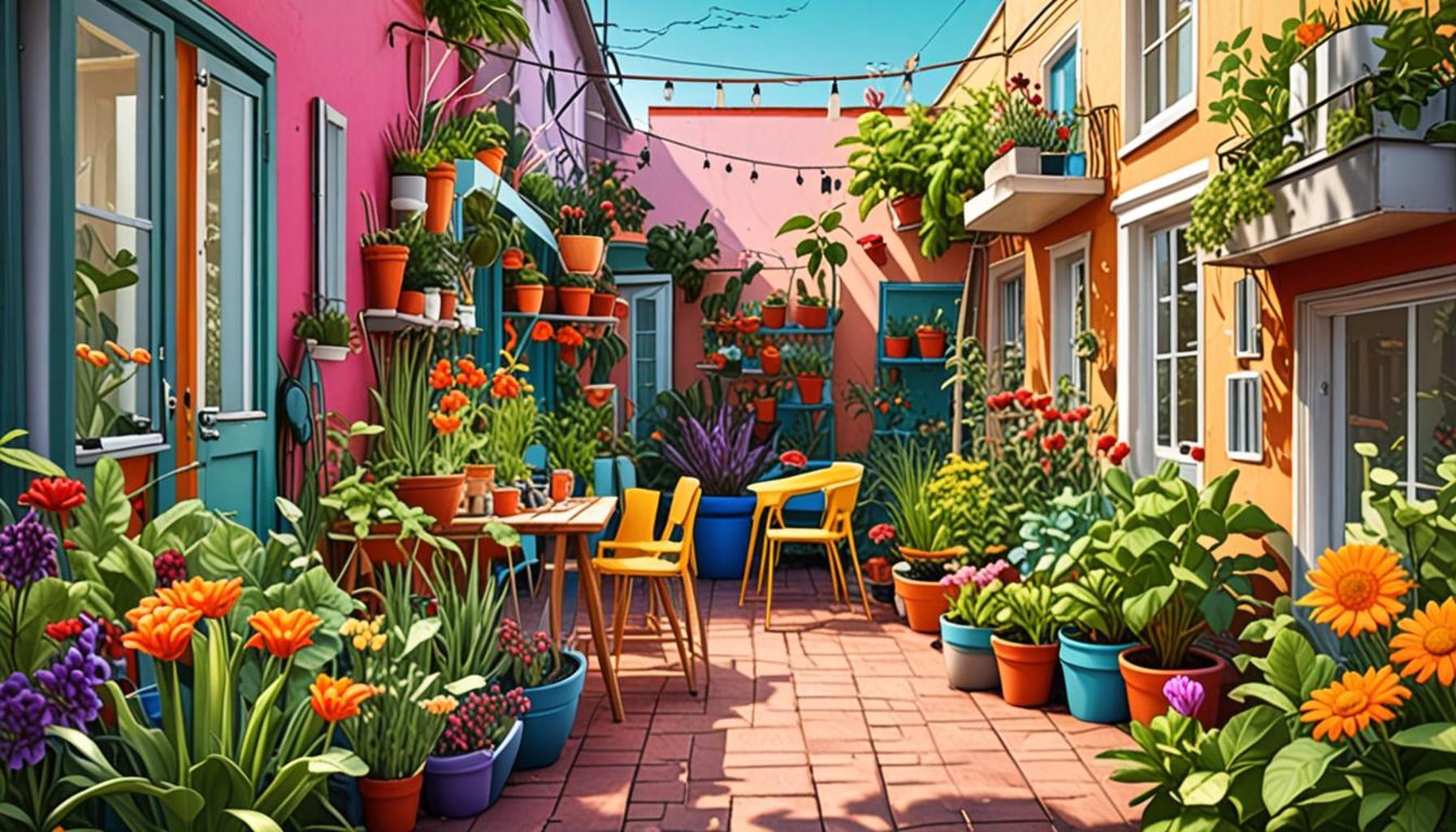
Have you ever dreamed of transforming a small space into a vibrant oasis? DIY vertical gardening offers an innovative and sustainable way to grow plants in limited areas. Wall gardens not only beautify your environment but also promote biodiversity, especially in urban settings across Nigeria. In cities with dense populations and limited green spaces, such as Lagos and Abuja, vertical gardening presents a perfect solution to bring nature closer to home.
With the right materials and techniques, you can create a stunning wall garden that stands out. One of the most appealing aspects of vertical gardening is its versatility. Consider these key advantages:
- Space-Saving: Vertical gardens are ideal for balconies, patios, and even indoors, allowing you to utilize every inch of space efficiently.
- Accessibility: Vertical gardens are easy to maintain and harvest as most plants are at eye level, making gardening enjoyable and less physically demanding.
- Environmental Impact: The use of recycled and sustainable materials greatly reduces waste, contributing to environmental conservation.
Imagine turning plastic bottles, wooden pallets, or discarded crates into lush vertical installations. For instance, in places like Ibadan, residents have repurposed old tires as plant holders, creating unique displays that are not just functional but also artistic. These materials not only support your plants but also positively impact the environment, reducing carbon footprints and promoting recycling. By integrating native species like egusi and pepper into your vertical garden, you not only enhance your space but also contribute to local biodiversity.
As you embark on your vertical gardening journey, it’s crucial to select the right plants that will thrive in vertical conditions. Herbs like basil, parsley, and even small vegetable plants can flourish in these settings, providing fresh produce while enhancing the aesthetic appeal of your home.
In this article, we will explore effective methods to set up your own wall garden. We will guide you through selecting appropriate plants, the best sustainable materials, and maintenance tips to keep your garden thriving throughout the seasons. Consider using vertical frames or herb towers which not only provide structure but also add an element of sophistication to your space.
Join the growing community of gardeners who are embracing vertical gardening techniques for a greener future. By adopting these practices, not only do you improve your living space but also contribute to a healthier environment. It’s time to get inspired and start your own unique wall garden adventure in the heart of Nigeria!
SEE ALSO: Click here to read another article
Choosing the Right Sustainable Materials for Your Vertical Garden
Setting up a vertical garden begins with selecting the right materials that are not only sustainable but also functional. In Nigeria, where environmental sustainability is becoming increasingly important, the use of recycled and locally sourced materials can significantly reduce waste and lower the ecological footprint. Here are some recommended materials you can use to create your wall garden:
- Recycled Plastic Bottles: An easy and affordable option, empty plastic bottles can be cut in half and attached to a wooden frame or directly to a wall. They create excellent planting pockets and are perfect for growing herbs and small flowers.
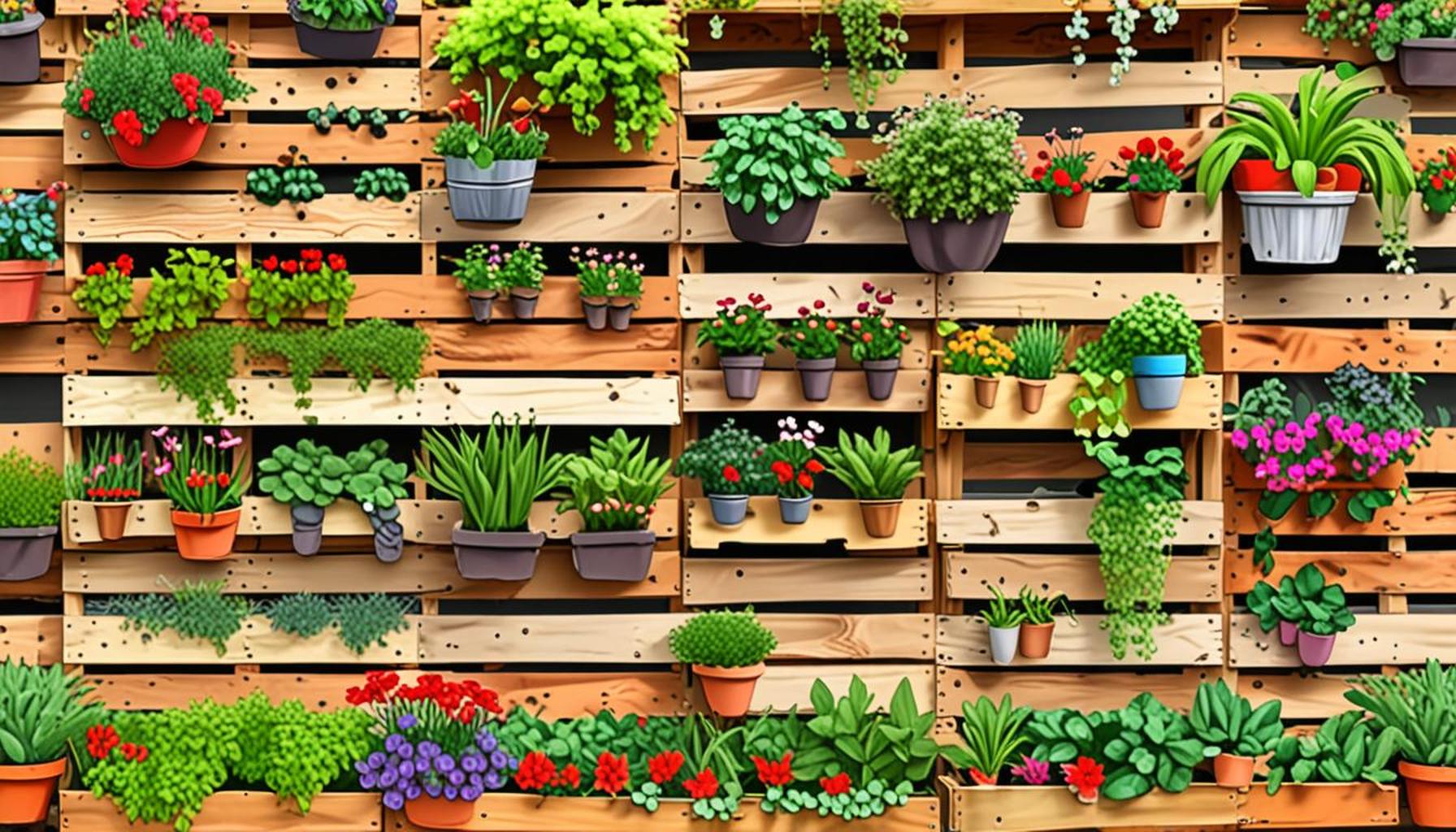
- Wooden Pallets: Old wooden pallets offer an aesthetically pleasing way to create a vertical garden. The gaps between the planks allow for drainage, and the structure can be hung on walls to hold various plants, making them suitable for urban settings.
- Wire Mesh: Utilizing wire mesh or chicken wire can support climbing plants and create a unique display. This material allows plants to latch on and grow upwards, creating a striking visual effect.
- Old Crates or Boxes: Wooden crates, whether sourced from local markets or crafted at home, provide ample space for soil and root growth. These can be stacked or leaned against a wall, maximizing your garden’s space.
- Tires: As mentioned, repurposing old tires can add character to your vertical garden. They can be painted and stacked vertically, serving as colorful planters for vibrant flowers or small vegetables.
Along with selecting sustainable materials, consider the impact of each choice on your garden’s health. Ensure that whatever materials you employ are clean and free from harmful chemicals that could leach into the soil. For instance, when using pallets, it’s essential to verify that they are heat-treated rather than chemically treated to avoid introducing toxins into your plants.
Essential Tools and Equipment
In addition to your materials, you will need some basic tools to set up your vertical garden efficiently. Here’s a list of essential tools you might need:
- Drill: To make holes for drainage and to secure your garden structure to the wall.
- Soil and Fertilizer: Good-quality soil is crucial for plant health. Consider organic fertilizers that will nourish your plants without harming the environment.
- Watering Can or Hose: Ensuring proper hydration is key, so have a method for watering your plants readily available.
- Gloves: Protect your hands while working with soil and tools, ensuring a comfortable gardening experience.
By focusing on sustainable materials and having the right tools at hand, you’re well on your way to creating a thriving vertical garden. This rewarding experience not only beautifies your living space but also encourages a closer connection to nature, thereby fostering a more sustainable lifestyle in the heart of bustling Nigerian cities.
| Advantage | Details |
|---|---|
| Space Efficiency | Vertical gardens utilize minimal floor space, making them perfect for urban settings. |
| Sustainable Materials | Using reclaimed wood or recycled materials reduces waste and environmental impact. |
| Air Quality Improvement | Plants help purify the air by absorbing toxins, enhancing indoor air quality. |
| Aesthetic Appeal | Wall gardens can beautify walls, turning bland spaces into vibrant green displays. |
By creating a DIY vertical garden using sustainable materials, enthusiasts not only make an environmentally-friendly choice but also significantly transform their living spaces. The advantages of space efficiency allow gardeners to maximize their greenery in compact areas while improving air quality with the addition of plants that flourish in these innovative setups. Moreover, utilizing reclaimed or recycled materials helps to decrease waste, contributing positively to the environment. For those seeking to enhance the visual appeal of their homes, these wall gardens bring a refreshing touch of nature indoors, effectively elevating the surroundings. As you explore this captivating gardening option, consider the myriad ways a vertical garden can enrich your life and living space.
YOU MAY ALSO LIKE: Read read another article
Designing Your Vertical Garden: Layout and Plant Selection
Having gathered your sustainable materials and tools, the next step in your DIY vertical gardening journey is to design the layout of your wall garden. This step is crucial as it determines not just the aesthetic appeal but also the practicality of your garden. A well-thought-out layout allows for optimal sunlight exposure, airflow, and accessibility for maintenance and harvesting.
When planning your vertical garden, take note of the following design considerations:
- Sunlight Exposure: Assess the sunlight your wall receives throughout the day. Most herbs and flowering plants thrive under full sun, which means they need at least six to eight hours of sunlight daily. However, if your vertical garden is on a shaded wall, consider low-light tolerant plants like ferns or shade-tolerant herbs such as mint or parsley.
- Accessibility: Ensure that your vertical garden is within reach for watering, pruning, and harvesting. The design should accommodate your height and the typical growth patterns of the plants to avoid overextending or creating awkward angles for access.
- Spacing and Layout: Different plants have varying growth requirements and sizes. For instance, if combining larger plants like tomatoes with smaller ones like basil, place the larger plants towards the bottom or back of the garden. This approach helps to maximize your space and promote growth by preventing overshadowing.
Choosing the Right Plants for Your Vertical Garden
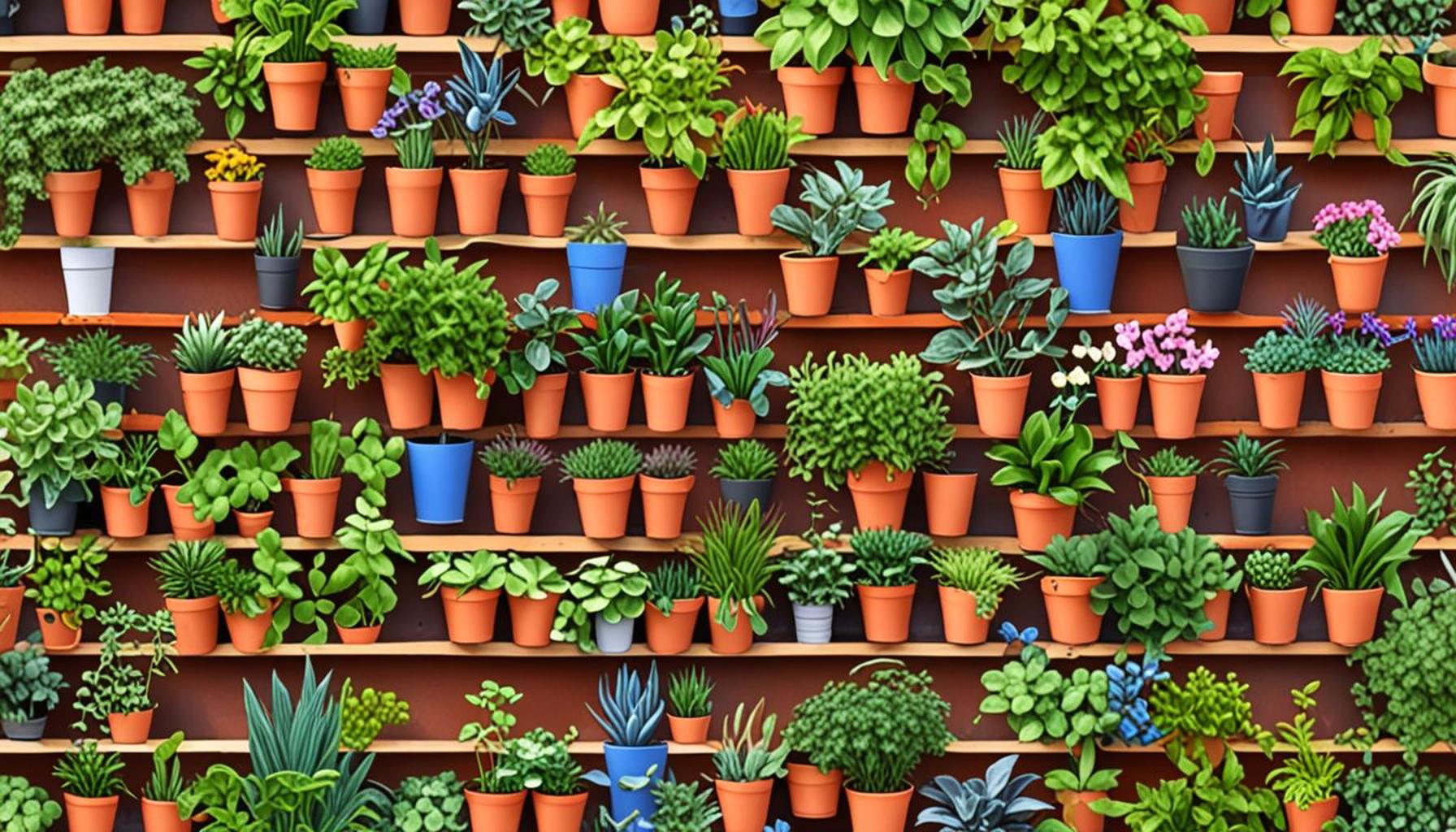
Your choice of plants will greatly influence the success of your vertical garden. The native climate of Nigeria offers a variety of plants that thrive in vertical setups. Furthermore, opting for a mix of culinary herbs, flowering plants, and even small vegetables can create a visually appealing and functional garden. Below are some plant recommendations to consider for your vertical garden setup:
- Herbs: Herbs like thyme, oregano, and basil are perfect for vertical gardening. They not only thrive in small spaces but also add delightful flavors to your meals.
- Ornamental Plants: Consider using cascading plants such as string-of-hearts or ferns to add texture and color to your wall. Their trailing nature can soften the harsh lines of the structure, making your garden look lush and inviting.
- Vegetables: If you’re interested in growing vegetables, opt for smaller varieties like cherry tomatoes, radishes, or lettuce. These can be easily maintained in vertical setups and offer a rewarding harvest right from your wall.
- Succulents: For those looking for low-maintenance options, succulents like sedum and echeveria provide stunning visual appeal with minimal watering needs.
It’s essential to mix deep-rooted and shallow-rooted plants effectively. While deep-rooted plants typically require more soil and space, shallow-rooted plants can thrive in compact areas. By diversifying plant choices, you enhance the biodiversity of your vertical garden, which can also promote better overall health by lessening the chance of diseases.
Finally, incorporating trellises or vertical supports can significantly benefit climbing plants such as beans or peas, allowing them to flourish upwards and fully utilize your wall space.
As you prepare to set up your wall garden, remember that patience and persistence are key. Vertical gardens can take time to establish, but with the right design and plant selection, you’ll create a beautiful and sustainable green space that flourishes in the heart of Nigeria’s urban environment.
SEE ALSO: Click here to read another article
Conclusion: Embrace the Vertical Gardening Movement
In summary, DIY vertical gardening not only provides an innovative solution to limited garden space but also encourages the use of sustainable materials that respect our environment. By understanding critical aspects such as sunlight exposure, accessibility, and plant selection, you’re well on your way to creating a thriving wall garden that enhances your living space and promotes biodiversity.
As you embark on this green journey, remember the delightful fusion of aesthetics and functionality your wall garden can achieve. By strategically mixing various plant types—from culinary herbs to ornamental cascades—you’re not just cultivating greens; you’re crafting a living artwork that adds charm and character to your home. Moreover, participating in the vertical gardening trend contributes to sustainable urban living, helping to combat environmental challenges while providing fresh produce right at your fingertips.
Whether you’re an experienced gardener or a novice, the adventure of setting up your vertical garden awaits. The key is to start small, stay patient, and allow your garden to flourish over time. As you nurture your plants, you’ll also develop a deeper connection to nature and the satisfaction of creating something truly impactful. Embrace the art of vertical gardening today, and watch your surroundings transform into a lush sanctuary where nature meets creativity.