Transforming Recycled Materials into Art: Sustainable DIY Projects
Creativity and Sustainability: A Symbiotic Relationship
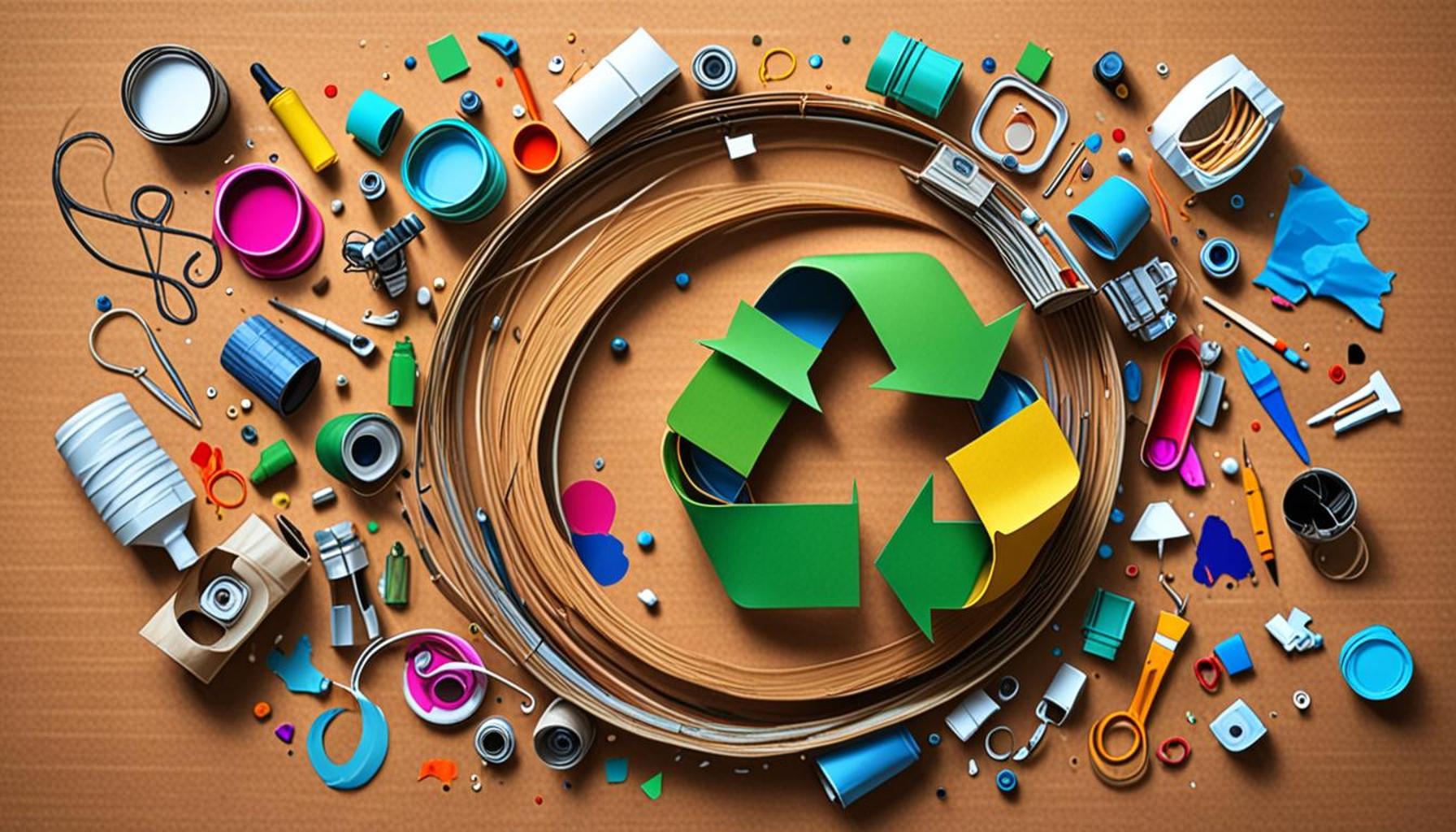
In the contemporary landscape, where environmental concern is paramount, the fusion of creativity and sustainability has birthed a powerful movement within the art community. Artists and craftspersons worldwide are transforming what many consider waste into breathtaking pieces of art. This practice not only serves as a medium for self-expression but also plays a vital role in promoting environmental stewardship.
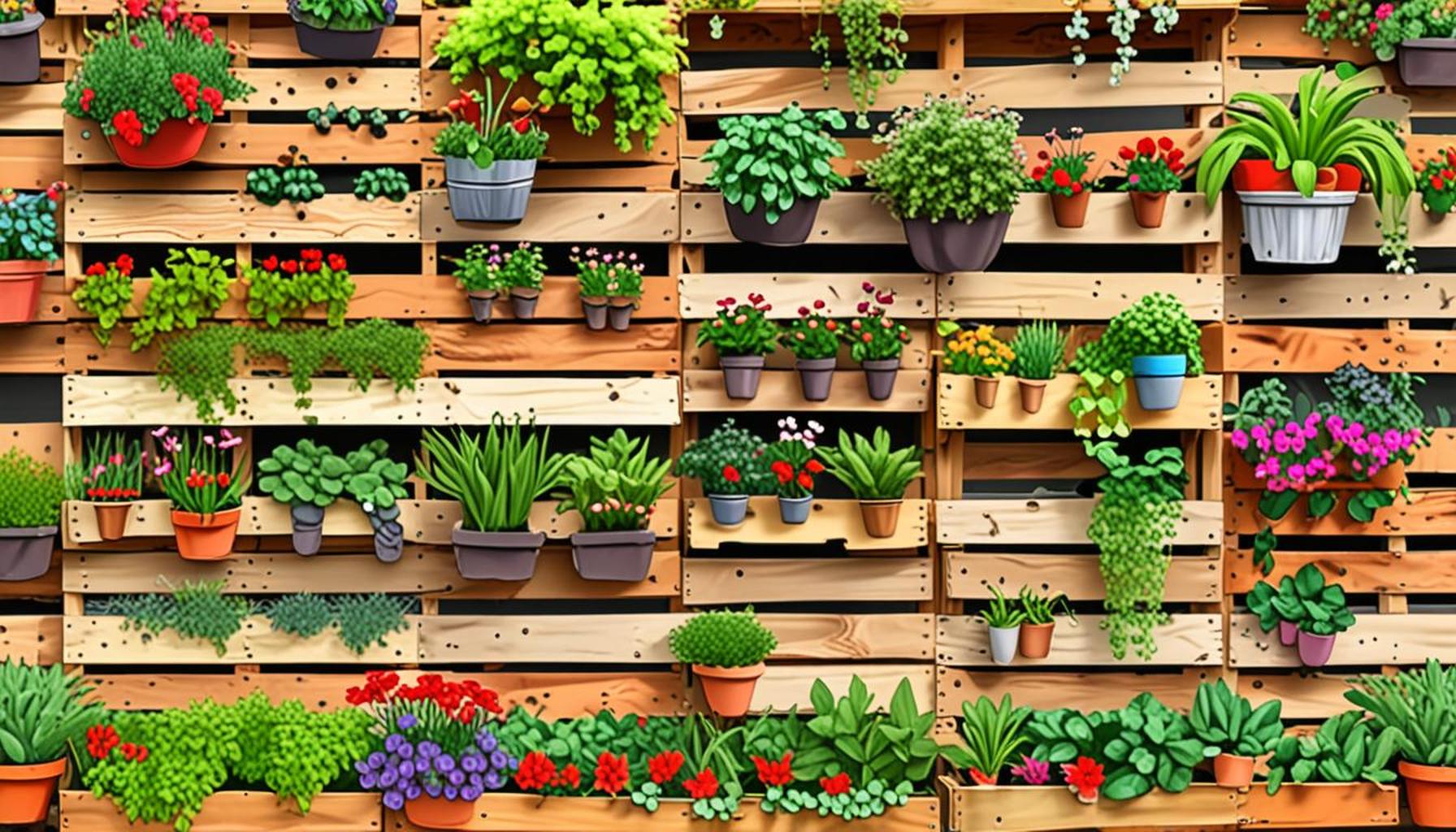
Among the plethora of materials that can be reimagined, consider the endless potential of plastic bottles. Often discarded, these items can be crafted into stunning planters that not only beautify homes but also contribute to green living. In Nigeria, it is increasingly common to see households using meticulously designed plastic bottles to create vertical gardens, maximizing space while enhancing the environment. Moreover, these planters can bring a splash of color and innovation to urban settings, transforming neglected areas into vibrant green spaces.
Old newspapers also present an exciting opportunity for artistic expression. Many artists transform these discarded pages into intricate sculptures or unique wall art. For instance, by coiling strips of newspaper and gluing them together, artisans can create eye-catching decorative items or even functional designs like baskets. This not only showcases creativity but encourages individuals to look at everyday waste with fresh eyes, thereby rethinking consumer habits.
Furthermore, wood scraps have become a staple in the creation of innovative furniture and decor. Local artisans in Nigeria are utilizing what would otherwise be considered refuse to craft bespoke furniture pieces that blend functionality with flair. Rustic chairs, tables with artistic inlays, or custom shelving units tell a story of resourcefulness while addressing the urgent need for sustainable living spaces.
The rise of this movement is not limited to individual creativity. In Nigeria, collaborative community efforts have emerged, whereby artisans share techniques and skills, fostering a sense of belonging and shared purpose. The intersection of traditional craftsmanship and modern eco-friendly practices reveals a rich culture of collaboration, igniting a collective interest in environmental responsibility.
Moreover, engaging in sustainable DIY projects can inspire a domino effect of creativity within communities. As individuals take on their own projects, they spread awareness and encourage more people to consider the impact of waste on the environment. The journey from waste to art is continuous; it cultivates a mindset that sees not only the potential in materials but also the importance of protecting the Earth.
With a plethora of resources readily available and inspiring examples around the globe, the exploration of recycled art is an exhilarating adventure full of both personal and communal rewards. Join us as we delve deeper into the world of eco-friendly projects that not only celebrate craftsmanship but also honor the planet.
LEARN MORE: This related article may interest you
Unleashing Creativity with Recycled Materials
The vision of transforming recycled materials into art breathes life into creativity while actively addressing one of the pressing issues of our time: waste management. By channeling artistic energy into sustainable DIY projects, individuals not only explore innovative concepts but also embark on a journey that contributes to environmental preservation.
To truly understand the potential of this movement, we must first delve into some of the most commonly used materials. Each of these items harbors a hidden artistic value that can be unlocked through imagination and skill.
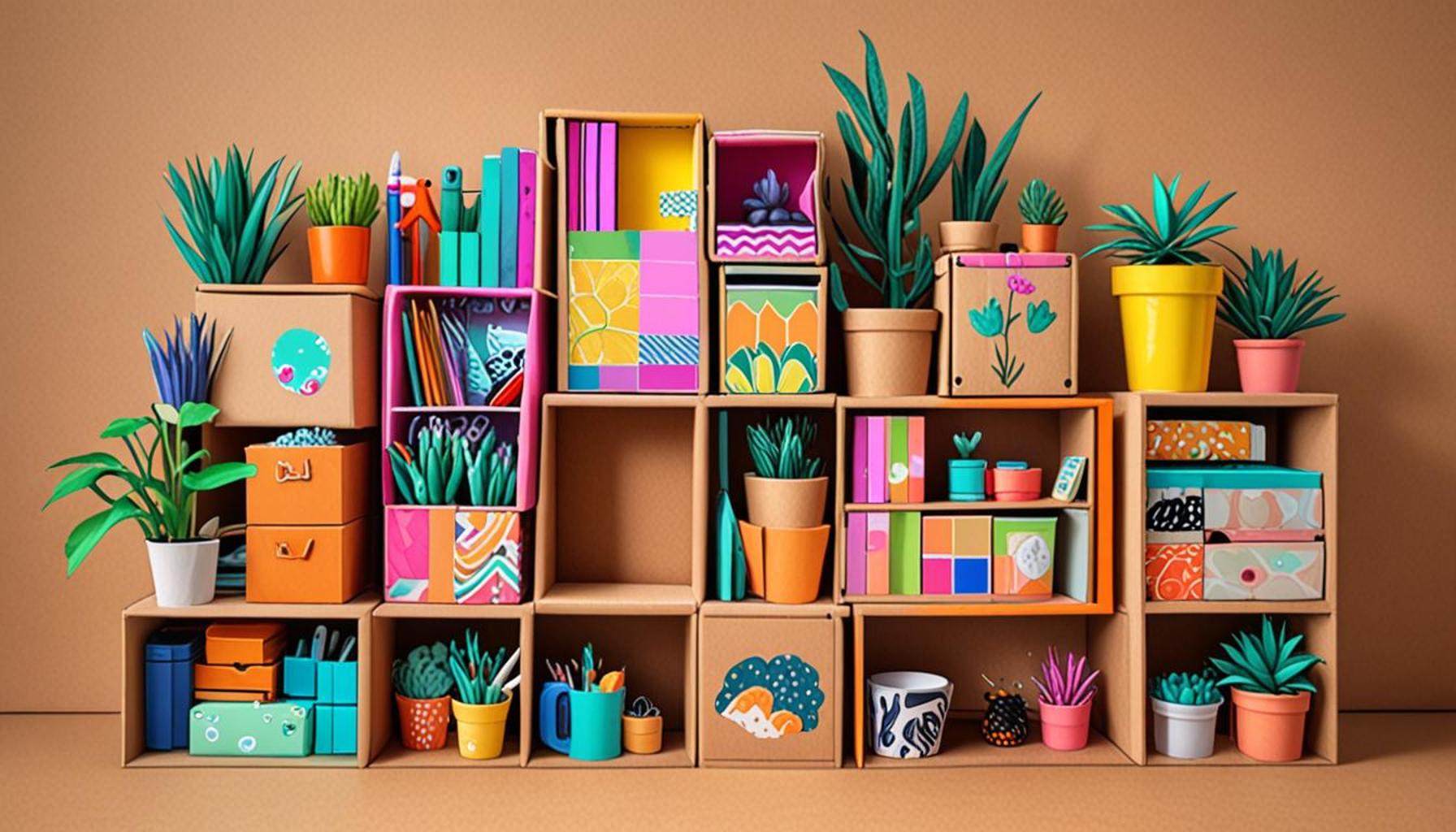
- Cardboard Boxes: Often overlooked, cardboard boxes offer a canvas for creativity. They can be repurposed into colorful storage solutions, playful toys, or even elaborate sculptures. In the bustling urban settings of Nigeria, children and adults alike are tapping into this resource for crafting everything from puppets to intricate dioramas.
- Glass Jars: Once destined for the trash, glass jars can be transformed into exquisite lanterns, drinking glasses, or even organizational tools. In homes and markets across Nigeria, decorated glass jars serve both functional and aesthetic purposes, allowing food preservation to blend seamlessly with chic home decor.
- Textiles: Old clothes and fabric scraps can be reimagined into vibrant quilts, bags, or decorative wall hangings. With traditional weaving skills, artisans in Nigeria are taking seasonal clothes that no longer fit and blending them into new handmade treasures that tell a story of sustainability and culture.
This resourcefulness speaks volumes about the culture of innovation that has taken root in communities eager to minimize their environmental footprint while maximizing creative expression. Furthermore, workshops focusing on sustainable art practices are popping up in cities across Nigeria, encouraging groups to come together and experiment with these materials. For instance, local community centers often host sessions where families can learn to create art from recycled items, fostering skills that can be passed down through generations.
The impact of these projects reverberates beyond just art creation. When individuals engage in sustainable DIY activities, they are likely to inspire others to rethink waste and adopt more eco-friendly lifestyles. This ripple effect is invaluable; it creates a sense of responsibility and shared purpose within communities, urging everyone to consider their role in safeguarding the environment.
Moreover, the adaptability of these projects means they can be scaled to fit various skill levels, making art accessible to everyone. Whether someone is a seasoned craftsman or a first-time participant, the joy of transforming trash into treasure can encourage a spirit of collaboration and shared learning within the community.
As we continue to explore the dynamic world of recycled art, it’s clear that turning waste into artistic gems is more than just a craft; it’s a movement towards a more sustainable and aware society. The next phase of this exploration will delve into specific techniques and projects that anyone can try at home, equipping you with the tools to make art that not only enhances your personal spaces but also contributes to a broader environmental legacy.
| Category | Description |
|---|---|
| Environmental Impact | Transforming waste into art reduces landfill waste and promotes sustainability. |
| Creative Expression | Allows individuals to express their creativity through unique, personalized creations made from recycled materials. |
| Community Engagement | Encourages collaboration and workshops that promote awareness of recycling and sustainability. |
| Cost-Effectiveness | Utilizing inexpensive or free materials provides affordable alternatives for art projects. |
In today’s world, the call for sustainable living grows louder, and transforming recycled materials into art offers a fascinating way to answer that call. Artists and DIY enthusiasts alike can find joy in creating striking pieces from items that would typically be discarded, showcasing both innovation and responsibility. There is a rising trend in workshops and community projects focusing on these sustainable DIY initiatives, highlighting the importance of resourcefulness. Engaging in these projects can inspire others, fostering a culture of creativity while simultaneously addressing pressing environmental concerns. Through unique artistic expressions, we not only beautify our spaces but also cultivate a mindset that values repurposing materials, drawing attention to the potential beauty of what many consider trash. This intersection of art and sustainability deserves deeper exploration as it continues to evolve, connecting individuals with their environment and each other in meaningful ways.
SEE ALSO: Click here to read another article
Innovative Techniques and Inspiring Projects
As the movement toward sustainable DIY projects grows, individuals are discovering new techniques for turning recycled materials into stunning works of art. From simple home decorations to complex sculptures, these projects encourage innovation while promoting environmental responsibility. Here are some engaging techniques and ideas that highlight how recycled materials can be transformed into impressive art pieces.
Mixed Media Art: Combining various recycled materials can produce unique and unexpected artworks. Using paper, fabric, and found objects together can create layered pieces that reflect personal stories. In Nigeria, artists are utilizing local newspapers, discarded textile pieces, and everyday items to generate mixed media collages that tell the vibrant narratives of their communities. Workshops are being organized where countless participants can unleash their imagination by crafting these one-of-a-kind pieces, making art both expressive and eco-friendly.
Upcycling Furniture: Revamping old furniture is another way to embrace sustainability while channeling creativity. Through techniques like decoupage or reupholstering with durable fabrics, discarded chairs, tables, and cabinets can be reimagined into dazzling statement pieces for the home. Local markets and communities often hold upcycling events where artisans showcase their talents, inspiring others to rethink what is considered “waste.” Individuals can flip an ordinary chair into a colorful plant stand or convert an old table into a trendy work desk, all while reducing landfill contributions.
Sculpture and Installation: Large-scale sculptures made from scrap materials can be both striking and thought-provoking. Artists in Nigeria are taking a hands-on approach by creating public installations from old tires, metal scraps, and plastic bottles. These installations serve not just as art but also as awareness tools, sparking conversations around environmental issues within urban spaces. Programs encourage community involvement in these projects, inviting citizens to contribute materials and labor, thus fostering a collective sense of ownership and pride.
Creative Home Decor: Beyond traditional art pieces, recycled materials can be integrated seamlessly into home decor. Items like tin cans can be transformed into charming plant pots, while plastic bottles can become colorful hanging planters. From simple light fixtures crafted from repurposed kitchen items to wall hangings made from reclaimed wood, the possibilities are endless. In various neighborhoods, residents are sharing hacks on social media, utilizing platforms like Instagram and Facebook to inspire others to adopt sustainable practices in home styling.
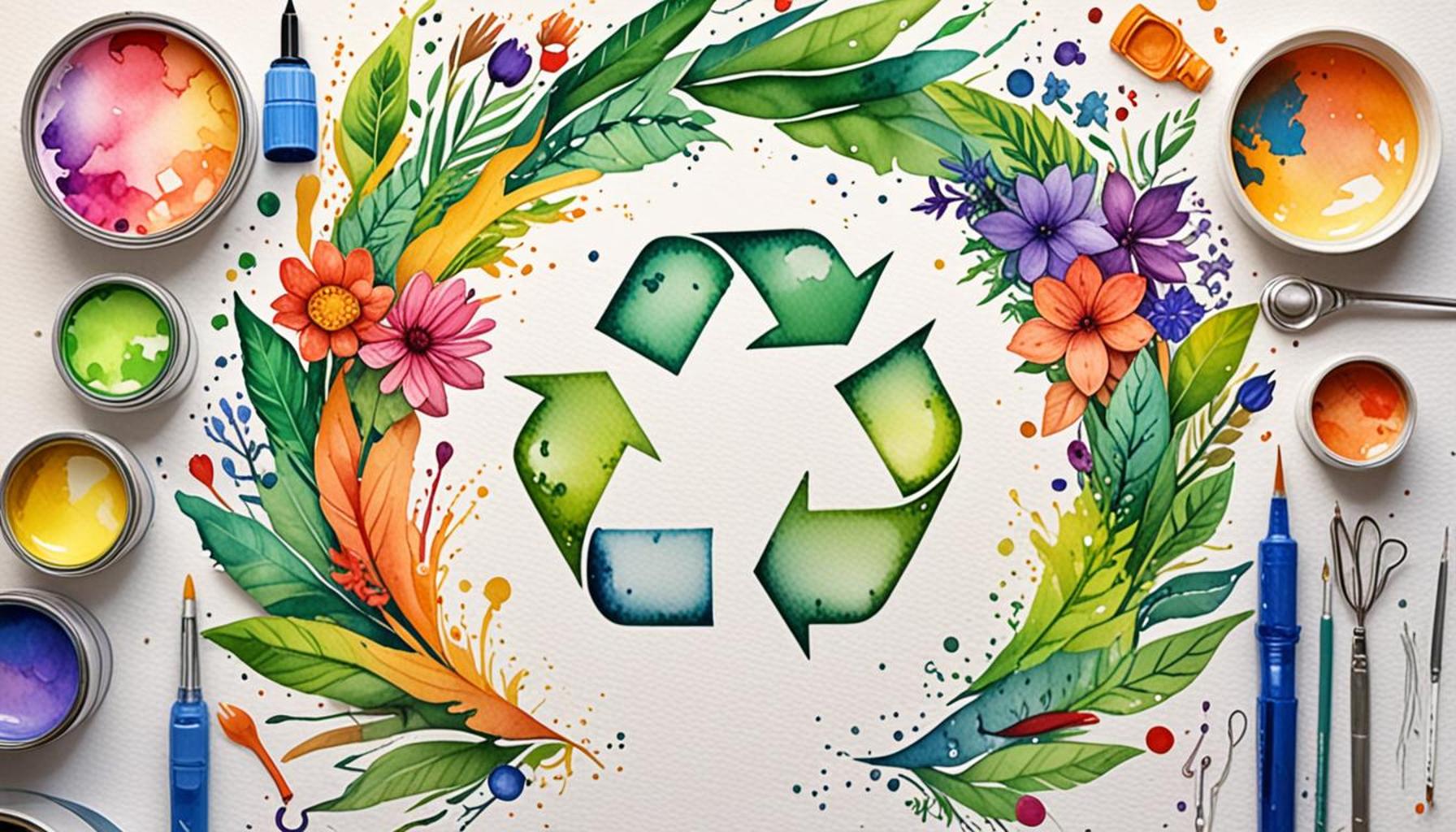
Collaborative Art Projects: The trend of creating collaborative art projects from recycled materials encourages community engagement and fosters a shared vision of sustainability. Several community centers and schools in Nigeria are organizing collaborative mural projects, encouraging participants to use recycled paints, paper, and other materials to depict themes of unity and environmental stewardship. These murals not only brighten neighborhoods but also serve as visual reminders of the community’s commitment to sustainability, driving future generations to appreciate and continue this art form.
With the right tools and inspiration, anyone can dive into the world of transforming recycled materials into captivating art. These projects not only beautify our surroundings but also serve as potent reminders of the importance of sustainability. As more individuals craft their artistic paths using materials that would otherwise be wasted, they challenge us all to reconsider our relationship with consumption and waste. Through collective creativity, we can inspire change and pave the way for a more sustainable future, using art as a powerful medium for advocacy and connection.
CHECK OUT: Click here to explore more
Conclusion: Art Meets Sustainability
In concluding our exploration of transforming recycled materials into art, it is evident that this movement is more than just a creative outlet; it is a call to action for sustainability. The techniques discussed, from mixed media art to upcycling furniture and collaborative projects, not only enhance our living spaces but also highlight our collective responsibility towards the environment. Communities across Nigeria are embracing these sustainable DIY projects, breaking the traditional notions of art, and reinforcing the idea that discarded items can hold new beauty and purpose.
Moreover, this artistic endeavor fosters a deeper connection among individuals, encouraging collaboration and dialogue around pressing environmental issues. As artists utilize local resources, they craft narratives that resonate with cultural relevance and inspire future generations to advocate for sustainability. The role of social media in sharing creative home decor hacks and innovative sculptures cannot be understated, as it amplifies the reach and impact of these initiatives.
Ultimately, each project serves as a stepping stone toward a more sustainable lifestyle, where creativity converges with environmental consciousness. So, whether you’re a seasoned artist or a DIY novice, we encourage you to delve into the world of sustainable DIY projects. By breathing new life into recycled materials, you contribute not only to your personal expression but also to a vital global narrative advocating for a greener planet. Let your imagination run wild and be a part of this transformative journey!