The Role of Music in the Construction of Cultural Identity among Nigerian Youth
Exploring the Influence of Music on Cultural Identity
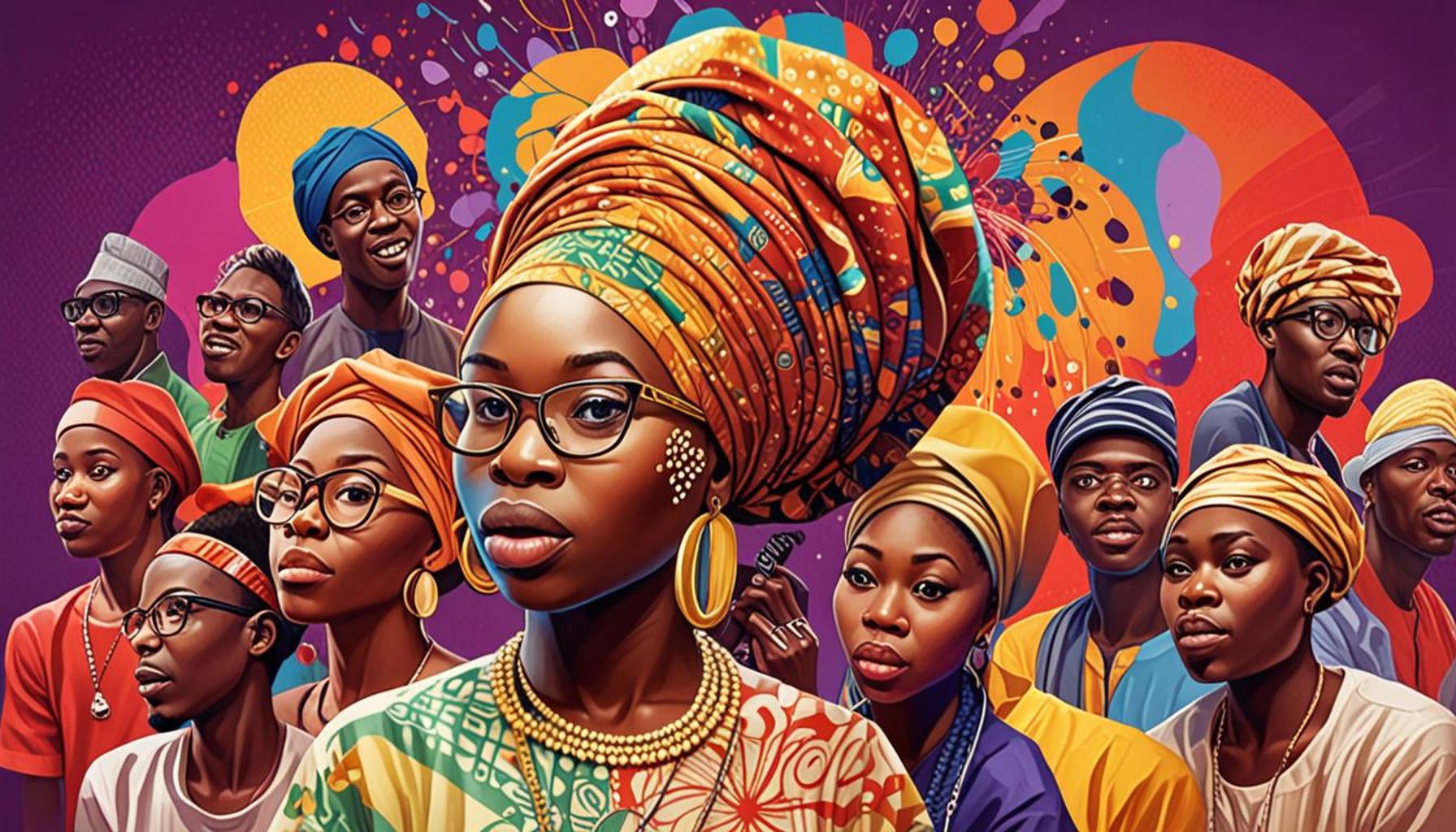
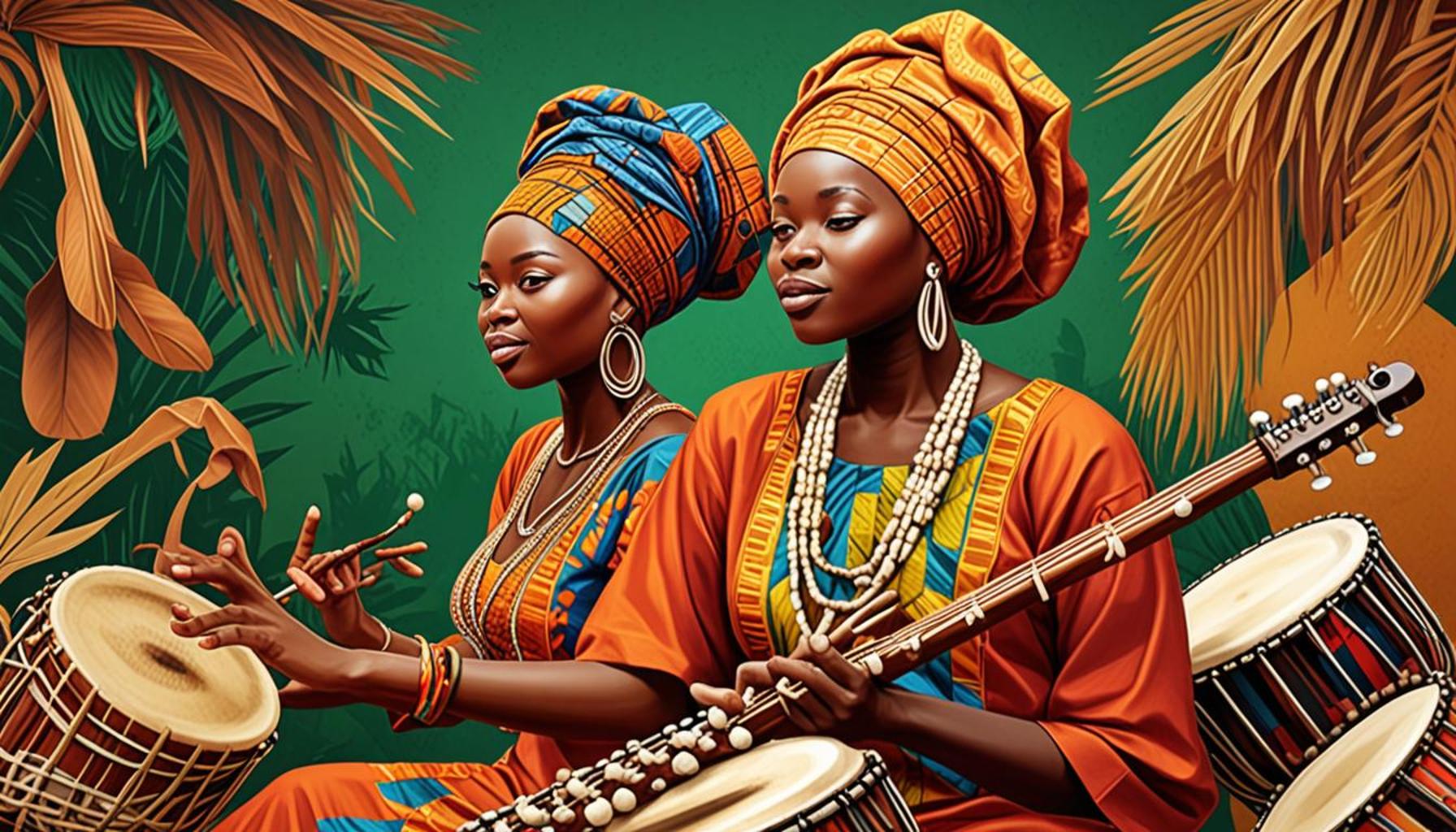
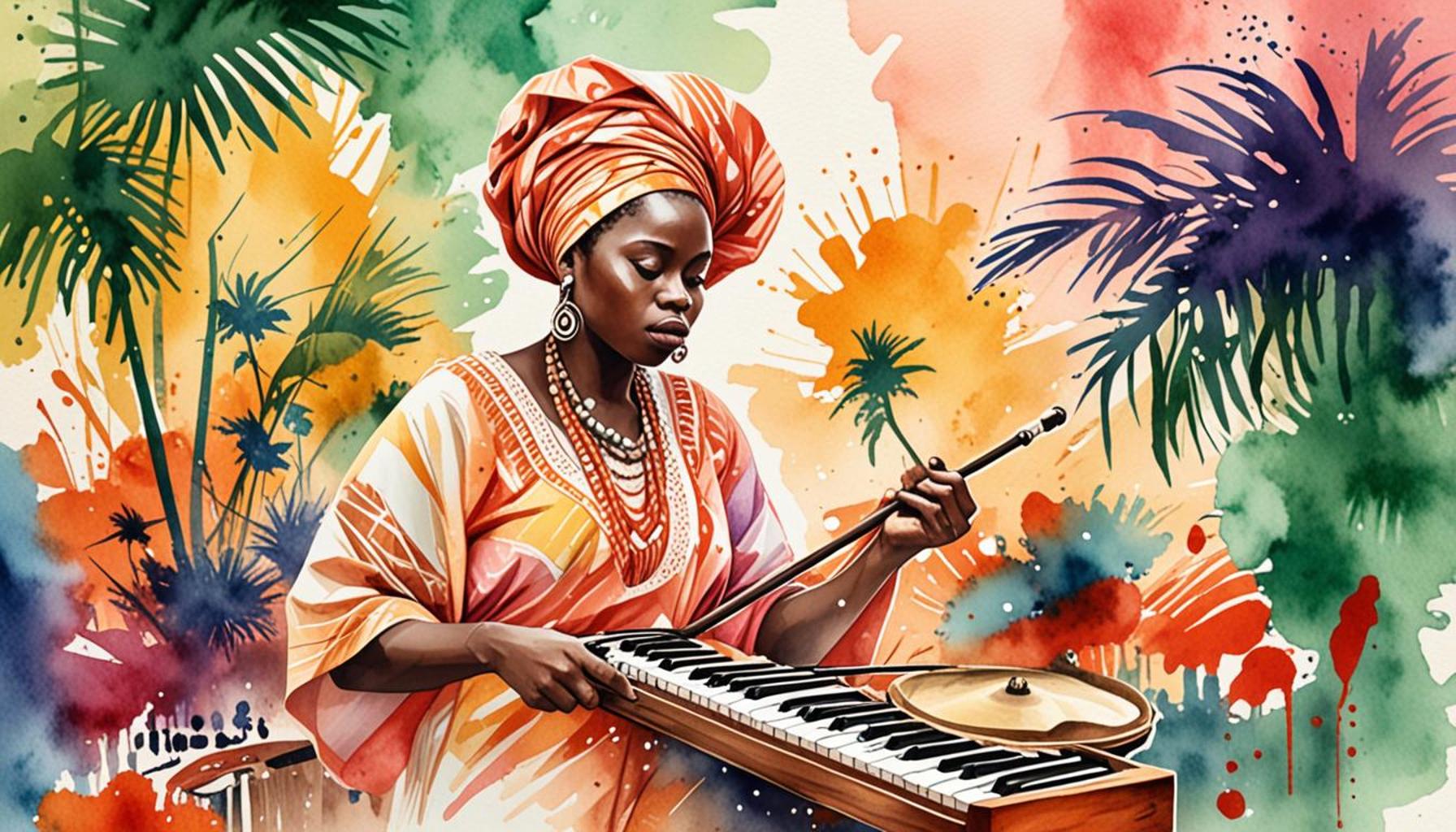
In Nigeria, music is more than just entertainment; it is a vital thread woven deeply into the fabric of cultural identity. For Nigerian youth, it serves as a powerful medium of expression, shaping their understanding of self and community. The pulsating rhythms of Afrobeats, highlife, and traditional folk songs resonate not only in homes but also across the globe. These musical genres serve as a reflection of the complex societal narratives and the rich tapestry of Nigeria’s diverse cultures.
Music impacts cultural identity through various dimensions, including:
- Representation: Nigerian artists like Burna Boy, Wizkid, and Tiwa Savage reflect and celebrate the rich diversity of Nigeria’s ethnic groups. Through lyrical storytelling, they bring attention to regional dialects and cultural specifics, showcasing everything from the vibrancy of Yoruba traditions to the rich history of the Igbo people. This representation not only enlightens listeners about different cultures within Nigeria but also fosters pride among the youth, prompting them to embrace their heritage.
- Connection: Music fosters a sense of belonging among youth, linking them to their roots. For instance, many young Nigerians resonate deeply with songs that incorporate traditional languages and proverbs, helping them establish an emotional connection with their cultural heritage. This connection is palpable in communal gatherings, where traditional music plays a pivotal role in ceremonies, weddings, and festivals, reinforcing community ties and the values passed down through generations.
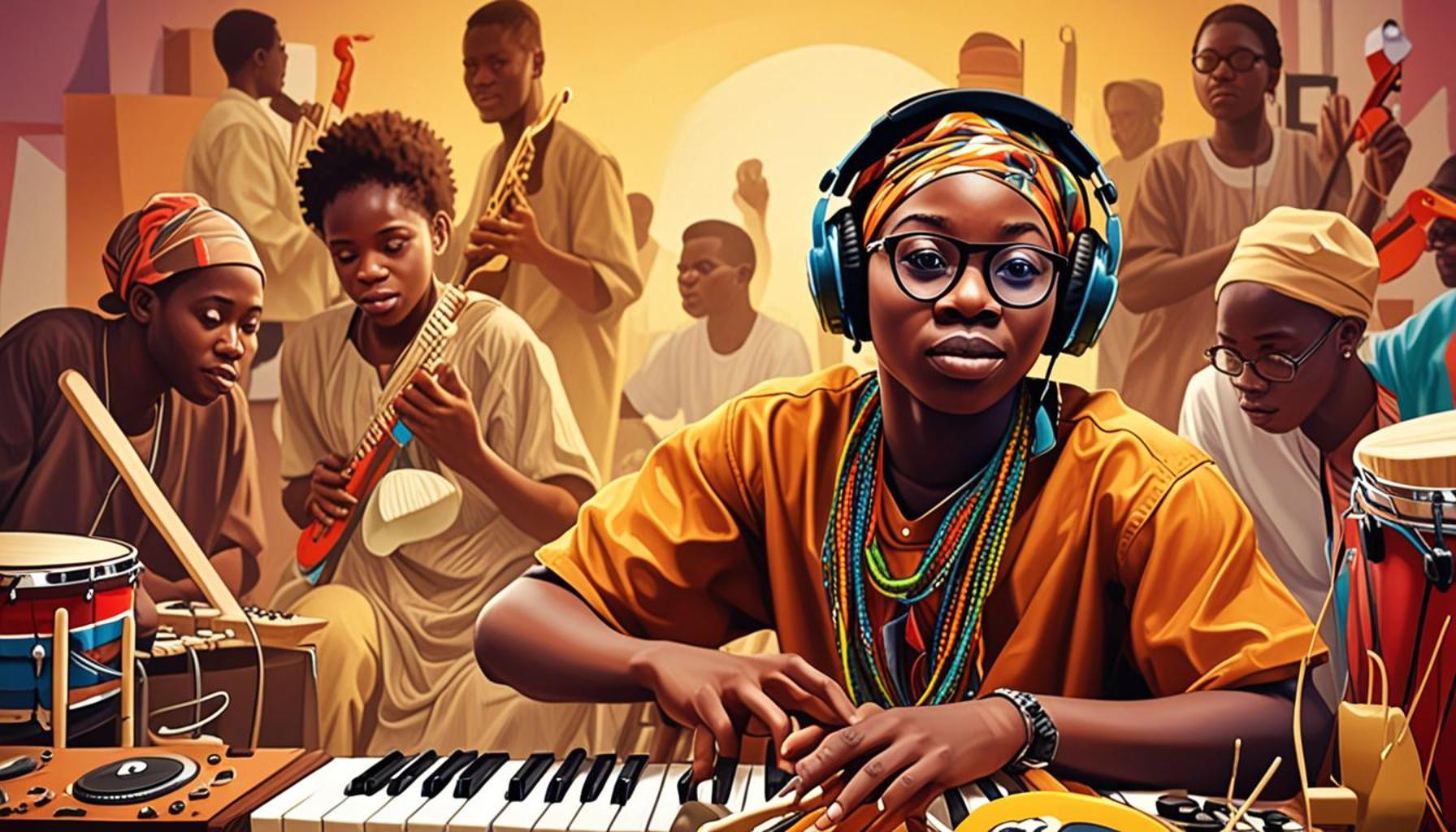
- Innovation: Contemporary sounds blend traditional elements, showcasing evolution within cultural narratives. As musicians experiment with genres, such as the fusion of hip-hop and Afrobeats, they create a new sound that captivates audiences while retaining their cultural essence. This innovation reflects the adaptations of cultural identity, demonstrating how it evolves in the face of globalization and technological advancements.
As Nigerian youth navigate modernity, music provides them with a platform to voice their aspirations and challenges. Genres such as hip-hop and Afrobeats have transformed into vehicles for discussing social issues, uniting young people under shared experiences. Songs addressing unemployment, police brutality, and societal expectations resonate deeply with listeners, serving as anthems for activism and change. This dynamic interaction highlights the transformative role of music in cultural identity construction.
Delving into this phenomenon reveals how these young voices are shaping Nigeria’s future while staying grounded in their rich heritage. Through music, they find ways to interweave tradition and modernity, crafting a unique identity that acknowledges the past while boldly facing the future. As we explore the trajectory of this relationship, readers will uncover stories of inspiration and creativity that define the essence of Nigerian youth today. Ultimately, music stands as a beacon of hope, resilience, and a testament to the enduring spirit of Nigeria’s diverse populace.
LEARN MORE: This related article may interest you
The Power of Music as a Cultural Bridge
Music has long played a transformative role in shaping cultural identity, particularly among Nigerian youth. As they grapple with the influences of globalization and modernity, the sounds that fill their playlists often reflect both their heritage and their aspirations. Contemporary genres have emerged as more than just artistic forms of expression; they have evolved into a means through which young Nigerians can assert their cultural identity and cultural pride. The integration of local languages, styles, and narratives into the music they consume symbolizes a bridge between the past and the present.
The dynamic rhythms of Nigerian music capture a tapestry of experiences, igniting a sense of community among youth. Here are some essential aspects of how music acts as a cultural bridge:
- Emotional Resonance: Songs that evoke shared feelings or experiences create a music-driven community. Consider the widespread popularity of songs like “This Is Nigeria” by Burna Boy, which resonates on multiple levels—addressing societal challenges while uplifting listeners with its engaging beat. This emotional resonance fosters a sense of belonging, as young Nigerians find solidarity in narratives that mirror their realities.
- Historical Context: Music often serves as a repository of history, capturing events, struggles, and triumphs. The highlife and juju genres, for instance, not only entertain but also educate listeners about significant events in Nigerian history. By exploring these musical traditions, young people can gain a greater appreciation for their lineage, fostering a deeper understanding of where they come from. This knowledge becomes a vital part of their cultural identity.
- Identity Expression: Artists like Wizkid and Tiwa Savage use their platforms to express cultural pride and individual identity. Their music often comprises an amalgamation of styles and themes that reflect contemporary Nigerian life, addressing issues faced by the youth. Their popularity encourages young listeners to explore and embrace their cultural roots, fostering a sense of personal and collective identity.
Moreover, the fusion of traditional sounds with modern beats illustrates the adaptability of cultural identity. As artists innovate and explore different genres, they bring traditional elements into the contemporary scene, ensuring that the essence of Nigerian culture remains at the forefront even as it evolves. This inventive approach invites youth to engage with their heritage actively, redefining what it means to be Nigerian in a globalized world.
As conversations around cultural identity continue to evolve, music stands as a vital contributor to this discourse. The narratives embedded within songs provide a framework for young Nigerians to explore their identities while navigating the complexities of modern life. Through melodies and lyrics, they express their aspirations, frustrations, and interconnectedness, reinforcing the undeniable influence music has in the construction of their cultural identity.
The Influence of Music Genres on Cultural Identity
Music serves as a vital conduit for Nigerian youth to express and shape their cultural identity. Various genres, such as Afrobeat, Highlife, and traditional folk music, play distinct roles in reflecting the multifaceted identities of Nigerian society. In the urban landscapes of Lagos and Abuja, Afrobeat, spearheaded by artists like Fela Kuti and Burna Boy, has emerged as a powerful voice, intertwining social commentary with rhythms that resonate with the youthful spirit. This genre not only promotes cultural pride but also fosters a sense of community among young people who share similar backgrounds or experiences. The increasing availability of music through digital platforms has further amplified this effect. Genres traditionally tied to specific ethnic groups, such as Gwoza among the Kanuri people or Ekombi from the Efik community, are now accessible to a broader audience. This digital dissemination enables Nigerian youth to explore their roots, thereby enriching their cultural identity through diverse musical influences.
Music as a Tool for Social Change
In addition to personal expression, music also acts as a catalyst for social change among Nigerian youth. Artists often address pressing issues, such as corruption, gender inequality, and youth unemployment, highlighting the challenges facing their generation. Songs like “Another One” by Nasty C resonate deeply with the frustrations and aspirations of a young audience that seeks to effect change. Moreover, the incorporation of indigenous languages in lyrics fosters a deeper connection to cultural heritage. By promoting local dialects, these songs not only preserve linguistic diversity but also encourage pride in cultural origins. This element of music contributes significantly to the formation of a collective identity, allowing youth to articulate their struggles, desires, and dreams through a culturally relevant medium.
Community Engagement and Networking Through Music
Participating in music-related events, from local concerts to cultural festivals, enhances social cohesion among Nigerian youth. These gatherings serve as platforms where individuals from various backgrounds come together, fostering an environment of kinship and mutual understanding. Networking through these events helps young people build relationships that transcend ethnic and cultural boundaries, creating a cohesive societal fabric. Furthermore, music collaborations among artists from different regions are becoming increasingly common. Such partnerships symbolize unity and collaboration, reflecting a modern perception of cultural identity that embraces diversity. This blending of styles and influences not only enriches the musical landscape but also nurtures a more inclusive identity among Nigerian youth, empowering them to transcend traditional cultural constraints.The role of music in shaping the cultural identity of Nigerian youth is multi-dimensional, encapsulating personal expression, social awareness, and communal ties. The rich tapestry of musical influences acts as both a mirror and a mold, helping young Nigerians define who they are in a rapidly evolving world. Each note and lyric ultimately contributes to a vibrant cultural narrative that continues to evolve with each generation.
RECOMMENDED: Check out this similar article
The Influence of Music on Social Movements and Cultural Consciousness
In recent years, music has become a powerful vehicle for social movements among Nigerian youth, reflecting their desire for change and the pursuit of cultural consciousness. From the anti-establishment anthems of the Afrobeats genre to the protests embedded in hip-hop, Nigerian artists have harnessed the power of music to voice resistance against inequality, corruption, and societal issues that affect their lives directly. This vocalization of collective concerns not only fosters a deeper sense of cultural identity but also galvanizes youth engagement in social change.
One poignant example is the impact of the #EndSARS movement, which gained considerable traction through music. Artists like Boj and Runtown released songs that spoke to the struggles faced by young Nigerians, highlighting issues of police brutality and governmental oppression. Their music became the soundtrack of a generation yearning for justice, effectively intertwining their artistic expression with activism. This synergy has ensured that the messages resonate powerfully, allowing the young populace to rally around a unified vision and commitment to their cultural ethos.
The relationship between music and identity extends to how genres serve as cultural signifiers. For instance, the rising prominence of genres like Amapiano and Alté is reshaping the music scene and cultural landscape, providing a platform for self-expression and experimentation while maintaining ties to traditional Nigerian sounds. Artists embodying the Alté movement use their music to challenge normative boundaries surrounding identity, gender, and socio-political issues, encouraging youths to redefine their cultural narrative and embrace uniqueness.
- Cultural Representation: Through music videos and performances, Nigerian artists showcase diverse cultural practices, fashion, and languages, fostering representation across different ethnic groups. This visibility promotes inclusivity and showcases the rich tapestry of Nigeria’s cultural heritage, allowing youths from various backgrounds to feel proud of their identity.
- Community Building: Collaborative projects among artists from various genres demonstrate the power of unity within diversity. Such collaborations not only strengthen networks of support but also celebrate the multifaceted nature of Nigerian identity, encouraging young listeners to connect with one another through shared musical experiences.
- Global Recognition: The international success of Nigerian artists has helped elevate the perception of Nigerian culture worldwide. With musicians like Davido and Tiwa Savage charting globally, their work resonates not just locally but also in the diaspora, reaffirming the cultural identity of Nigerian youth living abroad and establishing their place in a global cultural conversation.
As Nigerian music continues to evolve, its power in shaping cultural identity remains undeniable. The intertwining of music with activism and identity claims creates an ongoing dialogue that reflects the real experiences of youth in 21st-century Nigeria. This complex relationship encourages an exploration of heritage while embracing modern influences, solidifying the role of music as an indispensable tool for cultural identity construction among Nigeria’s youth.
ADDITIONAL INSIGHTS: Expand your understanding here
Conclusion
In summary, it is evident that music plays a pivotal role in the construction of cultural identity among Nigerian youth. Through its multifaceted expression, music not only entertains but also serves as a medium for social commentary and the articulation of collective experiences. As explored, genres such as Afrobeats, Amapiano, and Alté resonate deeply within the fabric of Nigerian society, reflecting the diverse traditions, struggles, and aspirations of the youth.
The impact of movements like #EndSARS underlines the profound connection between music and activism, showcasing how songs can give voice to dissent and unite communities in the pursuit of justice and equality. Moreover, the commitment of Nigerian artists to cultural representation allows for a celebration of Nigeria’s rich heritage, fostering a sense of belonging and pride among young people from various backgrounds.
As Nigerian youth continue to harness the power of music to define their identities, it is crucial to acknowledge that this cultural landscape is ever-evolving. The embrace of modern influences alongside traditional roots enables a dynamic reimagining of what it means to be Nigerian today. Thus, as these young individuals navigate their way through local and global contexts, music stands as a vibrant testament to their lived realities, aspirations, and the ongoing dialogue surrounding their cultural identity.
Exploring this rich intersection of music, culture, and identity not only broadens our understanding of Nigerian youth but also invites further inquiry into how these themes resonate within the global cultural narrative. As we witness the continued rise of Nigerian artists on the world stage, the future of musical expression in shaping cultural identity appears incredibly promising.