The Intersection of Music and Visual Arts in Nigerian Culture
Exploring Cultural Synergy
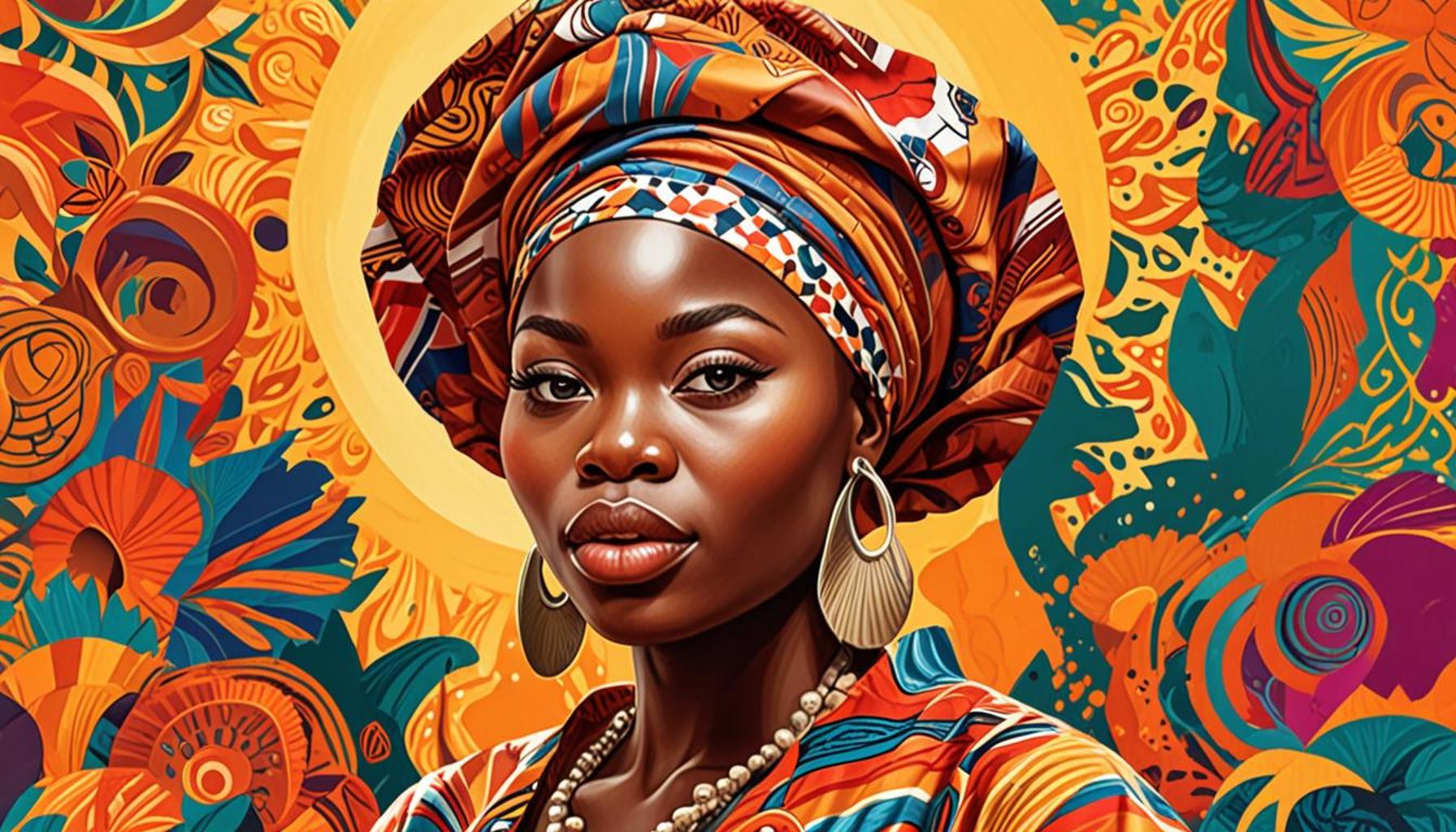
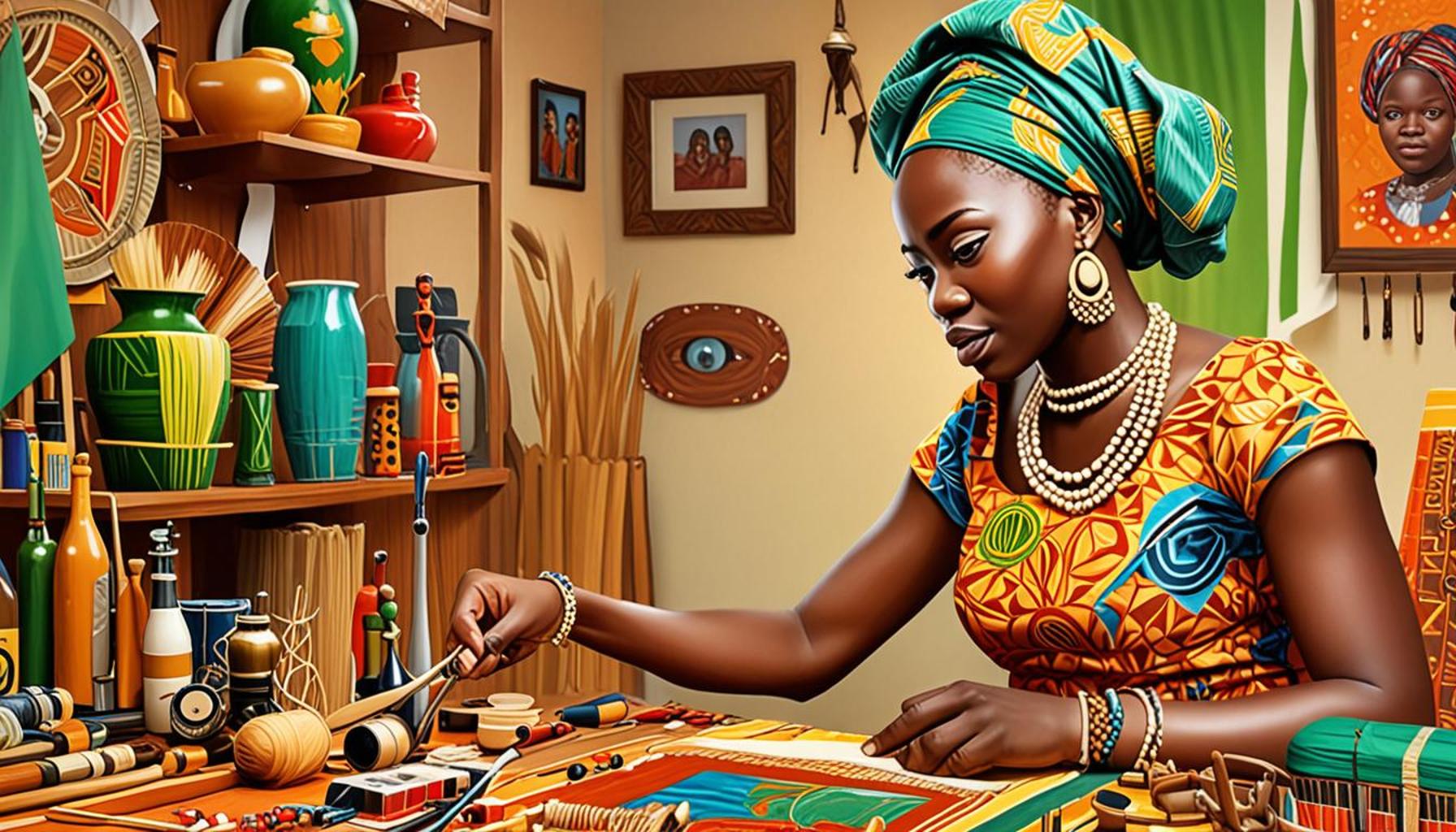
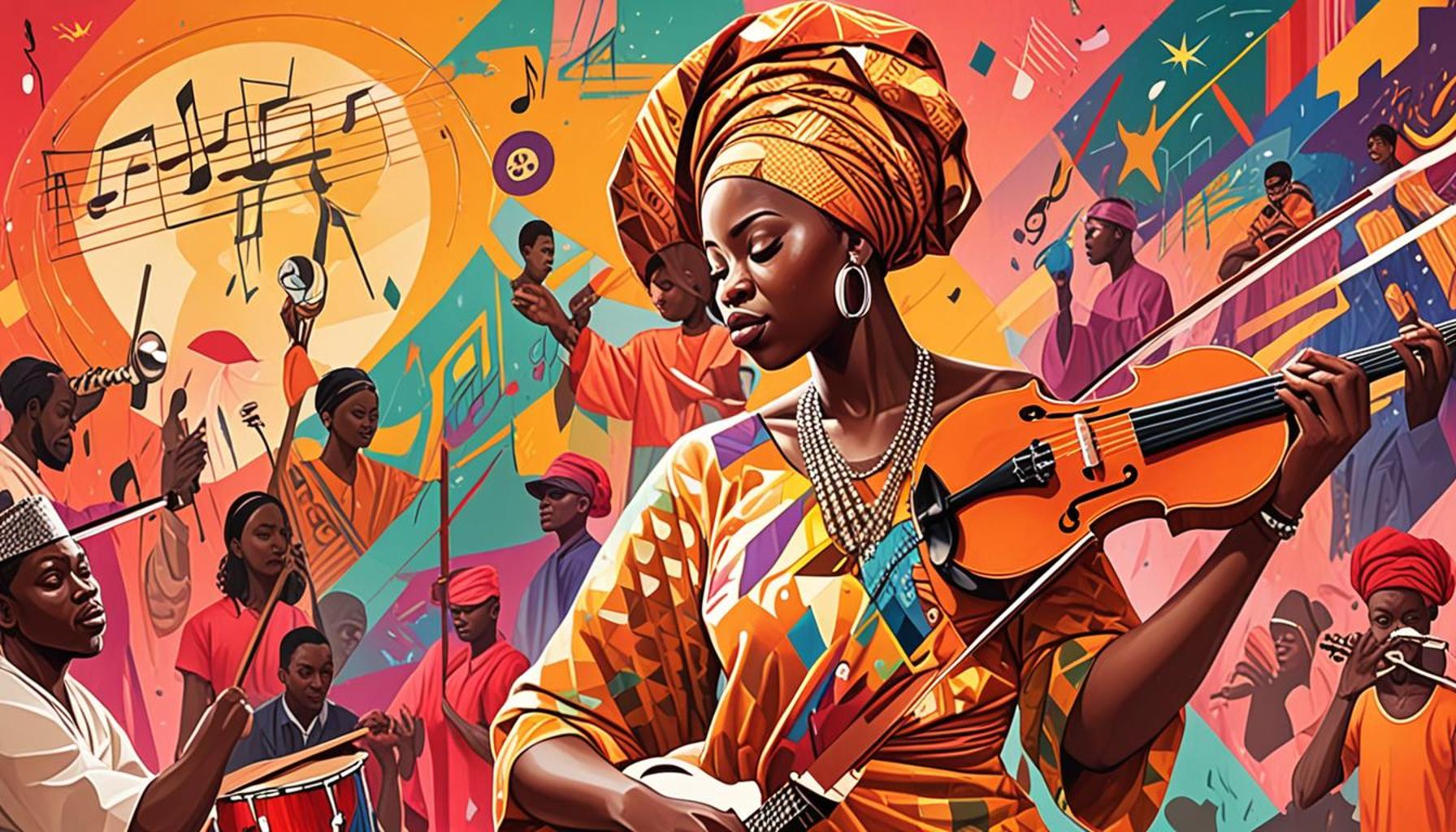
In Nigeria, the vibrant tapestry of culture intricately weaves together music and visual arts in ways that resonate deeply with the rich heritage of its people. These forms of expression are more than mere art; they serve as powerful tools of storytelling, identity, and community bonding. Their synergy offers a unique lens through which to explore both traditional customs and contemporary influences, creating a rich dialogue between the past and present.
Several key elements define the intersection of these art forms, each showcasing the dynamic and multifaceted nature of Nigerian culture:
- Traditional Festivals: Events such as the Osun-Osogbo Festival exemplify the seamless blending of performances and visual art. During this festival, sacred rituals are accompanied by colorful displays of traditional attire, drumming, and singing, with artists creating temporary shrines and sculptures that tell the stories of the Osun goddess. This vibrant event not only strengthens community bonds but also acts as a platform for various art forms to flourish.
- Artistic Collaborations: The collaboration between celebrated artists and musicians fosters innovative projects that elevate both disciplines. For example, the fusion of music videos with striking visual art can bring folk tales to life while also addressing contemporary issues. A notable instance is the work of musicians like Burna Boy, whose videos often incorporate elements of traditional Yoruba art, thus bridging generational and cultural gaps.
- Influential Genres: Musical styles such as Afrobeats are not only revolutionizing the soundscape of Nigeria but are also visually represented through vibrant album art. Artists like Wizkid and Davido utilize graphics that reflect the energy of their music, portraying narratives rich in local color and cultural symbolism. This not only enhances the listening experience but also connects listeners more intimately with the essence of Nigerian culture.
The advancement of technology plays a pivotal role in this cultural intersection as well. Social media platforms have revolutionized how Nigerian artists showcase their talents, allowing them to reach global audiences with unprecedented ease. For instance, with platforms like Instagram and TikTok, artists can quickly share their creations, leading to a cross-pollination of ideas and styles that fosters innovation and creativity. As cultural narratives circulate globally, they frequently evolve and adapt, reflecting the dynamic nature of Nigerian culture.
This article invites readers to delve into the intricate relationship between music and visual arts in Nigeria, unveiling the interplay that enriches the country’s artistic landscape. By examining this dynamic history, one can appreciate the innovative expressions that continually define Nigeria. The exploration not only celebrates the past but also highlights the possibilities inherent in the future of Nigerian art and culture.
ADDITIONAL INSIGHTS: Expand your understanding here
A Cultural Melting Pot
The synergy between music and visual arts in Nigeria creates a vibrant cultural landscape that reflects the diverse and rich heritage of its people. This intersection is evident across numerous domains, where each form complements and enhances the other, fostering an environment ripe for creative expression and communal identity.
One of the most significant manifestations of this fusion can be observed in the colorful murals and street art that adorn the urban landscapes of cities like Lagos and Port Harcourt. These artists often draw inspiration from Afrobeat rhythms and indigenous sounds, integrating musical themes into their visual representations. For instance, the famed street artist Femi Oshin breathes life into his murals by incorporating sound elements from local music, creating a dynamic relationship between his artwork and the pulsating urban soundscape.
Moreover, local exhibitions and shows regularly highlight how music can influence visual artistry. Events such as the Art TwentyOne: Lagos Art and Music Festival showcase a variety of performances alongside visual installations. This multidisciplinary approach encourages collaboration amongst artists and musicians, fostering connections that transcend traditional boundaries. The result is a celebratory atmosphere where creativity flourishes, illustrating the essential interdependence of these disciplines.
- Exhibitions and Installations: Contemporary Nigerian artists often utilize soundscapes in their installations, effectively merging audio and visual art. Works by artists like Yinka Shonibare not only reflect historical narratives but also incorporate musical elements that enhance the storytelling aspect, leading viewers on an immersive journey.
- Music and Poetry: The spoken word movement in Nigeria serves as a vital link between music and visual expression. Poets such as Wole Soyinka and Chris Abani often create verses that are inspired by musical rhythms, further exemplifying the fusion of these art forms. Poetry readings can even become performance art pieces, where the visual aspect is as crucial as the auditory experience.
- Dance as Visual Art: Traditional dances like the Masquerade Festivals showcase the importance of choreography as a visual art form. Costumes, body movements, and rhythms combine to create a kinetic painting that expresses stories and cultural values. The interplay between music and visual art in these performances captivates the audience and retains cultural narratives.
The narratives generated through the combination of music and visual art extend beyond the confines of galleries and concert halls; they foster deeper connections within communities. Such collaborations also challenge societal norms and reflect contemporary issues faced by the populace, making the interplay relevant and essential to understanding Nigeria’s cultural identity. As audiences increasingly engage with these artistic expressions, the conversation around the intersection of music and visual arts continues to evolve, pushing the boundaries of both forms into new realms of creativity.
| Category 1 | Category 2 |
|---|---|
| Cultural Festivals | Nigerian culture showcases a vibrant mix of music and visual arts during festivals like Osun-Osogbo and Calabar Carnival. |
| Artistic Collaboration | Collaborations between musicians and visual artists create unique multisensory experiences that reflect Nigeria’s rich heritage. |
In the context of Nigerian culture, cultural festivals serve as a magnificent platform where the intersection of music and visual arts thrives. Events like the Osun-Osogbo festival are not only a celebration of spirituality and community but also a vivid display of traditional visual arts, reinforcing the significance of music in ritualistic performances. These festivals allow artists to showcase their talents, including drumming, dancing, and the creation of intricate sculptures and paintings, all contributing to a holistic cultural experience.Moreover, artistic collaborations play a crucial role in this fusion. Musicians team up with painters, sculptors, and digital artists, resulting in a captivating blend of sounds and visuals. This dynamic interplay not only enhances the cultural narrative but also propels the global visibility of Nigerian art. Such collaborations often bring forth innovative art forms that challenge boundaries and encourage the younger generation to engage in their cultural heritage while pushing creative limits. The synergy created through these artistic partnerships is a testament to how deeply music and visual arts are intertwined within the intricacies of Nigerian culture.
RECOMMENDED: Check out this similar article
Celebrating Heritage Through Performance and Aesthetics
The fusion of music and visual arts is not only a hallmark of Nigerian contemporary culture but also an embodiment of the country’s rich artistic heritage. Traditional festivals across Nigeria serve as magnificent showcases of this synergy, where music, dance, and visual elements merge to deliver vibrant experiences. Events such as the Durbar Festival and the Osun-Osogbo Festival illustrate how performance art acts as a canvas, depicting historical narratives and cultural values through a multifaceted lens.
During the Durbar Festival, ornate horsemen parade in elaborate traditional garments that are eye-catching and symbolic. The unique costumes designed for these riders draw attention not just for their aesthetic beauty but also reflect the beating rhythms of drumming and trumpet music associated with the festival. This intermingling of sound, movement, and visual splendor serves as a powerful reminder of the deep connections that bind Nigerian identities.
Innovative Collaborations
Contemporary Nigerian artists are increasingly adopting innovation as they navigate the intersections of these diverse art forms. Exhibitions at renowned institutions, such as the Nigerian National Museum and Art TwentyOne, spotlight artists who synthesize music and visual art through innovative platforms. Installations often feature live musical performances that resonate with the visual components on display, encouraging dynamic interactions between the audience, the artists, and the artwork itself.
Artists like Njideka Akunyili Crosby employ mixed media approaches, where her visual representations are embedded with cultural references and musical influences. Her work is a sensory exploration that melds the rhythms and sounds of Nigerian life with the aesthetics of both her homeland and modern influences, leading to a broadened understanding of identity in contemporary Nigeria.
Fashion as Visual Expression
The world of Nigerian fashion further exemplifies the relationship between music and visual arts. In recent years, several fashion designers have collaborated with musicians to create clothing lines inspired by musical themes. Fashion shows often incorporate live performances, reinforcing this symbiotic relationship. Designers like Lisa Folawiyo have taken traditional African motifs and blended them with modern aesthetics, inspired by the nation’s music scene, which celebrates a variety of genres from highlife to hip-hop.
Fashion, in this context, becomes not only a mode of self-expression but also a visual representation of musical cultural narratives. This is displayed vividly during events like the Lagos Fashion Week, where runway music selections are often curated to enhance the visual impact of the clothing on display, demonstrating how clothing can narrate a story through both sound and sight.
Youth and Social Change
The youth play a pivotal role in the intersection of music and visual arts, leveraging social media platforms such as Instagram and TikTok to share their creative expressions. Emerging artists and performers utilize these channels to spark conversations around social issues, often merging their visual art with sound and lyrical content that resonate with their experiences and aspirations. This engagement is not merely artistic; it serves to redefine the cultural landscape while embedding personal and collective narratives into the broader societal discourse.
Ultimately, the melding of music and visual arts in Nigeria showcases the nation’s dynamic culture, offering new perspectives and provoking thought. As artists push boundaries to explore this intersection, they weave together threads of heritage and contemporary relevance, ensuring that the conversation continues well into the future.
LEARN MORE: This related article may interest you
Conclusion: A Harmonious Tapestry of Expression
The exploration of music and visual arts in Nigerian culture reveals a vibrant tapestry woven from historical narratives, innovative expressions, and dynamic interactions. As seen through traditional festivals, contemporary art exhibitions, and the fusion of fashion with musical themes, this intersection serves as a powerful medium for storytelling and cultural expression. Artists like Njideka Akunyili Crosby and fashion designers such as Lisa Folawiyo illustrate how cultural heritage can be preserved and reinterpreted, creating dialogues that resonate with both local and global audiences.
Furthermore, the youth’s engagement through social media platforms signifies a transformative shift, enabling them to voice contemporary issues through artistic expression. This not only fosters creativity but also promotes social change by embedding relevant narratives into the public discourse. As these young creatives harness the synergy of sound and visuals, they redefine identity and culture, assuring that the legacy of Nigerian artistry continues to thrive and evolve.
In conclusion, the intersection of music and visual arts in Nigeria is more than an artistic phenomenon; it is a reflection of the country’s resilience and innovation. As Nigeria embraces these evolving forms of expression, it invites onlookers to engage with its past while also envisioning a future rich with possibility. The ongoing exploration within this intersection ensures that the conversation around Nigerian culture remains as dynamic and multifaceted as the people it represents.