The Influence of Art on the Construction of Communities and Social Networks in Nigeria
The Role of Art in Fostering Community Identity
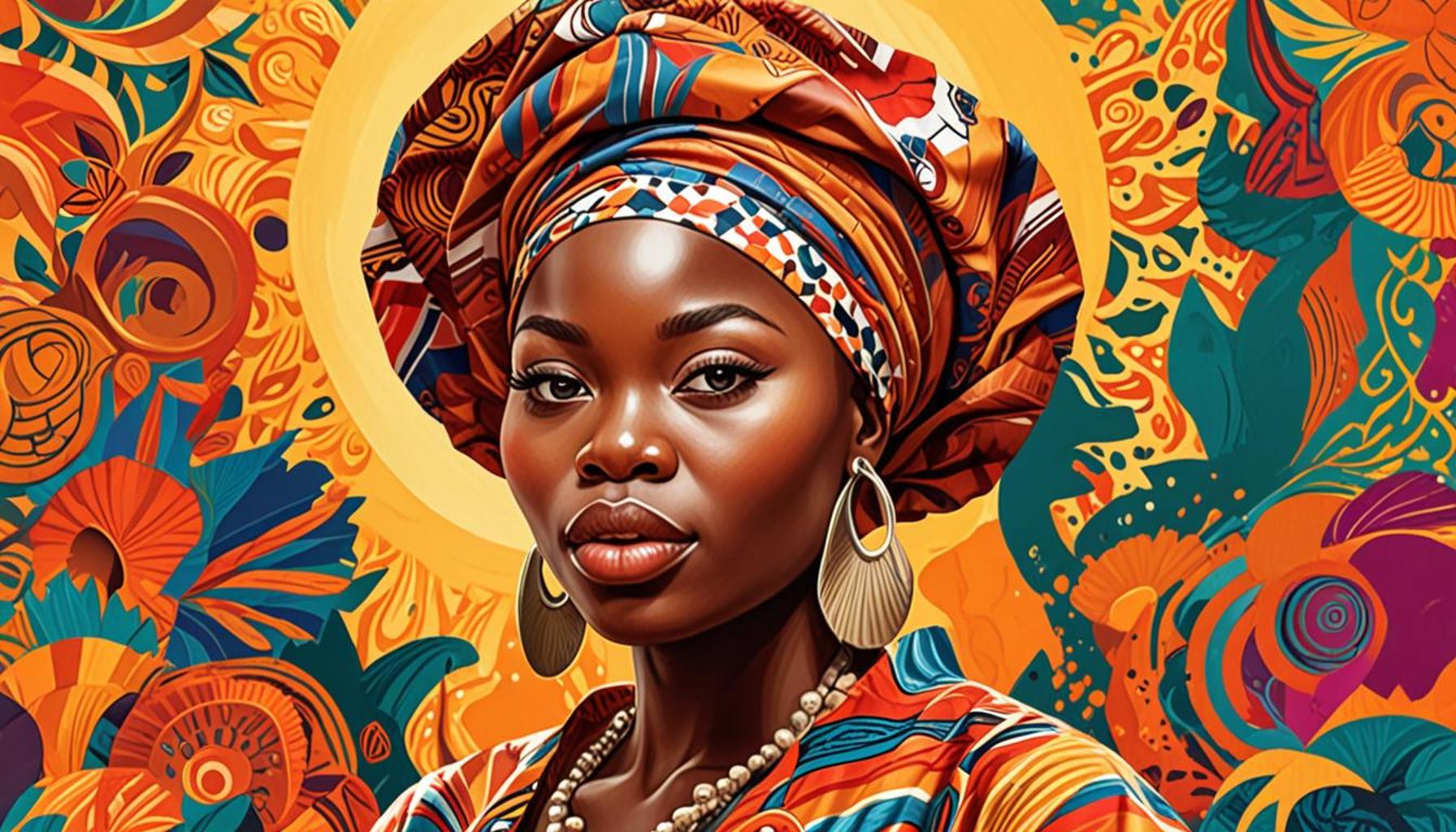
Art in Nigeria is deeply intertwined with the identity and cohesion of various communities. It acts as a conduit through which individuals share their stories, celebrate their heritage, and express common challenges. This cultural interplay is particularly vital in a nation characterized by an extraordinary diversity of ethnic groups, languages, and traditions, creating a unique tapestry of artistic expression that strengthens communal bonds.
Visual Arts: A Reflection of Cultural Heritage
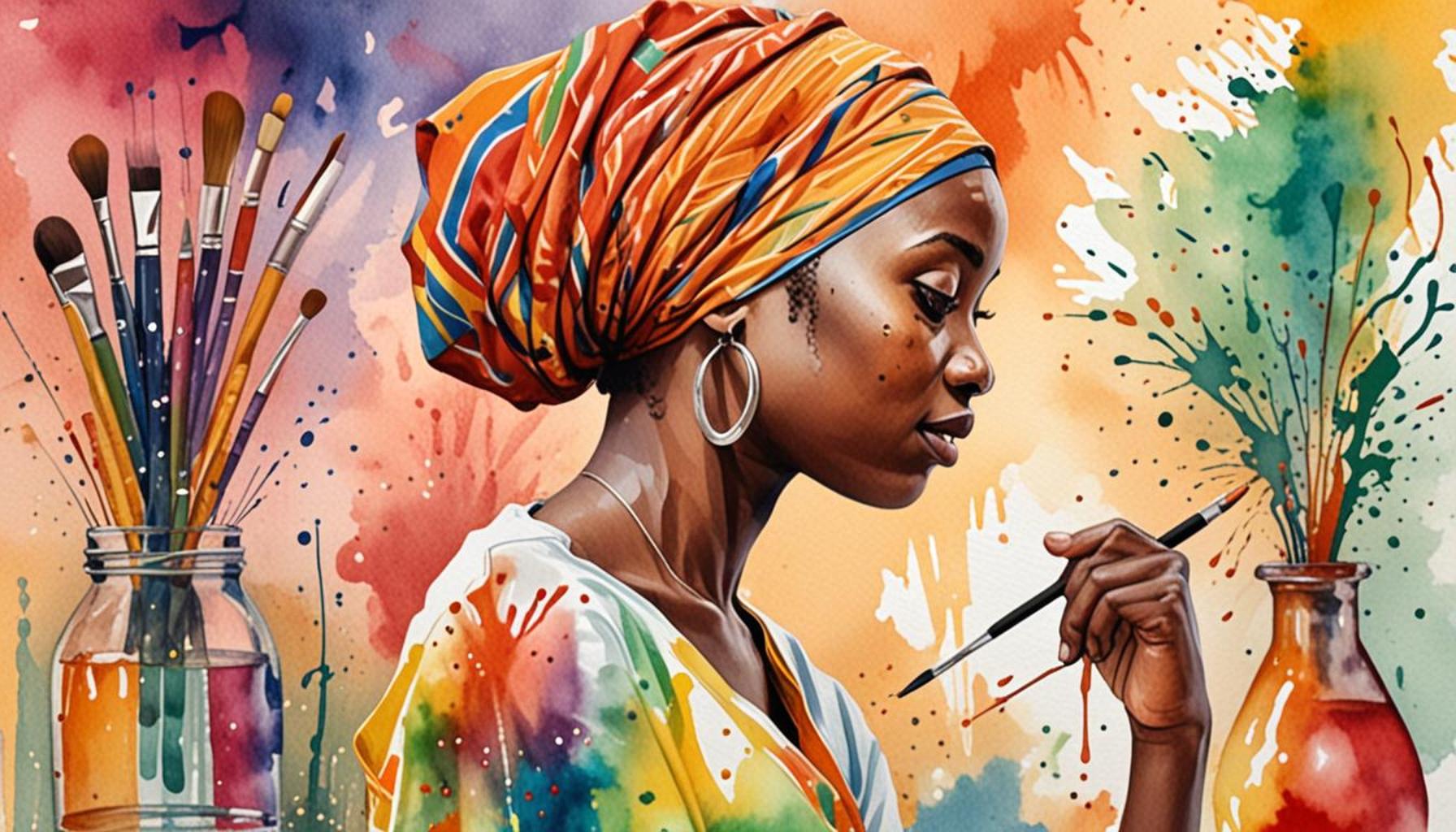
Visual arts in Nigeria encompass a wide range of expressions, from traditional wood carvings and bronze casting by the Benin Kingdom to contemporary installations by modern Nigerian artists. These artworks often depict local histories and cultural narratives, enriching community identity. For example, the production and display of traditional art during festivals not only serve as a reminder of cultural heritage but also instill pride among community members.
In recent years, artists like Njideka Akunyili Crosby have gained international recognition, weaving personal and cultural narratives into their pieces. Her work embodies the fusion of traditional Nigerian motifs with contemporary themes, opening dialogues about cultural fusion that resonate within local communities and beyond.
The Performing Arts: Building Bridges Through Shared Experiences
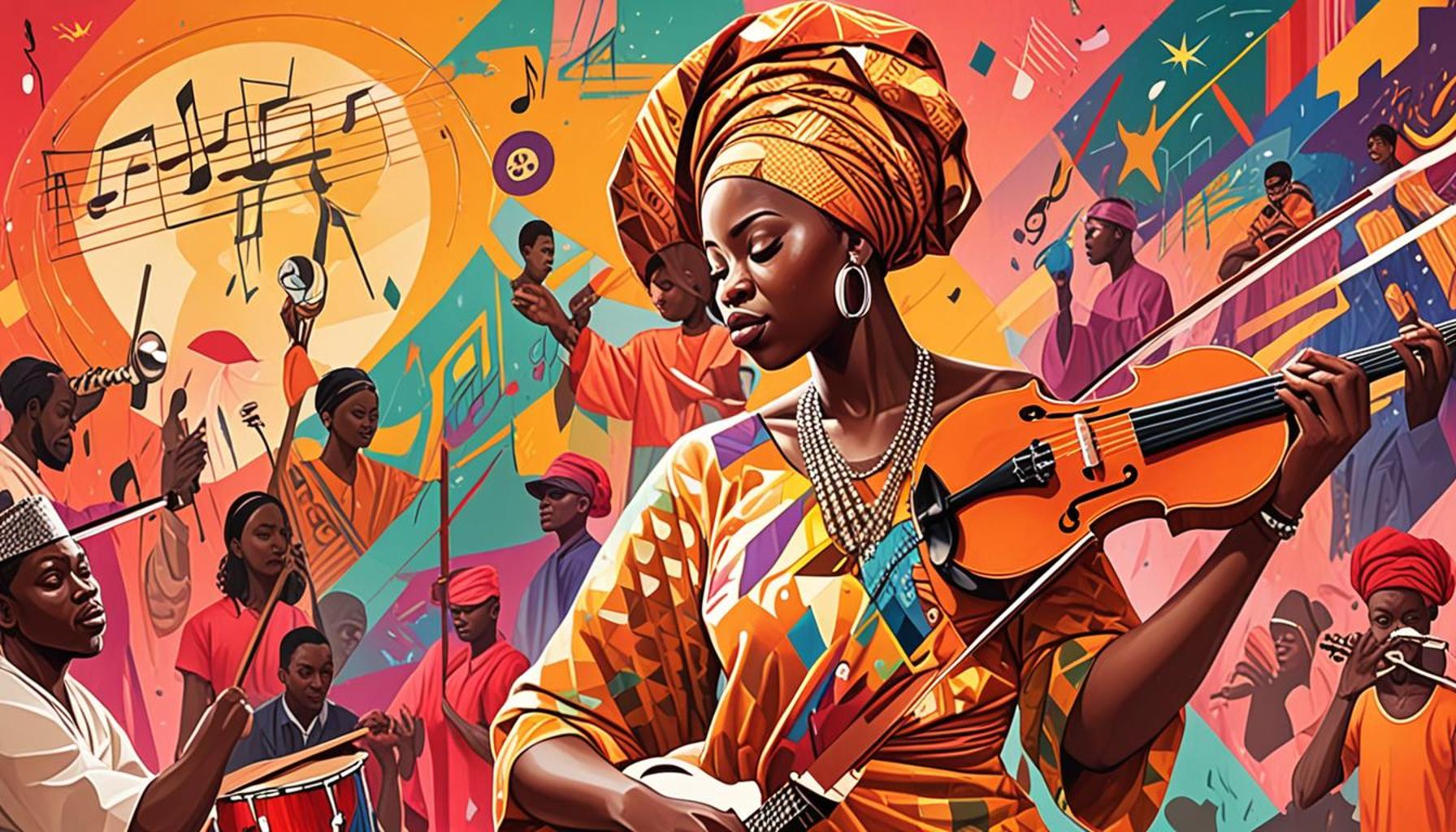
The performing arts, including music, dance, and theatre, play a crucial role in uniting people across various demographics. Street performances and traditional dances, such as the Ekombi dance from the Efik people or the Gwong dance from the Tiv, often pull crowds together, fostering a sense of unity among diverse groups. Music genres like Afrobeats and Highlife not only entertain but are also vehicles for social change, communicating messages about social justice and identity that resonate with a broad audience.
Art Festivals: Celebrating Unity and Diversity
Events such as the National Arts Festival in Nigeria serve as important cultural gatherings that promote dialogue and exchange among different ethnic groups. These festivals celebrate various art forms, showcasing local talent while attracting international attention. They provide platforms for artists to connect with their communities and share their work, which enhances social networks and strengthens collective identities.
Art and Social Activism
Art’s role extends beyond aesthetics; it often acts as a powerful tool for activism. Through murals, theatre performances, and poetry, artists address pressing socio-political issues such as corruption, gender inequality, and environmental degradation. One notable example is the activism illustrated through the murals painted in various parts of Lagos, which provide visual commentary on pressing social issues. This facilitates dialogue among community members, encouraging them to engage with the themes presented and consider collective action.
Ultimately, the transformative power of art in Nigeria is profound. It does not simply embellish the cultural landscape; it serves as a vital mechanism for social bonding, cultural expression, and political discourse. As communities continue to embrace their artistic heritage, they foster deeper connections and nurture an environment where diverse voices can be heard and appreciated, shaping a more cohesive society.
YOU MAY ALSO LIKE: Read read another article
Connecting Through Art: A Vehicle for Social Cohesion
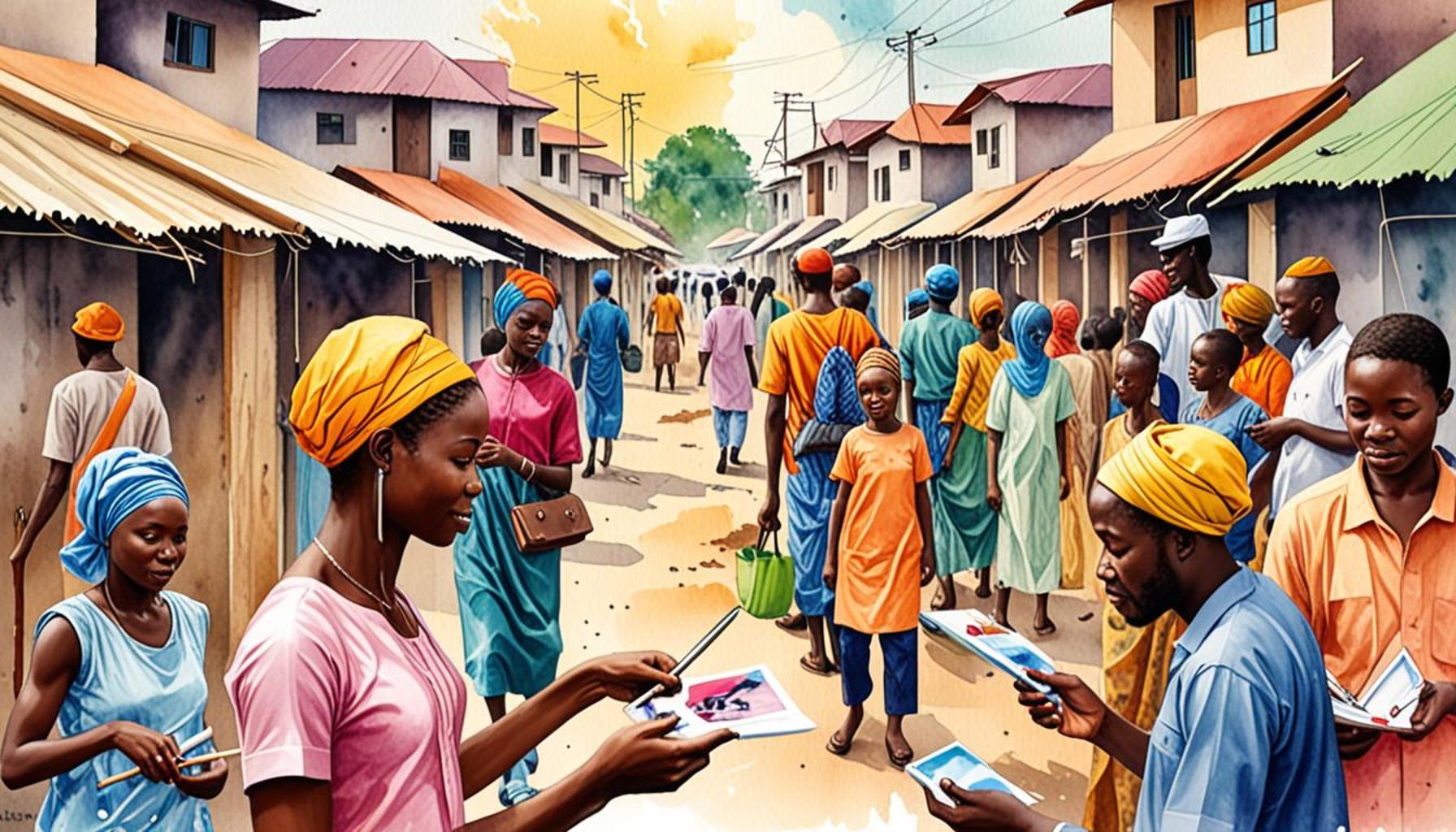
Art serves as a powerful nexus for bringing together individuals from diverse backgrounds in Nigeria, where cultural expressions are often rooted deeply within the fabric of everyday life. The significance of art transcends mere aesthetics; it embodies shared experiences, emotions, and histories, creating bonds that weave through the cultural landscape of the nation. From bustling urban environments like Lagos to rural communities in northern Nigeria, the influence of art is seen as a unifying force, encouraging collaboration and communication among people.
Community Murals: Telling Stories through Visual Narratives
One form of artistic expression that has gained momentum in recent years is the creation of community murals. These vibrant wall paintings often depict local legends, historical events, or social issues pertinent to the community. For instance, areas such as Makoko in Lagos have become canvases for artists who collaborate with local residents to illustrate their stories and aspirations. This initiative not only beautifies the neighborhood but also fosters a sense of ownership and pride among the inhabitants.
The process of collaborating on murals encourages community engagement, blending the skills of artists with the insights of local residents. This interaction often leads to deeper conversations about identity, geography, and shared challenges. As communities unite to create and celebrate their artistic endeavors, they inadvertently strengthen social networks, encouraging a spirit of cooperation and mutual support.
The Role of Music in Forging Connections
Music, as one of the oldest forms of artistic expression in Nigeria, varies greatly across its many ethnic groups. Traditional genres, blended with modern influences, give rise to styles that nurture community spirit and connectivity. Genres like Afrobeats and Fuji music have surged in popularity, often bringing together people from different backgrounds at concerts and community gatherings. These events serve as melting pots of culture, where individuals come to celebrate, share stories, and create lasting friendships.
In addition to entertainment, music plays a critical role in social commentary. Artists use their platforms to address various issues ranging from political unrest to youth empowerment, igniting conversations among listeners. This shared experience fosters a unique bond, as community members rally around a collective message or cause, ultimately enhancing social cohesion.
The Aesthetic of Tradition: Craft and Cultural Festivals
Every year, Nigeria hosts numerous cultural festivals that highlight the rich tapestry of its artistic traditions. Festivals such as the Osun-Osogbo Festival and the Calabar Carnival not only showcase traditional crafts—ranging from beading to weaving—but also provide opportunities for communities to engage with their cultural heritage. These events draw participants and spectators from various regions, creating strong social networks that expand beyond geographic boundaries.
- Art Exhibitions: Displaying local talent while inspiring new generations.
- Theatrical Performances: Encouraging dialogue and reflection on societal themes.
- Workshops: Offering skill-building opportunities and promoting artistic expression.
As participants engage in crafts and performances, there is a shared sense of belonging and identity—elements that are crucial for the construction of communities in Nigeria. Through these artistic celebrations, members cultivate deeper social ties while preserving valuable traditions.
In summary, the multifaceted influence of art on community construction in Nigeria cannot be overstated. By bridging gaps between individuals and fostering shared narratives, art enhances social networks, encouraging unity in a country characterized by its remarkable diversity.
| Advantage | Description |
|---|---|
| Cultural Expression | Art serves as a platform for individuals to express cultural narratives, fostering community identity. |
| Social Engagement | Art activities promote collaboration among community members, strengthening social networks. |
In Nigeria, the interplay between art and community building is a powerful catalyst in creating cohesive social networks. Through various forms such as music, dance, and visual arts, communities articulate their experiences and values, thus reinforcing their shared identity. Art initiatives act as a magnet for social engagement, pulling together diverse groups that might not typically interact. For instance, local art festivals not only showcase talent but also gather families, enhancing communal bonds and creating networks of support. The impact of art in this regard goes beyond aesthetics; it becomes a vital tool for social change, addressing issues such as social justice and cultural heritage preservation. By cultivating a rich artistic environment, communities in Nigeria can harness the power of creativity to foster resilience and promote unity amidst diversity, leading to vibrant social networks ready to tackle contemporary challenges. Engaging in these activities allows for dialogue, understanding, and ultimately communal growth, revealing the deep connections between art and social cohesion. As communities continue to embrace the influence of art, the unfolding narratives are sure to shape their future dynamics significantly.
RECOMMENDED: Check out this similar article
Art as a Platform for Change and Empowerment
Art in Nigeria serves not only as a means of expression and connection but also as a powerful platform for social change and empowerment. As artists address pressing societal issues through their work, they galvanize communities to take action, fostering a sense of responsibility and advocacy among individuals. This dynamic interaction between art and activism has spurred movements that contribute to community cohesion and unity.
Theatre and Storytelling: Empowering Voices
Theatre, a traditionally revered art form in Nigeria, plays a vital role in educating and empowering communities. Through performances that incorporate local dialects, actors engage audiences in narratives that resonate with their experiences. This artistic form opens up dialogues on contentious issues such as gender inequality, environmental degradation, and political corruption.
For instance, organizations like the Nigerian Theatre Arts and Culture have utilized the stage to tackle social stigmas and create awareness about the importance of mental health, particularly in marginalized communities. By presenting relatable stories that echo the audience’s struggles, theatre becomes a tool for healing and reconciliation, allowing people to confront challenges together while forming meaningful connections.
Fashion and Identity: A Tapestry of Self-Expression
Nigeria’s vibrant fashion scene serves as another compelling avenue for community engagement and identity formation. Designers often draw inspiration from indigenous textiles and techniques, creating collections that reflect local cultures and traditions. This not only stimulates economic growth within the community but also reinforces a sense of pride in cultural heritage.
Fashion events, such as the Lagos Fashion Week, attract attention from both national and international audiences, forging alliances among designers, models, and consumers. These gatherings serve as an exchange of ideas and a celebration of collective identity, thereby strengthening social networks. When individuals come together to showcase their distinct styles, they contribute to a larger narrative of cultural pride while promoting unity among diverse tribes and ethnicities.
Digital Art and Social Media: Expanding Horizons
In today’s digital age, social media platforms have revolutionized the way art is shared and experienced across Nigeria. Artists leverage platforms like Instagram and Facebook to connect with audiences, share artistic processes, and initiate discussions around societal issues. This allows for a broader reach, enabling voices from even the most remote areas of the country to be heard.
Social media campaigns, fueled by visual art, have created movements that resonate with Nigerian youth who are eager for change. For instance, the #EndSARS movement wielded the power of art to communicate messages of resistance against police brutality, using graphic illustrations, videos, and music to rally support. This collaboration among artists and activists demonstrates how art can amplify social awareness and empower communities to unite for a common cause.
With the continual evolution of artistic expression within Nigeria, art remains an essential instrument for building strong communities and social networks. It intertwines creative endeavors with advocacy, promoting not only cultural preservation but also progress toward a more unified society.
ADDITIONAL INSIGHTS: Expand your understanding here
Art: A Catalyst for Community and Connection in Nigeria
In conclusion, the intricate relationship between art and community in Nigeria is a tapestry woven with threads of culture, identity, and social activism. Throughout this exploration, we have seen how various forms of artistic expression—including theatre, fashion, and digital art—serve not only as vehicles for personal expression but also as powerful catalysts for societal change. As artists tackle pressing issues like gender inequality, mental health, and political corruption, they encourage community members to engage actively and meaningfully, fostering solidarity among diverse groups.
The success of platforms like Lagos Fashion Week and the profound impact of movements such as #EndSARS exemplify this synergy between art and social consciousness. These artistic endeavors create networks that bridge geographic and cultural divides, uniting individuals in a shared vision of progress while instilling a strong sense of belonging. The narratives told through theatre resonate deeply with local communities, while digital art expands the reach of these stories across borders, amplifying voices that might otherwise remain unheard.
As Nigeria continues to evolve, the arts will undoubtedly play an ever-expanding role in shaping communal bonds and social networks. Investing in and promoting these artistic expressions not only preserves cultural heritage but also paves the way for a brighter, more unified future. The journey of art fostering community in Nigeria is ongoing, and as we champion these voices, we nurture the very essence of what it means to belong to a collective identity. Ultimately, art is not just about aesthetics—it is about connection, empowerment, and the enduring spirit of community.