Artistic Expression Techniques for Beginners Find Your Personal Style
Unleashing Creativity
In today’s fast-paced world, engaging in creative hobbies can be a transformative experience. Artistic expression offers a unique outlet for emotions and thoughts, allowing individuals to explore and communicate their inner selves. Whether you are picking up a paintbrush, a pencil, or a musical instrument, discovering techniques to enhance your artistic journey is essential.
Why Explore Artistic Techniques?
A wealth of artistic techniques exists to help beginners find their unique voice and style. These methods not only enhance skills but also foster confidence and self-discovery. As you embark on this creative path, being aware of various techniques can inspire and guide your personal expression.
What to Expect
This article will provide a curated list of the Top 5 Techniques for Artistic Expression tailored for beginners. From traditional methods like drawing and painting to modern approaches such as digital art, each technique will open doors to your creativity. So, get ready to dive deep into the world of art and discover what resonates with you.
Técnicas de Expressão Artística para Iniciantes: Descobrindo Seu Estilo Pessoal
In the ever-evolving world of creative hobbies, discovering one’s personal artistic style can be both an exhilarating and daunting experience for beginners. With countless techniques at their disposal, novice artists often find themselves overwhelmed. Here, we present a ranked list of the top five techniques that will help you unlock your creativity while allowing you to express yourself in unique ways. Let’s dive into this artistic journey from the fifth to the first technique!
5. Collage: A Patchwork of Personal Expression
Collage, a term derived from the French word “coller” meaning “to glue,” is an accessible, engaging, and often therapeutic method for beginners to express their creative thoughts without the pressure of perfecting a singular form. By combining various materials—such as magazine clippings, photographs, fabric, and even textured paper—collage allows artists to build a visually striking piece that tells a story.
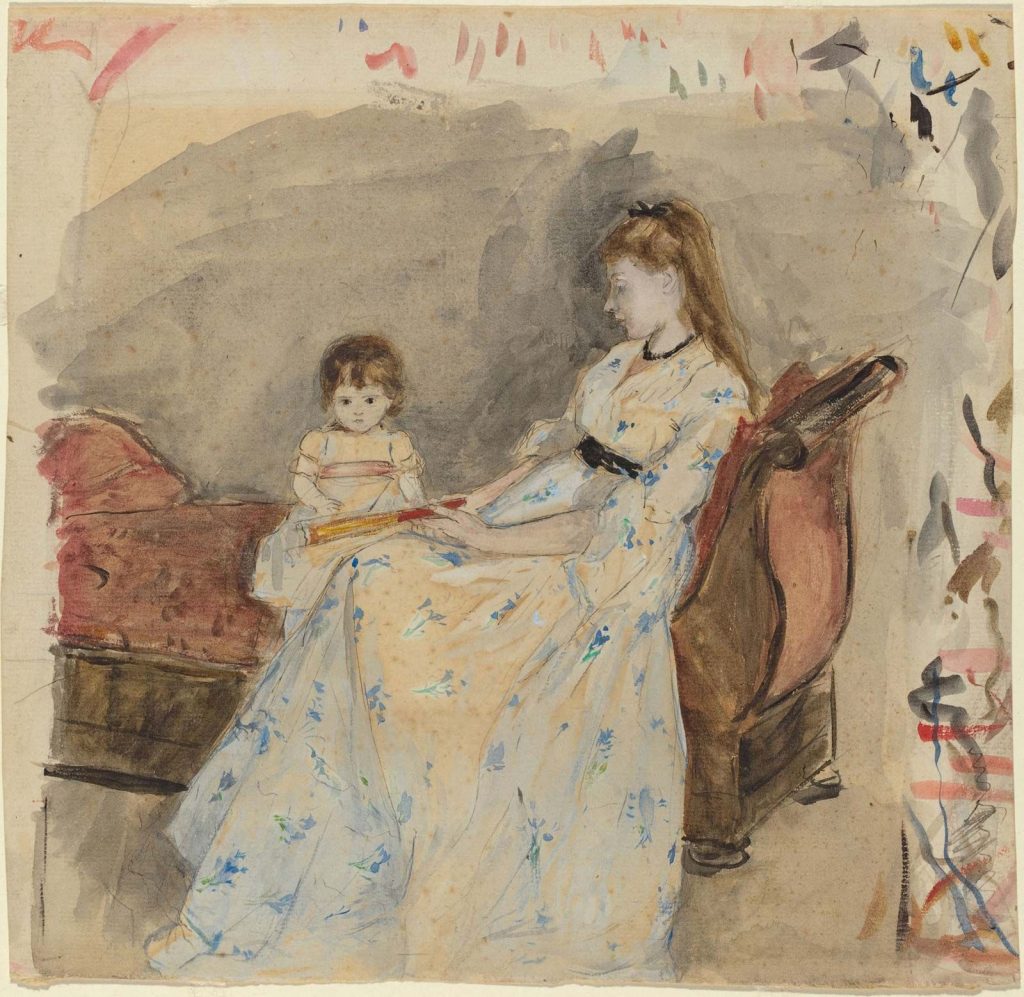
This technique encourages experimentation, as there are no strict rules on how to assemble your materials. Beginners can play with composition, color, and texture, allowing their subconscious to guide their choices. A great way to start is to gather materials that resonate with you. Consider the following:
- Magazines and Newspapers: Look for interesting images or phrases that catch your attention.
- Natural Elements: Leaves, flowers, or seeds can add a unique touch and provide texture.
- Personal Memories: Incorporate personal photos or mementos from significant life events.
Once you have your materials, the fun begins! Arrange them on a canvas, or even a plain piece of cardboard, until you find a composition that speaks to you. The beauty of collage lies in its ability to adapt and transform with each layer you add, creating depth and narrative, much like a patchwork quilt of personal stories and inspirations.
4. Watercolor Painting: Embracing Fluidity
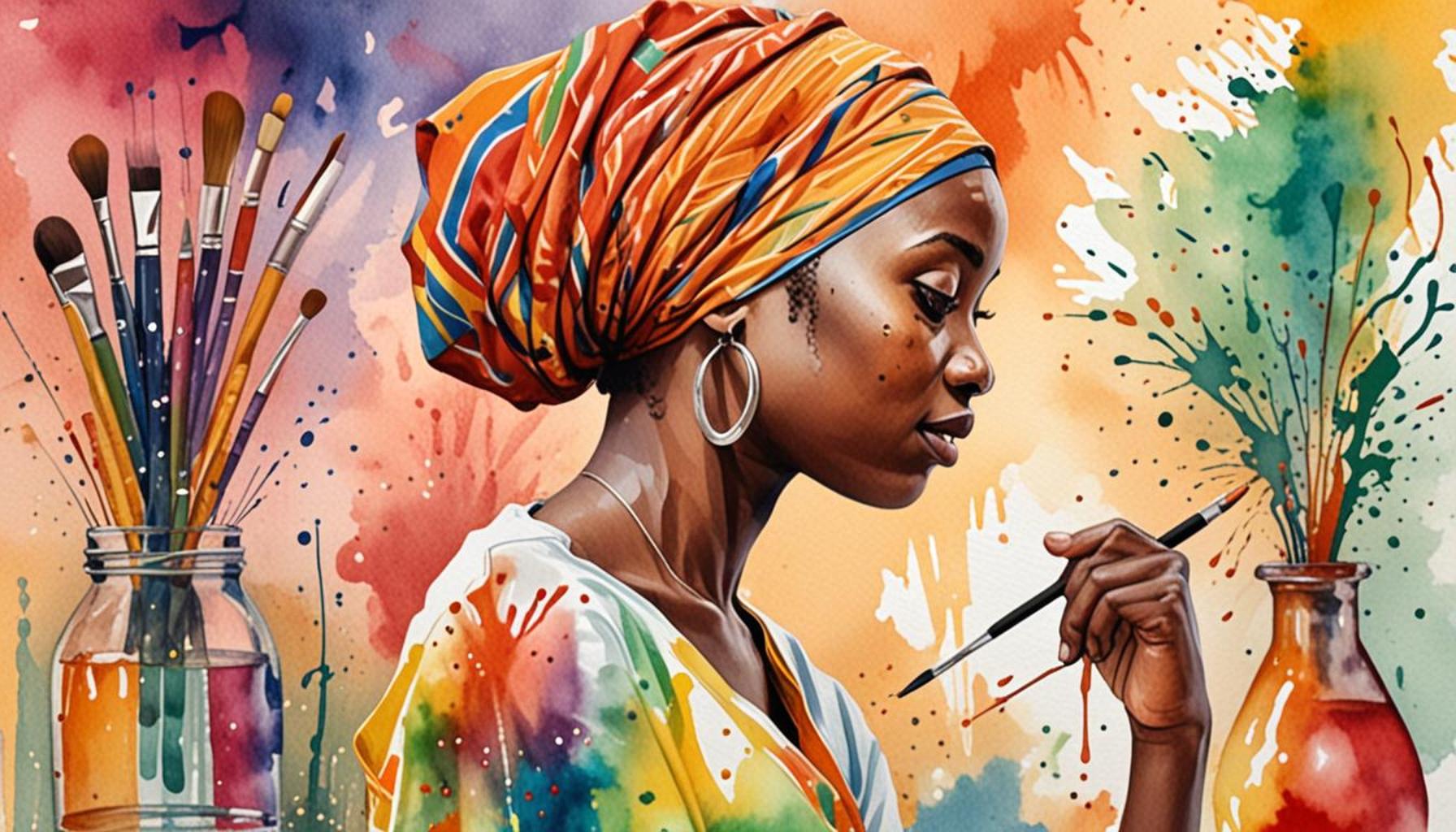
Watercolor painting offers beginners a chance to explore vibrant colors and distinctive flows with relatively simple materials. Known for its fluidity, watercolor painting is perfect for exploring color blending and the unpredictability of water as a medium. Many artists appreciate how watercolor imparts a sense of freedom, allowing them to create fantastical landscapes, abstract designs, or delicate florals with surprising ease.
The beauty of watercolors lies in their ability to produce soft gradations and unexpected patterns. The loose, flowing nature of this medium reflects the ebb and flow of natural elements. Beginners can start by practicing simple techniques such as wet-on-wet, where wet paint is applied to wet paper, enhancing the blend of colors, and wet-on-dry, where wet paint is applied to dry paper, allowing more controlled, detailed work. Here is a list of essential supplies for your watercolor journey:
- Watercolor paints: Tubes or pans will work, offering a variety of vibrant hues.
- Quality watercolor paper: Choose a cold-pressed texture for better absorption, which helps maintain the integrity of the colors.
- Brushes: Round brushes are ideal for both fine details and larger swaths of color, giving versatility in technique.
This technique invites beginners to embrace their individuality, as no two watercolor artworks will ever look alike. Each stroke and splash of color tells a different story, influenced by the artist’s hand and the day’s mood.
3. Sketching: The Foundation of Artistic Expression
Sketching is perhaps the fundamental technique of all artistic expressions. Serving as a foundation upon which many artists build more complex projects, sketching provides a versatile canvas for exploring ideas. Whether using graphite, charcoal, or colored pencils, sketching encourages the artist to capture the essence of their thoughts and observations quickly.
For beginners, engaging in daily sketching can cultivate observational skills and creativity. This practice is all about quick, loose lines and capturing ideas in their rawest form. Here are a few beginner tips to improve your sketching skills:
- Practice doodling daily to develop a relaxed style and get comfortable with letting your hand guide your thoughts.
- Draw from life—objects, people, or nature are great subjects that challenge you to see and interpret shapes, proportions, and shadows.
- Experiment with different mediums like charcoal or pastels for variety and to understand how they can enhance textures and tones.
Ultimately, sketching is about exploration, pushing limits, and discovering what you enjoy most. It’s a playful and low-pressure way to enhance skills and develop a personal style, laying the groundwork for more elaborate pieces you may wish to pursue.
2. Digital Art: The Future at Your Fingertips
In the contemporary art scene, embracing technology in art is unavoidable, and thus digital art holds special appeal. With the rise of digital tools such as tablets and sophisticated art software, aspiring artists now have virtually limitless opportunities to create and express themselves. Digital art allows for instant editing, experimentation, and even animation—all without the mess of traditional mediums.
Getting started in digital art can be simple. Beginners can download free applications like Procreate for iPads or Krita for computers, which provide access to an array of brushes and tools crafted to enhance the digital drawing experience. Some important elements to consider when diving into digital art include:
- Choosing the right hardware: Tablets and styluses designed for artists can significantly enhance your experience and provide more precision.
- Understanding layers: This feature allows for easy editing and manipulation, enabling complex creations to be easily assembled or adjusted without altering the entire image.
Digital art is a versatile field, offering opportunities to craft works ranging from simple sketches to complex 3D models and animations. As technology continues to evolve, digital art is increasingly democratizing the creative process, providing a playground for innovation and a bridge between traditional artistic practices and new-age creativity.
1. Acrylic Painting: Versatility and Boldness
Among the most versatile and beginner-friendly mediums is acrylic painting. Acrylics combine the best aspects of oil and watercolor paints, providing vibrant colors and the ability to layer without the extended drying time associated with oils. This has branded acrylics as a go-to medium for novices embarking on their artistic journey.
Acrylic paints dry fast, which encourages beginners to work efficiently and decisively. This flexibility is paired with a forgiving nature, as mistakes can be easily painted over with a new layer once the underlying paint dries. Beginners can experiment with different techniques such as glazing, texturing with modeling paste, or impasto to create varied effects. Here are some starter tips:
- Invest in quality paints and brushes: While experimenting, higher quality materials can offer a wider range of expression and better results.
- Use water or mediums: These can be mixed with acrylics to alter texture, sheen, and drying time, providing more control over the final look.
- Explore different surfaces: Acrylics do well on canvas, wood, or even paper, lending themselves to a wide range of creative projects.
Acrylic painting allows beginners to find their rhythm and style confidently. With its bold colors and adaptability, this medium acts as a bridge to more complex techniques, serving as both an introductory and a lifelong tool for artistic exploration.
In conclusion, diving into the world of art doesn’t have to be daunting. These five techniques offer a beautiful entrée into discovering and cultivating your personal artistic style. By exploring collage, watercolor, sketching, digital art, and acrylic painting, you are not just learning to create art, but also to understand yourself and express your unique perspective. Go ahead, gather your materials, and let your creativity flow!
| Category | Description |
|---|---|
| Self-Discovery | Engaging in artistic techniques helps individuals explore their own emotions and thoughts, leading to a deeper understanding of their personal style. |
| Creative Freedom | Beginners are encouraged to break away from traditional forms, discovering unique forms of expression that celebrate individuality and creativity. |
| Skill Development | Practicing different techniques fosters essential artistic skills, enhancing the ability to convey messages visually through a medium of choice. |
| Connection with Community | Participating in workshops or group activities allows learners to share ideas and techniques, forming valuable connections and receiving constructive feedback. |
In today’s artistic landscape, techniques such as painting, collage, or even digital art provide an invaluable opportunity for self-discovery. By engaging in these methods, individuals can better articulate their innermost feelings, translating complex emotions into visual narratives. This transformation not only empowers the artist but can also resonate with audiences on a profound level.Creative freedom is another significant advantage that such techniques offer. Emerging artists often find themselves constrained by expectations—both external and internal. However, through experimentation, they can redefine what art means to them, leading to forms that are innovative and genuinely reflective of personal experiences. This breaking of barriers liberates artists, allowing their true colors to shine through.Skill development forms the backbone of any artistic journey. With each technique practiced—whether it’s mastering the brush strokes of watercolor or the application of textures in mixed media—individuals gain new competencies that refine their abilities over time. This gradual evolution is crucial for those aspiring to develop their style and voice, transcending basic imitation to create original works that speak to their personal truth.Finally, the journey of artistic expression is seldom solitary. The communal aspect of engaging with peers in workshops or artistic gatherings is immensely rewarding. Here, aspiring artists can share not only their art but also their stories, gaining insights that might otherwise remain undiscovered. Constructive feedback received from fellow artists can open new avenues for growth, enhancing both technique and confidence. These connections create a supportive environment, essential for nurturing creativity and passion in the arts. As individuals embrace these artistic techniques, they step onto a path of discovery—where every brushstroke, every line, and every color holds the possibility to unveil their unique style, ultimately enriching the multifaceted world of personal expression.
Frequently Asked Questions about Artistic Expression Techniques for Beginners
How can I start exploring different art styles?
Beginning your journey in artistic expression can be both exciting and overwhelming. Initially, it’s advisable to experiment with various mediums—from painting and drawing to sculpture and digital arts. Taking introductory classes or workshops can provide essential guidance. Additionally, immersing yourself in online resources, such as tutorials and forums, can help you discover a variety of techniques and styles.
What are some basic techniques I should learn as a beginner?
As a novice artist, mastering a few foundational techniques is crucial. Start by understanding concepts like line drawing and shading, which form the basis of many art forms. Gradually, you can explore color theory, perspective, and composition. These basics will equip you with the skills necessary to develop a more advanced portfolio.
How do I find my personal art style?
Finding your unique artistic style is a journey that requires patience and exploration. Reflect on what inspires you, and try to combine different elements that resonate with your personal interests. It’s often helpful to create a series of works focused on particular themes or techniques. Regular practice and experimentation will naturally lead you toward a style that feels authentically yours.
Can I develop my artistic skills without formal education?
Yes, many artists have honed their skills without formal training. However, dedication to regular practice is key. Utilize diverse resources such as books, online courses, and community workshops to broaden your understanding. The art community can also be a valuable source of informal education through collaboration and feedback.
Conclusion: Unveiling Your Artistic Voice
Embarking on the journey of artistic expression can be both exhilarating and daunting for beginners exploring creative hobbies. Throughout this article, we have delved into essential techniques that serve as foundational pillars for discovering your personal style. By understanding different methodologies, experimenting with varied mediums, and fostering a sense of curiosity, novices can gradually shape and define their unique artistic identity.
Among the key takeaways is the importance of embracing the creative process. From drawing basics to exploring digital platforms, each technique offers a gateway to express yourself authentically. Furthermore, practicing consistency enables artists to refine their skills over time, encouraging growth and self-discovery. Engaging with a community of fellow enthusiasts further enriches this journey, providing insights and feedback that inspire new perspectives.
The article underscored the significance of a flexible approach in artistic exploration. By allowing for trial and error, beginners create a safe space for innovation without the fear of failure. Moreover, reflecting on both personal and external influences can greatly inform and transform an artist’s path to developing their own style.
Ultimately, the essence of artistic expression lies in its boundless nature. With an open mind and an adventurous spirit, beginners can transcend conventional boundaries and discover the creative possibilities within themselves. Whether through painting, sculpture, digital arts, or mixed media, the ability to convey emotions and ideas through art holds the power to not only reflect the artist’s soul but also resonate deeply with audiences. Thus, unlocking your personal style is an incremental yet fulfilling adventure that continues to evolve as you do.