DIY Gardening Projects: How to Create a Vertical Garden Using Pallets
Exploring the Benefits and Techniques of Vertical Gardening
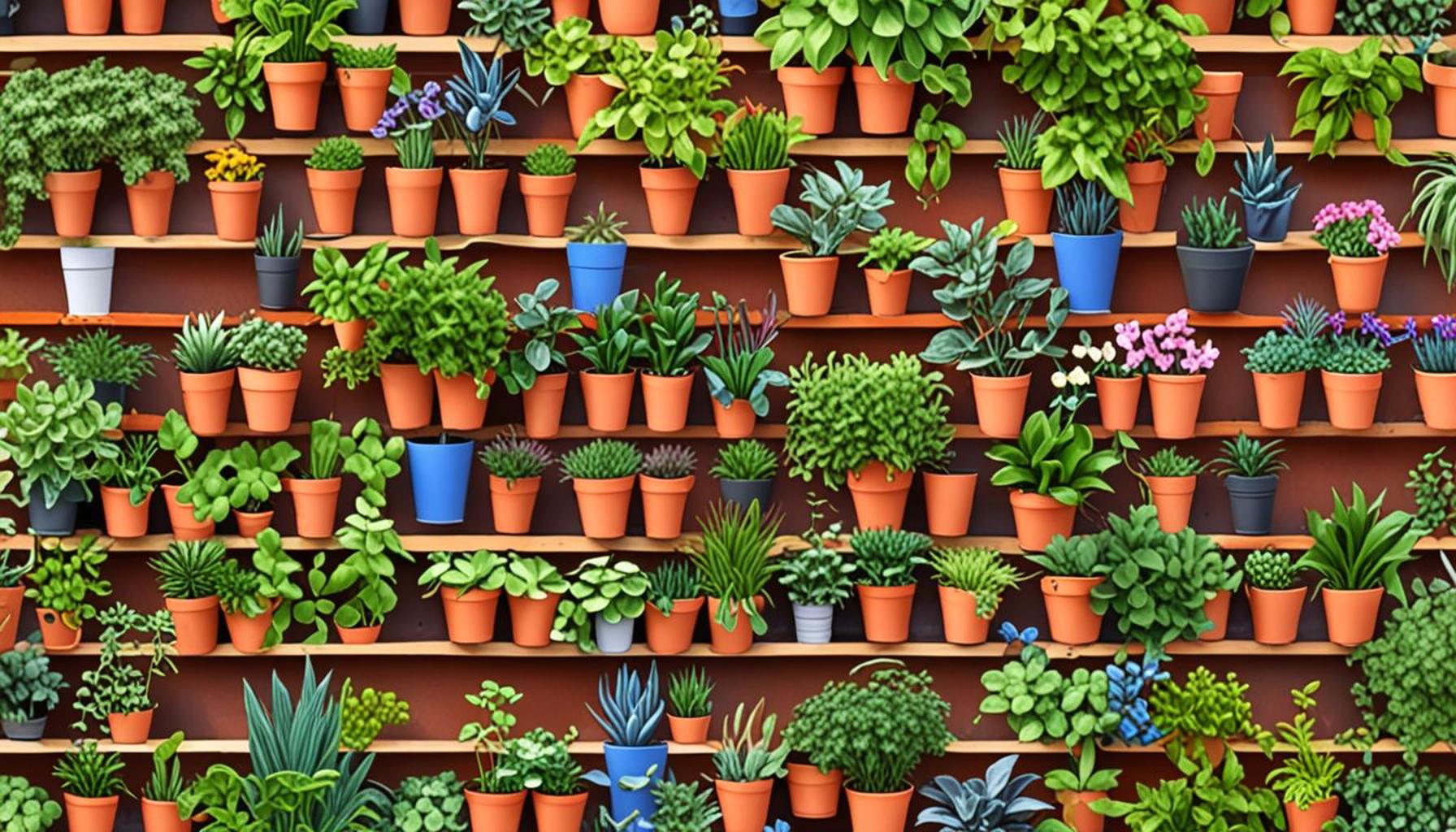
For urban dwellers, gardening can often seem out of reach, especially in cities where space is at a premium. However, the concept of vertical gardening presents an exciting alternative that not only conserves space but also enhances the aesthetic appeal of any environment. This innovative gardening method allows you to cultivate plants in a vertical arrangement, transforming ordinary walls or fences into vibrant green canvases.
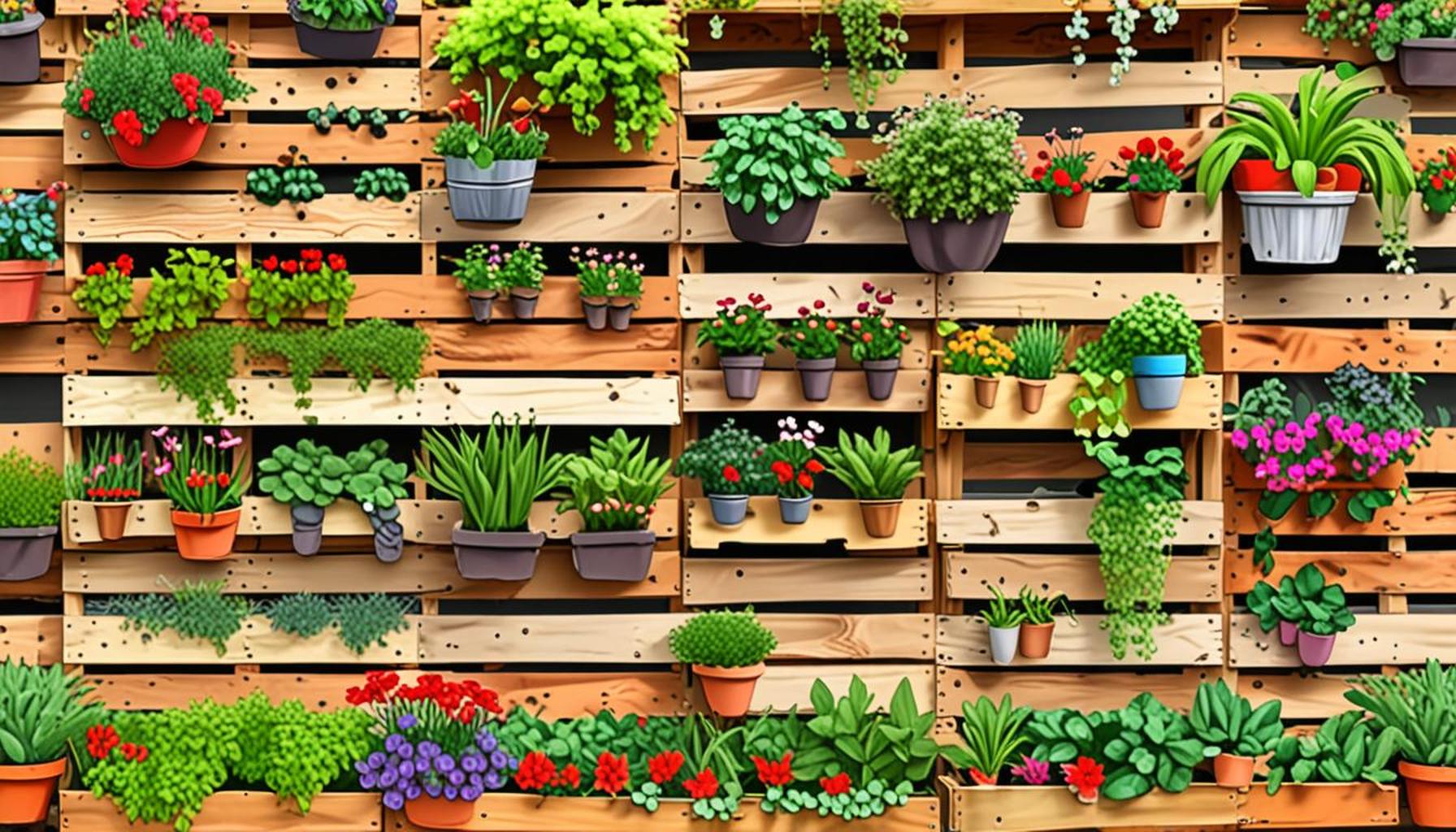
One of the most popular materials for constructing a vertical garden is the humble wooden pallet. These pallets, commonly found in warehouses and market areas, are not only budget-friendly but also versatile in their applications. By incorporating pallets into your gardening efforts, you can create unique garden structures that serve practical purposes while elevating your decor. Here’s how:
- Cost-effective: Sourcing wooden pallets is often easy and affordable, making them an ideal option for gardeners looking to save money.
- Versatile: Wooden pallets can house a wide range of plants, including fragrant herbs like basil and mint, stunning flowers such as marigolds and petunias, or even small vegetables like lettuce and radishes.
- Eco-friendly: By repurposing pallets, you significantly reduce waste and contribute to more sustainable living practices, an increasingly important consideration in today’s world.
In Nigeria, where rapid urbanization is leading to densely populated cities, the introduction of vertical gardening can have a profound impact on urban ecosystems and individual well-being. Many urban residents face challenges such as limited outdoor space and decreased access to fresh produce. Vertical gardens can address these challenges by enabling city dwellers to grow their own nutritious foods and beautifying their immediate surroundings.
Moreover, vertical gardens help improve air quality, as plants naturally absorb carbon dioxide and release oxygen, creating healthier living environments. Schools and community centers can also benefit from these gardens, promoting educational opportunities around agriculture and environmental awareness.
For those interested in embarking on this DIY journey, creating your own vertical garden using wooden pallets can be both fun and fulfilling. Whether you’re aiming to add a touch of greenery to your balcony or cultivate fresh herbs in your kitchen, this project is ideal for gardeners of all skill levels. Stay tuned as we delve into the step-by-step process of designing and building your vertical garden, ensuring that any empty wall can become a thriving vertical paradise.
LEARN MORE: This related article may interest you
Getting Started: Selecting the Right Pallet for Your Vertical Garden
Creating a vertical garden using wooden pallets begins with understanding the types of pallets available and selecting the right one for your project. Not all pallets are created equal; the condition and material can greatly influence the success of your gardening endeavor. Look for pallets that are made from heat-treated wood, as they are less likely to harbor chemicals that could harm your plants. Avoid pallets marked with the “MB” stamp, indicating that they have been chemically treated, which could pose risks to both your plants and your health.
Once you have your pallets, thoroughly inspect them for any signs of damage, such as splinters or mold. A sturdy and clean pallet goes a long way in ensuring a successful vertical garden. If you can, choose pallets with slats that allow for proper drainage and airflow. After all, your plants will thrive with adequate drainage to prevent root rot and ensure healthy growth.
Essential Tools for Your Project
Before you dive into building your vertical garden, gather the necessary tools to streamline the process. Here’s a handy list to kickstart your project:
- Safety Gear: Ensure you wear gloves and protective eyewear to guard against splinters and dust.
- Saw: A hand saw or power saw will be needed to cut the pallet to your desired size.
- Screws and Drill: Use screws and a drill to secure the pallets and create a stable structure.
- Landscape Fabric: This material will prevent soil from falling out while allowing water to drain.
- Potting Mix: Choose a high-quality potting mix suited for your plants to ensure they have the nutrients they need.
These tools not only facilitate the construction process but also enhance your overall gardening experience. With the right preparation, your vertical garden project can be an enjoyable journey rather than a daunting task.
Choosing Plants for Your Vertical Garden
Once your pallet structure is ready, selecting plants that thrive in vertical spaces is essential. Opt for lightweight plants with shallow root systems, as they are less likely to overwhelm the structure. Here, consider the following options:
- Herbs: Basil, mint, and thyme are excellent choices, providing both flavor and fragrance to your garden.
- Flowers: Colorful blooms such as petunias and geraniums not only beautify the space but also attract pollinators.
- Leafy Greens: Lettuce and spinach are quick-growing and can be easily harvested, making them perfect for vertical gardens.
When selecting plants, be mindful of their sun and water requirements. Group plants with similar needs together to facilitate easier maintenance. Your vertical garden can become a lively tapestry of colors and textures, all while yielding delicious ingredients for your meals.
With these foundational steps, you’re well on your way to creating a stunning vertical garden that not only beautifies your space but also contributes to a sustainable lifestyle. Keep reading to learn about the specific steps involved in building your vertical garden, ensuring your gardening aspirations bloom in every corner of your home.
| Advantages | Details |
|---|---|
| Space Efficiency | Vertical gardens maximize limited space, making them ideal for urban settings. |
| Aesthetic Appeal | Pallet gardens provide a unique and visually striking focal point, enhancing the beauty of your home. |
| Easy Mobility | Using pallets allows for the garden to be moved easily if needed, adapting to sun or shade requirements. |
| Sustainable Practices | Pallet gardens promote recycling and eco-friendliness, utilizing materials that might otherwise be discarded. |
Creating a vertical garden using pallets is an exciting DIY gardening project that not only enhances the visual appeal of your surroundings but also promotes sustainable living. By understanding the advantages of this gardening technique, you’ll unlock the potential of your space and explore the benefits of cultivating your plants vertically. Dive into the details and learn how to turn discarded pallets into a beautiful vertical garden!
RECOMMENDED: Check out this similar article
Constructing Your Vertical Garden: Step-by-Step Guide
Now that you’ve selected your robust pallets and chosen the perfect plants, it’s time to bring your vertical garden vision to life. The construction process can be both engaging and rewarding, allowing you to exercise your creativity and resourcefulness. Below is a step-by-step guide to help you build a stunning vertical garden that would fit perfectly in a Nigerian backyard or balcony.
Step 1: Preparing the Pallet
The first step in your construction process is to prepare your pallet. Start by cleaning the wood thoroughly to remove any dirt or debris. Sand down any rough areas to prevent splinters and ensure a polished finish. Once clean and smooth, consider sealing the wood with a non-toxic wood protector to enhance durability, especially if your garden will be exposed to the elements. This is especially important in regions with high humidity or heavy rainfall, like parts of Nigeria.
Step 2: Adding the Landscape Fabric
After ensuring your pallet is clean and dry, cut the landscape fabric into shapes that will cover the back and sides of your pallet. Secure the fabric with a staple gun, making sure it is taut and covers as much surface area as possible. This fabric will act as a barrier, keeping the soil in while allowing excess water to escape, which is crucial to prevent root rot in your plants.
Step 3: Filling the Pallet with Potting Mix
Now the fun part begins—filling your pallet with potting mix. Choose a quality soil that retains moisture while providing good drainage. As you fill the compartments, be sure to pack the soil down gently; this will help provide a solid foundation for your plants to grow. Keep the soil approximately an inch below the top of the pallet to avoid spillage when watering.
Step 4: Planting Your Chosen Flora
With your pallet now filled with soil, it’s time to plant! Begin by placing your chosen plants into the pallet, starting from the bottom row and working your way up. This way, smaller plants like herbs can be placed at the start, while trailing plants can grow over the edges. As noted earlier, ensure that plants with similar sunlight and water needs are grouped together.
Consider including native Nigerian plants that can withstand local weather conditions. Examples include the vibrant African violet or hardy herbs like oregano and sage. These plants not only flourish in vertical arrangements but also contribute to preserving local biodiversity.
Step 5: Watering and Maintenance
Once planted, remember to water your vertical garden thoroughly to help settle the soil around the roots of your new plants. It’s essential to establish a regular watering schedule, as vertical gardens can dry out faster than traditional gardens. Monitor moisture levels closely, especially during the dry season in Nigeria. You may also want to incorporate a drip irrigation system for more efficient watering, especially if you have multiple pallets or plants requiring different moisture levels.
Take some time each week to check for pests and disease, as a compact space can create ideal conditions for issues to escalate. Given the tropical climate in many parts of Nigeria, using organic pest control methods can help you maintain a healthy vertical garden without harmful chemicals.
By following these steps, you will not only have an exceptional vertical garden made from recycled pallets but also a functional outdoor aesthetic that embodies your passion for DIY projects. Dive into your gardening journey, and let your creativity bloom through this unique and sustainable project!
CHECK OUT: Click here to explore more
Conclusion: Transform Your Space with a Vertical Garden
In conclusion, creating a vertical garden using pallets is not only an eco-friendly way to repurpose materials but also a creative approach to enhancing your living space. This DIY gardening project allows you to cultivate various plants while maximizing limited space, making it especially suitable for urban dwellers in Nigeria. With each step meticulously discussed—from preparing your pallet to ensuring regular maintenance—you can confidently embark on this rewarding venture.
Remember, a vertical garden is more than just a decorative feature; it offers numerous benefits, including improving air quality, providing fresh produce, and even lowering stress levels through the joy of gardening. By choosing indigenous plants such as the African violet, oregano, and sage, you are contributing to local biodiversity and creating an environment that thrives in harmony with its surroundings.
As you delve into this project, take the opportunity to personalize your vertical garden to reflect your aesthetic and functional desires. You might start with just a few pallets, but as your skills grow, so can your garden. Explore further techniques such as embedding a drip irrigation system or experimenting with companion planting to amplify both beauty and productivity.
So gather your materials, unleash your creativity, and let your vertical garden become a vibrant centerpiece in your home, embodying sustainability and the spirit of DIY. Your garden awaits—get started today!