Transforming Recyclable Materials into Creative Home Decor
Understanding the Value of Recyclables
Every year, millions of tons of recyclable materials find their way into landfills across the globe. This immense waste of potential resources could be mitigated by transforming these items into stunning home decor. The trend of upcycling is not only a nod to sustainability but also serves as a canvas for unique creativity in our living spaces.
Creative Applications of Recyclable Materials
In the realm of home decor, the possibilities for reimagining everyday items are limited only by one’s imagination. For instance, glass bottles that once held beverages can be upcycled into eye-catching vases or stunning pendant lights that add character to a room. By painting them or wrapping them in jute or twine, these bottles can become focal points that spark conversation among guests.
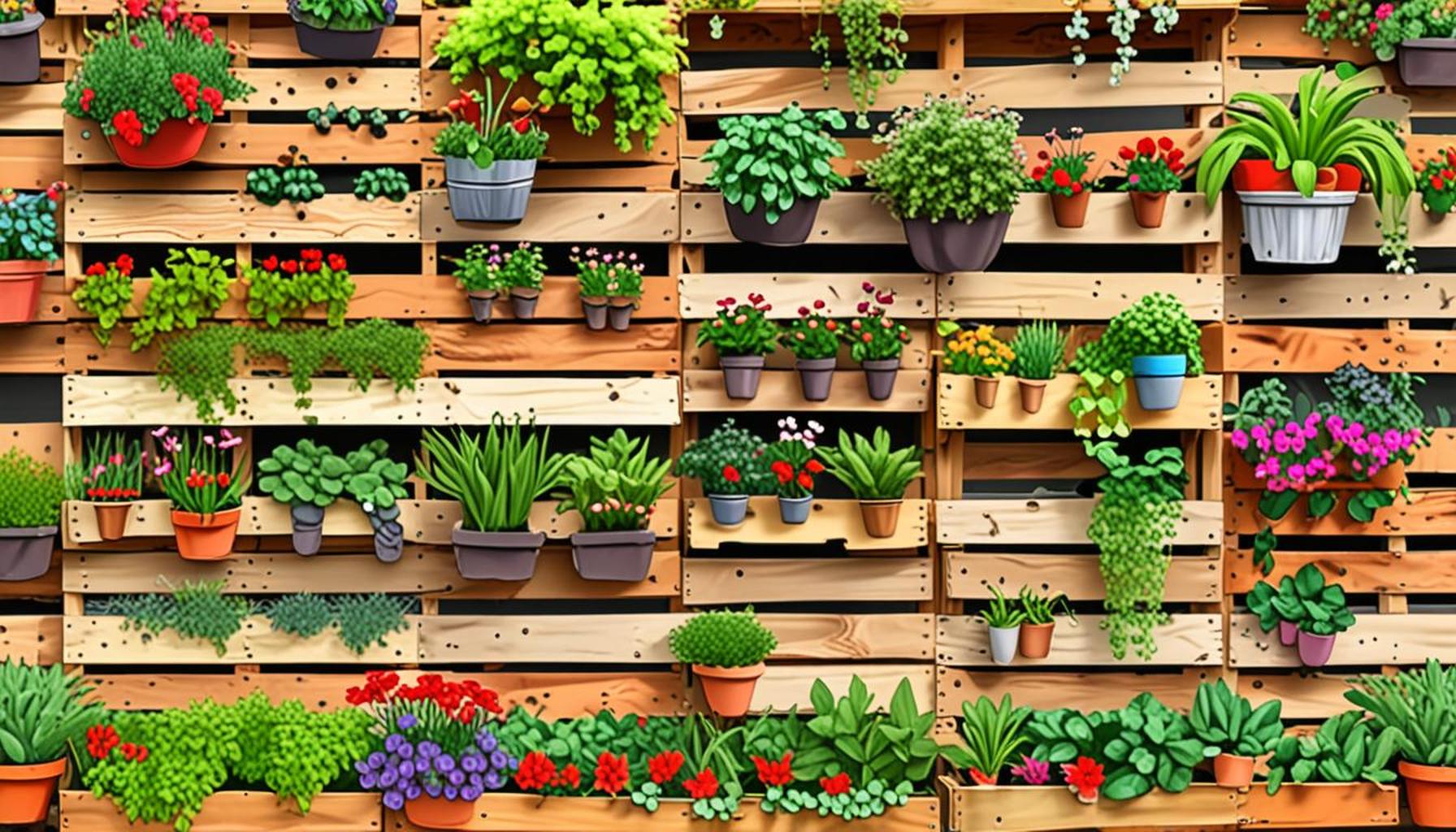
Wood pallets are another versatile material commonly found in warehouses and markets. With some basic woodworking skills, one can transform these pallets into rustic-themed furniture like coffee tables or garden benches. Creative individuals have even made wall art that showcases vibrant color stories and unique textures. For example, in some Nigerian homes, you might find painted pallet boards adorned with traditional motifs, echoing rich cultural narratives.
- Old Fabrics: No longer have to end up discarded; they can be turned into cushions or wall hangings that embody a unique personal style. Imagine a living room adorned with vibrant African prints that narrate heritage through fabric.
- Metal Cans: Once rusted and forgotten, these cans can be beautifully repurposed into chic planters for herbs or candle holders that illuminate your space with a warm glow. Some Nigerian artisans might adorn these with local beadwork or carvings, creating charming designs.
The Nigerian Context
In Nigeria, the growing recognition of local craftsmanship has led artisans to embrace the upcycling trend. Not only does this practice support the environment, but it also fosters economic growth by promoting local artisans who use recyclables as their primary resource. Workshops and community initiatives are popping up that teach valuable skills pertaining to upcycling, enabling individuals to create beautiful pieces while also advocating for sustainability.
As we explore the wealth of potential hidden within recyclables, it’s clear that the trend not only demonstrates an economically viable approach to home decor but also acts as an expression of personal creativity. This movement invites everyone to look around their homes and discover what could be turned into something extraordinary.
Conclusion
By seeing the value in what many consider waste, individuals can play a pivotal role in fostering a cleaner environment while simultaneously enriching their living spaces. The journey of transforming discarded materials into artfully curated home decor not only enhances aesthetic appeal but also encourages a deeper connection to culture and sustainability.
CHECK OUT: Click here to explore more
Innovative Ideas for Upcycling Everyday Items
As the world pivots towards sustainability, the art of upcycling has proliferated, gaining traction across various cultures, including Nigeria. Creative transformation of recyclable materials invites individuals to discover the hidden potential in items often seen as waste. From plastics to textiles, there’s a wealth of opportunity to create unique home decor that reflects personal style while advocating for environmental responsibility.
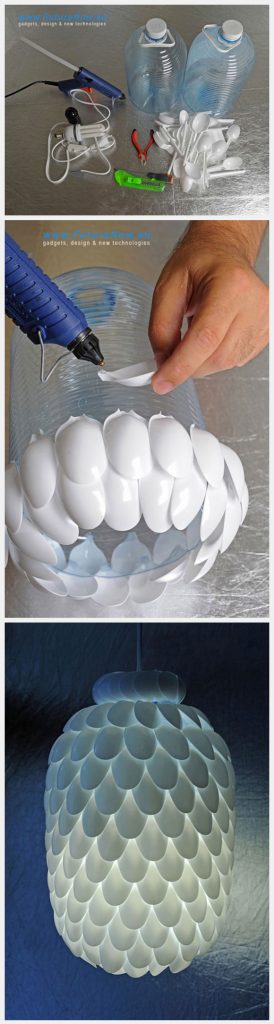
Consider the common plastic bottles that end up in landfills every day. With a bit of creativity, these bottles can be converted into beautiful light fixtures. By cutting them into intricate designs and stringing them together, they transform into gorgeous chandeliers that not only illuminate a space but also serve as an eye-catching centerpiece. In addition to functional lighting, painted plastic bottles can also become garden planters, adding a splash of color to outdoor areas.
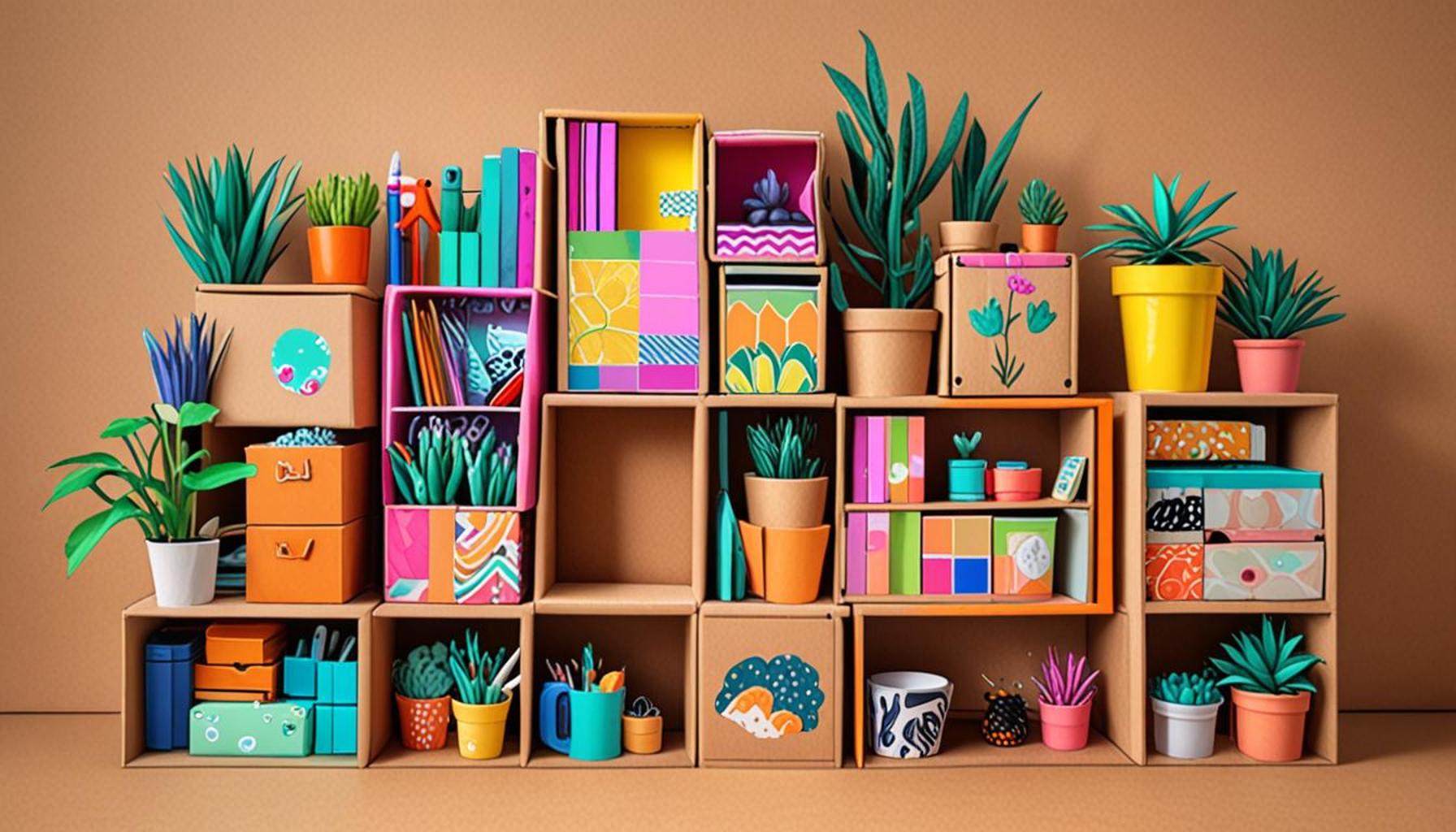
Another widely available material is cardboard boxes. These items, often viewed as mundane, can be turned into stylish organizers or decorative storage solutions. A simple makeover can involve wrapping them in colorful fabric or paper, allowing them to blend seamlessly with the existing decor of a room. In Nigerian homes, one might find cardboard boxes transformed into carefully designed toy chests, reflecting local aesthetics and craftsmanship.
- Old Newspapers: Repurposed into elegant wall art or decorative bowls, newspapers can become stunning conversation pieces. Many Nigerian artisans have found innovative ways to weave these papers into intricate crafts, showcasing local stories and history.
- Used Tires: Often discarded, they can be repurposed into functional garden furniture or trendy ottomans. By painting them and adding soft cushions, these tires can offer both comfort and a touch of creativity to outdoor spaces, making them particularly appealing in Nigerian gardens.
- Socks or Old Clothes: Who knew they could be used as creative candidates for home decor? By sewing or repurposing, you can make delightful doorstops, stuffed animals, or decorative pillows that bring a personal touch into a room.
These innovative uses of recyclable materials not only help mitigate waste but also allow individuals to craft pieces that tell their stories. Upcycling provides a way to imbue a home with personality, allowing each item to carry a narrative that resonates within families and communities. As Nigerians increasingly come to appreciate this concept, the culture of upcycling is set to flourish, blending tradition with modern creativity.
The importance of engaging in such creative practices goes beyond aesthetics. By repurposing recyclable materials, individuals contribute to a circular economy that minimizes waste production and teaches valuable skills. Workshops are increasingly sprouting in urban areas that focus on guiding people through the process of creating home decor from what would typically be discarded. This fosters a community spirit and encourages collaboration, as individuals share their ideas and learn from one another in the process.
| Category | Details |
|---|---|
| Eco-Friendly Practices | Reducing waste and promoting sustainability by giving a new life to materials often discarded, such as glass bottles and old wood. |
| Creative Expression | This process encourages imagination and personal style, allowing individuals to create unique and customized decor that reflects their personality. |
| Cost-Effective Solutions | Budget-friendly home decor ideas can be achieved through using accessible recyclable materials, making home improvement projects achievable for everyone. |
| Community Building | Engaging in projects focused on upcycling can promote community collaboration and foster relationships among those interested in sustainable living. |
In exploring the delightful world of turning recyclable materials into stunning home decor, we tap into a narrative rich with benefits and creative possibilities. By joining the movement of eco-friendly practices, individuals not only contribute to environmental conservation but also inspire others to adopt similar habits, making it a vital part of a conscious lifestyle. Moreover, this journey of transformation serves as a canvas for creative expression, allowing crafters and decorators alike to push the boundaries of conventional aesthetics. The integration of unique items fashioned from everyday recycled goods results in emotionally resonant spaces that tell personal stories.Furthermore, these projects often lead to cost-effective solutions that lower the financial barriers associated with home decor. Families and individuals can indulge in stylish enhancements without stretching their budgets, making creative home decoration accessible to all. Lastly, becoming part of this initiative can help in community building, where local workshops and meetups promote sharing ideas, resources, and skills, creating a network of environmentally conscious individuals dedicated to a greener future.
RECOMMENDED: Check out this similar article
Exploring Cultural Expressions Through Recycled Decor
The notion of recycling and transforming materials can be particularly poignant in Nigeria, where traditional crafts are prevalent. Artisans are increasingly innovating by incorporating upcycled materials into their creations, further enriching the cultural landscape. This blend of heritage and modern sustainability manifests in the aesthetic of home decor that not only beautifies living spaces but also infuses them with stories of resourcefulness and creativity.
One fascinating example to consider is the use of glass jars, which are often repurposed into stylish vases or candle holders. With vibrant paints and decorations that reflect Nigeria’s rich culture, these jars become more than mere containers; they evolve into stunning works of art that tell a story. Adorning tables or shelves, these creations often echo the patterns and colors seen in traditional Nigerian textiles, making an instant cultural connection that sparks conversations.
Furthermore, utilizing aluminium cans opens a realm of possibilities for creating decorative items such as wall art or unique kitchen decor. By using techniques like punching holes or sculpting, individuals can craft gorgeous pieces that play with light and shadow, adding dimension to their homes. Innovative artisans have begun experimenting with Nigerian folklore themes, incorporating iconic motifs that resonate with local history and traditions, thus bridging the past with modern methods.
- Wooden Pallets: Often discarded in industrial settings, wooden pallets can become rustic furniture like coffee tables or bookshelves when reimagined. These sustainable pieces not only minimize waste but also provide an opportunity to showcase creativity through customized finishes and designs that reflect personal style.
- Fabric Scraps: Instead of tossing out leftover fabric, designers can transform these remnants into gorgeous textile wall hangings or patchwork cushions. In Nigeria, where fabric holds cultural significance, reusing materials creates both a sustainability narrative and a connection to the rich textile heritage.
- Old Electronics: Discarded gadgets can be turned into quirky statement pieces, such as clocks or sculptures. Unused computer parts transformed into artistic decor engage viewers, inspiring thoughts about technology’s lifecycle while adding a modern edge to traditional home styling.
In addition to individual creativity, community initiatives focusing on workshops for upcycling are gaining momentum. These events not only provide a platform for learning the intricacies of transforming waste into decor but also foster collaboration among participants. Being part of these workshops allows individuals to appreciate diverse artistic interpretations, sometimes leading to the establishment of small businesses that promote sustainable practices.
The conversation surrounding recyclable materials in home decor is not merely about aesthetics; it also addresses significant environmental concerns. By embracing these practices, communities can combat waste pollution and advocate for minimalism, fostering a culture of appreciation for the earth’s resources. Furthermore, as more Nigerians become aware of the positive impact their choices have on the environment, the trend of upcycling will naturally gain a stronger foothold, moving beyond simple decoration to become a lifestyle choice.
As the movement continues to evolve, individuals and communities are invited to reflect on how they can engage with their materials, not just as waste to be discarded, but as opportunities for artistic expression. Transforming recyclable materials into creative home decor not only gives new life to old items but also encourages a new way of thinking about consumption and creativity in our own spaces.
YOU MAY ALSO LIKE: Read read another article
Conclusion: The Art of Upcycling in Home Decor
The practice of transforming recyclable materials into creative home decor represents a powerful shift towards sustainability and artistic expression. As traditional crafts blend with modern innovation, individuals across Nigeria are reimagining waste as a cornerstone of their home aesthetics. This revolution not only redefines the concept of beauty but also emphasizes the importance of resourcefulness and the stories behind each piece created. From beautifully painted glass jars that serve as vibrant centerpieces to imaginative aluminum can sculptures that celebrate folklore, every item crafted from discarded materials showcases the richness of our cultural heritage.
Moreover, community workshops focused on upcycling are fostering collaboration and sparking inspiration among participants. These gatherings serve as vital platforms for spreading awareness about environmental sustainability while nurturing local talent. The movement encourages a cultural and environmental conscience, inviting individuals to view their surroundings not as an overflow of waste, but as a treasure trove of creative potential.
As the dialogue around sustainable home decor continues to expand, it becomes clear that engaging with recyclable materials is not just a trend—it is a transformative lifestyle choice. By embracing this path, we’re not only enhancing our living spaces but also paving the way for a greener future. As cities and cultures evolve, it is pivotal for each of us to reconsider how we consume, create, and contribute to the world’s artistic narrative. Let your own space resonate with creativity and responsibility, and join the movement of turning waste into wonder.