Recycling Techniques in Craft: Creating Sustainable Beauty in Nigeria

Embracing Artistry and Sustainability in Nigeria
In recent years, there has been a growing consciousness in Nigeria about the environmental impact of waste. As a result, crafting with recycled materials has developed into an inspiring form of artistic expression that brings together creativity and sustainability. This movement encourages individuals not only to craft beautiful items but also to challenge society’s consumption habits and promote a culture of resourcefulness.
Innovative Recycling Techniques in Craft
Artists and crafters across Nigeria are using innovative recycling techniques to transform everyday waste into magnificent art pieces. These creatives are making an impact by showcasing how waste can be reimagined, turning the ordinary into extraordinary. Some noteworthy examples include:
- Plastic Bottle Sculptures: Artists have been known to transform discarded plastic bottles into captivating sculptures. In cities like Lagos, public installations made from thousands of these bottles draw the attention of passersby, sparking conversations about recycling and community responsibility.
- Fabric Remnants: Tailors and fashion designers are breathing new life into leftover textile scraps, creating unique bags, clothing, and accessories. Events like the Lagos Fashion Week have started to feature designs that highlight sustainability, proving that fashion can be both trendy and eco-friendly.
- Paper Mache: Old newspapers and magazines are not just waste; they are being transformed into exquisite decor items. Local artisans often craft masks, figurines, and home decor, showcasing cultural narratives while promoting the importance of recycling paper materials.
The Broader Impact of Recycling
The initiatives surrounding crafting with recycled materials do much more than beautify spaces; they signify a deeper movement toward sustainable beauty that resonates within the community. By embracing recycling, artisans are contributing to vital causes such as:
- Environmental Awareness: Many craft projects aim to educate others about the significance of waste reduction. Workshops organized by local artists educate participants on the benefits of recycling and the environmental impact of waste.
- Economic Opportunities: Handmade crafts can provide valuable income streams for artisans, especially in a country where unemployment often looms large. Craft fairs and online marketplaces allow these creators to sell their work, promoting financial independence.
- Cultural Heritage: By combining traditional crafting techniques with modern recycled materials, artists preserve the rich cultural narratives of Nigeria. This blending not only honors the past but also rejuvenates local identities and creates a sense of pride in community craftsmanship.
A Celebration of Creativity and Regeneration
In Nigeria, the journey of recycling techniques in craft unfolds as a vibrant celebration of creativity and regeneration. This movement is a calling for everyone to embrace innovative practices that respect the environment while showcasing artistic talents. As we explore these innovative methods, we uncover a world where creating beauty and promoting sustainability go hand in hand, inviting us to reflect on our roles in shaping a greener future.
SEE ALSO: Click here to read another article
Innovative Recycling Techniques in Craft
In Nigeria, the art of recycling goes beyond mere necessity; it has blossomed into a vibrant cultural phenomenon. Crafters and artists across the nation are employing transformative recycling techniques, taking discarded materials and turning them into not only beautiful art but also meaningful commentary on consumerism and waste management.
One of the leading techniques gaining momentum is the creation of plastic bottle sculptures. Artists harness their creativity to assemble these ubiquitous waste items into eye-catching installations that often grace public spaces. In cities like Lagos and Abuja, large sculptures crafted from thousands of discarded plastic bottles serve as reminders of the environmental challenges facing urban landscapes. Some of these installations have become tourist attractions, sparking conversations around sustainability and encouraging communities to rethink their waste practices.
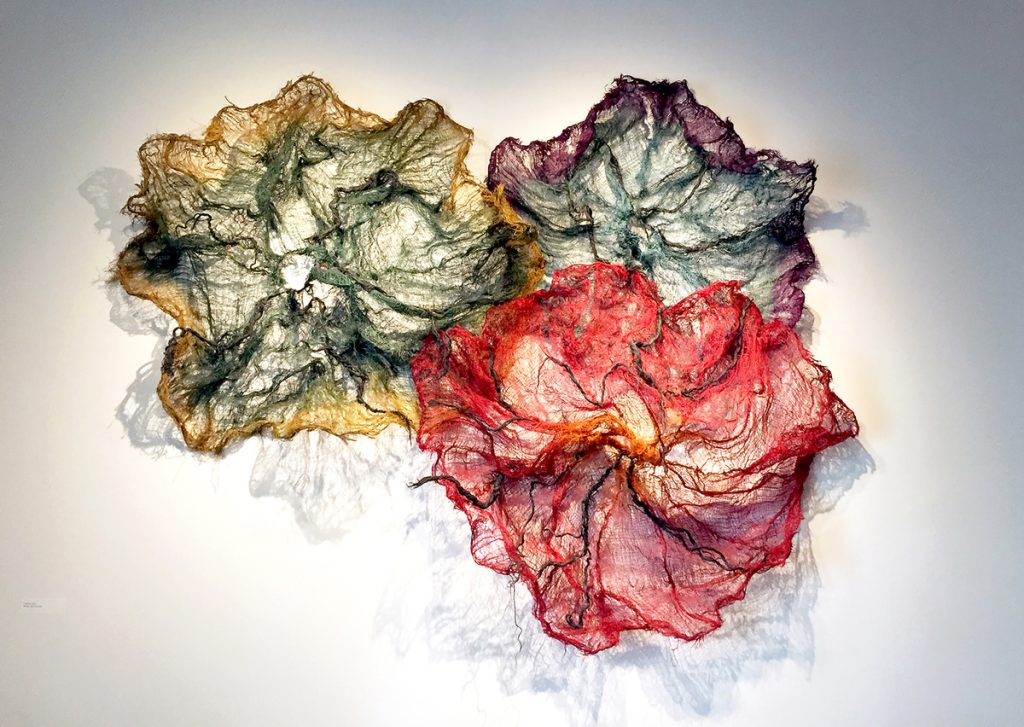
Additionally, the fashion scene in Nigeria is increasingly shifting towards eco-consciousness, primarily through the innovative use of fabric remnants. Local tailors and designers have begun crafting unique bags, skirts, and accessories out of leftover textured materials that would otherwise contribute to landfills. High-profile events, such as the Lagos Fashion Week, have taken notice of this trend, featuring collections that flaunt sustainable practices. This shift illustrates that fashion can be both stylish and environmentally responsible, appealing to a generation that values authenticity and sustainability in their purchasing choices.
Notably, the practice of using paper mache techniques showcases how artisans are reviving traditional skills while simultaneously focusing on recycling. Old newspapers and magazines find new life in the hands of skilled craftspeople who transform them into beautifully intricate decor items. From culturally significant masks to vibrant home décor that tells local stories, these paper mache creations reflect the rich heritage of Nigeria while advocating for responsible consumption. Artisans hosting workshops on corollary paper projects are fostering a deeper understanding of recycling among community members, thus extending the impact of their craft.
These innovative recycling techniques do more than beautify homes and public spaces; they illustrate a growing commitment to environmental stewardship and social responsibility within the art community. By engaging in recycling, some artists are initiating a vital dialogue about waste management and environmental preservation that resonates throughout the nation. Furthermore, the marriage of artistry and sustainability creates a pathway for those interested in economic empowerment, where handmade crafts generated from recycled materials provide income opportunities for artisans and promote local craftsmanship.
Through the lens of creativity and resourcefulness, the movement towards recycling in craft is not just a trend; it is a testament to the resilience of the Nigerian spirit. As more artists experiment with various materials and techniques, the potential for innovation continues to grow, encouraging a collective journey towards a sustainable future.
| Category | Key Features |
|---|---|
| Eco-friendly Materials | Utilizing waste products like plastic bottles and old fabrics. |
| Innovative Craft Techniques | Merging traditional methods with modern recycling practices. |
| Community Engagement | Involving local artisans fosters sustainable development. |
| Economic Viability | Creating job opportunities through innovative recycling crafts. |
In the vibrant landscape of Nigeria, the intersection of recycling and craft presents a unique opportunity for cultural and economical transformation. The use of eco-friendly materials such as plastic waste and fabric remnants is enhancing the aesthetics and functionality of crafts, driving awareness toward sustainability. By embracing innovative craft techniques, artisans not only breathe new life into discarded items but also maintain a strong cultural narrative that respects their heritage.Moreover, community engagement plays a pivotal role in these efforts. Local artisans are empowered to come together, sharing skills and knowledge, which in turn promotes sustainable development within their communities. This not only creates a sense of belonging but also encourages the collaborative spirit required for overcoming challenges related to waste management.Additionally, the economic aspect cannot be overlooked; as more artisans venture into recycling techniques, there is a growing recognition of their work, leading to increased economic viability in craft production. This burgeoning sector is providing job opportunities that stem from the creative adaptation of recycled materials, thereby contributing to both local economies and environmental sustainability. The continued evolution of these practices promises a future where art and sustainability converge harmoniously in Nigeria.
YOU MAY ALSO LIKE: Read read another article
Community Engagement and Education in Recycling Crafts
The transformative power of recycling crafts in Nigeria is further amplified by community engagement and educational initiatives focused on sustainability. Grassroots movements and non-profit organizations are collaborating with local artisans to elevate the discourse around waste management and creativity. These workshops teach essential skills in sustainable crafting techniques and empower individuals to turn waste into opportunities, fostering a culture of eco-consciousness throughout communities.
In many urban and rural areas, community workshops are organized where participants learn to create functional and artistic items from waste materials. Upcycled home décor, for instance, utilizes discarded glass jars, metals, and wood, enabling participants to breathe new life into items that would typically be thrown away. By instilling these skills, community leaders not only promote creativity but also inspire participants to consider entrepreneurial ventures, contributing positively to local economies.
One notable example is the Artisans Against Waste initiative, which brings together craftsmen and local activists to educate people about the importance of recycling in creative practices. Their projects have included building furniture from old pallets, crafting solar lamps from plastic bottles, and creating wearable art from scrap metals. The collaborative nature of these initiatives strengthens community ties and builds a shared commitment toward sustainability.
Championing Traditional Techniques with a Modern Twist
The blend of traditional craftsmanship and modern recycling techniques is another aspect that adds depth to Nigeria’s art scene. Craftsmen skilled in age-old techniques are now incorporating recycled elements to create stunning pieces that resonate with both cultural heritage and contemporary aesthetics. For instance, indigenous weaving practices are receiving a fresh perspective as artisans use discarded textiles to weave beautiful baskets and mats that preserve traditional methods while introducing sustainable practices.
Moreover, with the rise of digital platforms, many Nigerian artists are leveraging social media to share their processes, promote their creations, and educate a wider audience about the benefits of recycling in craft. Artists such as Jumoke Oyeleke, who highlights her journey of using discarded fabrics to create beautiful quilts laden with stories, embody this intersection of craft and eco-sustainability. Her online presence serves not just as a showcase for her work but as a platform to inspire others to dive into the world of recycled art.
The Intersection of Art and Policy
As the recycling movement in Nigeria gains traction, there is an increasing need for supportive policies that recognize the role of arts in promoting sustainable practices. Advocacy for stronger waste management regulations can further empower artists and crafters, giving them access to resources that facilitate recycling. Collaboration between governmental bodies, NGOs, and local artists can pave the way for initiatives that support not just the creation of art from waste but also elevate public awareness regarding environmental issues.
In conclusion, the ongoing exploration of recycling techniques in craft reflects a growing awareness and dedication to sustainability within Nigeria. Community-driven efforts, traditional techniques infused with modern recycling, and active engagement in dialogues about policies all contribute to a landscape where sustainable beauty is not just an artistic pursuit but a collective priority for the nation. As this movement continues to grow, the fusion of creativity and ecological responsibility promises to shape a vibrant future for artisans across Nigeria.
CHECK OUT: Click here to explore more
Conclusion
The vibrant tapestry of recycling techniques in craft represents not only a practical response to environmental challenges but also a profound cultural renaissance in Nigeria. As communities come together to harness creativity from waste, a new narrative emerges—one that intertwines tradition with modern sustainability efforts. Artisans are leading the charge by transforming discarded materials into exquisite handcrafted items, showcasing not just eco-conscious artistry but also innovative approaches to regeneration.
Looking ahead, the synergy of grassroots educational initiatives and traditional crafting holds the potential to redefine Nigeria’s artistic landscape. As movements like Artisans Against Waste gain momentum, they underscore the need for a collective responsibility toward environmental stewardship, turning the act of recycling into a celebrated facet of cultural expression. The embrace of digital platforms is further amplifying this movement, allowing artists to reach a global audience while inspiring others to consider sustainability as a key element of their creative practices.
However, for the recycling craft scene to flourish, ongoing support from policymakers and community leaders is essential. Investment in education, accessible resources, and supportive frameworks will empower artisans to innovate further and promote a circular economy. Ultimately, the marriage of art and sustainability in Nigeria is not just about creating beautiful objects; it is about fostering a deeper connection to cultural heritage and environmental integrity. As this movement evolves, it will undoubtedly continue to catalyze change, inspire future generations, and enlighten the world on the beauty of sustainable practices. The journey towards crafting a greener future in Nigeria is just beginning, and each upcycled creation is a step toward a more sustainable nation.