Using Interactive Games in Pet Training: Stimulating the Mind and Body
The Importance of Play in Training Your Pet
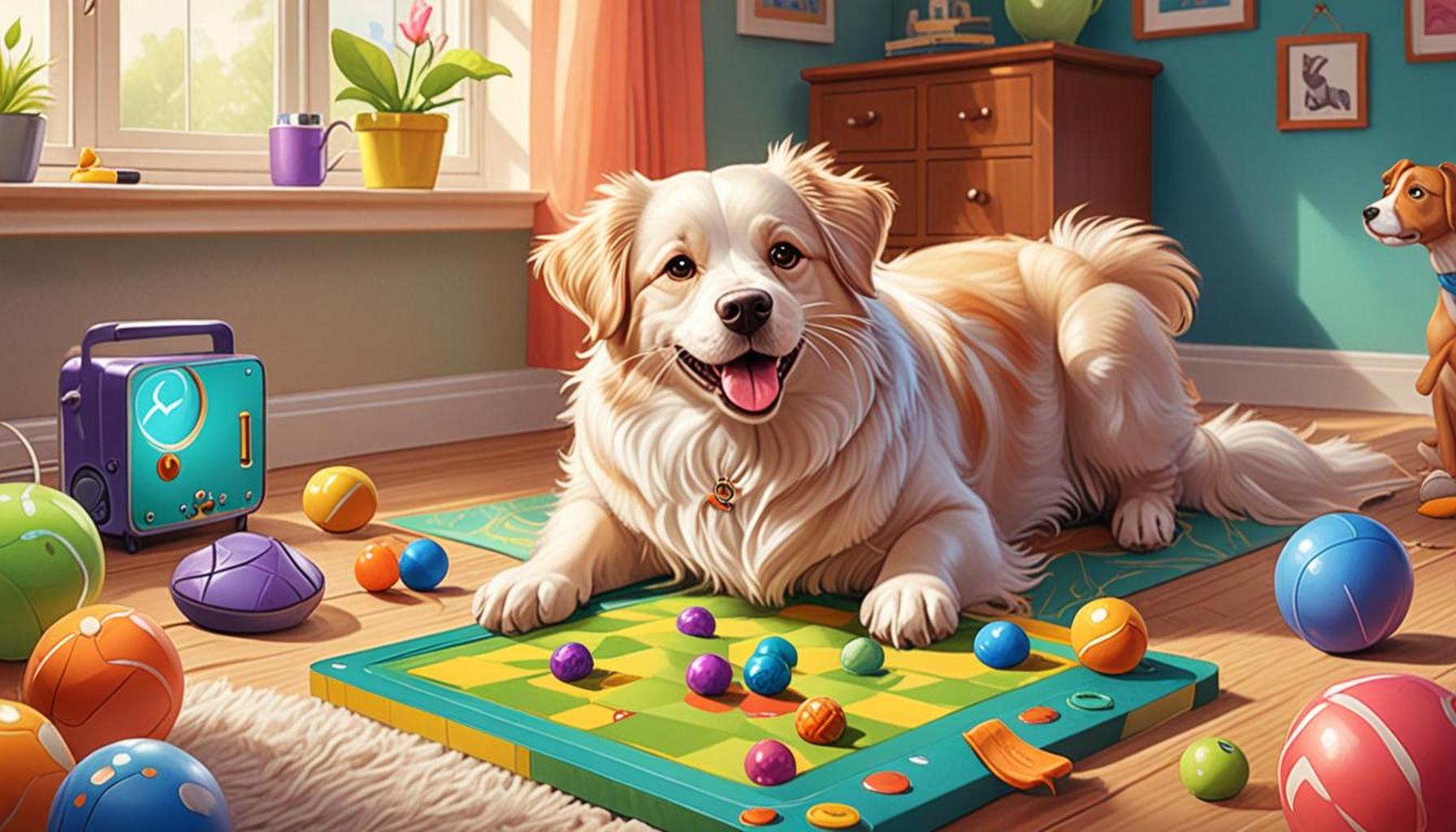
Incorporating interactive games into pet training provides an exceptional avenue for stimulating both the mind and the body of your furry friends. In diverse communities across Nigeria, where pets are often seen as cherished family members, these engaging methods offer a way to bond, build trust, and enhance learning while keeping the experience enjoyable. By turning ordinary training sessions into dynamic playtime, pet owners can see immense improvements in their pets’ behaviors and overall well-being.
Benefits of Interactive Games
The advantages of integrating play into training programs are numerous and impactful:
- Enhance mental agility: Games challenge pets to think critically and creatively, improving their cognitive skills. For instance, puzzle toys that require pets to solve a problem in order to access a treat can sharpen their intelligence.
- Increase physical activity: Play encourages pets to exert energy, which is essential for maintaining a healthy weight and combating issues like obesity. Outdoor games such as fetch can be particularly beneficial and are a common sight in urban parks across Nigeria.
- Strengthen the human-animal bond: Engaging in activities together fosters a deeper connection. Regular playtime not only enhances trust but also establishes positive associations between training and fun, making your pet more willing to learn.
- Reduce behavioral issues through stimulation: Boredom can often lead to destructive behaviors. Interactive play keeps pets entertained, reducing issues such as barking, chewing, or digging. In communities where pets roam freely, mental and physical stimulation becomes particularly vital.
Games keep pets entertained while creating an effective learning environment. Various exciting options can be easily implemented:
- Obstacle courses: Use everyday household items like chairs and boxes to create a fun obstacle course in your living room or backyard. This can improve agility and confidence.
- Interactive puzzle toys: These toys can be purchased or homemade, providing challenges that encourage pets to solve problems to earn rewards. This approach is particularly popular for intelligent breeds like Border Collies.
- Chase games: Traditional games like tag or fetch can be an excellent way to promote physical exercise. These games are ideal for high-energy dogs, and they foster teamwork as pets work with their owners to navigate the play scenarios.
For families in Nigeria, where pets are cherished members of the home, exploring innovative training methods is essential. Engaging your pets with interactive training games not only keeps them active and healthy but also enriches the quality of the time spent together. By continuously discovering new games and activities to incorporate into daily routines, pet owners can ensure that their furry companions remain happy, well-behaved, and deeply connected to their families.
Engaging the Senses: Types of Interactive Games for Pets
When it comes to interactive games in pet training, the types of activities available are expansive and can be tailored to suit any pet’s personality or energy level. By incorporating both physical challenges and mental puzzles, pet owners can create a holistic training experience that enriches their companions’ lives. Here are some engaging ideas that transform training into playtime:
- Hide and Seek: This classic game can be adapted for pets, where owners hide in different areas of the home or yard, calling their pets to find them. It builds recall skills while providing mental stimulation, all while allowing pets to engage their natural instincts.
- Treat Scavenger Hunts: This game encourages your pet to use their sense of smell by hiding treats around your home or yard. Start in a controlled area and gradually increase the difficulty as your pet becomes more skilled at sniffing out their rewards.
- Interactive Fetch Modifications: While traditional fetch is a staple, variations such as using different toys or incorporating obstacles can promote agility and keep the game fresh and exciting. Consider using colorful frisbees or balls that are easy to spot in grass or mud.
- Training Games with Clickers: Incorporate clicker training into interactive games. Use the clicker to mark desired behaviors during play sessions, reinforcing learning through immediate, positive feedback. This method is particularly effective for training puppies, as it establishes a clear line of communication.
In Nigeria’s vibrant neighborhoods, where outdoor spaces can often serve as gathering spots for families, interactive games become a communal activity, promoting social connections. Organizing friendly competitions among neighbors to see who can set up the most creative obstacle course or scavenger hunt can both entertain and strengthen community bonds.
The benefits of these games extend beyond simple entertainment. By stimulating their minds and bodies through interactive play, pets develop better discipline and understanding of commands. Furthermore, regular participation in these activities can lead to enhanced confidence, particularly in shy or anxious pets. A confident pet is less likely to engage in negative behaviors, indicating that play serves not just as a leisure activity but also as a crucial component of successful training.
Ultimately, the goal of integrating interactive games in pet training is to foster a loving environment where pets feel safe, valued, and engaged. By continuing to explore various games and adapting them to our pets’ changing needs and abilities, we can ensure that training remains a delightful journey for both pets and their owners.
| Advantage | Why It Matters |
|---|---|
| Enhanced Mental Stimulation | Interactive games challenge pets to think critically and solve problems, enhancing cognitive skills. |
| Promotes Physical Activity | Games encourage movement and exercise, combating obesity and ensuring overall health. |
| Strengthened Bond with Owner | Engaging in play fosters a strong relationship, enhancing trust and cooperation. |
| Reduction of Behavioral Problems | Keeping pets occupied with games helps mitigate anxiety and destructive behaviors. |
Utilizing interactive games for pet training not only stimulates the mind but also the body, making them pivotal for a healthy pet lifestyle. Many dog owners find that incorporating such activities can prevent boredom, a common cause of behavioral issues. Training games can include simple tasks like fetch or more complex puzzle games that challenge pets to use their problem-solving skills. Additionally, these experiences often lead to significant improvements in obedience and responsiveness during training sessions, as pets become more engaged and eager to participate. Moreover, through interaction during gameplay, the bond between pet and owner strengthens, leading to lasting companionship.
Building Bonds Through Cooperative Play
In addition to enhancing training outcomes, interactive games also serve as a bridge between pets and their owners, fostering a healthy bond that encourages trust and affection. Engaging in mutual activities such as interactive games in pet training creates unforgettable experiences that can enrich both parties’ lives. For instance, playing tug-of-war can teach your dog about impulse control while also being an outlet for energy. It’s essential, however, to ensure the game remains safe and enjoyable; letting your pet win occasionally can boost their confidence and solidify their trust in you.
Furthermore, cooperative games can surprisingly boost the owner’s physical health too, as pet parents often find themselves running, jumping, or crawling alongside their furry friends. In places like Lagos or Abuja, setting up parks designated for pets offers a perfect setting for these activities. Participating in local pet events, where owners can compete in fun games, fosters community spirit and helps motivate owners to engage with their pets more effectively.
Technological Innovations in Interactive Pet Games
In the digital age, technological innovations are also making waves in the realm of interactive pet games. Smart devices, such as treat-dispensing cameras, allow pet owners to engage with their pets remotely, maintaining the training momentum even when they are away. These gadgets can present challenges like puzzles that your pet must solve to earn their treats, thus marrying the principles of interactive games in pet training with modern technology.
Moreover, apps have emerged that track pets’ activities, providing feedback and suggested games based on their responsiveness and energy levels. Such features ensure that training continually evolves and adapts to the specific needs of each pet, further stimulating their minds and bodies. This integration of technology not only aids in effective training but also provides a portal for owners to understand their pets’ behavioral patterns better, reinforcing the importance of consistent engagement.
The Psychological Benefits of Play
The significance of interactive games extends beyond physical health; the psychological well-being of pets equally thrives with regular engagement. Activities that challenge mental abilities can keep pets sharp and alert, combatting behavioral issues stemming from boredom. An intellectually stimulated pet is less likely to display destructive behaviors, making play a vital component of pet ownership.
For breeds prone to anxiety, especially in busy urban environments, incorporating interactive games can serve as a natural therapy. Simple games that engage problem-solving skills can distract pets from stressors, allowing them to channel their energy into something positive. With the regular practice of these games, pet owners can create a calming routine that nurtures their pets’ emotional health.
Additionally, the social dynamics brought about by encouraging pets to interact with others during play can lead to improved behavior. For instance, introducing your pet to local dog meet-ups in places like Enugu can provide them with essential social skills, enabling them to learn valuable life lessons through interaction.
Ultimately, the incorporation of interactive games in pet training serves as a multifaceted approach, offering immense benefits that encompass physical fitness, mental sharpness, emotional stability, and strengthened bonds. By embracing this approach, pet owners can ensure a comprehensive training regimen that truly enriches the lives of their beloved companions.
Final Thoughts on Interactive Games in Pet Training
Incorporating interactive games in pet training undeniably serves as a critical component for enhancing the overall well-being of pets. Not only do these games promote physical fitness and challenging mental exercises, but they also strengthen the bond between pets and their owners. As explored, engaging in mutual play fosters trust, encourages healthy behaviors, and leads to a fulfilling companionship.
A noteworthy aspect is the transition technology has brought to pet training methods, allowing access to innovative tools and gadgets that enhance the training experience. By employing smart devices and apps, pet owners can track their pets’ progress and provide tailored stimulation that caters to their unique needs. This modern twist makes training both effective and convenient, which is particularly beneficial for busy urban dwellers in Nigeria.
Moreover, the psychological benefits of play cannot be overstated. Regular engagement in interactive activities helps counteract behavioral challenges often associated with boredom, reducing anxiety levels, especially in high-density areas like Lagos and Abuja. Improving social dynamics through local events and meet-ups not only contributes to better behavior but also integrates a sense of community among pet owners.
As pet ownership continues to evolve, embracing interactive games in training emerges as a holistic approach that blends fun with essential learning. By prioritizing play, you are not just cultivating a well-behaved pet but also ensuring a mentally stimulated, emotionally secure, and physically fit companion. This perspective on pet training ushers in a new chapter for pet lovers in Nigeria, promising enriching experiences for both owners and their cherished animals.