Training Senior Pet Animals: Adapting Methods for Seniors
Understanding Senior Pets and Their Unique Needs
As pets age, their needs change, just like ours. This evolution in requirements necessitates a comprehensive understanding of how to adapt our training methods effectively. Senior pet animals often display a distinct shift in behavior that pet owners should recognize, especially in a diverse country like Nigeria where pet ownership is becoming increasingly popular. Training requires a tailored approach that considers both physical and mental capabilities, ensuring our older companions remain comfortable and engaged.
Many pet owners in Nigeria may find that their once vibrant companions are now slower, perhaps displaying signs of arthritis or fatigue. For example, a lively dog that once enjoyed long walks may now prefer shorter strolls. Similarly, a cat that spent hours playing might now seem more interested in lounging in a sunny spot. Recognizing these signs of aging is crucial for adjusting training methods and ensuring that we meet the unique needs of senior pets.
Key Considerations for Training
- Patience is Crucial: Senior pets may need extended time to grasp new commands. Training sessions should include repeated verbal cues and possibly demonstrating commands a few times before expecting a response.
- Gentle Techniques: Positive reinforcement works best for senior pets. Treats like small pieces of cooked chicken or dried fish can be particularly enticing. Praise and gentle petting should also accompany any successful task completion.
- Short Sessions: To prevent overwhelming your senior pet, keep training sessions brief, ranging from 5 to 10 minutes. This keeps the experience enjoyable without causing frustration or fatigue.
By recognizing these characteristics, pet owners can foster a stronger bond while encouraging good behavior. It’s important to remember that a calm and supportive atmosphere enhances the learning experience, allowing older pets to thrive. By employing the right techniques and offering gentle encouragement, owners not only can help their pets feel secure but can also enrich their quality of life, making even simple interactions meaningful.
This shift in training approach ensures that our elderly animals remain engaged and mentally stimulated, which is essential in their twilight years. Continued exploration of effective methods, including joining local pet owner groups or seeking advice from veterinarians, can equip owners with insights that profoundly benefit both pets and their human companions. Ultimately, a committed approach to understanding and adapting to the needs of senior pets creates a rewarding relationship that enhances the well-being of these beloved family members.
Adapting Training Techniques for Senior Pets
When it comes to training senior pet animals, understanding their specific needs is paramount. As pets age, many owners in Nigeria might witness changes in their furry friends’ behavior, energy levels, and physical capabilities. This makes it essential to adapt training techniques that not only respect their limitations but also encourage engagement and learning. With proper adjustments, training can become a fulfilling endeavor, enriching the lives of both pets and their owners.
One crucial aspect to consider is that senior pets may experience reduced mobility or chronic pain conditions, such as arthritis. For instance, an older dog could hesitate to follow commands that require running or jumping. Similarly, cats might become less agile in their play. As a result, it is important for pet owners to think creatively and tailor activities to their senior companions’ evolving abilities. This could mean substituting demanding games for gentler activities, allowing pets to participate at their comfort level.
Engaging Your Senior Pet
- Modify Exercises: Instead of long walks, short jaunts around the neighborhood or gentle play sessions can be more beneficial. Engaging in activities that keep them physically active without overexertion is vital for senior pets.
- Adapt Command Training: Focus on simple commands and use gestures that are easy for senior pets to see and understand. For example, a gentle hand signal combined with verbal commands can help reinforce learning.
- Utilize Their Senses: Senior pets rely more on their other senses as their vision and hearing might decline. Incorporating tactile toys or using scented cues can stimulate their interest and involvement during training sessions.
- Provide Regular Positive Reinforcement: Celebrate small milestones with treats and affection. This could include a quick scratch behind the ear, praise, or even their favorite food as rewards for tasks completed, which will motivate them.
Additionally, keeping the training environment calm and familiar is key to helping senior pets feel secure. Loud noises and chaotic scenes can cause anxiety, making it harder for them to focus. A peaceful space, free from distractions, helps promote a positive atmosphere where older pets can learn and grow. This can be particularly relevant in bustling households or busy urban areas in Nigeria, where environmental stimuli might hinder learning.
By employing these tailored techniques, pet owners not only facilitate a more efficient training process but also strengthen their bond with their senior pets. Embracing the slower pace that comes with age and celebrating the small victories can lead to a deeply rewarding experience for both parties. As a result, maintaining an ongoing commitment to understanding and adapting to the needs of senior pets is essential for fostering a loving and fulfilling companionship.
| Training Benefits | Key Advantages |
|---|---|
| Enhanced Bonding | Training promotes a stronger connection between pet and owner, enriching emotional ties. |
| Mental Stimulation | Engaging senior pets in training exercises keeps their minds active and sharp, combating cognitive decline. |
| Physical Exercise | Training sessions encourage regular activity tailored to the pet’s physical abilities, promoting better health. |
| Customized Techniques | Adapting methods to suit an older pet’s pace facilitates effective learning while respecting their limitations. |
The training of senior pets requires careful consideration of their unique needs. Customized techniques can make a significant difference, as older animals may have different learning styles compared to their younger counterparts. By embracing these tailored approaches, pet owners not only help their pets learn new commands but also play a crucial role in mental stimulation. Furthermore, maintaining a consistent training routine can provide a comforting sense of structure in a senior pet’s life, leading to improved behavior and adaptability. Moreover, the health benefits achieved through regular training and physical exercises cannot be overlooked. With simple agility exercises or basic commands, owners can enhance their furry friends’ physical well-being while also nurturing a deeper bond through shared activities. Senior pets can experience profound joy from such engagements, which is essential for their overall well-being. Thus, understanding how to train senior pets is not just about teaching obedience but also about fostering a harmonious relationship that adapts to their evolving needs.
Creating a Positive Learning Environment for Senior Pets
Training senior pet animals effectively encompasses more than just tailored techniques; it also involves crafting a supportive and understanding atmosphere conducive to learning. Recognizing the psychological and physical aspects of aging pets can significantly enhance their training experience. For instance, many senior pets may have cognitive changes, similar to those seen in humans, leading to conditions such as canine cognitive dysfunction syndrome (CCDS) or feline cognitive dysfunction. This cognitive decline can manifest as confusion or forgetfulness, which emphasizes the importance of consistency and patience in training.
In Nigeria, where the bond between pets and owners is deeply cherished, providing a consistent routine can help mitigate anxiety caused by these cognitive changes. Establishing a daily schedule for training sessions, meals, and playtime reinforces security and familiarity. Over time, this structure helps senior pets feel more at ease, making them more receptive to training.
Utilizing Interactive Tools
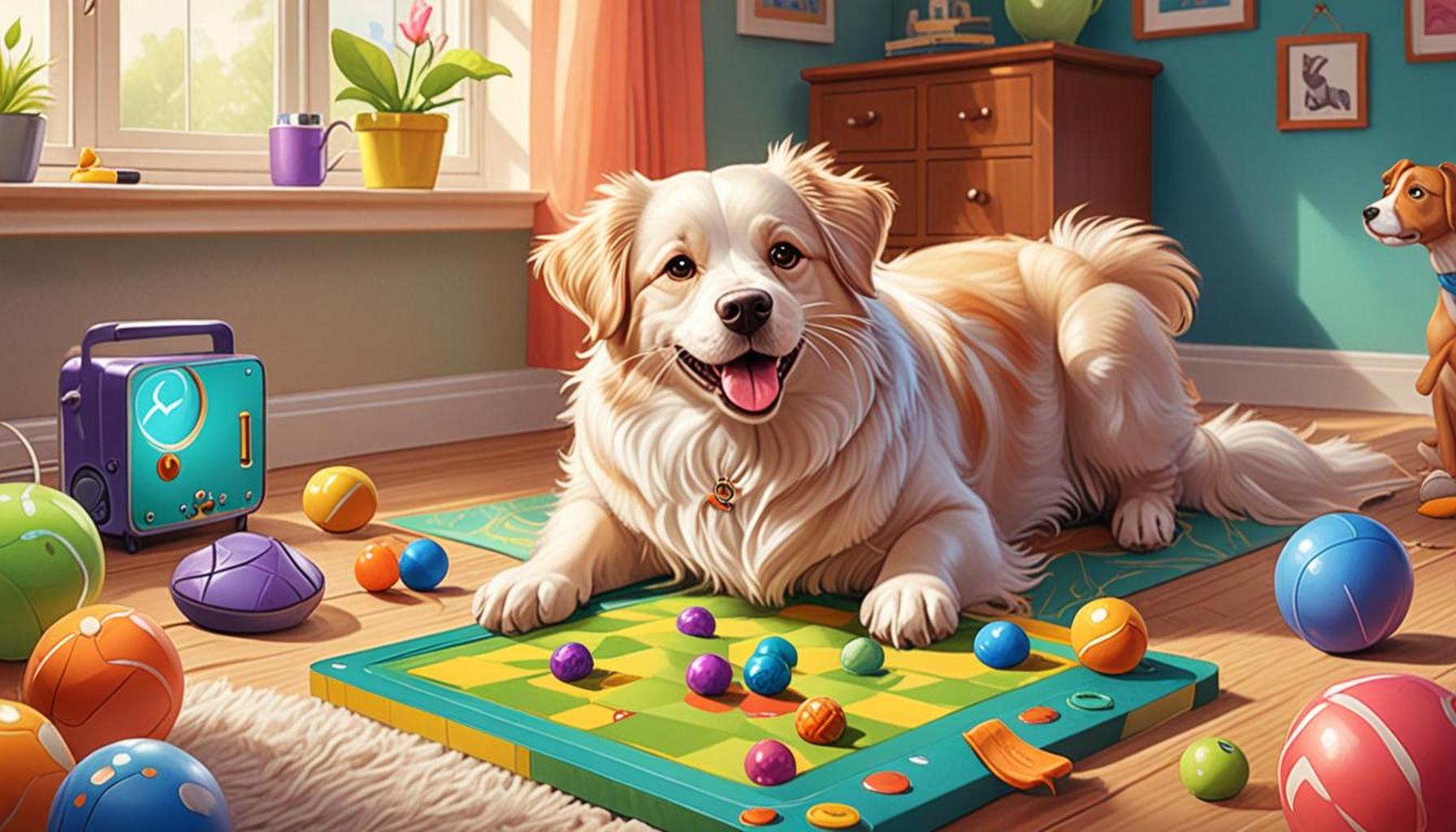
Moreover, the integration of technology and interactive tools can be a game-changer in engaging senior pets. For instance, using interactive toys that challenge their mental acuity while remaining easy to operate can help stimulate their minds. Toys that dispense treats when solved can motivate senior pets, allowing them to enjoy a sense of accomplishment as they figure them out.
Pet owners might also consider exploring mobile applications designed specifically for pet training. Some apps provide step-by-step guides for training commands, utilizing positive reinforcement methods, or even tracking behavioral changes over time. These advancements allow owners to tailor approaches uniquely suitable for their pets, enabling a more targeted training experience.
Strengthening Connections through Socialization
In addition to adjusting physical training methods, fostering social relationships can be tremendously beneficial. Senior pets, particularly dogs, often thrive in social settings, which can enhance their mood and overall well-being. Organizing playdates with other senior pets or small group training can serve as a dual purpose, facilitating learning and providing necessary social interaction.
Nigerian pet owners can leverage local parks or pet-friendly community spaces to create a social environment for their older pets. These outings not only provide them with fresh experiences but also help them practice skills in real-world settings. Social engagements can rekindle their playful instincts and keep their spirits high.
Monitoring Health and Well-being
Throughout the training process, close attention should be paid to the health of senior pets. Regular veterinary visits can ensure that any undiagnosed issues—such as vision impairment, joint pains, or internal health problems—are identified and addressed. Understanding the health status of senior pets provides insight into which training methods may be most suitable for their needs.
Pet owners should remain attentive to signs of stress or discomfort during training. If an exercise appears to cause distress or fatigue, it’s essential to adapt or replace it with a more appropriate activity. This ongoing evaluation not only protects the well-being of senior pets but also reinforces the trusting relationship between pets and their owners.
By adopting these comprehensive strategies, pet owners can create a nurturing environment where senior pets feel valued and engaged. Embracing their unique capabilities and respecting their limitations fosters a training experience that is not only enriching but also strengthens the cherished bond between individuals and their senior companions.
Conclusion
In summary, training senior pet animals requires a blend of compassion, adaptability, and innovative approaches tailored to the unique needs of older pets. As they age, pets may experience physical and cognitive changes that impact their ability to learn; however, these challenges present opportunities for deeper engagement and connection between pets and their owners. By fostering a supportive training environment and employing appropriate techniques—and perhaps utilizing technology and interactive tools—pet owners in Nigeria can make the learning process enjoyable and rewarding for their senior companions.
Moreover, prioritizing socialization and health monitoring holds vital significance in the overall well-being of senior pets. Encouraging interactions with peers and integrating routine veterinary check-ups not only enhance their quality of life but also promote a surprise element of joy. By remaining attentive to the signals and emotional states of aging pets, owners can ensure that training is tailored to their comfort and enjoyment.
Ultimately, the journey of training a senior pet can be profoundly fulfilling, yielding a strong bond between human and animal. It emphasizes the importance of treating them with the dignity and respect they deserve in their golden years. By exploring innovative resources and embracing individualized training methods, pet owners can indeed transform the way they connect with their older companions, paving the way for enriching experiences and cherished memories that last a lifetime.