Rodent Training: Techniques to Enrich the Lives of Hamsters and Guinea Pigs
The Hidden Potential of Your Small Pets
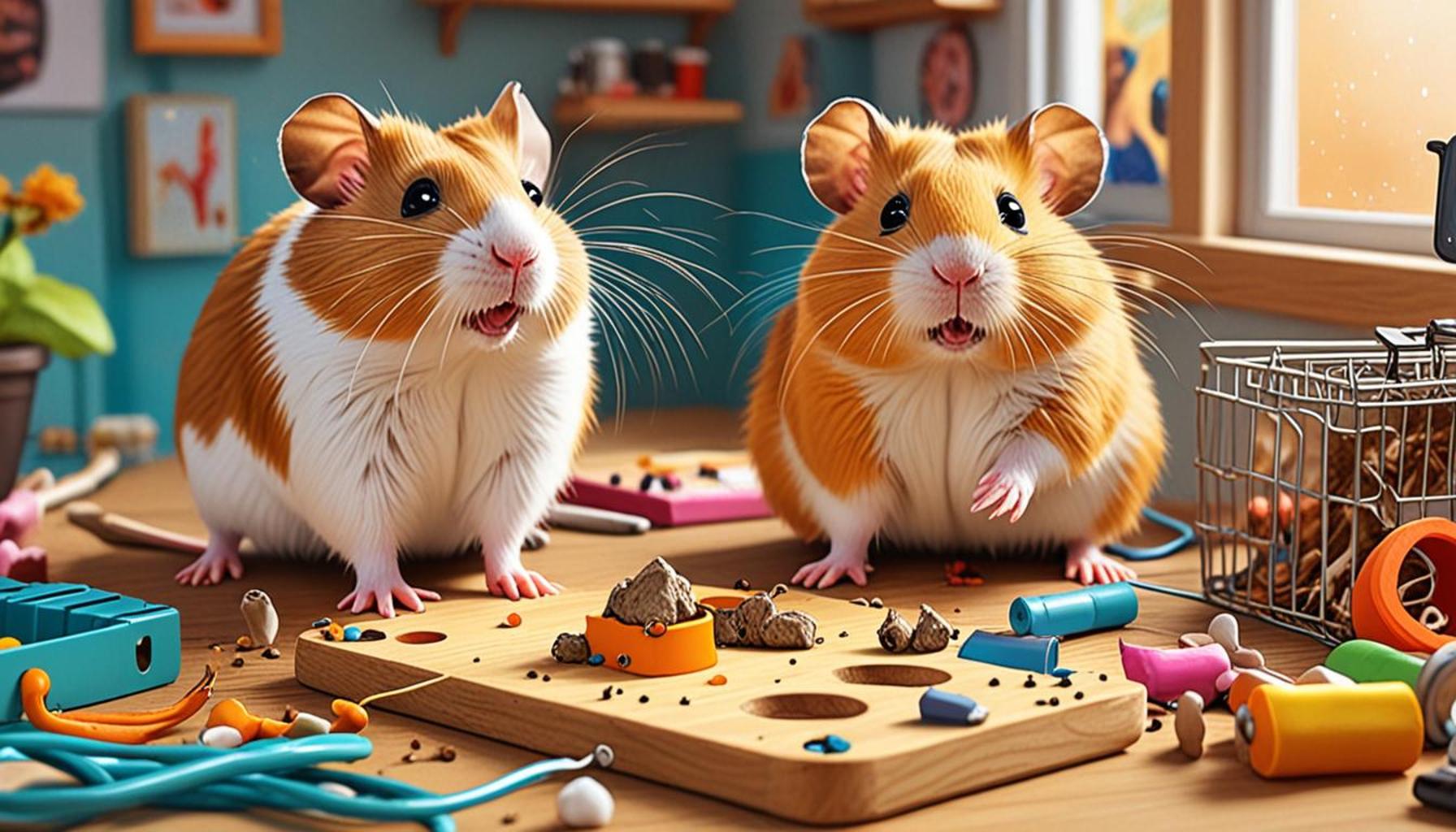
Small pets, often regarded as low-maintenance companions, possess remarkable intelligence and emotional depth. For instance, hamsters can learn a variety of tricks, while guinea pigs are known for their social skills, both of which can be harnessed to create a more rewarding experience for both pet and owner. Engaging your small pets beyond mere cage habitation allows them to exhibit their natural instincts and enriches their quality of life significantly.
Training these pets can yield several pivotal benefits:
- Improved Bonding: Just as humans benefit from shared experiences, pets thrive on interaction. Engaging in training sessions or playtime fosters trust and affection between you and your furry friend. Techniques such as clicker training can be particularly effective in establishing good behavior and rewarding them for their accomplishments, thereby strengthening your bond.
- Physical Activity: Training can incorporate physical challenges that promote health. For instance, constructing a miniature obstacle course can keep your pets active. Simple things like tunnels, ramps, and small platforms can not only serve as a place for physical activity but also challenge their abilities, keeping them both fit and agile.
- Mental Stimulation: Just like humans, rodents can experience boredom, which may lead to unwanted behavior. By introducing new tasks, puzzles, or toys that require problem-solving, you can effectively prevent stress and anxiety. For instance, hiding treats within a toy encourages your pet to work for their rewards, simulating natural foraging behavior.
In Nigeria, the pet ownership landscape is evolving, with more families embracing small pets due to their manageable size and relatively low requirements. As the interest in animal companions grows, understanding proper training techniques becomes integral. Joining local pet clubs or online communities can provide valuable insights, as sharing tips and success stories fosters a collaborative culture among pet owners.
Consider hosting playdates with other small pet enthusiasts, where you can exchange ideas and even set up training challenges. This not only helps build a supportive network of fellow pet owners but also enhances the social experience for your pets, allowing them to interact and learn from one another.
Dive into the vibrant world of training techniques designed to elevate the living experiences of your hamsters and guinea pigs. From mastering simple commands to creating intricate obstacle courses, the opportunities to transform their daily routines into enticing adventures are boundless. Your small pets are not just companions; they are lively beings waiting to share their potential with you.
Engaging Techniques for Training Small Pets
Training your hamsters and guinea pigs goes beyond simple tricks; it is an enriching experience that enhances their lives, caters to their natural instincts, and fosters a deeper connection between pet and owner. Each rodent has its unique personality and capabilities, making tailored training techniques essential for maximizing their potential. Here are some effective methods to consider:
Clicker Training: The Power of Positive Reinforcement
One of the most effective training methods is clicker training. This technique utilizes a small device that produces a clicking sound to signal to your pet that they have completed a desired action correctly. To start, you’ll want to associate the click sound with a treat. When your hamster or guinea pig performs a trick or behavior you’re aiming to reinforce, simply click the device and reward them with a treat. This method not only reinforces positive behavior but also helps instill a trusting relationship between you and your pet.
Obstacle Courses: A Fun Challenge
Creating an obstacle course is an exciting way to keep your pets physically active while also challenging their instincts and mental agility. Using common household items, you can set up a miniature course featuring tunnels, ramps, and small jumps. This encourages your pet to navigate through various challenges, boosting their physical fitness and honing their problem-solving skills. Plus, you can customize the difficulty level as they progress—perfect for adapting to your pet’s growing abilities.
Puzzles and Foraging Games
To keep your pets mentally stimulated, consider introducing puzzles and foraging games. Small animals like hamsters and guinea pigs have a natural tendency to explore and forage for food. You can make this instinct work for you by hiding treats within toys or around their habitat. Simple items like cardboard boxes, or even commercially available toys designed for small pets, can be used to create engaging hide-and-seek experiences. Such activities minimize boredom, reducing stress and potential destructive behavior associated with inactivity.
Socialization and Interactive Play
Given their sociable nature, guinea pigs, in particular, thrive on social interaction. Regular play sessions not only provide physical exercise but also reinforce trust and bonding between you and your pets. Consider arranging playdates with other small pet enthusiasts where your pets can interact and learn from one another. Observing how your guinea pig engages in social settings can offer insights into their behavior, which can be beneficial when designing training activities to meet their social needs.
While the world of rodent training may seem daunting at first, understanding the techniques suitable for your hamsters and guinea pigs will yield rewarding results. By investing time in their training, you create a stimulating environment that caters to their needs, ultimately enriching their lives and enhancing your companionship.
| Advantages | Impact on Well-being |
|---|---|
| Cognitive Stimulation | Engaging activities challenge their minds, preventing boredom. |
| Enhanced Physical Activity | Interactive training sessions promote movement, improving overall health. |
| Strengthening Human-Bond | Building trust through training enhances affection and social interaction. |
| Behavior Modification | Training can correct undesirable behaviors, resulting in a more harmonious environment. |
The essential aspects of rodent training go beyond mere obedience; they serve to enrich the entire habitat of hamsters and guinea pigs. Implementing techniques that establish a routine promotes stronger cognitive abilities and physical benefits. Various activities, from teaching tricks to exploring maze-like environments, not only stimulate the animals’ minds but also encourage an active lifestyle. Furthermore, these engaging experiences foster a significant bond between pet and owner, providing an emotional and social uplift. Insights into their behavioral patterns reveal that such interactions can lead to positive modifications in their habits, which enhances the overall quality of life for these small creatures. If you’re eager to explore innovative ways to bring joy to your furry pals, delve deeper into the realm of rodent training techniques.
Enhancing Your Pet’s Training Experience
As pet owners, you have a pivotal role in enriching the lives of your hamsters and guinea pigs through engaging training techniques. This journey is not only about teaching tricks but also about fostering an enriching environment that promotes their natural behaviors and instincts. Below are additional strategies that can ensure a holistic training approach for your furry companions.
Target Training: Guiding with Precision
Target training involves teaching your hamster or guinea pig to touch a specific target (such as your finger or a stick) with their nose or paw. This method can establish a direct line of communication, making it a valuable tool for teaching new behaviors. Start by presenting the target and using treats to encourage your pet to explore it. Over time, guide them to touch the target from various distances or angles. This technique can enhance obedience, promote mental stimulation, and even make it easier to coax your pet back into their habitat after playtime.
Scent Trails: Engaging Their Sense of Smell
An exciting way to tap into your pets’ natural instincts is by creating scent trails. Rodents possess an exceptional sense of smell, which can be utilized to enrich their environments. Soak a piece of paper towel in a small amount of flavored liquid (like fruit juice or vegetable broth) and drag it across the floor to create a trail leading to a hidden treat. This exercise not only entertains your pet but encourages their exploratory behaviors, stimulating both their nose and brain. Such activities could be a great adaptation for small pet owners in Nigeria, where local fruits can add unique scents to the trails.
Routine and Environment: Setting the Stage for Success
Establishing a regular training routine is crucial for your pets’ comfort and progress. Guinea pigs and hamsters thrive in structured environments where they feel safe, so try to train them at the same time every day. Furthermore, creating a designated training area can help reduce distractions, allowing your pets to focus. A quiet corner of your home where they feel secure can allow for effective learning sessions. Ensure that their habitat is equipped with hiding spots, tunnels, and climbing features that encourage exploration and play outside of training times.
Advanced Tricks and Commands
Once your pets have mastered the fundamentals, you can introduce advanced tricks that challenge them further. For instance, teaching your guinea pig to spin in circles or move through hoops can bring an exhilarating level of fun to training sessions. Hamsters can learn to run up ramps or jump over small barriers. Tailoring these advanced tricks not only stimulates their minds but can also prepare for exhibitions or shows, creating a unique bonding experience. Such engagement can be particularly delightful for kids, fostering responsibility and empathy towards animals.
Ultimately, the journey of rodent training is about more than just fun—it’s about empowering your pets and crafting an enjoyable living environment. By utilizing a combination of techniques, you can enhance their quality of life, promote health, and create lasting friendship bonds that transcend the usual pet-owner relationship.
Conclusion: The Path to a Happier Rodent
In conclusion, rodent training is a valuable pursuit that can significantly enhance the quality of life for your beloved hamsters and guinea pigs. By implementing techniques such as target training, engaging scent trails, and establishing a consistent routine, pet owners can create a nurturing environment that fosters both mental and physical well-being. These methods not only stimulate their natural instincts but also build a deeper bond between pet and owner, enriching daily interactions and providing fun beyond the cage.
Moreover, the introduction of advanced tricks could transform training sessions into entertaining spectacles, reflecting the intelligence and adaptability of these small animals. By challenging them within safe limits, pet owners can witness genuine joy and curiosity, which enriches their day-to-day lives. As you explore these techniques, consider local resources and unique sensory stimuli available in Nigeria, such as incorporating native fruits into their play and training routines. Doing so can lead to innovative experiences that celebrate cultural diversity and resonate with the natural behaviors of your furry companions.
Ultimately, the journey of enhancing your pet’s life through training rituals is a two-way street; as you teach, you also learn. By valuing the importance of mental stimulation, physical activity, and emotional bonding, you foster an environment where your hamsters and guinea pigs can thrive. Engage in this rewarding adventure, and you will find that the joy of rodent companionship expands far beyond what you may expect, leading to a happier, healthier, and more vibrant pet life.