Group Training of Pets: Benefits and Socialization Dynamics
The Growing Trend of Group Training for Pets in Nigeria
Pet ownership in Nigeria has transformed significantly over the past few years. As more people embrace the companionship of animals, the responsibilities that accompany pet care have become increasingly important. One of the most effective ways to ensure that pets are well-adjusted and obedient is through group training. This approach not only enhances obedience but also plays a vital role in the social development of pets.
The Advantages of Group Training
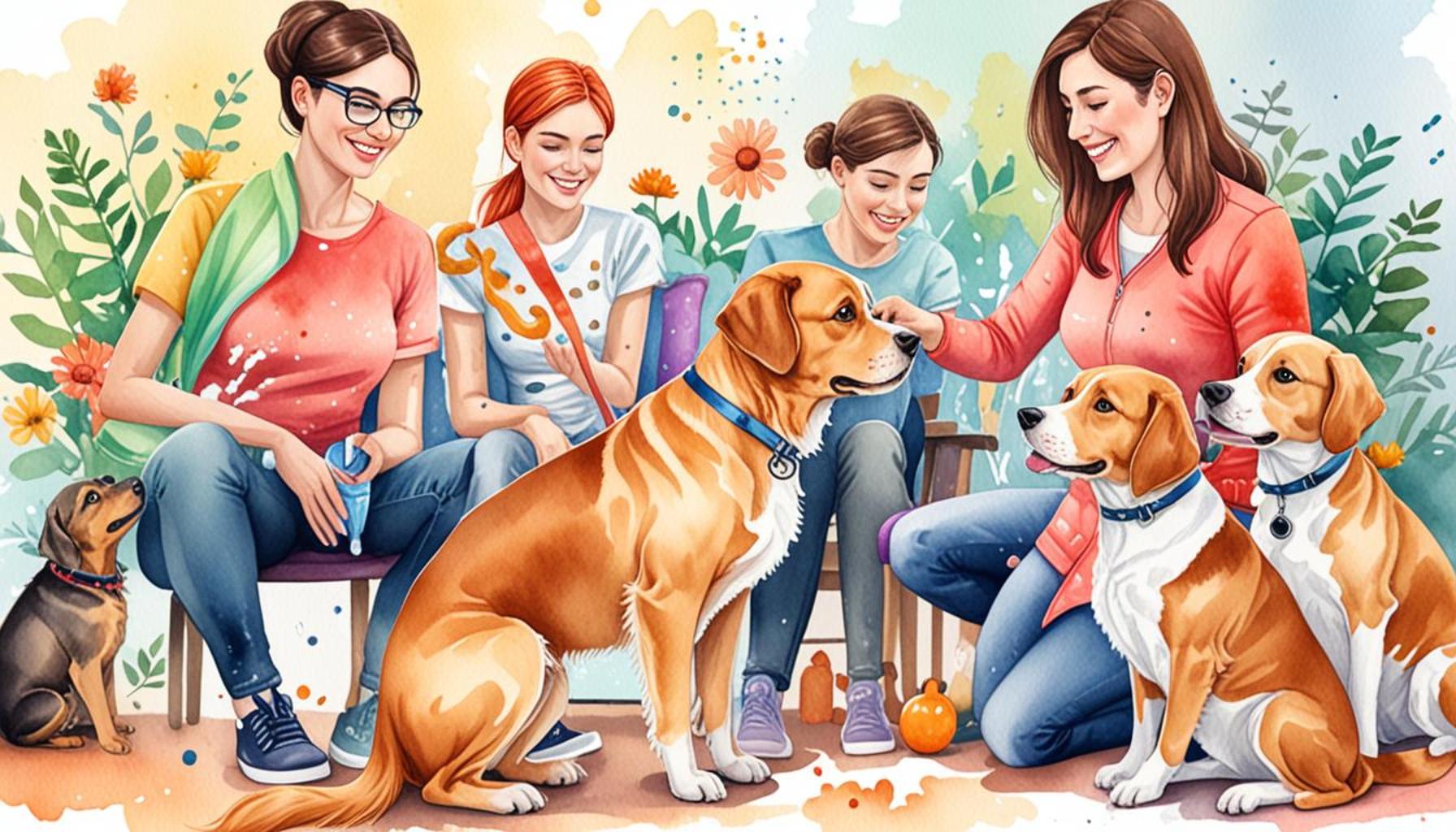
Group training sessions provide an excellent environment for both pets and their owners. These sessions bring together animals of various breeds and temperaments, fostering a sense of community and shared learning. Here are some notable benefits of group training:
- Enhanced Social Skills: Pets learn to interact positively with other animals. For instance, dogs in group sessions are exposed to different temperaments, which helps them understand appropriate behaviors in various social situations. This preparation can significantly reduce instances of aggression and anxiety when they encounter unfamiliar pets outside of training.
- Strengthened Bonding: Owners develop a deeper connection with their pets through interactive sessions. Engaging in training together enhances mutual trust and understanding. For example, when a dog successfully follows commands taught in class, the owner’s praise solidifies the bond, reinforcing their relationship.
- Improved Obedience: Training in a structured environment leads to better behavior. Dogs learn commands like “sit,” “stay,” and “come” more effectively when guided alongside other dogs. This environment mimics real-life distractions, helping pets to focus better in other settings.
The Role of Socialization in Pet Development
Socialization is crucial in shaping a well-adjusted pet. During group training sessions, pets encounter various stimuli, from new sights and sounds to different breeds, which aids in their confidence-building. In Nigeria, where the cultural landscape is diverse, pets may face various environments—ranging from bustling marketplaces to quiet, rural areas. Exposure through group training prepares them for these experiences, allowing them to adapt more easily.
Cultural Relevance of Group Training
Understanding the cultural dynamics of pet ownership in Nigeria adds another layer to the concept of group training. Many Nigerian families have deep-rooted beliefs and practices surrounding animals, which often influence how pets are perceived and treated. Group training can serve as a bridge, merging traditional views with modern pet care practices. It provides a platform for sharing experiences and knowledge among pet owners from various backgrounds, creating a supportive community.
Conclusion
As we explore the significance of group training, it’s clear that it paves the way for a more harmonious relationship between pets and their humans. Not only does it equip pets with essential skills, but it also fosters a sense of community among owners, promoting responsible pet ownership in Nigeria. The growth of group training will undoubtedly continue to influence the landscape of pet care, helping pets thrive in an ever-evolving society.
The Impact of Group Training on Pet Behavior
In the realm of group training for pets, the dynamics at play are multifaceted and immensely beneficial for both animals and their owners. At its core, the practice is designed to bring together pets of various breeds and backgrounds in a structured environment, where they can learn and grow alongside one another. This collective learning experience is integral to shaping their behavior and social skills.
Behavioral Transformation Through Interaction
One of the most significant outcomes of group training is the modification of behavioral patterns in pets. Animals, particularly dogs, are social creatures by nature. In group settings, they engage in interactive play that promotes a sense of camaraderie while simultaneously learning essential commands. For instance, during a typical session, a dog may master the instruction to “leave it” while concurrently surrounded by other pets. This type of directive reinforces discipline amidst distractions, which can be pivotal during routine outings or community gatherings.
Building Confidence in Pets
Group training offers an invaluable opportunity for pets to build confidence. As they navigate interactions with other animals and face varied scenarios, they become more self-assured. The dynamic nature of these classes introduces them to different sounds, movements, and personalities, preparing them for less structured environments they may encounter in daily life. For example, a dog that once felt overwhelmed by crowds may emerge from group training equipped to handle bustling marketplaces in cities like Lagos or Abuja, where pet presence is becoming increasingly common.
Key Benefits of Group Training
The remarkable advantages of group training extend beyond just obedience. Pet owners often marvel at the multitude of benefits that their pets reap from these sessions. Here is a concise breakdown:
- Peer Learning: Pets learn from observing and interacting with one another. This natural inclination to mimic behavior accelerates the learning process.
- Community Support: Pet owners form connections with fellow trainers, which fosters a community of support and experience sharing. Regular interaction can lead to friendships that enhance the pet ownership journey.
- Reduced Behavior Problems: Socialization through group training can mitigate common issues such as barking, chewing, and aggression. Pets become accustomed to the presence of others, leading to fewer behavioral challenges in public.
In summary, the effects of group training manifest not only in an animal’s obedience skills but also in their overall demeanor and ability to navigate the world around them. This approach to pet training exemplifies a necessary evolution in pet care, particularly in a culturally rich and diverse environment like Nigeria. As the pet ownership culture continues to evolve, engaging in group training will be paramount for creating well-mannered companions and fostering strong bonds between pets and their families.
| Category | Description |
|---|---|
| Social Interaction | Group training fosters social skills in pets, allowing them to interact playfully and confidently with other animals and humans. |
| Enhanced Learning | Pets often learn faster in a dynamic environment where they see others performing tasks, creating a sense of motivation and urgency. |
In group training sessions, animals thrive in an atmosphere filled with interaction and observation. Group dynamics stimulate not only friendship among pets but also teach valuable lessons about boundaries and communication. Understanding these social dynamics can significantly reduce behavioral problems in pets, leading to a more harmonious household.Moreover, the benefits extend beyond mere obedience. Engaging in group activities can help overcome anxiety and shyness, as group settings provide a comforting buffer for timid pets. This social interaction aids in building confidence while creating a positive association with training. The collaborative aspect of group training reinforces learning through peer observation and competition, making the process exciting and rewarding for pets. With a combination of expert guidance and lively participation, each session becomes a valuable opportunity for growth and enrichment. As pet owners, the insights gained during these sessions can also prove invaluable in strengthening the bond with your furry companions. By delving deeper into the interactions at these sessions, pet owners can unlock a reservoir of social cues and behaviors unique to their pets, paving the way for improved socialization in various environments.
The Role of Guidance and Structure in Group Training
Group training for pets is not just about running through a series of commands; it embodies an essential structure that plays a pivotal role in the socialization and developmental processes of pets. With well-planned sessions, trainers guide both pets and owners, ensuring objectives are met while fostering a harmonious environment. This guidance significantly reduces anxiety and unpredictability, common barriers for many pets.
The Influence of Professional Trainers
Having professional trainers facilitate group classes enhances the entire training experience. These experts bring a wealth of knowledge about pet behavior and body language. They are skilled at interpreting the nuances of social interactions between animals and can devise strategies to address any arising conflicts or discomfort. For instance, during a class in a city like Ibadan, where breeds vary widely—from the ever-energetic Nigerian Local Dog to pedigree breeds—the trainer’s insights can help mitigate breed-specific anxiety and promote cooperation among all participants.
Structured Learning Environments
Structured learning is critical in group training sessions. Each class is typically organized with a clear agenda, making it easier for both pets and owners to understand expected behaviors. This structured approach offers consistent routines, which are instrumental for pets to grasp concepts better. For example, when dogs line up for a recall exercise, they not only learn the command but also experience participating in a group effort, which solidifies their connection with their peers and owners. By reinforcing these structured activities, pet owners can cultivate a strong foundation for lifelong learning and adaptability.
Addressing Behavioral Challenges
Group training is particularly effective in addressing specific behavioral problems. For example, puppies that display fear or aggression towards other dogs can benefit immensely from socializing in a controlled environment. This not only aids in their emotional development but also reduces the likelihood of adverse reactions in future encounters. The gradual exposure in group settings encourages better tolerance levels. Moreover, many trainers incorporate behavior modification techniques that assist with common urban challenges, such as interactions with the vibrant street life typical of Lagos, busy markets, and public gatherings.
Enhancing Owner Participation
Another often-overlooked advantage of group training is the active participation it encourages among owners. In the face of distractions from other pets, owners learn how to effectively communicate and bond with their furry companions. They discover the critical role that positive reinforcement plays in training, promoting patience and understanding within the pet-owner relationship. The camaraderie built with fellow pet owners can provide a support system beyond the training sessions, sharing advice on daily challenges, which further reinforces the training principles in domestic settings.
The Socialization Spectrum
Group training not only enhances behavior but also broadens the socialization spectrum for pets. Each class introduces a variety of tails and personalities, ensuring pets learn to respect boundaries and engage appropriately. The diversity in age, breed, and temperaments helps create a rich tapestry of experiences for pets. For instance, an older dog who has mastered the art of socialization can serve as a mentor for younger pups, imparting valuable lessons on etiquette and interaction. This natural hierarchy promotes learning through observation, significantly boosting the confidence and social aptitude of younger pets in diverse situations.
Ultimately, group training stands as a hallmark of effective pet development strategies, laying the groundwork for well-adjusted companions who can thrive in the bustling environments characteristic of contemporary Nigerian life. With the right structure, expert guidance, and a supportive community, group training emerges as a transformative experience for both pets and their owners.
Conclusion: Embracing the Collective Journey
In conclusion, group training of pets serves as a multifaceted approach that enriches not only the lives of our furry companions but also strengthens the bond between pets and their owners. The structured environment provided in these sessions supports socialization dynamics that are essential for developing well-rounded animals. With the guidance of professional trainers, pets learn to navigate a spectrum of interactions, gaining confidence and respect for their fellow classmates—be it a spirited local breed or a more reserved pedigree.
The benefits extend beyond the training grounds; they enhance daily life, fostering better behavior in urban settings filled with distractions. As pets engage with varied breeds and personalities, they learn invaluable lessons in etiquette and adaptability, preparing them for real-world experiences. Additionally, the participation of pet owners in the training process facilitates a deeper understanding of pet behavior, enriching the pet-owner relationship through shared challenges and insights.
Furthermore, group settings inspire a sense of community among owners, providing a support network that can thrive even beyond the classroom. This sociable atmosphere encourages collaboration and knowledge-sharing, essential for navigating the complexities of pet ownership in Nigeria’s bustling environments.
Ultimately, embracing group training is an invitation to a transformative journey that promotes responsible pet ownership and enriches the lives of every participant. As we prioritize the health and well-being of our pets, we are also nurturing an interconnected atmosphere of compassion, understanding, and connection in our communities.