
The Importance of Training Professionals in Animal Health Management in Nigeria

The Role of Animal Health Management in Nigeria’s Agricultural Landscape
In Nigeria, the importance of animal health management extends beyond mere veterinary practices; it forms the backbone of the entire agricultural sector, intertwining food security and economic stability. As the population continues to burgeon, the demand for high-quality animal products such as beef, poultry, and dairy rises sharply. In this context, the adequate training of professionals in animal health management is not just advantageous but essential for advancing agricultural efficiency and sustainability.
Improved Disease Control
Effective animal health management plays a pivotal role in controlling and preventing diseases that can devastate livestock populations. In Nigeria, common diseases such as Newcastle disease in poultry and Foot and Mouth Disease in cattle can lead to significant economic losses. Well-trained animal health professionals implement vaccination programs, establish biosecurity measures, and conduct regular health assessments that mitigate the spread of such diseases. For instance, during the recent outbreak of avian influenza, timely interventions guided by trained experts helped contain the virus, thus protecting farmers’ livelihoods and maintaining food supply chains.
Sustainable Farming Practices
Moreover, the adoption of sustainable farming practices is a direct outcome of effective animal health management training. Professionals educated in modern techniques navigate farmers towards methods that enhance livestock health while minimizing their environmental footprint. Practices such as rotational grazing and integrated livestock management not only improve productivity but also preserve soil health, promoting long-term agricultural viability. Examples of such initiatives are seen in various regions of Nigeria, where farmers have successfully increased yields through holistic management approaches, reducing reliance on chemical inputs in the process.
Increased Profitability
A focus on improved animal health directly translates into increased profitability for farmers. Healthier livestock are more productive, leading to higher yields of milk, meat, and eggs, which in turn boosts the income of farming families. Training programs that include financial literacy alongside health management techniques empower farmers to make informed decisions that affect their economic standings. For example, initiatives in Kaduna and Kano states have demonstrated how training in both animal care and business management can lead to more resilient and profitable farms.
However, despite the apparent advantages, Nigeria faces a stark challenge: a significant gap in professional training within the domain of animal health management. This shortfall not only hampers the development of the livestock industry but also poses substantial risks to public health due to zoonotic diseases that can transfer between animals and humans. Bridging this gap through enhanced educational programs and practical training parks is vital for nurturing competent professionals who can effectively respond to these challenges.
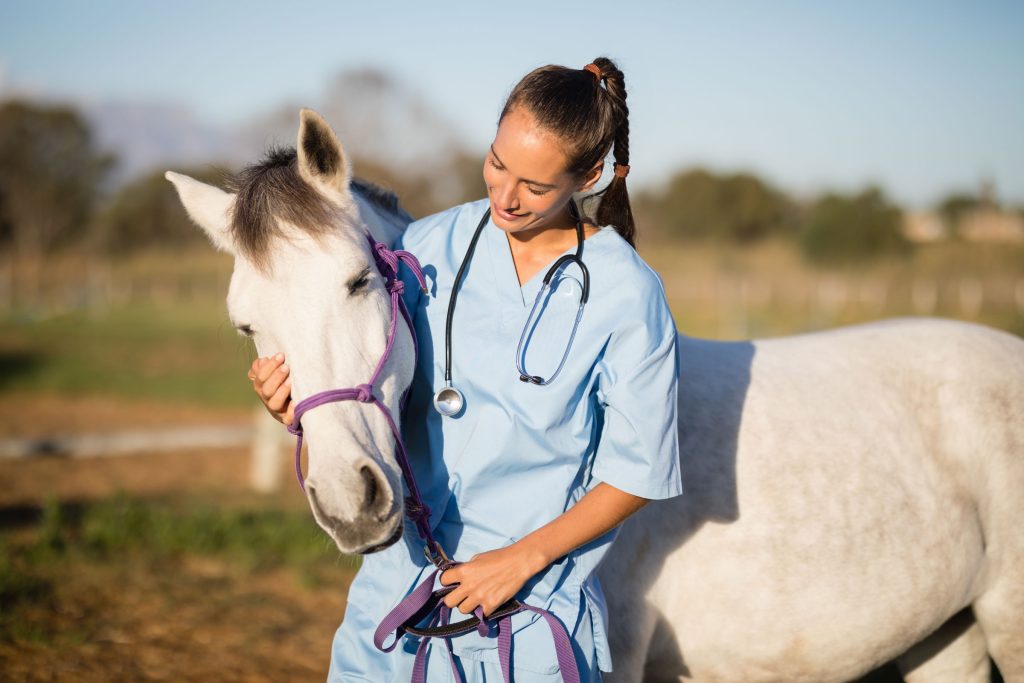
Investing in specialized training can revolutionize the way animal health is managed in Nigeria, equipping professionals with the skills needed to innovate and adapt to changing circumstances. As stakeholders in agriculture continue to recognize the value of training in animal health management, there is a growing call for policymakers to prioritize these educational initiatives, ensuring a secure and prosperous future for Nigeria’s agricultural sector.
The Need for Specialized Training in Animal Health Management
As Nigeria continues to strengthen its agricultural framework, the call for specialized training in animal health management becomes increasingly urgent. The country’s livestock sector, comprising cattle, sheep, goats, and poultry, plays a vital role in not only providing food but also generating employment and sustaining rural economies. However, the growing complexity of animal diseases and health challenges necessitates a well-educated workforce. Without adequately trained professionals, the livestock industry risks stagnation, threatening food security and economic growth.
Understanding the Current Skills Gap
One of the primary obstacles to effective animal health management in Nigeria lies in the significant skills gap among agricultural professionals. Research indicates that less than 30% of livestock farmers have access to qualified veterinary services, which severely limits their capacity to manage diseases effectively. This situation is exacerbated by limited training programs that fail to equip professionals with the requisite knowledge and skills needed for contemporary challenges. Without proper training, vital aspects such as disease prevention, treatment protocols, and advanced veterinary practices become overlooked, leaving livestock susceptible to outbreaks.
Key Areas of Focus for Training Programs
To address these challenges, training programs must prioritize several key areas:
- Veterinary Diagnostics: Professionals should be proficient in identifying illnesses, conducting diagnostics, and implementing immediate responses to emerging health threats.
- Animal Behavior: Understanding animal behavior is crucial for health management, as it aids in recognizing signs of distress or sickness and facilitates better handling and treatment.
- Biosecurity Protocols: Developing and enforcing biosecurity measures helps prevent disease transmission, making training in this area essential for protecting both animal and human populations.
- Nutrition and Welfare: Training in animal nutrition ensures that livestock receive adequate diets that promote health, productivity, and resilience against diseases.
By focusing on these key areas, training programs can help build a workforce capable of tackling the multidimensional aspects of animal health management. Regions like the Northern and Southwestern parts of Nigeria have already started to implement such initiatives, where partnerships between agricultural institutions and local governments aim to empower community health workers and farmers.
Role of Modern Technology
Additionally, the digital revolution presents opportunities to enhance training visibility and efficiency. Online platforms and mobile applications can facilitate access to educational resources, making learning more flexible for both current and aspiring animal health professionals. The integration of digital tools in training not only serves to broaden outreach but also updates participants on the latest veterinary advancements and research findings.
In summary, the establishment of robust training programs in animal health management is a necessary investment for Nigeria’s agricultural future. The ripple effect of equipping professionals with the right skills is profound, impacting livestock health, farmer incomes, and ultimately, national food security and economic stability. Without urgent action to close the skills gap, the ongoing challenges in animal health may further impede progress in Nigeria’s agriculture sector.
| Advantage | Description |
|---|---|
| Improved Animal Health | Training professionals leads to better disease management practices, directly impacting livestock productivity. |
| Economic Growth | Equipping animal health professionals boosts the livestock sector, contributing to the national economy. |
The landscape of animal health care in Nigeria undergoes a significant transformation when professionals are adequately trained. By enhancing veterinary skills, the health management of livestock improves, ultimately reducing morbidity and mortality rates. Additionally, with better-trained personnel, there is a noticeable decline in the incidence of zoonotic diseases, creating a safety net for public health.Furthermore, the economic implications of training are profound. A strong workforce in animal health management promotes higher livestock outputs, fostering food security and creating job opportunities. Initiatives in training can align with governmental and non-governmental efforts to promote sustainable agricultural practices, ultimately driving rural development.Examining the potential impact on both health and economy, one can identify how these professionals are not merely caretakers of animals but essential partners in national development. As such, investing in their training is paramount for holistic growth in Nigeria’s agricultural sector.
Impact on Food Security and Economic Growth
The importance of training professionals in animal health management extends far beyond the immediate circle of livestock farmers; it resonates throughout Nigeria’s entire agricultural ecosystem. As the nation grapples with population growth projected to reach over 400 million by 2050, the demand for animal protein will inevitably increase. This escalating need makes it imperative to strengthen the capacity of animal health professionals to ensure a productive and resilient livestock sector. Effective animal health management directly correlates with improved food security, as it helps prevent livestock diseases that can lead to significant production losses.
Preventing Economic Losses through Effective Animal Health Management
According to the Food and Agriculture Organization (FAO), animal diseases could cost developing countries like Nigeria up to $300 billion annually. This entails lost production as well as increased expenditures related to disease management. For instance, the outbreak of diseases such as avian influenza and foot-and-mouth disease can result in massive culling of infected animals, disrupting not just local markets but also affecting export opportunities. Therefore, the training of professionals to recognize, diagnose, and address animal health issues is vital for mitigating economic losses. Notably, trained veterinarians and animal health workers serve as the first line of defense against these diseases, saving both animals and economic resources.
Enhancing Livestock Production and Farmer Livelihoods
Furthermore, when animal health professionals are properly trained, the benefits extend to the productivity of livestock. Healthy animals provide higher yields of milk, meat, and egg production, which in turn boosts farmers’ income. In regions like Benue State, known as Nigeria’s food basket, livestock farmers who engage with trained veterinary technicians report improved production rates and enhanced economic returns. Furthermore, when animal welfare is prioritized, farmers also witness a higher market value for their produce, as consumers increasingly demand ethically sourced and sustainably raised livestock products.
Building Resilience Against Climate Change
As Nigeria faces the pressing challenges of climate change, the role of trained animal health professionals becomes even more critical. Changing weather patterns can affect animal health and alter the prevalence of certain diseases. For instance, higher temperatures may contribute to heat stress in livestock, increasing vulnerability to diseases such as mastitis in dairy cows. Training programs that include education on climate-resilient animal husbandry techniques can empower farmers to adapt their practices to enhance animal health outcomes and maintain productivity even in the face of environmental changes. This multifaceted training can prepare professionals to provide effective advice on pasture management, water conservation, and nutritional adjustments based on seasonal variations.
Collaboration and Knowledge Sharing
Another vital aspect of training is fostering collaboration among various stakeholders in the agricultural sector. Platforms that bring together trained professionals, policy-makers, and local farmers can facilitate the exchange of knowledge and resources, addressing animal health challenges more effectively. This collaborative approach is especially crucial in rural areas, where local knowledge combined with modern veterinary practices can drive impactful solutions. By forming networks of experts and practitioners, the agricultural community can bolster collective efforts aimed at sustainable livestock management practices.
In conclusion, the training of professionals in animal health management in Nigeria is instrumental in safeguarding food security, boosting economic growth, and enhancing the resilience of the livestock sector against an evolving landscape of challenges. As demand for animal protein grows, the necessity for a skilled workforce equipped with updated knowledge and capabilities is paramount to protect both the health of animals and the livelihoods of farmers across the nation.
Conclusion
In light of Nigeria’s burgeoning population and the increasing demand for animal protein, the importance of training professionals in animal health management cannot be overstated. Through comprehensive education and skill development, animal health specialists are equipped to confront the multifaceted challenges faced by the livestock sector. The ripple effects of their expertise not only enhance food security but also propel economic growth, ultimately contributing to the nation’s stability.
As highlighted throughout this article, well-trained professionals play a pivotal role in disease prevention, which is vital for mitigating economic losses that could soar into billions. Their influence extends to improving livestock productivity and ensuring ethical treatment of animals, fostering a higher market value for produce. With the unpredictable impacts of climate change threatening agriculture, equipping these professionals with climate-resilient practices ensures that livestock farmers remain adaptable and sustainable.
Moreover, by creating collaborative networks among stakeholders, including farmers, veterinarians, and policymakers, the sharing of crucial knowledge and resources becomes possible. This unity enhances the effectiveness of animal health management initiatives, leading to a more robust agricultural framework.
As Nigeria ventures further into the 21st century, investing in the training of animal health professionals is essential for nurturing a resilient and prosperous agricultural landscape. Such a commitment will safeguard animal health, elevate farmer livelihoods, and, ultimately, secure the country’s food future.