The Role of Veterinary Education in Improving Animal Health Management in Nigeria

The Significance of Veterinary Education in Nigeria
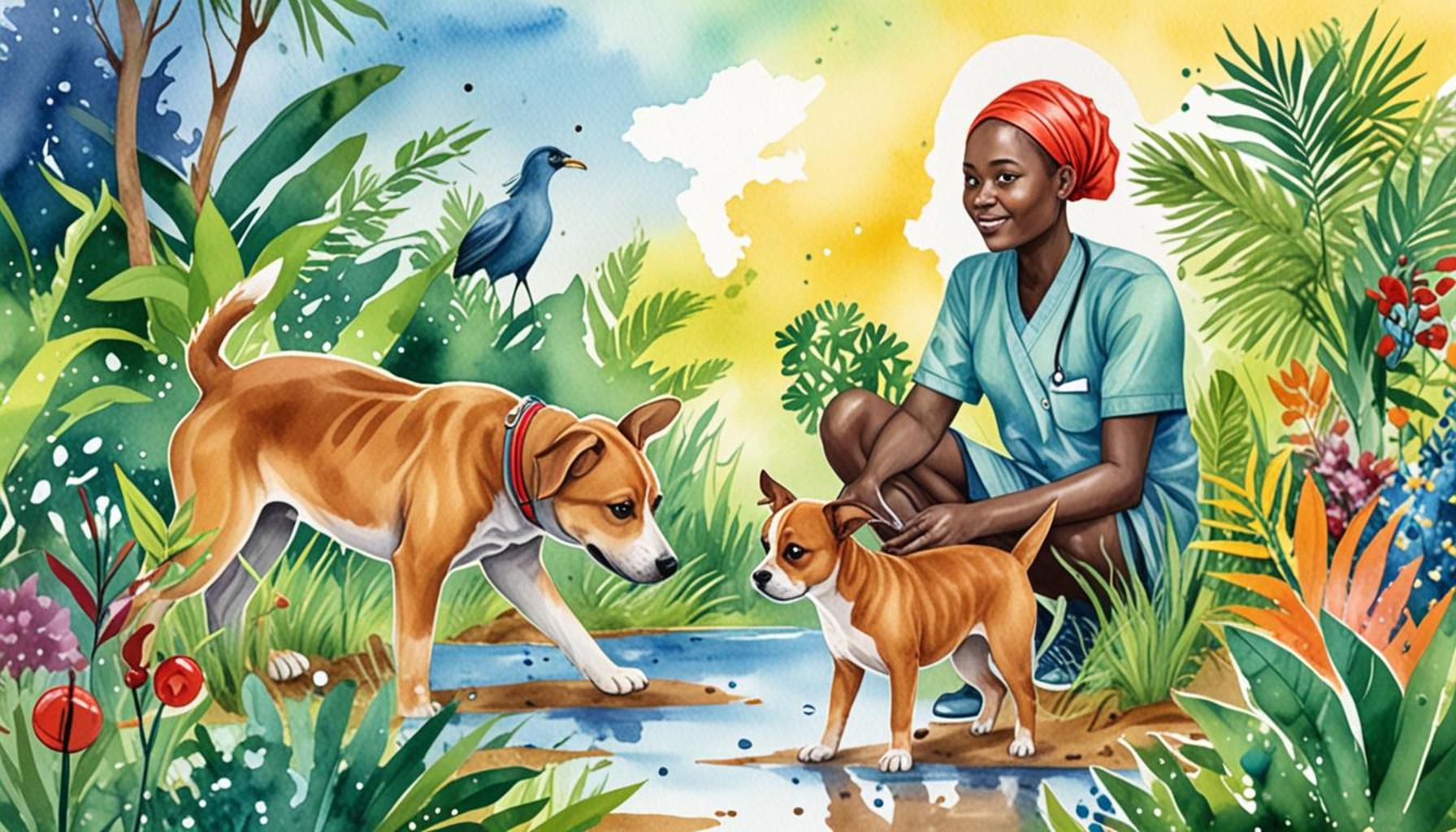
The landscape of agriculture in Nigeria is defined by its rich cultural heritage and an increasing dependence on livestock farming. As the nation grapples with a burgeoning population poised to exceed 200 million, the demand for effective animal health management becomes inherently critical. This necessity highlights the indispensable role of veterinary education in shaping a resilient agricultural sector.
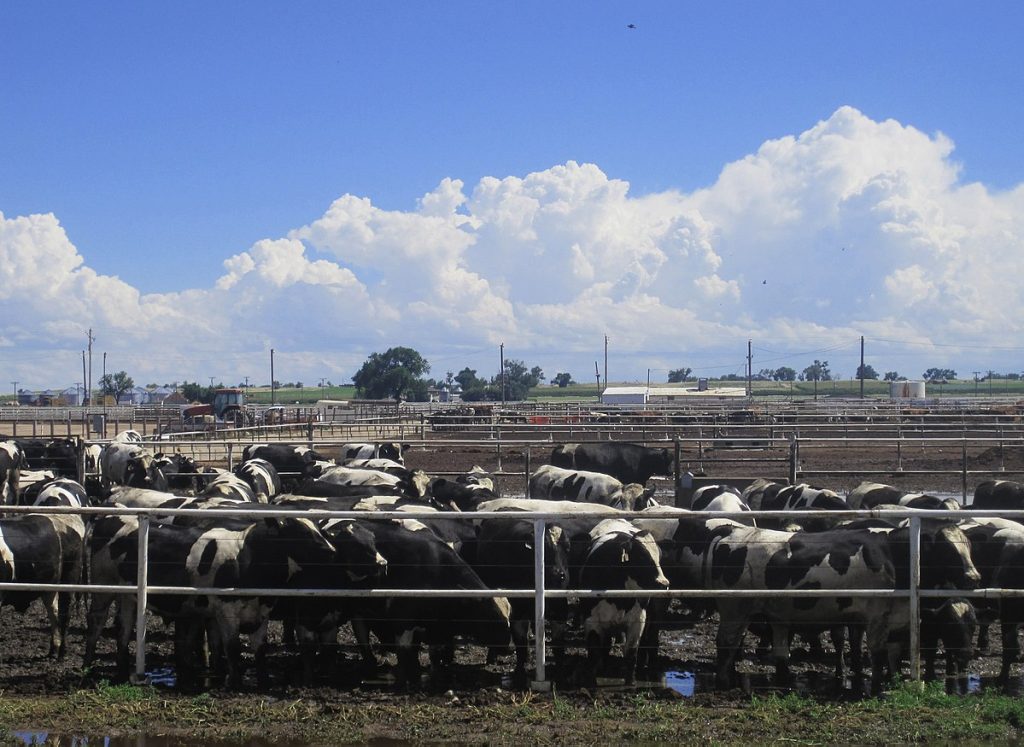
However, the veterinary sector is not without its challenges. The high prevalence of infectious diseases, such as avian influenza and foot-and-mouth disease, wreaks havoc on animal populations and, by extension, on the livelihoods of countless farmers. Additionally, many rural areas in Nigeria suffer from insufficient access to veterinary services. Communities often rely on traditional remedies or local quacks, which can exacerbate health issues rather than resolve them. This dearth of professional veterinary services is a troubling reality faced by many regional farmers who often lack basic awareness of animal welfare principles. This situation leads to suboptimal animal husbandry practices, which ultimately compromise food security and economic stability.
To combat these challenges, veterinary education serves as a powerful tool. By equipping the next generation of veterinarians with up-to-date knowledge and hands-on experience, Nigeria can significantly improve critical areas such as:
- Preventive healthcare practices: Education focused on vaccination, biosecurity measures, and regular health assessments can help mitigate the risk of disease outbreaks.
- Emergency response to disease outbreaks: Training in rapid response techniques ensures that veterinarians can act swiftly to contain and manage outbreaks, minimizing economic losses and safeguarding animal health.
- Farm management and production techniques: Lessons on modern farming practices can enhance productivity, ensuring that livestock remains healthy while increasing food supply and farmer income.
The enhancement of veterinary education does not only prepare practitioners for immediate challenges. It fosters an environment ripe for research and innovation, driving sustainable solutions tailored to local issues. A prime example can be seen in the collaboration between universities and agricultural organizations, exploring innovative practices in livestock breeding and disease management.
Moreover, investing in veterinary education is pivotal as Nigeria strives towards achieving food security. As the nation aims to stabilize its economy, a robust veterinary system can serve as a cornerstone for progress. By prioritizing this crucial educational sector, Nigeria can pave the way for improved animal health management, ultimately securing a healthier future for both its livestock and the millions of people who depend on them.
Transforming Animal Health Through Education
The foundation of effective animal health management in Nigeria is deeply intertwined with the quality of veterinary education. As it stands, the country faces significant challenges, including widespread animal disease outbreaks and inadequate veterinary services in remote areas. The prevailing lack of formal training for many who work in this field can lead to mismanagement of livestock health, ultimately impacting not just animal welfare, but food security and economic stability for countless households.
One of the primary ways that veterinary education enhances animal health management is through the promotion of preventive healthcare practices. When veterinarians are well-trained in the latest veterinary science, they can instill proper vaccination protocols and biosecurity measures among farmers. For instance, according to recent studies, regular vaccination and proper herd management have shown to reduce the incidence of diseases like Newcastle disease in poultry and brucellosis in cattle significantly. By embedding these principles into the educational curriculum, emerging veterinarians are better equipped to educate farmers, thereby reducing outbreaks and enhancing livestock productivity.
Emergency response training is another critical component of veterinary education. With Nigeria being prone to various zoonotic diseases, which can quickly spread and cause economic distress, the capability to respond to disease outbreaks promptly is vital. Veterinary education institutions can play a pivotal role in teaching rapid containment protocols and management strategies that help mitigate the impacts of such outbreaks. For example, the swift deployment of veterinary teams to affected areas can drastically reduce transmission rates, protecting both animal and human populations alike.
Furthermore, there is a pressing need to incorporate modern farm management and production techniques into veterinary education. With the agricultural landscape of Nigeria evolving, the focus on sustainable farming practices is more relevant than ever. By embracing new knowledge in areas such as precision agriculture, waste management, and innovative breeding strategies, veterinary graduates can lead the charge towards increasing yields while maintaining animal health. A well-informed veterinarian can guide farmers on best practices for nutrition, housing, and overall farm management, ultimately contributing to enhanced productivity and profitability.
The nexus of veterinary education and research cannot be overlooked either. Academic institutions, through partnerships with governmental and non-governmental organizations, are increasingly becoming hubs for agricultural research. Collaborative initiatives focused on developing eco-friendly disease management solutions and improving livestock breeds are beginning to take shape. These research-driven approaches ensure that the veterinary community is not only responding to current challenges but is also poised for future demands.
In summary, elevating the standards of veterinary education in Nigeria is central to overcoming the myriad challenges facing animal health management today. By fostering skilled professionals equipped with the latest knowledge and practical skills, Nigeria can build a resilient livestock sector, thereby reinforcing food security and the economic well-being of its population.
| Advantage | Description |
|---|---|
| Enhanced Knowledge Base | Veterinary education equips professionals with comprehensive knowledge about animal health, diseases, and veterinary practices crucial for Nigeria’s diverse ecosystems. |
| Improved Veterinary Services | Qualified veterinarians can offer effective and timely treatments for livestock and pets, thereby enhancing animal welfare and productivity across the agricultural sector. |
The significance of veterinary education in Nigeria cannot be overstated. By developing a robust knowledge base among practitioners, the veterinary field stands at the forefront of improved animal health management, which is essential for the nation’s food security and economic stability. This education fosters an understanding of zoonotic diseases, which are common in many regions of Nigeria and can have substantial public health implications. Moreover, an educated workforce encourages better practices in animal husbandry and health management. Training programs focused on modern veterinary science, including preventative care, nutrition, and biosecurity protocols, play a pivotal role in enhancing the overall management of livestock and domestic animals. This ultimately leads to a healthier animal population, which is crucial for supporting Nigeria’s agricultural economy. Veterinary education is also essential in addressing challenges such as disease outbreaks and the impact of climate change on animal health. By harnessing knowledge from veterinary science, Nigeria can devise effective strategies that incorporate both traditional methods and contemporary science, paving the way for a sustainable animal health management system.
Innovative Approaches and Local Context
This push for improved veterinary education in Nigeria is also highlighted by the integration of technology into animal health management. The advent of telemedicine and mobile veterinary services is revolutionizing the way veterinarians interact with farmers and livestock owners. By utilizing mobile apps and online platforms, veterinarians can offer consultations, provide timely advice, and disseminate crucial health information immediately. Such an approach not only enhances accessibility to veterinary services, especially in rural regions, but also ensures that farmers are informed about best practices tied to animal health management.
Moreover, the incorporation of fieldwork and practical training into veterinary education programs has never been more pertinent. Nigerian veterinary schools are beginning to prioritize hands-on experiences that expose students to real-world scenarios they will face post-graduation. Initiatives like community-based veterinary educational programs allow students to engage directly with farmers, diagnosing diseases and advising on treatment plans. This direct context enriches their learning while simultaneously reinforcing the bond between veterinary professionals and the communities they serve.
Collaboration among educational institutions, government agencies, and agricultural stakeholders plays a critical role in transforming veterinary education. Partnerships with local farmers and livestock associations facilitate the exchange of valuable knowledge and resources. For instance, programs that encourage rotational internships for students within the Nigerian agricultural sector enable students to gain a better understanding of local livestock management practices. Such collaboration fosters a practical skill set geared towards addressing the specific challenges faced by Nigerian farmers today.
Research is another vital aspect that can propel veterinary education forward. Local veterinary institutions must be centers of research that focus specifically on Nigeria’s unique animal health challenges, such as endemic diseases and climate-related impacts on livestock. By supporting research initiatives that explore indigenous breeds, parasites, and disease vectors, institutions can contribute significantly to animal health management strategies tailored for the Nigerian context. These research-driven methods can lead to groundbreaking solutions that are both effective and sustainable, with the potential to influence policy-making and agricultural practices at the national level.
Furthermore, conservation is becoming an essential part of the veterinary curriculum as well. With Nigeria’s rich biodiversity under threat, there is an increasing need for veterinarians who are well-versed in wildlife health and management. Education programs that include wildlife veterinary training can equip professionals with the tools needed to address the health concerns of both domestic and wild animals. Understanding cross-species disease transmission is crucial in preserving Nigeria’s wildlife while maintaining agricultural integrity.
As these various elements come together, the relevance of effective veterinary education becomes more pronounced. By focusing not only on traditional veterinary sciences but also on innovative approaches, collaborations, and conservation practices, Nigeria can cultivate a new generation of veterinarians dedicated to improving animal health management. This holistic approach ensures that they are ready to face the multifaceted challenges posed by animal health issues in a country where agriculture is a backbone of the economy.
Conclusion
In summary, veterinary education plays a pivotal role in enhancing animal health management across Nigeria, a nation where agriculture remains a critical component of the economy. By incorporating innovative technologies, practical training, and meaningful collaborations into the curriculum, veterinary institutions are equipping future professionals with the necessary skills to address local challenges effectively. This approach is particularly vital in rural areas where access to veterinary services can significantly impact livestock health and farmer livelihoods.
Furthermore, the emphasis on research within veterinary programs allows institutions to tackle Nigeria’s unique animal health issues, including endemic diseases and climate change challenges. By nurturing a culture of inquiry, these institutions not only contribute to the development of sustainable management practices but also influence policy decisions that directly impact the agricultural landscape.
Additionally, the focus on both domestic and wildlife health underscores the importance of conservation within veterinary education. With Nigeria’s rich biodiversity at risk, training veterinarians in wildlife management contributes not just to ecological sustainability, but also to the promotion of healthy interactions between urban and rural agriculture and ecosystems.
Ultimately, as Nigeria positions itself for a robust future in agriculture, enhanced veterinary education emerges as a cornerstone in developing resilient animal health systems. It is essential that stakeholders continue to invest in and innovate within this field, ensuring that the next generation of veterinarians is prepared to meet the complex and evolving demands of animal health management in Nigeria.