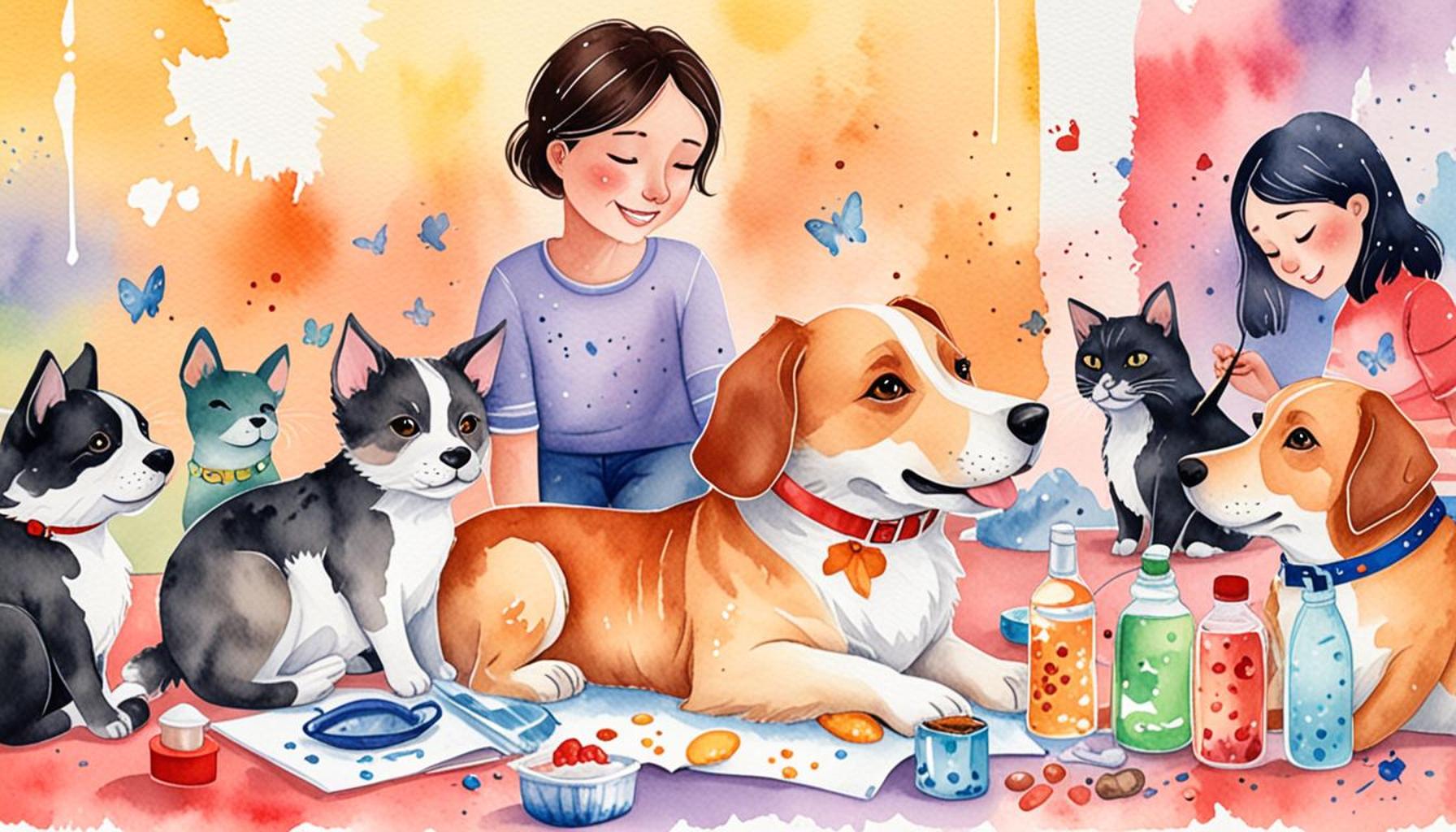
The Role of Empathy in Improving the Behavior of Rescued Animals

The Complex Journey of Rescued Animals
Every rescued animal carries a unique story, shaped by experiences often filled with trauma, neglect, and loss. These individual narratives reflect not only the hardships they have endured but also the resilience they display in the face of adversity. Upon being rescued, many of these animals find themselves thrust into entirely new environments, which can be a daunting challenge fraught with various emotional hurdles.
For these animals, adapting to a new home often demands time, patience, and a substantial amount of understanding. One vital tool that can significantly ease this transition is empathy, a quality that allows caretakers to connect with the animal’s feelings and needs. The compassionate understanding of their past experiences can make a significant difference in enhancing their overall well-being.
The Importance of Empathy
Empathy is not simply a human attribute but a fundamental aspect of the caretaker-animal relationship. Understanding how empathy impacts rescued animals can help foster healthier environments for them. Here’s a closer look at its significance:
- Enhanced Trust: When caretakers show genuine empathy, animals are more likely to rebuild trust in humans. For example, a dog that has faced abuse may initially shy away from human interaction, but through patient and compassionate engagement, it can gradually learn to feel secure and valued.
- Reduced Stress: An empathic approach can significantly lower levels of anxiety in rescued animals. A gentle tone of voice, comforting gestures, and consistent routines can help create a safe space, allowing animals to relax and adjust with less fear.
- Improved Behavior: Positive, empathic interactions can lead to behavioral improvements. For instance, a cat that once exhibited aggressive behavior due to past trauma may respond positively to kindness, eventually becoming more sociable and affectionate.
Local Context in Nigeria
The role of local communities and organizations in Nigeria is crucial when addressing the welfare of rescued animals. Several initiatives are making strides in promoting empathy and compassion towards animals:
- Community Engagement: Many community-led rescue initiatives prioritize understanding and compassion. Local volunteers often come together to rescue stray animals or those suffering from neglect, embodying the spirit of empathy by providing care and rehabilitation.
- Education Programs: Workshops are increasingly being hosted across various regions to educate the public about the importance of empathy in animal rescue. These programs inform community members about responsible pet ownership and foster a culture of compassion, ultimately benefiting animals in need.
- Cultural Shifts: Promoting empathy can catalyze cultural shifts, fostering a DEEPER respect for wildlife and domesticated animals alike. Campaigns emphasizing the humane treatment of animals encourage communities to reflect on local practices and attitudes towards animal care.
As awareness regarding the importance of empathy continues to grow, it’s vital to explore how this understanding not only enriches the lives of rescued animals but also strengthens the bond between humans and animals in Nigeria. The path to fostering a compassionate society begins with recognizing the significance of every rescued animal’s story and the empathy that can guide them towards a brighter future.
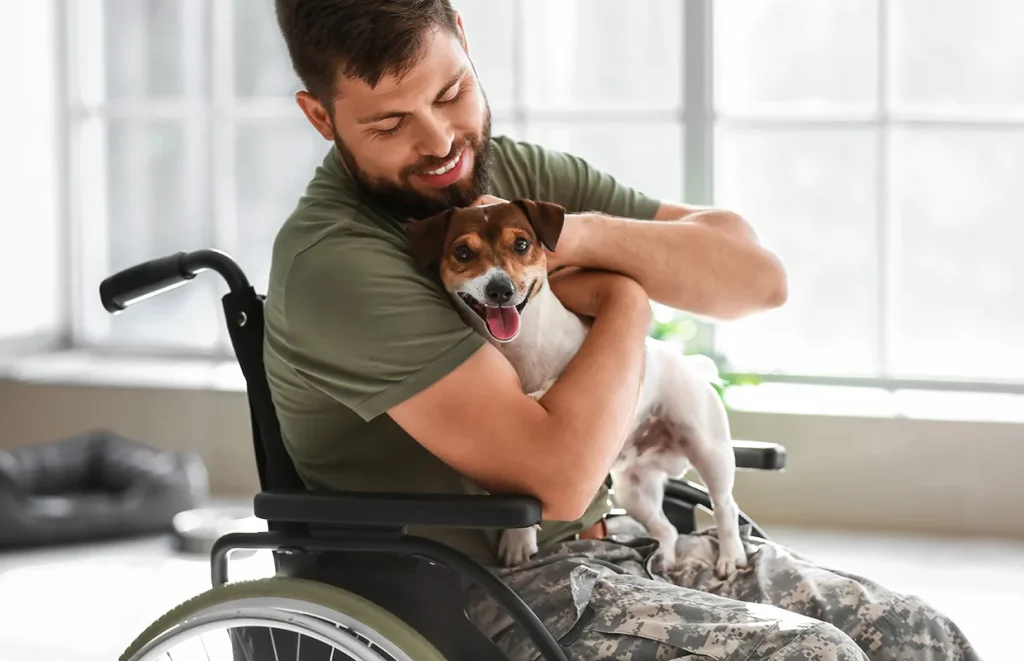
The Transformative Impact of Empathy on Rescued Animals
Empathy serves as a cornerstone for establishing meaningful connections with rescued animals, facilitating their healing process and aiding in behavioral improvements. Understanding the nuances of an animal’s emotional state can significantly influence how it reacts and adapts to its new environment. For instance, consider a rescued dog exhibiting fearful behavior. The lack of trust stemming from past trauma can lead to defensive actions. However, a caretaker who approaches the dog with genuine empathy can change the narrative, creating a nurturing relationship that encourages the animal to feel safe and understood.
Building a Solid Foundation of Trust
One of the most profound impacts of empathy is the restoration of trust between animal and human. Rescued animals often lack the confidence to interact with people due to negative past experiences. By employing empathetic techniques, caretakers can help these animals regain their sense of security. This can include:
- Consistent Interaction: Regular, gentle interactions can help establish a sense of rhythm, reassuring animals that they are in a safe space.
- Positive Reinforcement: Rewarding good behavior through treats or affection can encourage animals to seek human interaction, thereby fostering trust.
- Observational Learning: Animals are adept at picking up on human emotions and behaviors. Demonstrating calmness and patience can show them that there is nothing to fear.
As trust builds, many rescued animals begin to display more relaxed and sociable behaviors. This transformation can be incredibly fulfilling for both the animal and the caregiver, marking the beginning of a strong bond rooted in understanding and compassion.
Creating a Comfortable and Secure Environment
In the journey toward behavioral improvement, it is essential to create a comfortable and secure environment for rescued animals. Empathy plays a crucial role in shaping such surroundings. Caretakers who genuinely understand the needs and fears of animals are better positioned to provide:
- A Safe Space: Providing a designated area where the animal can retreat when feeling overwhelmed contributes positively to their emotional well-being.
- Routine and Structure: Establishing a daily routine helps rescued animals predict their environment, reducing anxiety levels significantly.
- Socialization Opportunities: Carefully monitored introductions to other animals can encourage healthy social interactions, essential for social skills development.
Ultimately, the empathetic approach taken by caretakers not only leads to a more harmonious relationship but also serves as a catalyst for positive behavioral changes in rescued animals. As we delve deeper into the relationship between empathy and animal behavior, it becomes evident that the emotional landscape of rescued animals is intricately linked to how they are treated and understood by humans. This connection, once recognized, can lead to transformative healing and adaptation for animals transitioning to their new lives.
| Aspect of Empathy | Impact on Behavior |
|---|---|
| Understanding Triggers | Empathy allows caretakers to recognize stressors that cause fear in animals, leading to better management strategies. |
| Building Trust | When caregivers show understanding, rescued animals are more likely to trust humans, decreasing anxiety and increasing adoptability. |
| Improving Socialization | Empathy helps in creating a supportive environment, allowing rescued animals to interact positively with both humans and other animals. |
| Enhancing Recovery | A compassionate approach from caregivers contributes to faster physical and emotional recovery in animals, promoting long-term well-being. |
Empathy plays a crucial role in the rehabilitation of rescued animals. By fostering a deep connection, caregivers can not only address behavioral issues but also promote overall happiness and stability in these animals’ lives. By understanding the origins of trauma and stress, steps can be taken to create a nurturing environment that addresses individual needs. Research has shown that animals respond positively to caregivers who exhibit empathy through their actions and demeanor, leading to better adaptation in new homes. Consequently, incorporating empathetic practices not only improves the lives of rescued animals but also contributes positively to broader animal welfare initiatives. Each small act of compassion can pave the way for lasting change, making empathy a vital tool in transforming the fate of countless rescued animals.
Empathy-Driven Strategies for Behavioral Rehabilitation
Understanding the importance of empathy in the rehabilitation of rescued animals calls for the implementation of practical strategies that caretakers and shelters can adopt. These strategies are grounded in the recognition that each animal’s background shapes its behavior, and a tailored approach fosters deeper connections and enhances behavioral outcomes.
Personalized Behavioral Interventions
Every rescued animal comes with its own distinct set of experiences and emotional scars. This underscores the need for personalized behavioral interventions. Rather than adopting a one-size-fits-all method, caregivers can closely observe the behavior and preferences of each animal. This could be as simple as monitoring the times when an animal appears most comfortable or the types of stimuli that cause distress. Such observations allow caretakers to develop individualized plans that promote healing.
Training through Empathy
Empathetic training methods, such as those based on techniques like clicker training, have proven especially effective in improving the behavior of rescued animals. This approach emphasizes positive reinforcement, rewarding an animal for desirable behavior rather than punishing undesirable actions. A study conducted by animal behaviorists in Nigeria revealed that dogs trained with empathy and positive reinforcement exhibited reduced anxiety and improved adaptability in new environments compared to those trained with punitive methods.
Consequently, caretakers can incorporate training sessions as opportunities for bonding, utilizing basic commands paired with patience and encouragement. Here, empathy manifests not only in understanding the animal’s fear or hesitation but also in celebrating small triumphs, fostering a sense of accomplishment and trust. As animals start to associate humans with positivity, their chances of behavioral rehabilitation increase exponentially.
The Role of Community and Social Support
Empathy stretches beyond individual interactions; it encompasses the wider community as well. In cities across Nigeria, engaging the community in the rehabilitation of rescued animals can yield enriching experiences for both parties. Local organizations, volunteers, and families can raise awareness about the significance of empathy in animal care. Collaborative efforts, such as community walks, foster socialization not just for the animals but also for community members who can learn about the emotional profiles of different breeds.
Notably, initiatives that promote empathetic interactions have the power to spark a cultural shift in how animals are viewed and treated in society. By involving children and families in these activities, foundational lessons about compassion and understanding can lead to a future generation that respects animal welfare. Furthermore, the ripple effects of fostering empathy within communities can result in reduced instances of neglect and abuse, showcasing how education plays a pivotal role in improving animal behavior.
Utilizing Technology for Empathetic Engagement
In an increasingly digital world, technology emerges as a valuable tool for enhancing empathy towards rescued animals. Virtual platforms and social media serve as avenues for sharing stories of rescued animals, highlighting their journeys, and showcasing their personalities. This type of storytelling doesn’t just engage potential adopters; it cultivates emotional bonds with a broader audience, encouraging discussions about the experiences and needs of these animals.
Additionally, some applications are designed to connect potential adopters with specific breeds and individual animals, based on their temperament and personal preferences. By providing insights into each animal’s behavioral traits and needs, these technologies promote a sense of responsibility and foster informed decision-making in future pet owners.
With the integration of community effort, personalized interventions, and technology, the potential for empathy to improve the behavior of rescued animals can be realized. Such advancements serve to deepen the bond between humans and animals while transforming the future landscape of animal welfare.
Conclusion
In the journey of rehabilitating rescued animals, empathy stands as a cornerstone that shapes both their recovery and the connections forged with their human caregivers. The evidence collected demonstrates that tailored, empathy-driven interventions are essential to address the unique emotional landscapes of these animals. By embracing the nuances of each individual case, caretakers can develop personalized strategies that not only enhance behavioral rehabilitation but also foster a sense of security and belonging for the animals.
The integration of compassionate training methods, community involvement, and innovative technology facilitates a comprehensive approach to animal care. For instance, Nigeria’s local advocacy organizations can harness social media to narrate the compelling stories of rescued animals, allowing potential adopters to engage with their journeys on a more profound level. When empathy weaves through the fabric of animal rehabilitation, it encourages a cultural shift towards greater respect and understanding of animal welfare, fostering communities that prioritize the humane treatment of all creatures.
As we consider the broader impacts of these initiatives, it becomes clear that instilling lessons of empathy in the next generation—through educational programs and community activities—can yield long-lasting change. The hopeful vision for the future is a Nigeria where rescued animals not only find loving homes but also thrive as a result of empathetic interactions. To fully realize this potential, it is imperative to continue advocating for empathy in animal care, ensuring that every rescued life is treated with the dignity it inherently deserves.