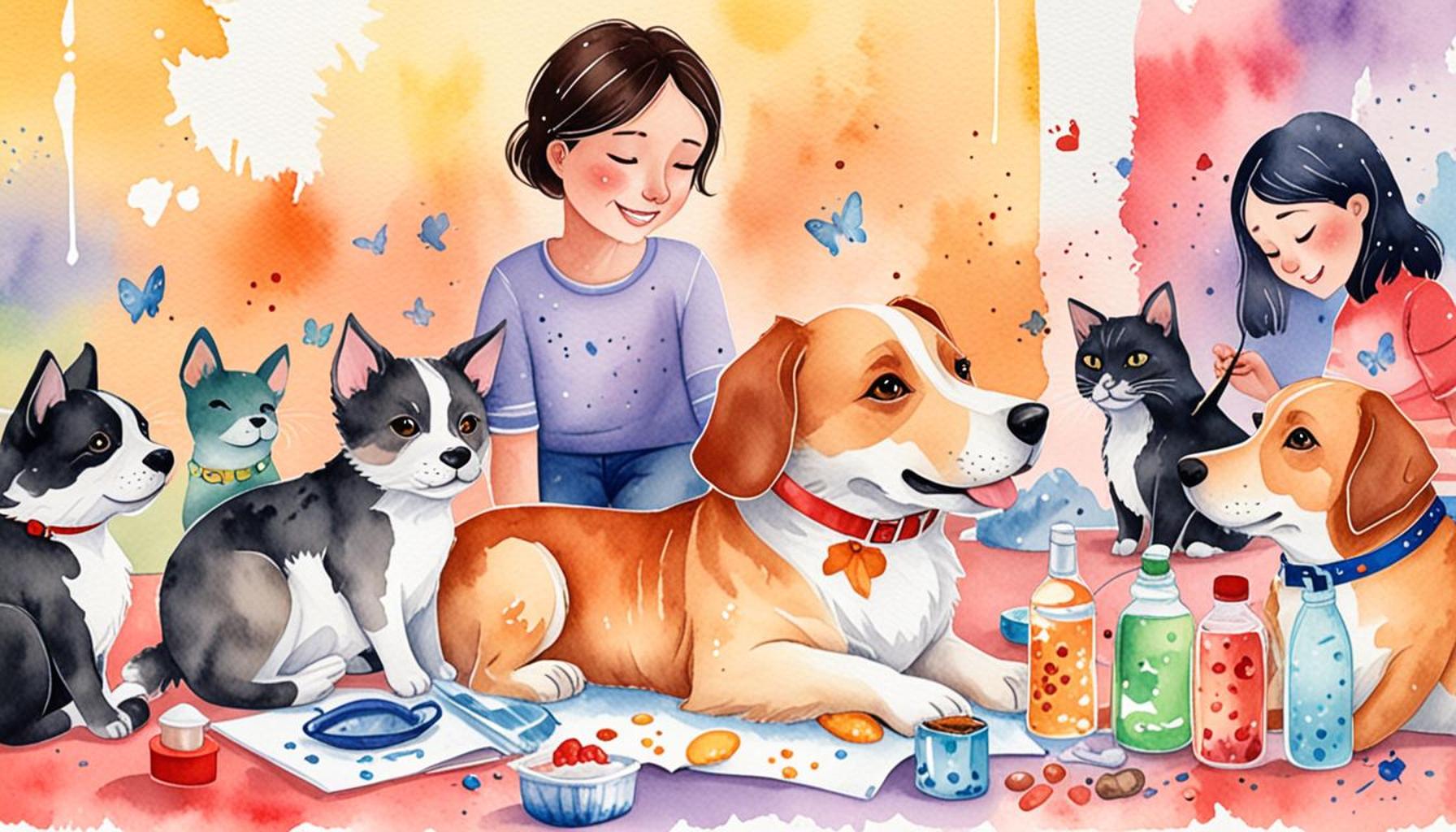
The Role of Narrative in the Formation of Bonds between Owners and Pets

The Unique Connection Between Humans and Their Pets
In the complex tapestry of human relationships, our connections with pets hold a unique place. The way we narrate experiences with them creates a profound bond that goes beyond mere companionship. This phenomenon is rooted in narrative psychology, where personal stories and shared experiences significantly enhance our interactions. Through the act of storytelling, we not only reflect on our own lives but also provide a canvas upon which our pets become integral characters, influencing our emotions and daily interactions.
Consider the following elements that illustrate this bond:
- Shared Experiences: Every pet owner has a repertoire of stories about their furry friends that evoke laughter, joy, or sometimes sorrow. From the mischievous antics of a puppy stealing food from the pot to the heartwarming moment a cat snuggles up after a long day, these narratives are often told and retold within families and among friends. These stories not only serve as entertainment but also reinforce the emotional significance of the pet in one’s life.
- Emotional Narratives: The emotions we assign to our pets through storytelling can foster deep, personal connections. For instance, the loss of a pet can evoke profound grief, while milestones such as a dog learning a new trick can be sources of celebration. In Nigeria, where community ties are strong, these narratives often extend beyond the household, creating a shared understanding that binds people together through similar experiences with their pets.
- Cultural Significance: In Nigeria, the tales we tell about our animals often reflect our cultural values and beliefs. An example can be seen in folktales where animals play symbolic roles, teaching lessons about morality or perseverance. The stories of the clever tortoise or the wise elephant are not just entertaining; they also serve to transmit cultural wisdom and shared values, linking generations through the storytelling tradition.
Narrative plays a crucial role in shaping perceptions and creating lasting memories between owners and their pets. Through storytelling, owners not only humanize their pets but also enrich their lives with shared adventures and challenges. This practice builds a strong sense of community and understanding among pet enthusiasts. Over the years, pet owners across Nigeria have formed close-knit communities, sharing their stories on social media platforms, at local parks, and during community gatherings.
As you delve further into the relationship outlined in this article, you will discover how shared narratives can genuinely transform the bond we have with our pets, fostering empathy and emotional expression. Engaging in these shared stories enhances our understanding of one another and our relationships with pets, ultimately creating a more enriching experience in our lives. Through the lens of narrative psychology, we can celebrate the deep, often transformative connections forged between humans and their beloved animal companions.
The Power of Storytelling in Pet Bonding
The act of sharing stories about our pets is not merely a pastime; it is a crucial element that shapes the bonds we form with them. Through shared narratives, pet owners weave a rich tapestry of experiences that fosters emotional understanding and solidifies connections. This storytelling process is where moments and memories intertwine, encapsulating the essence of our relationships with our pets. Narratives create a platform for the celebration of our pets’ personalities and quirks, along with the various adventures we embark on together.

One of the most compelling aspects of this narrative connection lies in how individual experiences are transformed into collective tales. For instance, a dog that can perform amusing tricks becomes not just an individual with a unique skill but a part of a larger narrative that involves pride and shared laughter among family and friends. In Nigerian culture, where storytelling is a cherished tradition, these narratives find a common ground that resonates universally. They bond families and communities as they share the joy of these tales, reinforcing cultural ties and emotional connections.
- Creation of Shared Memories: Each story contributes to a reservoir of shared experiences that pet owners cherish. Be it the small victories of a pet learning to use the toilet or the heart-wrenching moment of a pet’s first visit to the veterinarian, these moments become woven into the fabric of our lives. In Nigeria, gatherings often include sharing such experiences with guests, creating an immediate rapport based on shared joys and tribulations.
- Expression of Love: The stories we tell about our pets often serve as testimonials of our love for them. By recounting adventures, we allow others to glimpse the affection we feel. For example, whether it’s detailing how a cat purrs contentedly after a meal or how a dog greets its owner with boundless enthusiasm after a long day, these narratives paint a hearty picture of companionship that reinforces the emotional bond.
- Exploring Grief and Healing: Narrative also plays a pivotal role in navigating complex emotions, particularly in times of loss. When a beloved pet passes away, storytelling serves as a powerful tool for processing grief. Sharing memories of a pet, whether through conversations or social media, helps owners celebrate their lives while also finding solace in community support. In the wake of loss, the collective recollection of a pet’s idiosyncrasies can foster healing and a sense of connection among fellow pet owners.
This exploration of narratives reveals a compelling layer to our relationships with pets that extends far beyond simple companionship. The stories we tell serve as connectors, enriching our lives and reinforcing the crucial bond we share with our beloved animals. Each narrative not only honors the pet but also celebrates the life experiences of the owner, which is vital in fostering a profound understanding between humans and their furry counterparts. As we delve further into how these vivid narratives shape our emotions and relationships, it becomes evident that the stories we create together offer a pathway to a deeper connection and understanding, enriching daily life in our communities.
| Category | Description |
|---|---|
| Emotional Connection | Narratives create emotional resonance between owners and pets, leading to deeper relationships. |
| Shared Experiences | Stories of adventures and daily routines enrich the bond and facilitate understanding. |
| Personification | Narratives allow for personification of pets, enhancing the perception of them as family members. |
| Therapeutic Impact | Sharing narratives can provide therapeutic benefits, improving mental health for both owners and pets. |
This exploration into the pivotal role of narrative emphasizes how storytelling fosters lasting connections between owners and pets. By weaving tales of shared experiences and emotions, the bond deepens, enabling a profound understanding between humans and their furry companions. Pets are not just animals; through narrative, they become vital members of the family with unique stories that shape their identities. The therapeutic benefits highlighted further illustrate pet ownership’s significance in enhancing well-being, not only for pets but also for their owners. Engaging in storytelling encourages reflection on everyday interactions, promoting a richer emotional tapestry that forms the backdrop of these beautiful relationships. By embracing the power of narrative, pet owners can cultivate a deeper appreciation and connection with their beloved companions.
The Emotional Landscape of Pet Ownership Through Narratives
As we delve deeper into the narrative aspect of pet ownership, it becomes clear that storytelling is not just an avenue for entertainment but a vital tool for emotional expression. By sharing our stories about pets, we navigate an emotional landscape that reflects the profound connections forged over time. This process of self-reflection and expression is particularly significant within the Nigerian context, where storytelling has long been a conduit for sharing struggles and triumphs.
Moreover, the narratives we craft often highlight the development of trust between pets and their owners. When a pet learns to respond to commands or display affection, it is not merely a testament to training; it is a powerful story of mutual understanding. For instance, many Nigerian pet owners recount experiences where their dogs sense when they are down and offer comfort. These narratives testify to the intuitive connection that breeds trust, further solidifying the bond between owner and pet. Narratives of such experiences resonate deeply with others, showing that trust is built not just through actions but through shared emotional experiences.
- Reinforcement of Identity: The narratives pets inspire often serve as a mirror reflecting our identities. In Nigerian households, the stories of pets may intertwine with familial or cultural narratives, where each pet symbolizes specific traits or values—loyalty, bravery, or playfulness. By recounting these tales, owners reinforce their own identities and values, illustrating how pets become integral to family storytelling.
- Cultural Symbolism: Narratives around pets can resonate with cultural beliefs and practices, showcasing pets as symbols of companionship that transcend mere utility. For instance, the adored “mascot” of local markets or the popularization of pets through media can cultivate societal trends that elevate the significance of pets in community storytelling. The resulting narratives help establish a cultural understanding that continues to evolve with the society, merging traditional values with modern beliefs.
- Community Connection: One of the most enriching outcomes of narratives is their power to forge community connections. In Nigerian contexts, pet owners often share relatable stories at social gatherings or community events, allowing owners and non-owners to bond over shared laughter and empathy. These narratives break the ice, facilitating deeper relationships within the community, creating a sense of belonging that extends beyond the human-animal bond.
Furthermore, narratives aid in the generational transmission of values associated with pet ownership. Young children who grow up hearing stories about their parents’ pets may develop their own relationships that echo the sentiments and values expressed through these tales. This continuity ultimately enhances the emotional landscape of pet ownership, demonstrating how narratives become a roadmap for future relationships between pet owners and their beloved animals.
As we explore the critical role of narrative in shaping the emotional bonds between pets and their owners, it becomes evident that these stories do more than document experiences; they shape perceptions, cultivate identities, and fortify connections within families and communities. Through storytelling, pet ownership evolves into a rich tapestry of shared emotions and values, showcasing the multifaceted dimensions of companionship that only narratives can illuminate.
Conclusion: The Power of Storytelling in Pet Ownership
In conclusion, the role of narrative in the formation of bonds between owners and pets is an intricate and profound journey that transcends mere companionship. Through the art of storytelling, we can uncover the emotional depth embedded in our relationships with animals, emphasizing how these tales foster trust, understanding, and affection. As evidenced in Nigeria, where cultural narratives thrive, stories about pets become intertwined with familial values and societal beliefs, enriching not only personal identities but also community connections.
The sharing of pet narratives serves not solely as a method of reflection but as a means of creating shared experiences that resonate with others, reinforcing the sense of belonging. These narratives highlight the unique characteristics and emotional support that pets offer, illustrating a bond that is often perceived as instinctual yet deeply rooted in meaningful interactions. Furthermore, as these stories are passed down through generations, they create a lineage of values and attitudes towards pet ownership, fundamentally influencing the way future generations approach their relationships with animals.
Ultimately, the stories we tell shape perceptions, strengthen ties, and etch memories into the fabric of our lives together with our pets. They invite others to partake in our journeys, connecting us on a broader scale, and urging communities to embrace the importance of empathy and companionship. As we continue to explore this captivating dynamic, it becomes clear that narratives not only celebrate the unique bond between pets and their owners but also challenge us to reflect on our shared humanity in the context of love and loyalty. In a world increasingly defined by complexities, storytelling remains a powerful tool to illuminate the simple yet significant aspects of our lives, reminding us of the profound impact our beloved pets have on us all.