
Strategies to Prevent and Treat Common Parasites in Pets

Pets are cherished members of our families, providing companionship and joy. However, they are also susceptible to common parasites that can compromise their health. Understanding how to prevent and treat these parasites is essential for any responsible pet owner.
Why Focus on Parasite Control?
In Nigeria, the prevalence of parasites such as fleas, ticks, and worms is significant and increasingly concerning for pet owners. These parasites not only harm our pets but can also pose serious health risks to humans. For example, fleas can trigger allergic reactions in both pets and their owners, leading to intense itching and discomfort. Furthermore, they are known vectors for diseases that can affect various species, including humans.
- Fleas: These tiny pests can cause severe skin irritations, hair loss, and transmit diseases like cat scratch fever and tapeworms. They thrive in warm, humid climates, making them particularly prevalent in many areas of Nigeria.
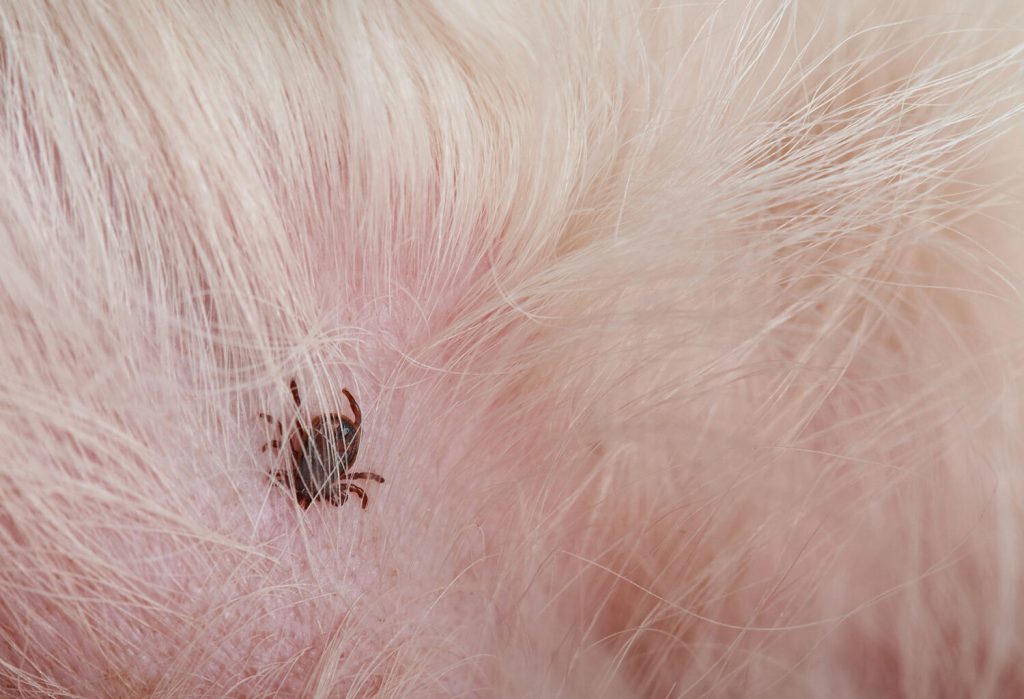
- Ticks: Ticks are notorious for transmitting life-threatening diseases such as tick fever and Lyme disease. Their bite can lead to severe blood loss and act as a catalyst for secondary infections, making immediate tick control vital.
- Worms: Common intestinal parasites like roundworms and hookworms can lead to malnutrition, anemia, and even organ damage in affected pets. Symptoms may not appear until the infection is severe, highlighting the need for regular deworming.
Effective Strategies for Prevention
Implementing preventive measures ensures that your pet stays healthy and your household remains safe from these nuisances. Consider these essential strategies:
- Regular Vet Visits: Schedule check-ups with your veterinarian at least twice a year. These visits can help catch any early signs of parasitic infections, leading to quicker treatment and better outcomes.
- Proper Hygiene: Keep your pet’s living environment clean by regularly washing their bedding, grooming them frequently, and ensuring that their outdoor spaces are kept tidy. This can significantly reduce the chances of a flea infestation.
- Medication: Use vet-recommended treatments for parasites, such as topical flea treatments, oral medications for worms, and tick prevention collars. Always consult your vet before starting any new product to ensure it’s suitable for your pet’s specific needs.
By incorporating these practices into your routine, you can effectively protect your pets from common parasites and maintain a healthier home environment. Regular vigilance, attention to hygiene, and prompt treatment can vastly improve your furry companions’ quality of life. Let’s explore effective treatments to combat these nuisances further!
Understanding Common Pet Parasites
To successfully combat the challenge of parasites in our beloved pets, it is crucial to first gain a comprehensive understanding of the various types of parasites commonly found in Nigeria. Each parasite presents unique challenges, and recognizing their presence can make a significant difference in treatment and prevention strategies.
- Tape Worms: Often a result of ingesting fleas or infected rodents, these intestinal parasites can be a significant concern. Tape worms can grow several feet long inside a pet’s intestines and are often identified by the visible segments that might appear in a pet’s feces or around their tail. This not only highlights the discomfort for the pet but also underscores the importance of maintaining proper hygiene practices. Regular grooming and flea control are vital preventive measures that can help mitigate these infestations.
- Giardia: A common protozoan parasite found in contaminated water sources like puddles and muddy areas, Giardia can trigger significant gastrointestinal disturbances in pets. Pets infected with Giardia often experience symptoms such as diarrhea, vomiting, and loss of appetite, which can quickly lead to dehydration. In Nigeria, where outdoor play is common, it’s important for pet owners to monitor their pets closely and ensure they do not drink from potentially contaminated sources like stagnant water or muddy pools.
- Heartworms: These dangerous parasites are transmitted by mosquitoes and can lead to severe health issues for pets, including heart and lung disease. Pets may not show symptoms until the disease has progressed significantly. Early symptoms can include mild coughing and lethargy, which many pet owners may dismiss. Given the humid climates in many parts of Nigeria, where mosquitoes thrive, regular veterinary consultations and the use of preventative medications are critical in safeguarding your pets.
Preemptive Measures Make All the Difference
Implementing a proactive approach to parasite prevention is essential for the safety and well-being of your pets. Here are some effective strategies that every pet owner should consider:
- Routine Deworming: Start deworming your pet during their puppy or kitten stage and continue with regular treatments as recommended by your veterinarian. A consistent deworming schedule not only eliminates existing worm infestations but also serves as a preventive measure against future ones. It’s advisable to keep a record of the deworming dates to ensure your pet remains protected.
- Use Preventive Medications: Consult your vet about monthly heartworm preventatives and flea and tick medications. These products can reduce the risk of infestations significantly. With a variety of formulations available—ranging from chewables and topical treatments to collars tailored for specific types of pets—it’s essential to choose the right option that fits your pet’s needs.
- Limit Outdoor Exposure: While pets love to explore, particularly in Nigeria’s rich natural landscapes, limiting their exposure to environments where parasites thrive can greatly reduce their risk. Ensuring pets are supervised during outdoor activities—especially during dawn and dusk when mosquitoes are most active—can further protect them.
By comprehending these common parasites and establishing a comprehensive prevention strategy, pet owners can create a safer environment for their beloved animals. Regular check-ups and swift responses to any signs of parasite presence are vital components in maintaining their health. With vigilance and appropriate care, pets can enjoy a happy, parasite-free life, allowing them to thrive alongside their human companions. In the upcoming section, we’ll explore effective treatment options should preventative measures fall short, equipping pet owners with the knowledge necessary to combat any unexpected challenges.
Understanding Common Pet Parasites
Understanding the threats posed by common parasites in pets is crucial for any pet owner. Parasites such as fleas, ticks, and worms can cause significant health issues for pets and can even be transmitted to humans. These agents of infestation live off the host, often leading to discomfort and a variety of health complications. Recognizing the signs of infestation early can be important in implementing effective prevention and treatment strategies.
Effective Prevention Strategies
Preventing parasites starts with regular veterinary check-ups and maintaining a clean living environment. Keeping your pet’s bedding clean, using flea preventative treatments, and ensuring proper hygiene can go a long way in reducing the risk of infestation. Additionally, consider regular grooming sessions which can help identify any potential issues early on.
Identifying Symptoms
Spotting the signs of parasite infestations can help you to quickly address them. Symptoms can include excessive scratching, skin irritations, weight loss, vomiting, or even lethargy. If any of these symptoms appear, contact your veterinarian for advice on appropriate treatments.
Introducing Treatment Options
In the event of a parasite infestation, prompt treatment is necessary. Various treatments, ranging from topical medications to oral medications, are available. Your veterinarian can recommend the best course of action based on the type of parasite and the level of infestation. It’s critical to follow the dosage instructions carefully and maintain a consistent treatment schedule to ensure the parasites are fully eradicated.
| Prevention Strategies | Treatment Options |
|---|---|
| Regular Vet Check-ups | Topical and Oral Medications |
| Maintaining Clean Living Spaces | Natural Remedies and Supplements |
Stay proactive about your pet’s health by educating yourself on these strategies to prevent and treat common parasites. Your furry friends deserve a parasite-free life, and your role as a pet owner is vital in achieving this!
Identifying and Treating Infected Pets
Despite our best efforts in prevention, pets can still fall victim to parasitic infections. Recognizing the signs early and knowing how to treat these parasites effectively can be crucial for the health of our furry companions. Below are common symptoms associated with different parasites, and corresponding treatments that pet owners can administer under veterinary advice.
- Identifying Symptoms: Early detection often makes a dramatic difference in treatment outcomes. Pet owners should be vigilant for signs of illness such as frequent scratching, excessive licking, weight loss, vomiting, diarrhea, and lethargy. For instance, an infected dog might scoot along the ground due to irritation caused by tape worms, while a cat may groom excessively due to flea infestations. Regular physical examinations can assist in detecting abnormal signs that warrant further investigation.
- Veterinary Diagnostics: If you suspect your pet has a parasite, it’s vital to consult a veterinarian promptly. They often employ fecal tests or blood tests to accurately diagnose the infection. These tests can help identify the type of parasite affecting your pet, ensuring treatment is tailored specifically to the menace at hand. In Nigeria, where veterinary care can sometimes be limited, building a relationship with a trusted vet is essential for timely intervention.
- Administering Treatment: The treatment process will largely depend on the type of parasite and the severity of the infection. For gastrointestinal parasites like roundworms and tape worms, your veterinarian may prescribe deworming medications that you can easily administer at home. Anti-parasitic oral medications or topical treatments for fleas and ticks can help restore your pet’s comfort and health more quickly. It’s essential to follow the prescribed dosage and medications strictly to prevent resistance.
Home Remedies and Natural Treatments
While veterinary care is crucial, many pet owners often look towards home remedies and natural treatments as supplementary methods for managing parasites. However, it’s important to note that these should not replace professional veterinary advice but can be used as complementary aids.
- Diatomaceous Earth: This natural powder can be an effective flea and tick control agent. Derived from fossilized algae, it is safe for pets and can be sprinkled in areas where parasites are prevalent, such as bedding or play areas. However, care should be taken to avoid inhalation.
- Herbal Remedies: Certain herbal supplements, such as wormwood and neem, have been known for their anti-parasitic properties. Adding these to your pet’s diet may help reduce parasite load, but pet owners should discuss this with their veterinarian beforehand.
- Clean and Sanitize: Maintaining a clean environment is crucial in preventing re-infestations. Regularly washing your pet’s bedding, sanitizing food and water bowls, and vacuuming often can drastically reduce the chances of parasites taking hold in your home.
Ultimately, staying informed about the preventions and treatments available for parasites in pets is fundamental to ensuring their long-term health and happiness. A proactive and well-informed approach can empower pet owners to tackle potential parasites effectively, promoting a healthier environment for both pets and their human companions. With consistent vigilance, regular veterinary care, and a little extra attention to cleanliness and control, pets can lead healthier lives and enjoy their everyday adventures with their families.
Conclusion
In conclusion, implementing effective strategies to prevent and treat common parasites in pets is essential for ensuring their overall health and well-being. From proactive preventative measures, such as regular veterinary check-ups and proper sanitation practices, to recognizing symptoms and understanding treatment options, pet owners have the responsibility of becoming knowledgeable advocates for their furry friends. These parasites, if left untreated, not only impact your pets but can also create health risks for humans within the household.
Educating yourself about the lifecycle of common parasites like fleas, ticks, and worms, and employing natural treatment methods can enhance your pet’s quality of life. While home remedies provide supplementary support, always consult with a veterinarian to create a comprehensive care plan tailored to your pet’s unique needs, particularly considering the veterinary resources available in Nigeria.
Moreover, regular engagement with a trusted veterinarian can empower pet owners to make informed decisions, particularly in managing prevalent parasites that might affect the local pet community. By fostering a proactive approach towards prevention and seeking prompt treatment at the first sign of infection, we can curb the spread of these nuisances. Together, we can ensure that our pets live happier, healthier lives, making every moment spent with them more joyful and parasite-free.
Ultimately, investing time and resources into understanding strategies to prevent and treat common parasites is a worthwhile commitment that contributes to the well-being of our beloved pets and enhances our lives enriched by their companionship. So let’s take action and create a safer, healthier environment for both pets and their families.