The Importance of Pet Health Management in Urban Communities in Nigeria

The Importance of Pet Health Management in Nigeria’s Urban Centers
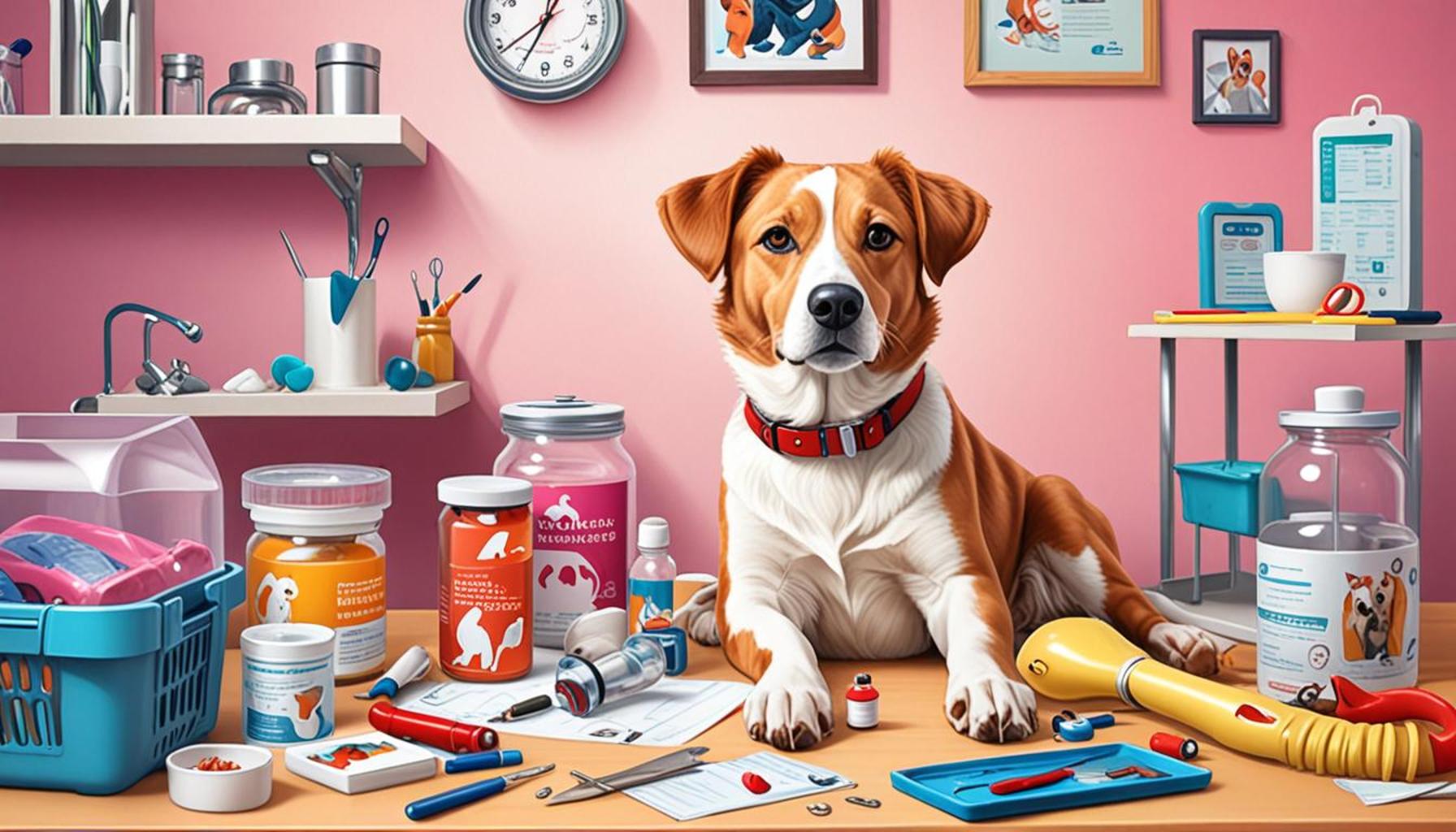
Pet ownership is soaring in urban Nigeria, a trend that brings joy and companionship to many households. However, with this rise comes a pressing need for informed pet health management. Many pet owners remain unaware of essential health practices that can significantly influence their pets’ quality of life. The implications of this knowledge gap extend far beyond individual households, affecting community health and safety.
- Health Risks: Urban environments present unique challenges for pets. For instance, pets in cities are often exposed to higher levels of pollution, which can lead to respiratory issues and skin allergies. Additionally, infectious diseases such as rabies and parvovirus can thrive in densely populated areas where stray animals coexist. A study conducted by the Nigerian Veterinary Medical Association highlighted the correlation between urban wildlife and the spread of zoonotic diseases—diseases that can be transmitted from animals to humans. Thus, understanding how to mitigate these risks is vital.
- Mental Well-being: Proper pet care is not merely about physical health; it has profound implications for the mental well-being of both pets and their owners. Research shows that pet ownership can alleviate symptoms of anxiety and depression, fostering emotional bonds and providing a sense of purpose. Activities such as regular walks in parks or engaging in play can enrich the lives of both pets and their owners, enhancing their social interactions.
- Community Impact: The proliferation of stray animals is a pressing concern in urban areas. Strays can be vectors for diseases, not only posing risks to pet owners but also affecting the broader community. Effective animal control and management practices are essential to mitigate these risks. For example, community initiatives focused on spaying and neutering can help reduce the stray population, ultimately leading to a healthier urban environment.
Furthermore, the awareness of vaccination, routine veterinary check-ups, and preventive care needs to be emphasized among pet owners in Nigeria. Vaccinations protect pets from life-threatening diseases, while regular health screenings can help detect health issues early, ensuring timely intervention. The long-term benefits of these practices—both in human and economic terms—are significant. Society’s perception of pets as family members underscores the responsibility that pet owners must undertake for their health and safety.
This article will delve into the critical role of pet health management in urban Nigeria. By promoting awareness of basic pet care practices and addressing community challenges, we can cultivate an environment that supports the health and well-being of our beloved pets. As we navigate this complex urban landscape, equipping ourselves with knowledge and taking responsibility collectively will pave the way for a healthier future for both pets and their communities.
Understanding Health Risks for Pets in Urban Nigeria
In the bustling urban centers of Nigeria, pets are often more than just companions; they are integral parts of the family dynamic. However, the challenges presented by city life can pose serious health risks to our furry friends. Urban environments expose pets to enhanced levels of pollution, and this environmental factor can have dire consequences on their health. Common ailments like respiratory issues and skin allergies are on the rise among urban pets due to poor air quality and exposure to harmful toxins. For example, studies have indicated that pets living in cities like Lagos or Abuja may develop chronic respiratory problems that require ongoing treatment.
Moreover, infectious diseases present yet another health challenge significant to pet owners. The endemic presence of pathogens, as highlighted by local veterinarians, often escalates in dense populations where stray animals roam. Diseases such as rabies, parvovirus, and leptospirosis can easily spread in urban settings where animals are in close proximity. This trend prompts the necessity for vaccination awareness as a crucial aspect of pet health management. Vaccination not only protects the pets themselves but also serves as a vital component in safeguarding public health, as zoonotic diseases can pose risks to humans.
It is essential for pet owners to understand the importance of routine veterinary care, which includes regular vaccinations, health screenings, and preventive measures against parasites like fleas and ticks. Statistics show that pets receiving routine check-ups live longer and healthier lives, and early detection of health problems can significantly mitigate the financial burden of veterinary care later on. Unfortunately, many pet owners in Nigeria do not prioritize these essential practices, leading to significant health disparities among pets.
The Role of Mental Well-being in Pet Care
Beyond physical health, managing a pet’s mental well-being is equally crucial, especially in urban settings where stressors abound. The constant hustle and bustle of city life can lead to anxiety in pets, resulting in behavioral issues that negatively impact their quality of life. Research indicates that pets engaged in regular exercise and interactive play experience fewer symptoms of anxiety and depression. This not only benefits the pets but also enhances the emotional well-being of the owners, creating a symbiotic relationship that enriches lives.
- Regular Exercise: Daily walks and playtime can significantly improve a pet’s mental health.
- Social Interaction: Engaging with other pets and their owners can reduce feelings of loneliness.
- Enrichment Activities: Activities like puzzle toys or training sessions keep pets mentally stimulated and satisfied.
The connection between mental well-being and pet health management is a conversation that needs to be more prominent among urban pet owners. By fostering environments that prioritize mental stimulation and exercise, we can enhance not only our pets’ quality of life but also our own. In addressing these crucial elements of pet care, urban communities in Nigeria can cultivate a healthier and more vibrant pet ownership culture.
The Importance of Pet Health Management in Urban Communities in Nigeria
As urbanization continues to rise in Nigeria, pet ownership has surged, bringing about new challenges and responsibilities. The focus on pet health management has become critical, especially in densely populated areas where stray animals can be a source of zoonotic diseases. Implementing effective health management practices is essential to safeguard not only the animals but also human health within the community.Pet owners must prioritize regular veterinary check-ups to ensure the well-being of their animals. Routine vaccinations and preventive measures will significantly reduce the prevalence of diseases that could spread among pets and humans alike. Furthermore, responsible pet ownership fosters a supportive community spirit, encouraging pet owners to share knowledge about optimal care practices.In addition, urban communities often face issues with waste management. Effective pet health management includes providing guidelines for pet waste disposal, which minimizes environmental impact and promotes a cleaner living space. Awareness campaigns can educate pet owners on the importance of spaying and neutering, thereby controlling the stray population and enhancing the overall quality of life in urban settings.Regular health screenings for pets also empower owners to catch potential health issues early, reducing treatment costs in the long run. Understanding the interconnections between pet health and public health will foster a more harmonious coexistence in urban areas, contributing to a safer environment for all inhabitants.
| Category 1 | Category 2 |
|---|---|
| Disease control | Regular vet check-ups prevent spread of zoonotic diseases. |
| Community Engagement | Fosters responsible ownership and shared knowledge among pet owners. |
With enhanced pet health management practices, urban communities can thrive. Pet owners are urged to take initiative by participating in local awareness programs and seeking continuous education on effective pet care. By embracing these practices, communities in Nigeria can enjoy a healthier relationship with their pets while contributing to public health and environmental sustainability.
The Economic Impact of Pet Health Management
In urban communities in Nigeria, where economic resources may be limited, the economic impact of effective pet health management cannot be overstated. The costs associated with veterinary care can escalate quickly, especially when preventive measures are neglected. Addressing health issues before they develop into serious conditions not only ensures the well-being of pets but also alleviates the financial strain on pet owners and the healthcare system. For example, treating a vaccine-preventable disease such as parvovirus can often cost pet owners thousands of naira, whereas routine vaccinations and preventative care can be a fraction of that expense.
Analysis of local veterinary clinics shows that owners who prioritize wellness check-ups spend significantly less over time compared to those who wait until a serious health problem arises. These savings underscore the importance of promoting awareness on the need for early intervention and regular health monitoring. Moreover, it encourages a proactive approach among pet owners, ultimately benefitting the pet community at large.
Community Initiatives and Support Networks
Community involvement plays a pivotal role in advancing pet health management in urbanized areas of Nigeria. Several organizations and groups have emerged to fill the gap in education and access to veterinary care. Initiatives such as mobile veterinary clinics are gaining traction in cities like Port Harcourt and Kano, making it easier for pet owners to access essential services at low costs. These clinics often provide free or subsidized vaccinations and health screenings, allowing financially constrained pet lovers to care for their companions without undue burden.
Additionally, community-based awareness programs are vital in educating pet owners about the significance of spaying and neutering. This not only aids in controlling the pet population but also contributes to better health outcomes for pets. Local workshops and seminars led by veterinarians can showcase the importance of responsible pet ownership, encouraging practices that directly correlate with improved health and well-being.
- Community Vaccination Drives: Special events offering free vaccinations can protect pets in underserved areas.
- Pet Health Education: Workshops teaching proper pet care help reduce ignorance around health issues.
- Partnerships with NGOs: Collaboration with non-profit organizations can enhance resources available to pet owners.
Through collective efforts, urban communities can foster a stronger pet health management culture. By supporting initiatives that focus on education, vaccination, and responsible ownership, the overall health of pets in urban Nigeria can be substantially improved. These advancements can create a ripple effect, promoting happier, healthier lives for both pets and their owners, while simultaneously reducing the economic burden associated with pet healthcare.
Conclusion
In conclusion, the importance of pet health management in urban communities in Nigeria cannot be overlooked. Urbanization has led to increased pet ownership, but it has also brought forth challenges in accessing veterinary care and education. Effective pet health management is essential, not only for the well-being of pets but also for the economic and social fabric of communities. Preventative care, such as routine vaccinations and health screenings, can mitigate the costs associated with more severe health issues, ultimately benefiting both pet owners and the healthcare system.
Furthermore, community initiatives, like mobile veterinary clinics and local awareness programs, are crucial in bridging the gap between pet owners and necessary services. By fostering a culture of responsible pet ownership and prioritizing health education, these initiatives can transform urban environments into spaces that promote animal welfare. With the collaborative efforts of individuals, non-governmental organizations, and local governments, we can pave the way for a future where pets thrive alongside their owners.
As urban Nigerians continue to embrace pet ownership, it’s vital for both present and future generations to recognize that investing in pet health is not simply a matter of personal responsibility; it’s a communal commitment towards a healthier, happier coexistence. Ultimately, enhancing pet health management will not only ensure the safety and happiness of our beloved companions but also enrich the overall community experience, encouraging a deeper bond and shared responsibility between people and animals.