Agility Techniques for Dogs: Improving Coordination and Entertainment
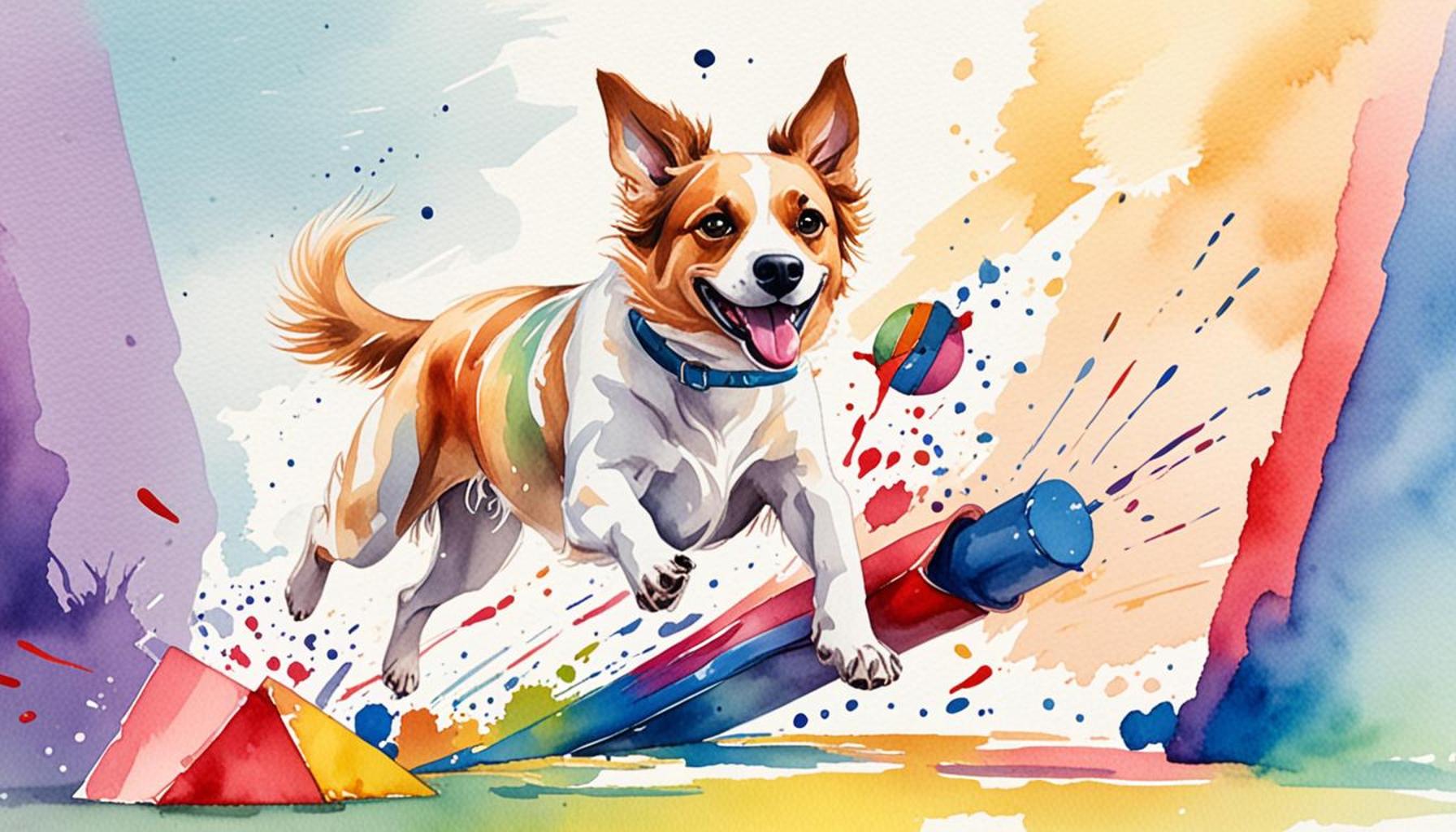
The Transformative Impact of Canine Agility
For many dog owners, finding engaging activities that enrich a pet’s life can be a challenge. Agility techniques for dogs offer a delightful solution, providing pets with both enjoyable physical exercise and valuable mental stimulation. As the concept of pet ownership evolves in Nigeria, where more families are embracing dogs as beloved family members, the importance of nurturing these relationships has become paramount. By incorporating agility training into regular routines, pet owners can foster a rewarding bond with their dogs while promoting overall well-being.
Agility training involves a series of physical challenges designed to test a dog’s speed, coordination, and obedience. By navigating through various obstacles, dogs not only enhance their physical skills but also learn to respond swiftly to their owner’s commands, reinforcing trust in the process. Let’s delve into some of the key benefits of this exciting activity:
- Enhanced Coordination: Dogs navigate hurdles, weave through poles, and dart through tunnels, all of which develop their balance and agility. This improvement can translate into better overall movement, which is beneficial for all dog breeds, especially those that may be prone to joint issues.
- Physical Fitness: Regular agility training combats obesity, a growing concern for many pets. With Nigeria’s rising pet food market, it is essential to maintain your dog’s health through physical activity to avoid issues such as diabetes and heart disease, which can arise from sedentary lifestyles.
- Mental Stimulation: Engaging in agility challenges can ward off boredom, which is a common cause of destructive behavior. Dogs thrive on tasks that challenge their problem-solving abilities, sparking excitement and satisfaction as they learn new skills.
Moreover, agility techniques can be seamlessly integrated into daily life. With minimal equipment, pet owners can create their own obstacle courses at home or in spacious local parks. Ordinary items can be transformed into engaging agility tools:
- Hurdles made of PVC pipes are affordable and easy to set up, providing a safe jumping challenge.
- Cardboard boxes can be used to construct tunnels, providing a fun hiding spot for dogs to explore.
- Broomsticks can be creatively bent to design weave poles, encouraging dogs to showcase their dexterity.
Such setups not only inject excitement into routine walks but also provide ample opportunities for community interaction. Local dog enthusiasts often organize agility trials and competitions, turning them into vibrant social events where dogs can display their agility and skills. Such gatherings cultivate a sense of community among pet owners and provide encouragement to those new to agility training.
In essence, the world of dog agility opens a treasure trove of activity that promotes health, happiness, and harmony between owners and their pets. By exploring agility techniques, you will witness your dog mastering new skills and you will undoubtedly strengthen an unbreakable bond filled with joy and fun. Whether in the buzzing heart of Lagos or the serene suburbs of Abuja, the joy of dog agility awaits, and the benefits are only a training session away.
Understanding the Fundamentals of Dog Agility
Engaging dogs in agility techniques is more than just a fun pastime; it is a structured approach to training that yields numerous benefits. Whether you have a sprightly puppy or a seasoned adult, implementing agility techniques can vastly improve their physical coordination and mental sharpness. But what exactly does agility training entail?
At its core, agility training involves directing your dog through an obstacle course, consisting of various challenges such as jumps, tunnels, and weave poles. The activity pushes dogs to refine their response to commands, enhancing communication between pet and owner. In a country like Nigeria, where the bond between humans and dogs is steadily growing, having a deep understanding of these fundamentals can significantly enrich the experience.
The beauty of agility training lies in its versatility; it can cater to dogs of any breed or size. For instance, Nigerian homeowners often have limited space, yet even a small backyard can accommodate basic agility setups. Here are some popular agility techniques that can be easily implemented:
- Jumps: Use low-profile hurdles made from readily available materials, such as foam or PVC pipes, to teach your dog to leap. Start with low heights and gradually increase as your dog gets comfortable.
- Tunnels: Create tunnels from cardboard boxes or purchase collapsible fabric ones, inviting your dog to trot through. This exercise boosts both confidence and coordination.
- Weave poles: Set up a line of vertical objects (like sticks or cones) spaced evenly apart, teaching dogs to weave in and out. This technique enhances agility and sharpens focus.
Moreover, agility training is not just restricted to ideal outdoor settings; it can also be adapted for indoor play. With a little creativity and ingenuity, everyday household items can become engaging tools for agility training. The Nigerian market is brimming with potential resources, making it accessible for pet owners to create their own agility courses.
It’s important to maintain a positive and encouraging atmosphere during training sessions. Consistent rewards and praise can significantly elevate your dog’s enthusiasm. This approach fosters trust and strengthens the bond between the owner and the pet. As you navigate through these activities, you may find unexpected joys, such as witnessing your dog’s developing skills and growing confidence.
Incorporating agility techniques ultimately addresses deeper needs as well. A well-exercised dog is less likely to engage in disruptive behavior resulting from boredom. The physical activity also helps mitigate health issues, a crucial concern in Nigerian cities where lifestyle habits heavily influence pet health. Furthermore, the process of agility training can improve your dog’s social skills, making them more approachable and less stressed around other animals.
As we continue to explore the multifaceted world of canine agility, the rewards of training go far beyond the realm of entertainment. Your pet’s happiness and health intertwine, while your commitment to enriching their lives creates a lasting, joyful companionship.
| Advantages | Description |
|---|---|
| Enhanced Coordination | Agility training develops a dog’s balance and coordination, crucial for executing complex tasks and improving overall physical skills. |
| Mental Stimulation | Engaging in agility techniques keeps dogs mentally active, as they have to think critically about their movements and follow commands, preventing boredom and associated behavioral issues. |
| Bonding Experience | Working on agility courses together creates a strong bond between dog and owner, fostering trust and enhancing communication. |
| Physical Fitness | Regular agility training sessions improve a dog’s overall fitness, promoting a healthy lifestyle and reducing the risk of obesity and related health issues. |
Agility techniques are not just about fun; they bring about numerous benefits that can significantly enhance a dog’s quality of life. The physical and mental stimulation offered by these activities push the boundaries of what both dog and owner can achieve together, turning each challenge into a rewarding experience. Through such engagements, dogs thrive in environments where they can utilize their innate skills, making agility a vital aspect of their development. As owners explore this fascinating world, they may discover different training resources available, local classes, and communities dedicated to the art of dog agility, which can convert a simple pastime into a passionate venture. Whether aiming for competition or simply to entertain, agility techniques will surely revolutionize the way dogs interact with their environments and their handlers.
Elevating Canine Skills Through Advanced Techniques
Once basic agility techniques are mastered, it’s time to elevate your dog’s skills with more challenging exercises that further enhance their coordination and entertainment. Advanced agility courses introduce varying levels of difficulty and creativity, keeping both you and your canine companion engaged while forging a deeper bond.
As the agility skill set develops, integrating elements like zig-zag runs, balancing acts, and elevated surfaces can be particularly captivating. Here are a few advanced techniques to consider:
- Zig-Zag Runs: Build a serpentine course using cones or bottles spaced out in a pattern. This exercise sharpens your dog’s ability to turn swiftly while maintaining speed, eventually enhancing their responsiveness to your commands.
- Balance Beams: Create a simple balance beam using a sturdy plank or long log. The dog will learn to gauge their footing and maintain stability, building not just physical strength but also mental confidence.
- Teeter-Totter: A teeter-totter makes for an exciting addition to an agility course. Utilize a strong board balanced on a stable pivot to help your dog work on their weight distribution and coordination, enhancing their problem-solving skills.
In Nigeria, where humidity and rains can pose challenges, you can easily conduct agility training indoors during bad weather, making it an adaptable exercise for urban dwellers with limited space. Compact setups can fit in living rooms or designated training areas, turning downtime into stimulating exercise.
Another aspect worth considering is the importance of consistency and patience in agility training. Dogs thrive in structured environments, and a routine helps them learn more effectively. Exploring resource-rich platforms, both local and online, can lead you to detailed training guides and tutorials specifically tailored for various breeds and skill levels. Such resources often provide invaluable insights and alternative methods to enhance your dog’s training experience.
Additionally, participating in dog agility clubs or local competitions can expose you to like-minded individuals, fostering a community that shares the same passion for canine training. In cities like Lagos or Abuja, local clubs often host events that highlight agility training for dogs, making it an excellent opportunity to network and learn from experienced handlers. Not only will your dog benefit from being around other dogs, but the social aspect adds a layer of enjoyment and motivation for both you and your pet.
Furthermore, agility training is fantastic for encouraging your dog’s problem-solving abilities. Situations requiring quick thinking, like deciding which obstacle to tackle first, help stimulate their brains while they physically navigate through courses. This mental engagement is essential for dogs, especially in densely populated Nigerian environments where they may not have as many opportunities for natural stimulation.
Incorporating agility training into your dog’s life leads to an overall enhancement of their behavioral aptitude, often reflecting in their approach to everyday activities. Dogs engaged in agility are typically more focused and responsive, leading to fewer behavioral issues and a happier, more harmonious environment for both pets and owners.
By embracing these agility techniques, you are not only improving your dog’s coordination but also ensuring their overall well-being. The journey of refining these skills can be immensely rewarding, paving the way for an enriched relationship built on fun, learning, and trust.
Conclusion
In summary, the world of agility techniques for dogs offers a dynamic avenue to enhance your canine companion’s coordination and overall entertainment. As you’ve discovered, advancing from basic skills to complex maneuvers like zig-zag runs and balance beams not only challenges your dog physically but also fosters critical mental engagement. The joy of seeing your pet thrive through structured play can bring immense fulfillment, creating memorable moments for both of you.
Moreover, understanding the importance of consistency and patience in training provides a foundation for success. By cultivating an environment rich in learning and exploration, you’re setting the stage for a stronger bond built on mutual enjoyment and trust. In urban settings, especially in lively cities like Lagos and Abuja, the ability to conduct agility training indoors makes it accessible and adaptable, thus enriching your dog’s life even amidst the hustle and bustle.
Furthermore, engaging with local agility clubs and participating in competitions opens new horizons for both social interaction and skill development. These experiences not only elevate your dog’s agility prowess but also create a community of fellow enthusiasts that inspire continuous learning. As you embark on this exciting journey, remember that each obstacle navigated is a step toward a better-behaved, more focused companion.
Ultimately, agility training does more than improve coordination; it provides a meaningful outlet for energy, promotes mental stimulation, and contributes significantly to a happier lifestyle for you and your dog. Dive deeper into this rewarding practice and witness the transformation of your pet into a confident and agile creature, ready to tackle any challenge or adventure that comes their way.