Behavioral Intervention Strategies to Reduce Anxiety in Pets
Understanding Effective Strategies for Pet Anxiety
Handling pet anxiety is essential for ensuring that our furry companions lead happy and balanced lives. In Nigeria, where many households welcome pets into their homes, recognizing the signs of anxiety, such as excessive barking, destructive chewing, or withdrawal, is particularly important. These behaviors can result from various triggers, including environmental changes like moving to a new home, exposure to loud noises during festivities, or even the distress caused by being separated from their owners.
Fortunately, there are several behavioral intervention strategies available that can significantly reduce anxiety in pets. These interventions focus on understanding the unique behaviors of animals and what triggers their stress, providing a nurturing environment for them to thrive. Here are some effective strategies to consider:
- Desensitization: This involves gradually exposing pets to anxiety-provoking situations or stimuli, such as loud sounds or the sight of strangers. For example, if a dog is frightened by thunderstorms, spending time in a controlled manner exposing them to recorded thunder sounds at low volumes can help them acclimate.
- Counter-conditioning: This technique involves pairing a stressful situation with positive experiences. For instance, offering a pet their favorite treat or engaging them in play during a thunderstorm can help them associate storms with pleasant outcomes rather than fear.
- Creating a safe space: Design a quiet, cozy area in your home where your pet can retreat when feeling anxious. This space can feature a comfy bed, toys, and familiar scents to ensure the pet feels secure. In Nigerian homes, this might be a corner in a quiet room away from bustling sounds, perhaps adorned with traditional fabrics that offer comfort.
- Routine and consistency: Pets thrive on routine; maintaining a regular schedule for feeding, walks, and playtime can greatly reduce anxiety. The predictability of their daily activities contributes to a sense of security. In Nigeria, ensuring that pet owners align feeding times with local schedules and daily rhythms, especially during communal activities, can be beneficial.
Implementing these strategies not only helps pets feel more secure but also strengthens the bond between the pet and the owner. Such a deepened connection is vital, especially for communities in Nigeria, where pets are often seen as part of the family. The effort invested in managing pet anxiety promotes an atmosphere of trust and confidence.
Moreover, exploring behavioral intervention strategies equips pet owners with the knowledge to cater to their pets’ emotional needs, fostering not just peaceful coexistence but also enhancing the overall quality of life for both pets and their humans. Each small step in implementing these techniques can result in profound changes, leading to a tranquil environment where pets can flourish.
Implementing Behavioral Techniques for Calmer Pets
Understanding that pet anxiety can stem from various sources—ranging from loud noises to social interactions—it’s imperative for pet owners to adopt targeted behavioral intervention strategies. These techniques are not only effective but also accessible, allowing pet owners in Nigeria to create a calmer environment for their four-legged friends. The journey towards easing anxiety involves patience and consistency, but the results can be profoundly rewarding.
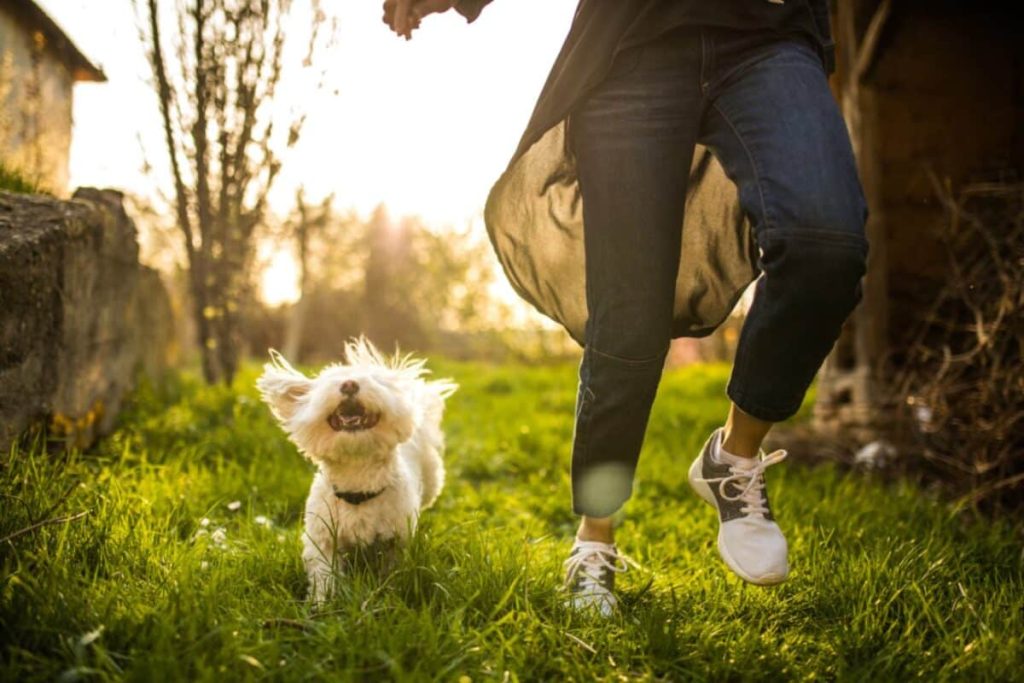
One of the key strategies, desensitization, works by gradually introducing the pet to the source of their distress in a controlled manner. For instance, if a dog shows signs of anxiety during festive celebrations characterized by loud music and fireworks, pet owners can start desensitizing their pets by playing low-volume recordings of similar sounds. Over time, increasing the volume and the duration can help pets acclimate, thus reducing their fear response. This technique is particularly useful during events like Nigerian weddings or New Year celebrations, where noise levels can be overwhelming.
In conjunction with desensitization, counter-conditioning serves as an effective strategy. By pairing a stressful stimulus with positive experiences, pets can learn to associate previously fear-inducing sounds or sights with things they enjoy. For example, when a pet dog hears thunder, owners can respond by engaging their pet in a game of fetch or offering tasty treats. This method transforms a negative experience into a positive one, markedly improving the pet’s response to anticipated anxiety triggers.
An equally important aspect of managing pet anxiety is the creation of a safe space. It is essential for pets to have a designated area they can retreat to during times of stress. This safe haven can be a corner of the living room outfitted with cozy bedding, favorite toys, and familiar scents, ensuring that the pet feels secure and relaxed. In many Nigerian homes, this may involve establishing a comfortable nook decorated with traditional textiles that resonate with the household’s aesthetic while providing comfort.
- Positive reinforcement: Utilize treats or praise to reward calm behavior during stressful moments, reinforcing the idea that there are benefits to being quiet and relaxed.
- Interactive toys: Engage pets’ minds and keep them occupied, especially during moments of elevated anxiety or while owners are away.
- Socialization: Encourage safe interactions with other animals and people to reduce fear over time, guiding pets to feel secure in new environments.
Routine and consistency cannot be overstated when it comes to reducing anxiety in pets. Establishing a predictable schedule for feeding, exercise, and playtime fosters a reassuring environment. For instance, aligning walk times with local rhythms—such as busy market hours or communal gatherings—can help pets feel included and structured. This structure provides them with a sense of security, helping to allay their anxiety significantly.
By implementing these behavioral intervention strategies, pet owners can gradually foster a more relaxed and confident demeanor in their pets. This not only enhances the pets’ well-being but also deepens the connection between pet and owner, paving the way for a harmonious coexistence within the household and community.
| Category | Benefits |
|---|---|
| Desensitization Techniques | Gradually exposing pets to the source of their anxiety in a controlled manner. |
| Counter-Conditioning | Changing the emotional response of pets towards anxiety-inducing stimuli. |
| Positive Reinforcement | Encouraging desired behaviors through rewards, helping reduce anxiety |
| Consistency in Routine | Establishing a predictable environment can significantly relieve pet stress levels. |
| Environmental Enrichment | Providing interactive toys, games, and activities can distract pets from anxiety triggers. |
Incorporating these behavioral intervention strategies can lead to noticeable improvements in pets suffering from anxiety. By utilizing desensitization techniques, pet owners can help their pets confront fears in a safe manner, progressively reducing their anxiety responses. Counter-conditioning serves to reshape how pets react to stressors, transforming fear into a neutral or positive experience.Employing positive reinforcement encourages not only desired behaviors but also fosters a supportive bond between owner and pet, creating a more relaxed atmosphere. Consistency in routine is vital; it offers a sense of security that pets crave, potentially leading to a reduction in anxious behaviors.Lastly, indulging pets in environmental enrichment activities can be an effective distraction, diverting attention away from anxiety-inducing triggers, thus enhancing their overall well-being. Exploring these methods can pave the way for a more harmonious life for both pets and their owners.
Enhancing Pet Comfort with Innovative Approaches
As we delve deeper into behavioral intervention strategies to reduce anxiety in pets, exploring innovative solutions can provide additional tools for pet owners. With the increasing accessibility of various behavioral aids and techniques, a multifaceted approach is often the most effective in ensuring that pets lead calmer lives. From environmental adjustments to the incorporation of technology, there are numerous practices that can prove beneficial in alleviating anxiety.
Environmental enrichment plays a crucial role in tackling anxiety. Providing pets with diverse stimuli can be significantly calming. For instance, creating an indoor garden or green space can have a relaxing effect on pets, as they often find solace in nature. Pet owners in urban areas of Nigeria can utilize small balconies or courtyards to set up potted plants or even a small water feature. The sight and sounds of nature can serve as a soothing backdrop for anxious pets while providing them with an engaging environment to explore.
Another effective strategy is the use of calming aids. With a wide range of products available in the market today—from anxiety wraps to pheromone diffusers—pet owners have helpful options at their disposal. For example, anxiety wraps, which provide gentle, consistent pressure around a pet’s body, have been shown to reduce anxiety in both dogs and cats. This practice mirrors the calming effects of swaddling in infants, creating a sense of security. In Nigeria, the availability of these products through local pet stores or online platforms has made it easier for pet owners to find suitable calming aids for their companions.
The integration of technology into pet care has also emerged as a valuable support system. Smartphone applications designed for pet training can facilitate behavioral modifications by guiding owners through systematic desensitization and counter-conditioning techniques. For those seeking additional support, virtual consultations with certified animal behaviorists can be highly beneficial. They provide tailored advice, addressing specific anxiety triggers in pets and equipping owners with the right strategies to navigate these challenges.
Regular exercise is another integral component in managing pet anxiety. Pets often experience high levels of stress due to pent-up energy, exacerbating their anxious behaviors. Ensuring that dogs engage in daily walks or play sessions not only relieves anxiety but also strengthens the bond between pet and owner. For apartment dwellers in bustling Nigerian cities, utilizing dog parks or communal spaces during off-peak hours can provide a much-needed energy outlet for pets, making their environment less agitated.
- Routine veterinary check-ups: Periodic health screenings can rule out medical issues that may contribute to anxiety. Flea infestations or dietary intolerances can create discomfort, which might manifest as anxiety.
- Calm music playlists: Some studies suggest that specific genres of music can reduce stress in pets by encompassing calming frequencies. Owners can curate playlists featuring soothing sounds for their pets during stressful situations.
- Mindfulness training: Similar to humans, pets can benefit from mindfulness practices. Simple exercises such as controlled breathing can help pets learn to manage their anxiety over time.
Ultimately, by adopting these innovative strategies alongside traditional behavioral techniques, pet owners can create a more tranquil atmosphere that caters to their pet’s emotional needs. The combination of environmental richness, physical activity, and technological tools can collectively aid in transforming an anxious pet into a more balanced and confident companion. This comprehensive approach reflects a growing understanding of pet psychology and the steps necessary to ensure peaceful cohabitation.
Conclusion: A Holistic Approach to Pet Anxiety Management
In conclusion, addressing pet anxiety through behavioral intervention strategies requires a multifaceted and innovative approach that accommodates both environmental and emotional needs. By fostering a nurturing environment filled with enrichment, utilizing calming aids, and embracing technology, pet owners can effectively alleviate anxiety in their companions. Regular exercise and exciting activities not only exercise a pet’s physical being but also enhance the bond between humans and animals, promoting a sense of security and trust.
Moreover, implementing simple yet effective practices such as creating a serene space with nature-inspired elements, curating calming music playlists, and engaging in mindfulness activities further support the journey towards a balanced pet. It emphasizes the notion that pet care transcends mere daily feeding and walking; it encompasses a commitment to understanding and addressing the psychological well-being of our furry friends.
As Nigerian pet owners navigate the vibrant yet sometimes overwhelming urban lifestyle, adopting these tailored strategies can significantly reduce anxiety and foster happier, healthier pets. This heightened awareness of animal behavior and emotional health reflects a broader cultural shift towards responsible pet ownership. Embracing these behavioral intervention strategies not only enriches the lives of pets but also enhances the joyful experiences of their owners, laying the foundation for a harmonious partnership.
As we continue to learn more about our pets and their needs, let us take proactive steps together to ensure that every pet has the chance to thrive in a supportive and loving environment.