Behavioral Strategies to Increase Animal Adoption in Shelters

Understanding the Importance of Animal Shelter Strategies
In the heart of many communities across Nigeria, animal shelters tirelessly strive to provide safe havens for abandoned and stray pets. The challenge, however, remains significant: how to successfully match these loving animals with caring families. Implementing effective behavioral strategies can transform not only the adoption experience but also enhance the lives of animals waiting for homes.
One approach that shelters can adopt is Positive Reinforcement, a method rooted in behavioral psychology. For instance, using treats or verbal praise when a dog sits, shakes a paw, or simply approaches a human can build trust and encourage the furballs to showcase their quirkiest personalities. This nurtures a bond with potential adopters who might connect with an animal’s playful behavior or gentle nature. A study from the ASPCA highlights that animals trained with positive reinforcement showed higher adoption rates, proving the effectiveness of this method.
Creating a Welcoming Environment
Another vital strategy involves Creating a Homely Environment within the shelter. Nigerian shelters could benefit from designing their spaces to mimic a family setting. This could include soft bedding, toys, and areas where animals can play freely. Such settings allow pets to reveal their true selves, making it easier for visitors to bond with them. For example, if a shelter in Lagos allows dogs to interact well in a family-style play area, the result can be more genuine connections, thereby increasing the chances of adoption.
Community Engagement through Events
Engaging Shelter Events are another key facet of successful adoption strategies. Organizing community events, such as open adoption days or pet fairs, can draw attention to the shelter while also providing potential adopters with the opportunity to meet animals in a relaxed atmosphere. For example, in Abuja, a local shelter could partner with pet-related businesses to create an annual event that showcases not only the adoptable pets but also offers fun activities like pet grooming demonstrations, which can attract families looking to adopt.
Moreover, leveraging digital platforms through social media campaigns can be a powerful tool. Highlighting individual animals with engaging stories—perhaps focusing on a stray dog who overcame adversity—can resonate with a broader audience. This type of storytelling has a profound impact, especially when shared across platforms like Instagram and Facebook, allowing each community in Nigeria to feel personally connected to the animals in need.
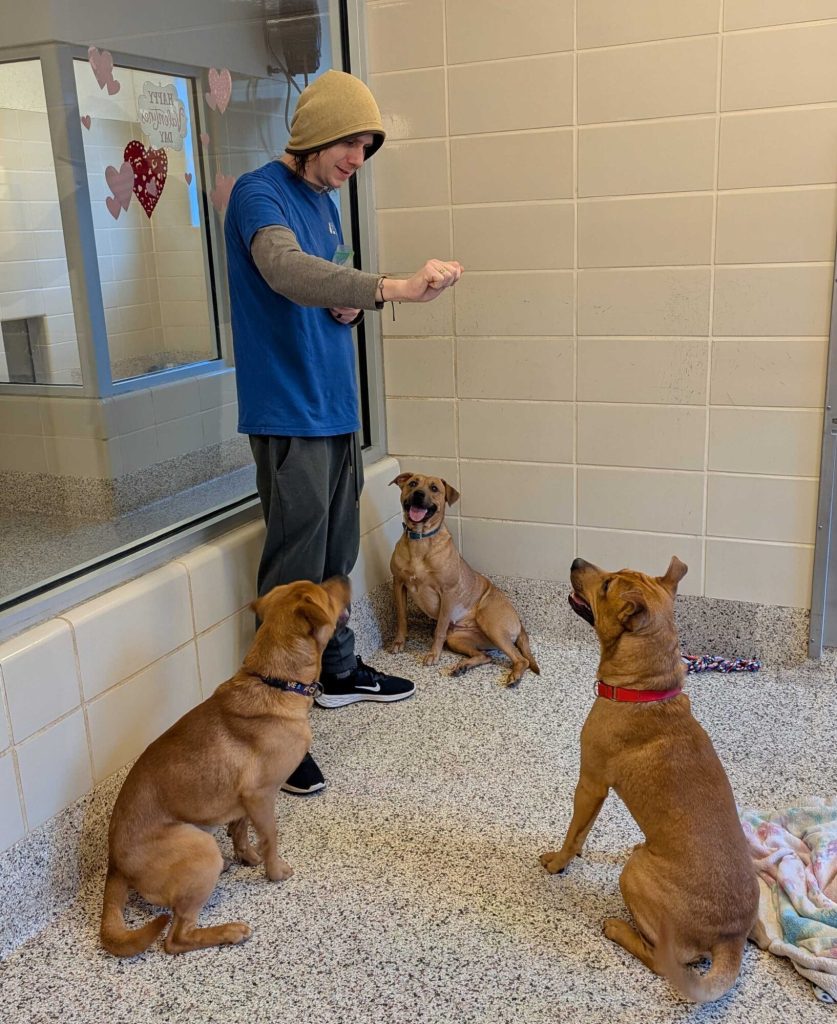
By embracing these strategic approaches, animal shelters can pave the way for improved adoption rates while fostering a healthier environment for the animals. Ultimately, through collective effort and innovative methods, communities throughout Nigeria can ensure that more pets find their forever homes, creating a ripple effect of love and joy that benefits both animals and families.
Enhancing Adoption Through Behavioral Understanding
At the core of successful animal shelter strategies lies a deep understanding of canine and feline behavior. By comprehending the unique needs and emotional states of these animals, shelters can craft targeted initiatives aimed at increasing adoption rates. Drawing from psychological principles, shelters can create an environment that not only supports the well-being of the animals but also connects them with potential adopters more effectively.
One of the essential aspects is the implementation of socialization programs. Socializing animals with various people, environments, and other animals can play a crucial role in their behavior. For instance, volunteers could facilitate meet-and-greet sessions where dogs interact with different types of people and go through activities like leash walking or simple commands. Research indicates that dogs that are well-socialized tend to exhibit more desirable behaviors, making them more appealing to potential owners. Shelters could consider organizing structured programs that include:
- Volunteer Walks: Allowing volunteers to regularly walk dogs, exposing them to diverse environments and social interactions.
- Puppy Classes: Hosting training classes that not only teach commands but also help build a solid foundation for later successful placements.
- Pet Playdates: Arranging play sessions where dogs can mingle and interact, showcasing their sociable nature and energy levels.
Moreover, understanding an animal’s behavioral triggers can significantly affect how they present themselves to visitors. For example, if a cat is shy or fearful, it may be less likely to seek contact or play with visitors. Shelters can utilize environmental adjustments—like creating quiet areas with cozy spaces for cats to retreat—allowing them to feel secure while still being viewable by potential adopters. Utilizing behavioral observation techniques can lead shelters to design spaces and programs that cater to both extroverted and introverted animals alike.
Leveraging the Power of Storytelling
The influence of storytelling should not be overlooked. Each animal has a story worth telling, and sharing these narratives through various media can foster a deeper connection with potential adopters. Shelters can create profiles for each pet that highlight their personality, past experiences, and unique traits. This information can be disseminated via:
- Social Media Campaigns: Utilizing platforms like Facebook and Instagram to reach a broader audience.
- Adoption Display Boards: Having vivid, attention-grabbing boards in the shelter presenting each animal’s journey.
- Video Features: Producing short clips showcasing an animal’s playful side or heartfelt moments can create an emotional connection.
Through these behavioral strategies, shelters not only enhance their ability to adopt out animals but also create lasting relationships between pets and owners. When community members understand and appreciate the animals’ stories, the likelihood of adoption increases dramatically. As Nigerian shelters adopt these innovative approaches, the path to finding loving homes for abandoned animals can become much clearer, ultimately benefiting both the animals and the families eager to welcome them.
| Category | Details |
|---|---|
| Engagement Strategies | Utilizing social media campaigns to showcase adoptable pets can greatly enhance visibility. |
| In-Person Interaction | Host events that allow potential adopters to interact with animals, fostering emotional connections. |
| Ease of Adoption | Creating a streamlined adoption process reduces barriers, encouraging impulsive yet committed decisions. |
| Fostering Programs | Offering temporary foster care can spotlight animals in need of homes while showcasing their personalities. |
By tapping into these behavioral strategies, shelters can effectively create an environment that promotes adoption. Each approach not only makes the adoption process more engaging but also establishes a deeper emotional bond between the community and the animals. Fostering these connections is integral to enhancing the likelihood of animals finding their forever homes, ultimately resulting in an increase in overall adoption rates.
Creating Positive Adoption Experiences
Another pivotal aspect in enhancing animal adoption rates is ensuring that the adoption process itself is a positive experience for both the animal and the potential adopter. This can be achieved through a series of behavioral strategies that emphasize comfort and trust-building. Having a well-organized environment where prospective owners can interact with animals in a stress-free manner can significantly influence their decision-making process.
To begin, shelters can implement meet-and-greet sessions where potential adopters are encouraged to spend quality time with animals in calm settings. Such environments allow adopters to assess behavior and energy levels firsthand, leading to a more informed decision. Providing a space that mimics a home atmosphere can also help in observing how animals react to everyday scenarios, making the connection between pet and owner more apparent.
Guided Interactions
Additionally, shelters can train staff and volunteers to offer guided interactions during these sessions. Educating them about canine and feline behavior enables them to facilitate positive encounters. For example:
- Body Language Training: Staff can show adopters how to read an animal’s body language, so they feel more comfortable when interacting with them.
- Introduction Techniques: Training on safe and gradual introductions between potential pets and their future families can foster instant rapport.
Such initiatives can help dispel common misconceptions about shelter animals and address concerns related to health or behavioral issues. Furthermore, providing educational literature on animals’ specific needs and characteristics empowers adopters to make choices based on informed knowledge rather than impulse or fear.
Post-Adoption Support
Moreover, offering post-adoption support services can be a game changer in reinforcing adoption rates. Many adopters experience uncertainty regarding their new pet’s behavior once they’re home. Shelters can collaborate with animal behavior specialists to provide resources, such as access to training sessions, behavior hotlines, or follow-up check-ins. This approach reassures adopters that they are not alone in their journey, encouraging them to keep the animal if challenges arise.
With Nigeria’s urban settings rapidly evolving, a deeper understanding of animal behavior could further cultivate a culture of adoption instead of purchasing pets. By organizing community events—such as adoption fairs and fun family walks—shelters can engage the public, showcasing both the animals’ personalities and the rewarding experience of adopting a shelter pet.
Highlighting Success Stories
Moreover, it is essential for shelters to highlight success stories. Sharing testimonials from happy adopters can create positive buzz around the notion of adopting from a shelter. Frequent updates featuring recently adopted animals on social media platforms can motivate others to consider adoption, amplifying the reach of these heartfelt narratives.
As behavioral strategies are deployed widely across shelters in Nigeria, fostering a supportive, educational atmosphere will ultimately reshape perceptions of shelter animals. Through dedicated initiatives that emphasize behavioral understanding and community engagement, shelters can create lasting, meaningful connections between animals and their future families, leading to a brighter tomorrow for countless abandoned pets.
Conclusion
In summary, behavioral strategies are essential in transforming the landscape of animal adoption in shelters across Nigeria. The emphasis on creating positive adoption experiences, fostering guided interactions, and offering robust post-adoption support not only enhances the likelihood of adoption but also promotes the well-being of both animals and their new families. By equipping staff and volunteers with knowledge about animal behavior, shelters can cultivate a nurturing environment where potential adopters feel empowered to make informed choices.
Furthermore, ongoing community engagement through events that spotlight the joy of adopting shelter pets will help shift societal perceptions, motivating individuals to choose adoption over purchasing pets. Highlighting success stories of previously adopted animals serves as a powerful reminder of the joys that companionship and loyalty can bring, encouraging others to embark on similar journeys.
As Nigeria’s urban settings continue to evolve, a dedicated focus on the behavioral needs of animals can lead to a richer understanding of responsible pet ownership. By prioritizing the physical and emotional wellbeing of shelter animals, and utilizing effective communication strategies, communities can rally together to create comprehensive solutions for high adoption rates. Ultimately, the aim is a harmonious relationship between adopted pets and their families, paving the way for a future where every animal finds a loving home.