Caring for Senior Animals: How to Provide Quality of Life in Old Age
Understanding the Unique Needs of Aging Pets
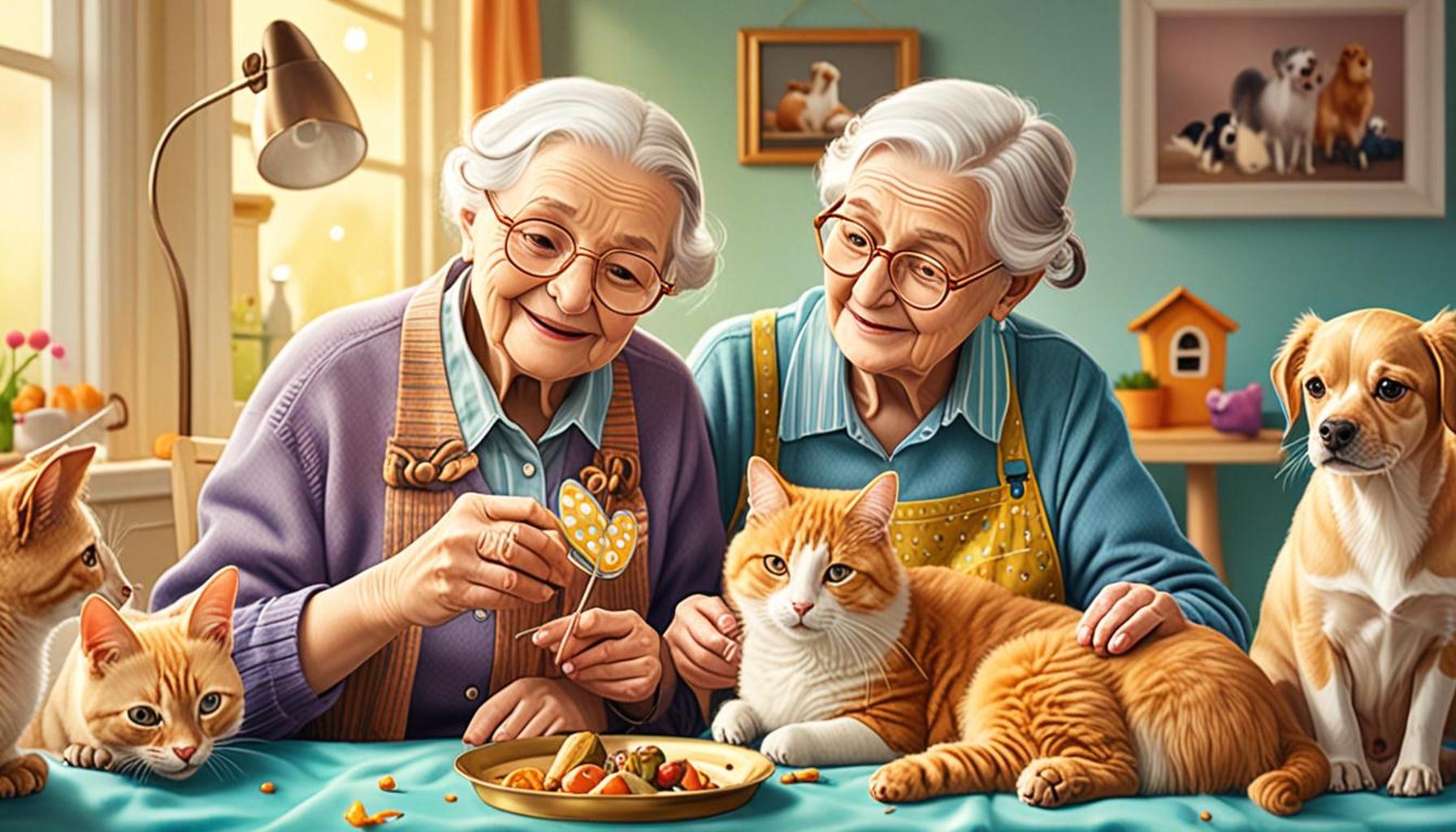
As our beloved furry friends age, the dynamics of their health and care change significantly. Pet owners in Nigeria, in particular, are becoming increasingly aware of the responsibilities that come with nurturing senior animals. These animals, often referred to as “senior” or “geriatric,” are typically seven years and older for dogs and cats. During this time, they face a variety of challenges that necessitate specialized attention and care to support their well-being and enhance their quality of life.
Key Considerations for Senior Pets
- Nutritional Needs: A senior pet’s metabolism slows down significantly, which means they often require a balanced diet that is lower in calories yet rich in essential nutrients. Look for specialized senior pet foods that are high in fiber, which helps with digestion, and lower in fat to prevent obesity. Ingredients such as omega-3 fatty acids can promote joint health, while antioxidants can support cognitive function. In Nigeria, brands like NINJA and Pedigree offer formulations specifically designed for aging pets.
- Regular Veterinary Check-ups: Scheduling regular veterinary visits is vital for early detection of health issues that are common in older pets, such as arthritis, diabetes, and kidney disease. Bi-annual check-ups are typically recommended, where the vet can perform blood tests and other diagnostics to monitor your pet’s health. Being proactive can lead to early intervention and more effective treatment outcomes.
- Comfortable Living Environment: Creating a home that is conducive to a senior pet’s needs is essential. This might involve providing soft, easily accessible bedding away from drafts, ensuring that food and water bowls are at a height that is easy for them to reach, and minimizing any obstacles that could lead to falls. Simple adjustments can make a world of difference in providing comfort to your elderly pet.
As pets age, they may also experience physical limitations such as reduced mobility and cognitive changes, including confusion or anxiety. Thus, attentive care goes beyond their basic needs; it is crucial to enrich their lives and bring them joy during their twilight years. Gentle exercises like short walks or interactive playtime can help keep them physically healthy and mentally stimulated. Furthermore, introducing new toys or engaging in activities that stimulate their senses can enhance their overall well-being.
The Impact of Quality Care
Pursuing the responsibilities involved in caring for senior animals can lead to stronger bonds and a profound sense of fulfillment for pet owners. The act of nurturing these pets instills a sense of purpose while improving the pets’ quality of life through comfort and companionship. Additionally, fostering an environment filled with love and understanding can create precious memories that will be cherished for years to come.
With the growing awareness of animal welfare in Nigeria, it’s imperative that we share knowledge on the specific needs of our aging companions. By adopting best practices and paying attention to their needs, pet owners can ensure that their senior animals live their final years with dignity, love, and joy. Indeed, caring for an older pet is a rewarding journey that not only enhances their lives but also enriches our own experiences as caregivers.
Creating an Age-Appropriate Care Routine
As our loyal companions transition into their golden years, it is crucial for pet owners to develop an age-appropriate care routine. This process involves implementing tailored strategies that address the specific health challenges faced by senior animals. Recognizing the signs of aging and understanding how to adapt care accordingly can significantly improve a senior pet’s quality of life.

Identifying Common Health Issues in Senior Pets
Understanding the common health challenges that senior animals face is vital in creating an effective care plan. Conditions such as arthritis, dental disease, and cognitive dysfunction are prevalent among older pets. Observing your pet’s behavior and noting any changes can be the key to early detection. Here are some of the common issues you should be aware of:
- Arthritis: Joint pain and stiffness can severely limit mobility in senior pets, leading to reluctance to move or play. This can create a cycle of inactivity, exacerbating their condition.
- Dental Disease: Oral health is often neglected in aging pets, resulting in periodontal disease, which can lead to pain, tooth loss, and systemic health issues if bacteria enter the bloodstream.
- Cognitive Dysfunction: Similar to dementia in humans, this can manifest as confusion, disorientation, or altered sleep patterns. Symptoms can significantly affect a senior pet’s behavior and overall well-being.
Being mindful of these health issues enables pet owners to respond swiftly, seeking veterinary care when necessary. Regular check-ups can improve your pet’s quality of life by allowing for early intervention in managing these conditions.
Tailoring Daily Routines
Creating a structured yet flexible daily routine can especially benefit senior pets, as it provides them with a sense of security and familiarity in their environment. This may include:
- Consistent Feeding Schedule: Establish a reliable feeding routine that includes high-quality, senior-specific food. This not only aids in digestion but also helps regulate energy levels.
- Regular Exercise: While seniors may not require intensive activities, gentle walks or low-impact play sessions can help maintain their physical health and prevent obesity.
- Engagement Activities: Incorporating mental stimulation through interactive games or puzzle toys tailored to their capabilities can greatly enhance their cognitive function and well-being.
Moreover, keeping a close eye on your pet’s behavior during activities will provide insight into how they are coping with their aging body. Adjusting their routine based on their capabilities ensures they remain engaged without overexertion.
Amidst these adaptations, it is essential to approach the care of senior animals with patience and compassion. Understanding that aging can bring about physical and emotional challenges will enable pet owners to craft a nurturing environment that meets their senior companions’ evolving needs.
Emotional Well-being Matters
Aging pets may experience shifts in emotional well-being, often requiring additional comfort and companionship. Simply being present and providing companionship can significantly reduce anxiety and improve their mood. From gentle petting to quiet time spent together, these small gestures can speak volumes in terms of support. Moreover, creating a calm, predictable atmosphere where seniors feel safe can contribute positively to their mental health. In Nigeria, where family and community connections are prominent, fostering a loving and stable environment greatly benefits both pets and owners alike.
As your beloved pet grows older, understanding their unique needs is essential for ensuring they live their twilight years comfortably. Senior animals often face various physical and emotional challenges, which can impact their quality of life significantly. In this second part, we will explore some strategies and considerations to enhance the well-being of senior animals.
Adjusting Diet for Senior Pets
One of the first changes you might consider is their diet. Older animals often require different nutritional profiles to maintain health. Look for premium senior formulas that address weight management, joint health, and digestive support. Ingredients such as omega-3 fatty acids can help reduce inflammation and promote healthy skin and coat.
Veterinary Care and Regular Check-ups
Routine veterinary visits become increasingly vital as pets age. Regular check-ups can identify health problems early, allowing for timely interventions. Screenings for conditions like arthritis, dental disease, or cognitive dysfunction help ensure your pet remains in good health. Discuss age-appropriate vaccinations and screenings with your veterinarian to tailor a suitable healthcare plan.
Comfortable Living Environment
Creating a cozy and safe space for a senior pet can significantly enhance their comfort. Durable, yet soft bedding that supports their joints is crucial. Also, ensure they have easy access to their favorite areas, and consider ramps or supportive mats if climbing steps is challenging. A stress-free environment with minimal noise and disturbances fosters a sense of security and calm.
Engagement and Mental Stimulation
Mental enrichment is just as important as physical exercise in enhancing your pet’s quality of life. Engage them with puzzle toys, gentle training sessions, or simple games to keep their minds active. Sometimes, all it takes is a longer leisurely walk or spending time in a relaxing outdoor environment for them to thrive. Maintaining their social interaction with both humans and fellow pets can also improve their emotional well-being.
Incorporating these elements into your senior pet’s life can help them enjoy their golden years. The goal is to promote health, comfort, and joy, ensuring they continue to be cherished members of your family throughout their later stages. Remember, your attention and love are just as crucial in this journey.
| Category | Benefits |
|---|---|
| Nutrition | Provides essential nutrients for maintaining health. |
| Veterinary Care | Early detection of health issues for timely treatment. |
| Comfortable Environment | Enhances relaxation and reduces stress for senior animals. |
| Engagement | Stimulates mental faculties and fosters social interaction. |
Nourishing Their Bodies and Minds
Nutrition and mental stimulation are integral components in promoting a healthy quality of life for senior animals. Just as with humans, the dietary needs of pets change as they age. A thoughtful diet can help manage health issues, maintain a healthy weight, and provide the necessary energy for daily activities.
The Role of Nutrition in Senior Pet Care
Feeding senior pets a balanced, nutrient-rich diet tailored specifically for their age group is critical. Here are some key considerations regarding nutrition for aging animals:
- High-Quality Ingredients: Choose foods that list meat as the first ingredient and avoid those with excessive fillers. Quality protein supports muscle mass, especially important as older pets can lose muscle tissue over time.
- Control Calories: Obesity can be a significant risk for older pets. It is crucial to monitor their food intake and adjust portions to maintain an ideal body weight, as even slight excess weight can exacerbate conditions like arthritis.
- Increased Fiber: Senior pets can benefit from diets high in fiber, which aids in digestion and regulates blood sugar levels. Consider adding a small amount of plain pumpkin or green beans to their meals for a fiber boost.
- Hydration: As pets age, they may become less aware of their thirst. Ensuring fresh water is readily available, along with hydrating wet food, can assist with their hydration needs.
Mental Stimulation for Aging Minds
Just as physical activity is vital for maintaining an aging pet’s mobility, mental engagement is essential in supporting cognitive function. Mental stimulation can help combat cognitive dysfunction and keep their minds sharp. Here are several ways to enrich your senior pet’s life mentally:
- Interactive Toys: Invest in puzzle toys that encourage problem-solving and stimulate your pet’s brain with rewards. These toys can keep your pet entertained and engaged, discouraging behavioral issues linked to boredom.
- Training Sessions: Short training exercises can reinforce existing skills and teach new ones, providing both physical and cognitive benefits. The bonding time spent together while training can further enhance emotional well-being.
- Socialization Opportunities: Facilitate interactions with other pets and people, as socialization remains important as pets age. This could include community events or playdates with familiar friends, which can help prevent feelings of isolation or anxiety.
Providing mental stimulation is particularly relevant in Nigeria’s vibrant pet culture, where many pet owners can find local training classes or social groups for their pets. Engaging in community activities not only supports each pet’s mental health but also strengthens their bond with their human companions.
Recognizing the impact of nutrition and mental engagement on your senior pet’s life can lead to a deeper understanding of their unique needs. By prioritizing these aspects collectively with appropriate medical care, pet owners can create a holistic care plan that significantly contributes to an enhanced quality of life during their beloved pets’ later years.
Comfort Is Key
As pets grow older, comfort becomes paramount. Various adjustments can be made within the home environment to ensure that our furry friends can live their best lives. Simple improvements such as providing supportive bedding, avoiding slippery floors, and creating safe, accessible spaces can make a world of difference in your pet’s daily life. Providing warmth, especially during colder months, through cozy blankets or pet-friendly heating pads can aid in alleviating discomfort associated with aging joints.
Pet owners in Nigeria often share the sentiment that a comfortable environment can greatly increase the happiness and well-being of their aging pets. Consider the use of traditional, woven mats or cushions that offer both warmth and comfort, combining cultural elements with the modern needs of senior pets.
Conclusion: Enhancing the Golden Years of Our Furry Companions
In summary, caring for senior animals requires a multifaceted approach that prioritizes nutrition, mental stimulation, and comfort to ensure a high quality of life during their later years. As pets age, their needs evolve, making it essential for pet owners in Nigeria to adapt their care strategies accordingly. A nutritious diet tailored to the specific requirements of senior pets can drastically improve their overall health and well-being, helping to manage issues such as obesity and digestive problems. Additionally, mental engagement through interactive activities and socialization plays a crucial role in preventing cognitive decline, promoting happiness and vitality even in older age.
Furthermore, creating a comfortable living environment helps your pet navigate their golden years with ease. Simple changes like supportive bedding, safe spaces, and warm surroundings can make a significant difference in your pet’s daily experience. The importance of understanding your pet’s unique needs cannot be overstated, as it cultivates a closer bond and enhances their quality of life.
Ultimately, investing time and effort into the well-being of senior animals reflects a true commitment to their happiness and health. For pet owners in Nigeria, sharing knowledge and participating in the pet community can foster a supportive environment that benefits not just individual pets but the entire culture of pet care. By providing loving care and attention, we can ensure that our beloved companions enjoy their later years to the fullest, reminding us all that age is just a number when it comes to joy and companionship.