Craft and Mental Health: How Creating Can Be a Form of Therapy in Nigeria
The Therapeutic Benefits of Crafting in Nigeria
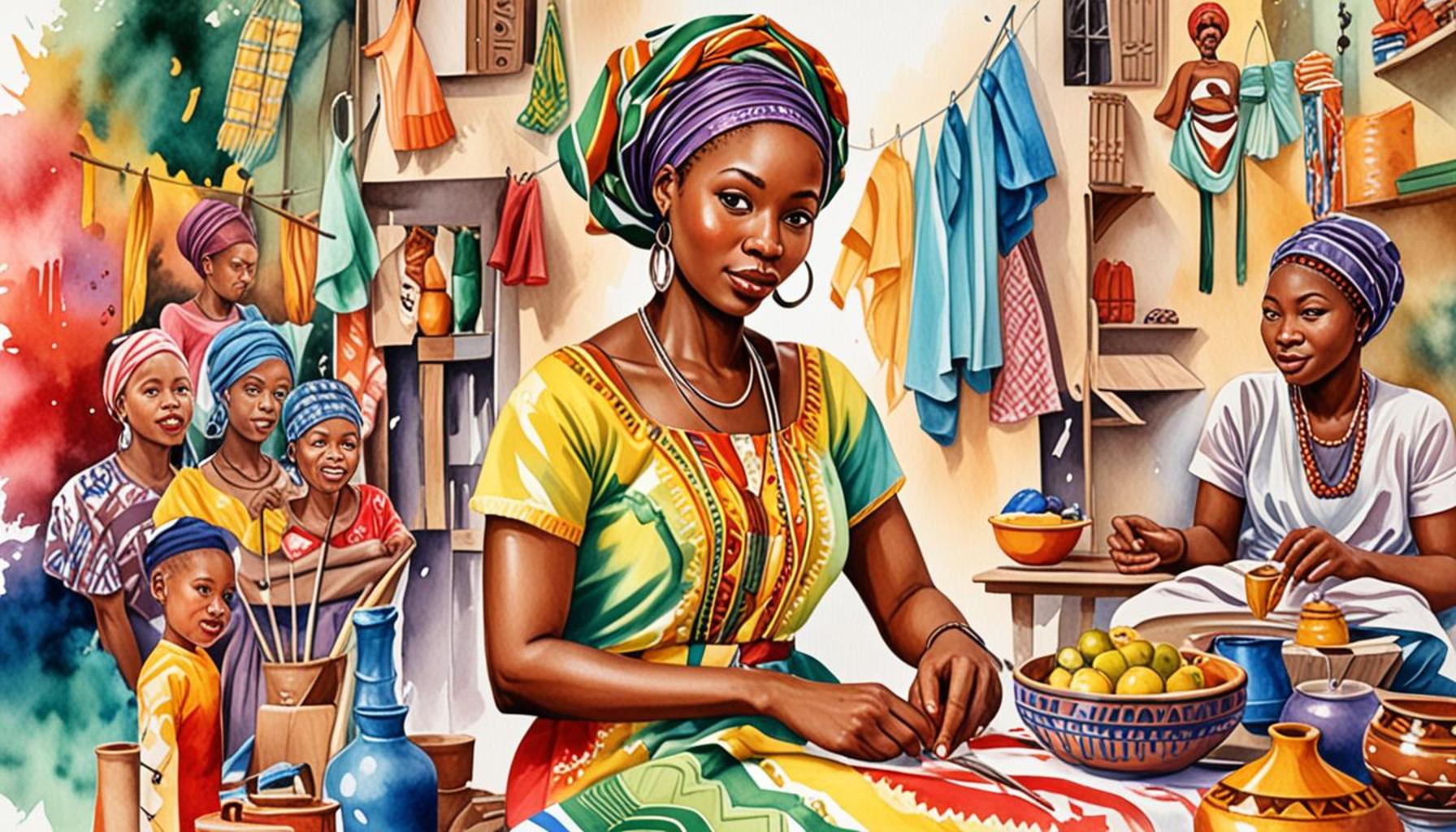
In a society grappling with increasing mental health challenges, individuals are increasingly seeking effective methods to foster emotional well-being. In Nigeria, the art of crafting has taken center stage as a notable resource for both emotional healing and personal expression. Whether it’s weaving vibrant baskets characteristic of the Yoruba community or painting colorful murals influenced by the rich tradition of the Ndebele, the crafting process has cemented its role as a therapeutic outlet for many.
Exploring why crafting is beneficial for mental health reveals numerous advantages:
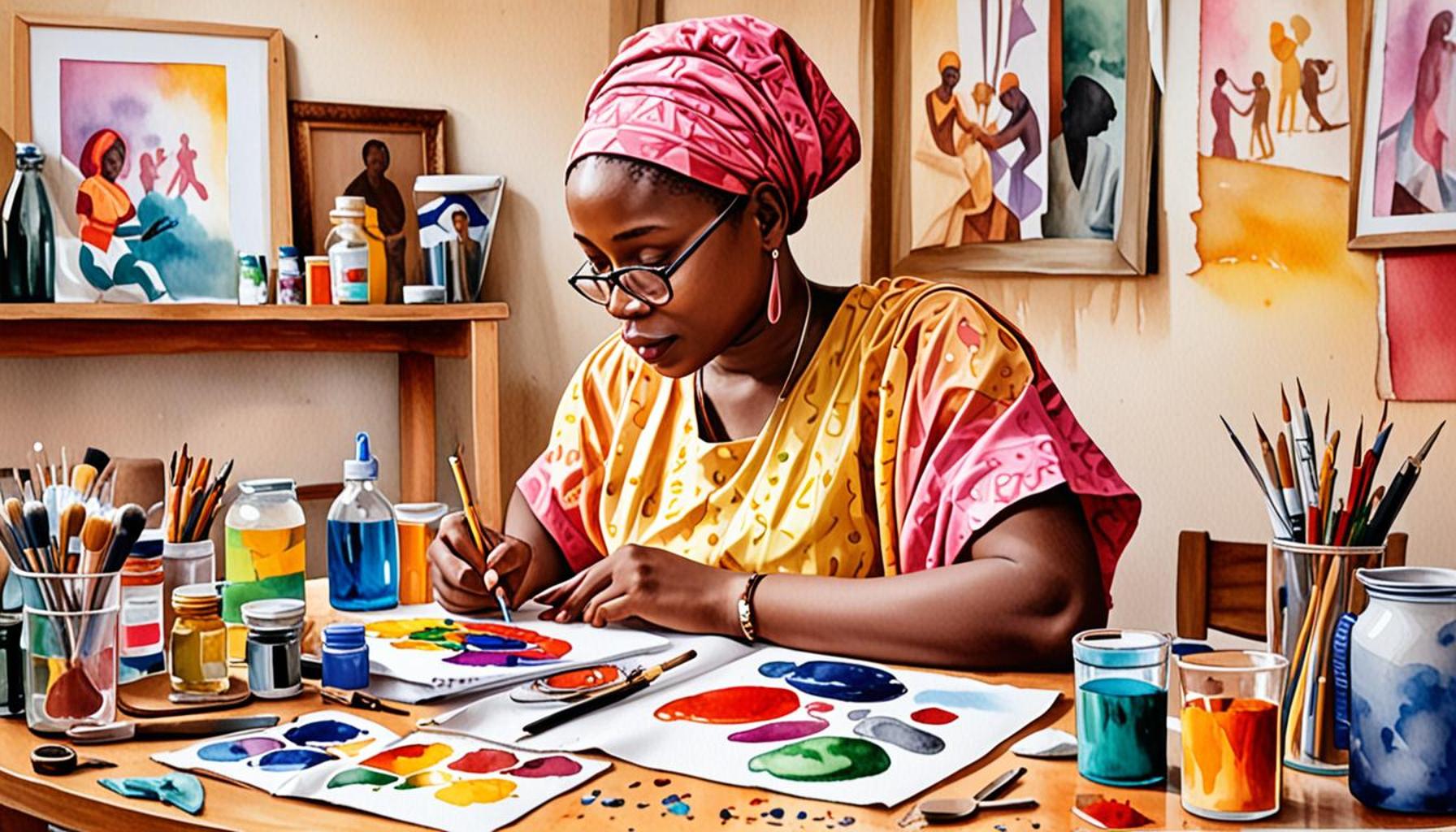
- Stress Relief: The rhythmic motions involved in crafting can act as a form of meditation, allowing the mind to focus on the task at hand and ease anxiety. Many Nigerians, including working mothers and artisans, find solace in these hands-on activities, turning to them when life’s demands grow overwhelming.
- Sense of Accomplishment: Completing a craft project, whether it is a beautifully embroidered cloth or a hand-carved wooden figurine, instills a sense of achievement. This can be especially valuable in communities where economic challenges prevail, as it fosters confidence and a belief in one’s abilities.
- Community Connections: Crafting often cultivates social interaction as people gather for workshops or craft fairs. These events not only promote the exchange of ideas but also create valuable support networks. For example, the thriving beadwork community in places like Lagos exemplifies how crafting events can facilitate friendships and reinforce communal bonds.
Moreover, traditional crafts reflect a profound cultural significance in Nigeria. Engaging in these activities provides individuals with a deeper connection to their heritage and traditions. For instance, the colorful patterns of Adire fabric not only represent artistic expression but also serve as a reminder of the rich history and stories of the Yoruba people.
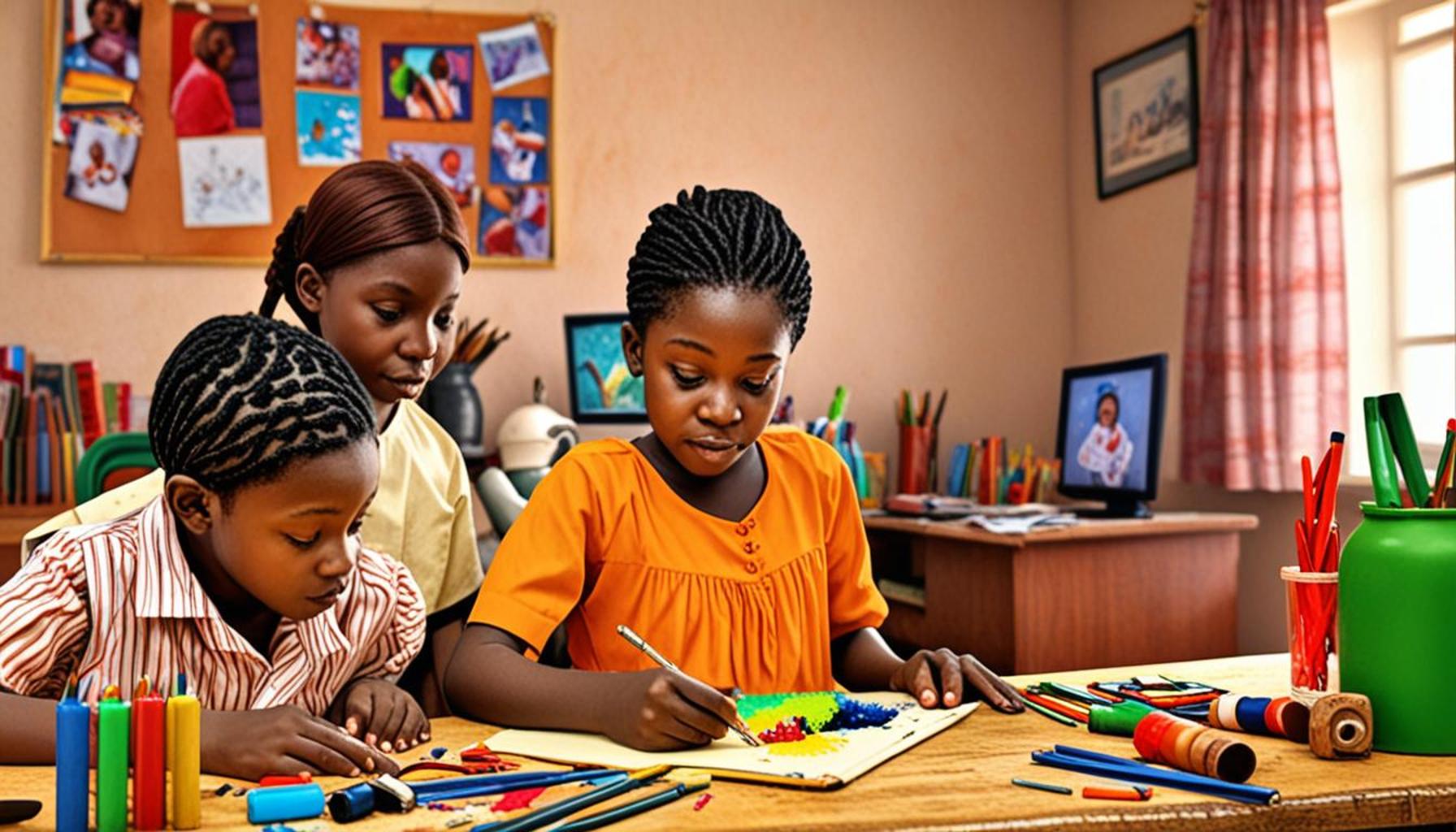
An exploration of the intricate relationship between crafting and mental health in Nigeria reveals countless personal stories of transformation. Many individuals have shared how embracing creativity has provided an avenue for healing and self-discovery. From school children painting murals promoting peace in their neighborhoods to elderly artisans reviving ancient techniques, the impact of crafting is profound and far-reaching.
Through this journey into the world of crafting, we uncover its potential as a powerful healing tool that transcends mere pastime. It serves as a bridge connecting individuals to their culture, each other, and ultimately, their own sense of self. Join us as we delve deeper into the myriad ways in which crafting can serve as a pathway to healing in Nigeria.
SEE ALSO: Click here to read another article
Crafting as a Method of Emotional Healing
Crafting is not merely an artistic endeavor; it has emerged as a crucial mechanism for emotional healing and mental wellness in Nigeria. Many individuals leverage their creative talents to escape the pressures of daily life, using crafting as a tangible way to address their mental health needs. Studies have shown that creative activities can lead to significant reductions in stress and anxiety levels, particularly in environments where such pressures can be overwhelming.
One of the most compelling aspects of crafting is its accessibility. In many Nigerian communities, local materials like clay, fabric, and wood are readily available, allowing residents to engage in traditional crafts without the necessity of expensive supplies. This accessibility means that anyone, regardless of socio-economic status, can participate in crafting activities. For instance, young artisans in rural areas often share their skills of pottery making or weaving, offering therapeutic relief not just to themselves but also to those around them.
The Psychological Impact of Crafting
Engaging in craftwork has profound psychological effects that can aid in mental health recovery. Some notable benefits include:
- Enhanced Focus: The process of creating requires concentration, fostering mindfulness. This can help in diverting attention from troubling thoughts or stressful situations, allowing the mind to reset.
- Creative Expression: Arts and crafts provide an invaluable outlet for expressing complex emotions, which may be difficult to articulate verbally. Many Nigerians who have faced trauma find that through crafting, they can express feelings of loss, hope, and resilience.
- Personal Narratives: Each piece crafted carries a story, a deep reflection of the individual’s experiences and heritage. By crafting, many find the opportunity to narrate their own life stories, thereby validating their feelings and experiences.
This practice of craftwork extends beyond individual healing and fosters community solidarity. In urban centers like Abuja and Lagos, collaborative projects such as mural painting gatherings allow diverse individuals to come together and share their stories through art. Such experiences not only create a sense of belonging but also diminish feelings of isolation, which are common in mental health struggles.
Moreover, traditional crafts serve as a medium for preserving cultural heritage. By engaging in these art forms, individuals connect with their ancestry, which can be especially grounding in today’s fast-paced world. For example, the intricate beadwork of the Benin Kingdom or the hand-woven mats from the Fulani community symbolize deep-rooted traditions that resonate with many artisans, reinforcing a sense of identity and belonging while simultaneously serving as a form of emotional therapy.
The intertwining of crafting and mental health in Nigeria reveals a dynamic landscape of healing, culture, and community. With the growing recognition of mental health awareness, these artisanal practices are not only seen as hobbies, but as vital components in promoting emotional well-being and an enriched life. The stories that emerge from the crafting community continue to inspire as more individuals turn to the transformative power of creativity for their mental health.
Exploring the Therapeutic Benefits of Creativity in Nigeria
The world of crafting offers a profound escape from the everyday stresses that weigh heavily on individuals’ mental health, especially in Nigeria, where traditional therapeutic resources can be limited. Engaging in creative activities such as painting, knitting, or pottery has been recognized for its significant mental health benefits. Crafting not only fosters a sense of accomplishment but also allows individuals to express their emotions and experiences in a constructive manner.
For many, the act of creating can serve as a form of self-reflection; the process can illuminate personal struggles while simultaneously providing a release. Studies have shown that individuals participating in crafts report lower levels of anxiety and depression. This form of therapy encourages mindfulness, helping individuals live in the moment and embrace their creative flow.
In Nigeria, crafting can also play a vital role in preserving cultural heritage. Traditional crafts that reflect local histories and narratives not only enhance individual well-being but also contribute to community identity. By participating in these crafts, individuals create a tangible connection to their roots, fostering a sense of belonging and pride. The communal aspects of crafting further enhance its therapeutic benefits, as groups come together to share skills and experiences, creating a support network that is invaluable for mental health.
As awareness of mental health issues grows, the integration of crafting in therapy and community programs holds immense potential. Workshops and classes can empower individuals, offering them new skills while simultaneously helping them cope with life’s challenges. By embracing crafts in this manner, Nigeria can pioneer a unique approach to mental health that harnesses creativity for healing and resilience.
| Category | Advantages |
|---|---|
| Emotional Expression | Allows individuals to represent their feelings visually, promoting healing. |
| Community Connection | Engages participants within collaborative environments, enhancing social support. |
As more individuals turn to crafting as a form of therapy, it opens doors to new pathways and insights within the realm of mental health care in Nigeria. Embracing these creative outlets can become a pivotal part of holistic treatment approaches, leading to a brighter future for those struggling with mental health challenges.
SEE ALSO: Click here to read another article
Community Engagement Through Crafting
In Nigeria, the communal nature of crafting goes beyond individual expression and taps into collective healing and resilience. Community workshops, art festivals, and group crafting sessions have gained popularity as vital spaces for connection. These gatherings foster relationships among individuals from diverse backgrounds, allowing them to share not only their crafting skills but also their personal experiences with mental health challenges. This is particularly significant in a culture where discussing mental health can carry stigma. By engaging in these communal crafts, individuals can feel less isolated and supported, which is essential for mental wellness.
For instance, programs like the Creative Arts Therapy Initiative in Lagos emphasize the importance of group workshops in promoting healing through art. Participants are encouraged to create collaboratively, leading to a strong sense of neighborhood bonding and the shared healing experience of expressing emotions through craft. As people work side by side, they discover commonalities in their struggles and triumphs, creating an environment ripe for mutual support and encouragement.
Innovation and Modern Crafting Movements
Beyond traditional crafts, modern movements like upcycling and digital crafting are taking root in Nigeria, marrying sustainability with mental health benefits. Upcycling, a practice of transforming waste materials into functional or artistic pieces, resonates with the younger generations. This movement not only highlights creativity but also promotes environmental awareness. Eager artisans in cities like Enugu and Port Harcourt often organize workshops to educate others on making art from discarded materials, combining therapy with ecological mindfulness.
Furthermore, technology has augmented the crafting experience for many Nigerians. With platforms like Instagram and TikTok gaining traction, artisans showcase their work and inspire viewers to engage in crafting themselves. Live tutorials and virtual crafting communities are emerging, allowing for remote interaction and wider accessibility. Through these online spaces, individuals share their mental health journeys alongside their creations, prompting conversations that transcend geographical boundaries and societal norms.
Empowerment Through Crafting
Certainly, crafting can be a path to empowerment, especially for marginalized groups in Nigeria. Women, in particular, have found a strong voice through crafts. Many initiatives focus on helping women harness their craft skills for economic independence, which simultaneously boosts their mental health. Programs such as Women and Creativity in the North-East support artisans by providing them with training and resources to turn their passion into sustainable business opportunities.
The act of creating not only enhances their emotional state but also solidifies their position within their communities. By taking control of their narratives through crafting, these women articulate their experiences and advocate for mental health awareness in their circles. Such empowerment allows them to share their stories, resisting the silence often associated with mental health issues.
As the relationship between craft and mental health continues to evolve in Nigeria, it becomes evident that creating art is more than just a pastime. It is an integral tool for emotional healing, fostered by community, innovation, and empowerment. Through crafting, individuals do not only confront their mental health challenges, but they also build a collective resistance, weaving threads of hope and resilience into the fabric of society.
CHECK OUT: Click here to explore more
Conclusion
The intersection of craft and mental health in Nigeria highlights a transformative journey where creativity serves as a healing force. As individuals explore their artistic abilities, they unlock pathways to emotional expression and community connection, effectively combating the stigma surrounding mental health discussions. The rise of collective crafting initiatives, whether through community workshops or online platforms, invites a diverse audience to participate in a shared narrative of resilience and support.
Moreover, modern crafting movements, such as upcycling and digital art, are not merely trends but vital expressions of innovation that resonate strongly with Nigeria’s youth. This combination of creativity with environmental consciousness fosters a sense of purpose and collective identity while empowering individuals to transform materials and experiences into something meaningful.
Furthermore, by equipping marginalized groups, particularly women, with the skills and resources to thrive as artisans, crafting transcends its artistic roots, evolving into a vehicle for economic independence and advocacy. This empowerment facilitates a broader dialogue on mental health, enabling individuals to reclaim their narratives and fostering supportive networks.
In conclusion, the power of crafting as a therapeutic outlet in Nigeria cannot be overstated. It is more than a means of artistic expression; it is a lifeline that nurtures emotional well-being, connects communities, and cultivates resilience. As more Nigerians embrace the therapeutic potential of creating, they contribute to a hopeful narrative that champions mental health awareness, igniting a ripple effect of positivity and transformation throughout society. Through this lens, crafting is not just an art form but a vital thread in the fabric of mental health advocacy and healing.