Craftsmanship and Cultural Identity: The Expression of Ethnic Diversity through Handicrafts in Nigeria
Cultural Expressiveness through Craft Traditions
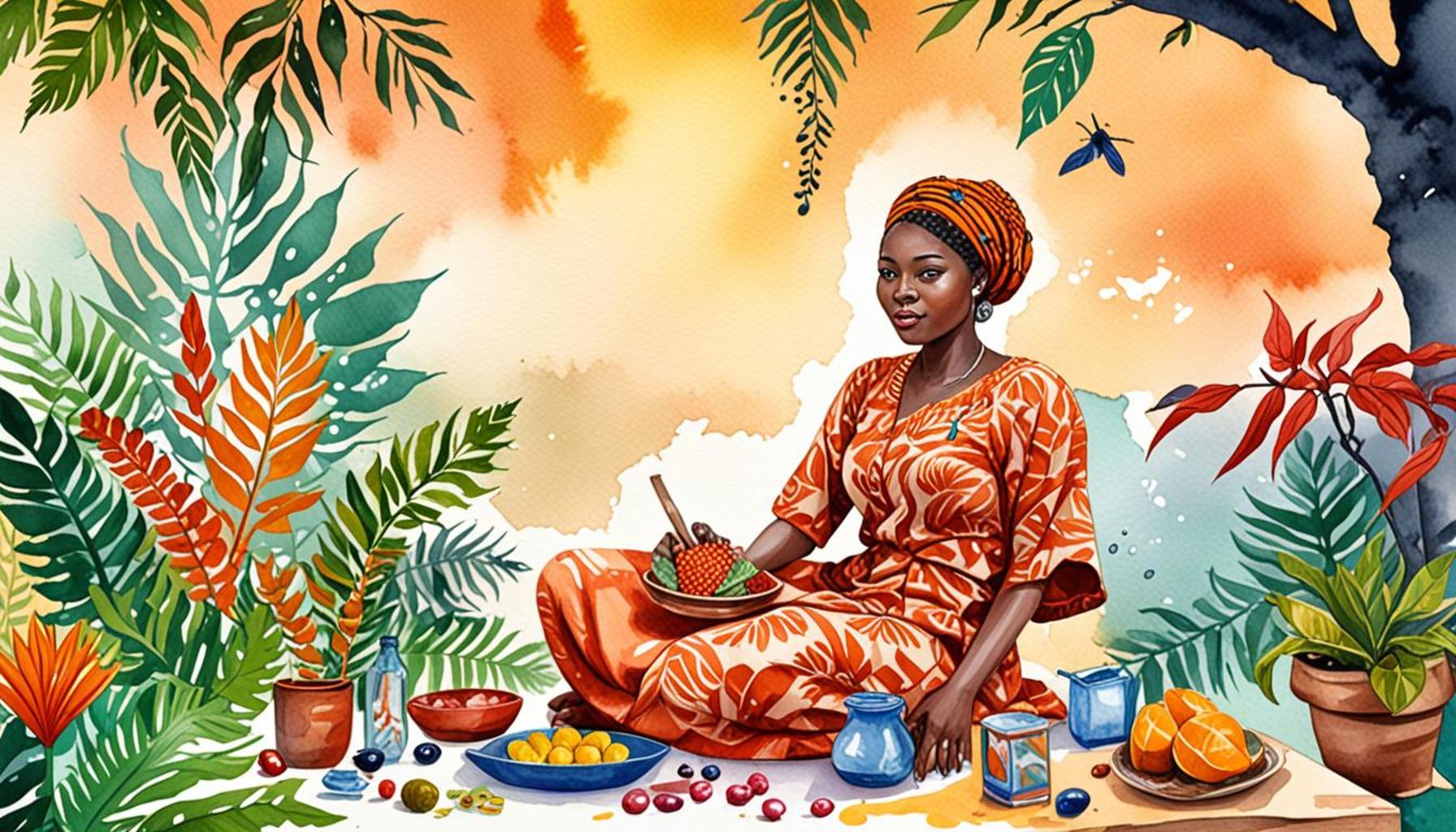
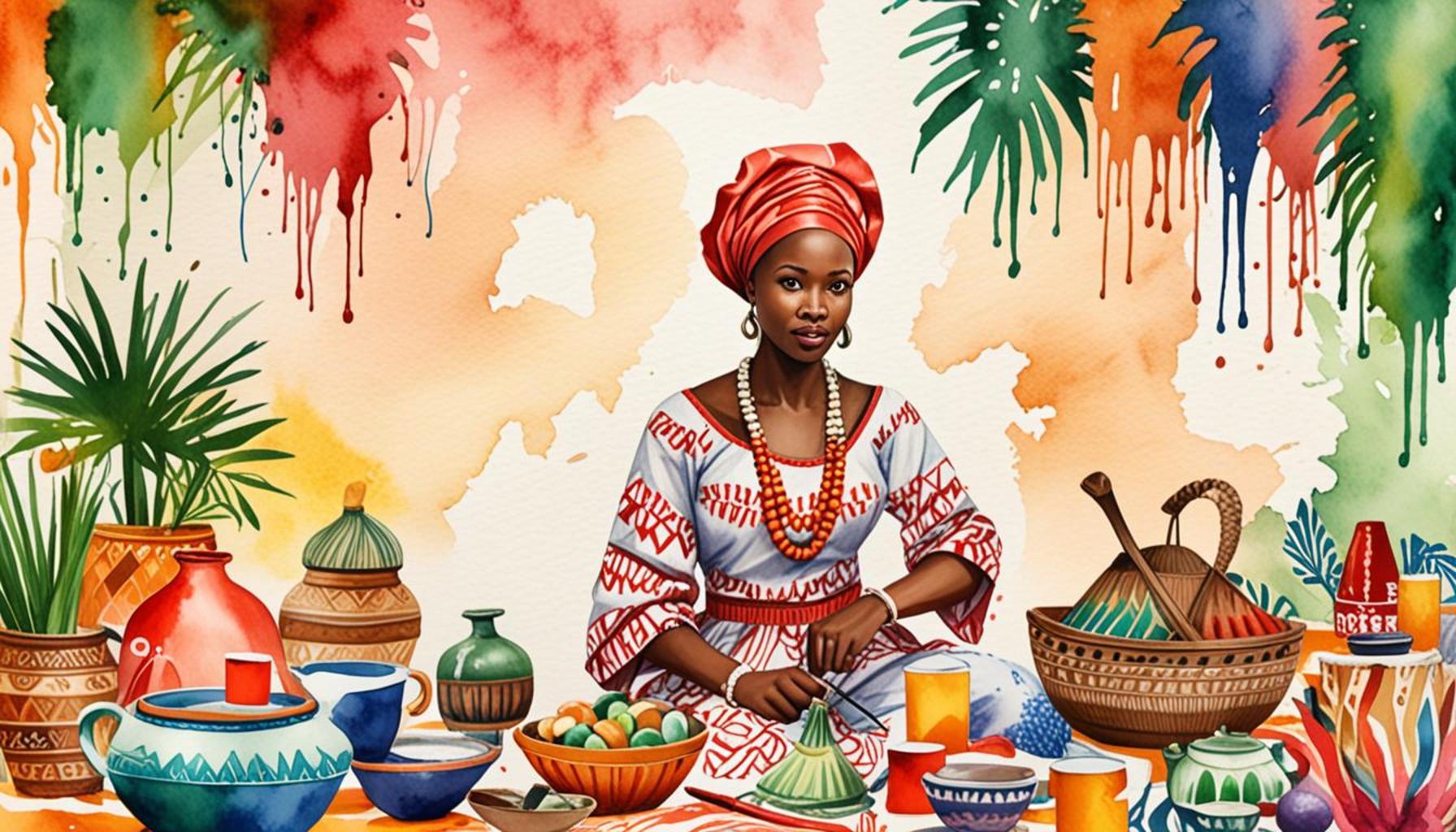
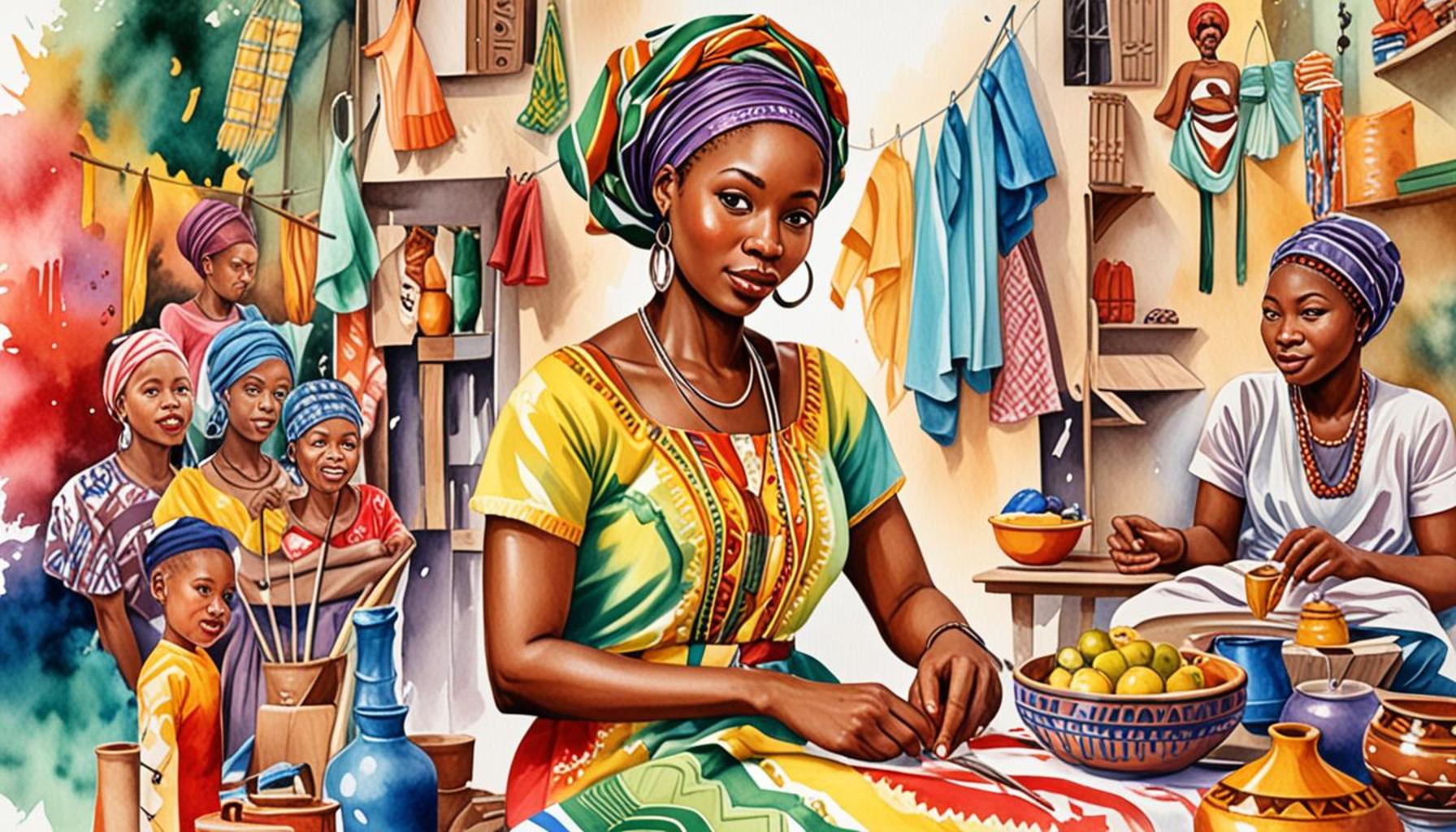
Nigeria is a country rich in ethnic diversity, with over 250 ethnic groups, each embodying unique traditions and histories. This diversity is vividly illustrated in the country’s handicrafts, which serve as vibrant expressions of cultural identity. The artistry of Nigerian craftsmen and craftswomen transcends mere decoration; each piece of handicraft embodies a narrative interwoven with the lifestyles, beliefs, and values of its creators. From intricate beadwork to ornate metalwork, these crafts reflect the essence of what it means to be Nigerian.
The beadwork of the Yoruba people stands out as a significant cultural marker, often associated with spirituality and social status. For instance, colorful beaded necklaces and crowns worn by traditional religious leaders not only denote status but also connect the wearers to ancestral spirits and deities. These intricate designs can take weeks or even months to create, showcasing the deep commitment to the craft and its cultural significance.
- Textiles: The Igbo people are renowned for their colorful fabric designs, such as the traditional Isiagu, a richly embroidered attire often worn at festivals and events. Each pattern effectively narrates stories of the land, displaying motifs that represent proverbs, tales, and Igbo philosophy.
- Wood carving: The Benin Kingdom is famous for its detailed carvings that celebrate lineage and heritage. The iconic Benin Bronzes, which celebrate the history and royalty of the kingdom, serve as a testament to the artisans’ skills and their enduring connection to community narratives.
These handicrafts serve not only as decorative items but also as vital symbols of cultural identity. Each creation is a testament to the craftsmanship that has been meticulously passed down through generations. It mirrors communal values and reflects local resources, bridging the past with the present and ensuring that traditions endure.
Unraveling the Stories Behind the Crafts
As we dive deeper into the various forms of craftsmanship originating from the heart of Nigeria, it becomes impossible to overlook the importance of these art forms in preserving cultural heritage. The artisans often embody the spirits of their forebears, maintaining traditional methods of production while adapting to contemporary influences. For example, many modern artists are now fusing traditional designs with contemporary techniques, making Nigerian art not only relevant but vital on a global platform.
This journey through the vibrant world of Nigerian handicrafts is an exploration of how art serves as a living record of history. From local marketplaces bustling with activity to art galleries showcasing the evolution of craft, Nigeria offers a fascinating tableau of creativity. The intricate works of art created within these communities invite us to appreciate and understand the vital component of the nation’s cultural identity, urging us to explore further the stories that each handcrafted piece imparts.
SEE ALSO: Click here to read another article
The Heart of Craftsmanship: A Journey Through Nigeria’s Ethnic Handicrafts
Nigeria’s handicrafts are more than mere items; they are a lens through which we can view the country’s sweeping cultural identity. Each piece tells a story, reflecting the beliefs, experiences, and emotions of the artisans that create them. The diversity of Nigeria’s ethnic groups means that the craftsmanship varies immensely, with each community cultivating their distinct styles, traditions, and techniques. This diversity not only enriches the artistic landscape of Nigeria but also serves to reinforce the collective spirit and narratives of its various peoples.
Pottery, particularly among the Nupe and the Yoruba, is a prime example of craft embodying cultural significance. The ornate designs that adorn everyday items such as cooking pots and storage jars often tell tales involving local myths or daily life. For instance, the Nupe artisans utilize clay to create vessels decorated with symbols representing fertility and prosperity, reinforcing the importance of agriculture in their culture. The intricate patterns found on these ceramics not only serve practical purposes but also evoke a sense of connection to ancestry and community.
- Beadwork: In addition to their spiritual importance, beadwork among the Yoruba also serves social functions, often indicating lineage or marital status within the community.
- Textiles: The use of traditional dying methods, such as Adire from the Yoruba people, illustrates both an aesthetic appeal and a narrative component, where vibrant colors and patterns communicate local folklore.
- Metalwork: The art of bronze casting practiced by the Edo people of Benin signifies not only skill but the historical significance of trade and royal authority, with artifacts such as plaques recounting the chronicles of Benin’s illustrious past.
These various forms of craftsmanship profoundly highlight the connection between art and identity in Nigeria. By engaging in traditional crafts, artisans invoke their rich histories, invoking techniques that have been refined over generations. It is this passage of knowledge that solidifies a communal sense of belonging, preserving the legacy of past generations while cultivating a dialogue with the present.
Adapting to the Modern World
In the face of modernisation and globalisation, Nigerian craftsmen are finding innovative ways to showcase their work. Many are cleverly blending traditional techniques with contemporary designs, creating unique pieces that appeal to both domestic and international markets. This evolution in artistry highlights not only the resilience of cultural identity but also showcases Nigeria’s ability to adapt while staying true to its roots. As these craftsmen embrace new materials and methods, they continue to tell the stories of their rich heritage, ensuring that their voices resonate across ages.
The rich tapestry of Nigeria’s craft traditions not only serves as a vital root in maintaining cultural identity but also acts as a potent reminder of the nation’s vibrant ethnic diversity. As we explore further, it is clear that Nigerian handicrafts are indispensable to understanding and appreciating the intricate mosaic that constitutes the nation’s cultural heritage.
| Advantages of Handicrafts | Cultural Significance |
|---|---|
| Economic Empowerment | Handicrafts provide a source of income for local artisans, contributing to community development. |
| Cultural Preservation | Craftsmanship reflects the rich cultural heritage of Nigeria’s diverse ethnic groups, preserving unique traditions. |
| Skill Development | Artisans enhance their skills through generations, ensuring high-quality products that attract global appreciation. |
| Community Cohesion | Creating handicrafts fosters teamwork within communities, strengthening social ties among artisans. |
Handicrafts serve as a gateway to understanding the deeply rooted traditions and stories behind each piece. They reflect various cultural expressions and ethnic identities, from the vibrant patterns of Yoruba batik to the intricate designs found in Igbo sculptures. Each craft is not merely a product but a canvas that narrates tales of heritage and familial legacies. Furthermore, workshops and artisan markets not only encourage local craftsmanship but also invite various forms of tourism. Tourists seeking authentic experiences are drawn to the heart of Nigeria’s cultural spirit, where they can engage with artisans and witness the creative processes firsthand. Such interactions enrich both the visitor’s experience and the artisan’s presence on the global stage.As this vibrant art scene continues to evolve, it beckons a new generation to appreciate and sustain the importance of handicrafts in maintaining a living cultural identity amidst contemporary challenges.
LEARN MORE: This related article may interest you
The Role of Handicrafts in Economic Empowerment
Beyond their aesthetic and cultural significance, handicrafts in Nigeria play a pivotal role in economic empowerment within diverse communities. As many artisans rely on their craft as a primary source of livelihood, the impact of traditional crafts on local economies is profound. This economic facet not only sustains individuals and families but also contributes to community development on various levels.
Many craftspeople in rural areas produce goods that cater to both local markets and international consumers, thereby enhancing their visibility. For instance, the vibrant woven baskets made by the Makurdi people of the Benue State are gaining recognition beyond Nigeria’s borders, thanks to the growing demand for sustainable handicraft products. Through online platforms and art fairs, these artisans are now able to reach global audiences, showcasing their skills while preserving their cultural heritage.
Training and Skill Development Initiatives
To further bolster economic opportunities, several NGOs and government initiatives are focusing on training and skill development in traditional crafts. Programs aimed at young artisans support the teaching of age-old techniques such as mat weaving, leatherwork, and textile making while incorporating contemporary business skills. Notable examples include the “SME Craft Fair” held annually in Lagos, where local craftsmen share their artistry, generating income while fostering a sense of pride in Nigeria’s fabric of ethnic diversity.
Furthermore, the establishment of craft cooperatives has also empowered artisans by encouraging collaboration and resource sharing. These community-centered entities enable craftsmen to pool resources, reduce costs, and increase production capacity, enhancing their bargaining power in the marketplace. Such initiatives not only elevate the artisans’ economic status but also promote cultural solidarity, reminding them of their heritage as they weave their practice with modern demands.
Handicrafts as a Medium for Social Change
The relationship between craftsmanship and social issues is particularly noteworthy in Nigeria. Many artisans utilize their crafts to address pressing social matters, such as poverty and gender inequality. For example, female artisans in Northern Nigeria engage in bead-making and textiles, creating beautiful products that challenge traditional gender roles while offering financial independence. By showcasing their work at local exhibitions and markets, these women are not only redefining their status within their communities but also sending potent messages of empowerment and resilience.
Moreover, the narrative woven through handicrafts can offer a voice to marginalized communities, allowing them to express their stories and struggles through art. Local crafts inspired by themes of social justice have become emblematic of a larger movement, as artisans utilize their skills to raise awareness on critical issues. Notable projects, such as those aimed at combating climate change through sustainable materials, further illustrate how handicrafts can serve as instruments for advocacy and change.
- Customary Practices: Events like the “Aso Oke Festival” among the Yoruba promote not only traditional weaving techniques but also cultural pride and economic growth.
- Artisanal Collaborations: Crafting collectives allow for innovation, such as blending traditional beadwork with modern jewelry design to appeal to younger demographics.
- International Collaborations: Partnerships with global brands seeking authentic Nigerian crafts create networks that uplift local economies while enhancing brand narratives.
In exploring the intersection of craftsmanship and economic empowerment in Nigeria, it is evident that these handmade creations foster not only individual growth but also reinforce cultural identity in an ever-evolving socio-economic landscape.
RECOMMENDED: Check out this similar article
Conclusion
In conclusion, the rich tapestry of craftsmanship in Nigeria serves as a crucial avenue for expressing cultural identity and celebrating ethnic diversity. Handicrafts not only encapsulate the myriad traditions and stories of various communities, but they also play a significant role in economic empowerment and social change. Through the vibrant creativity exhibited in crafts such as bead-making, textile production, and pottery, artisans are able to transmit their ancestral legacies while generating livelihoods for themselves and their families.
The integration of skill development initiatives and cooperative frameworks has further amplified the potential of these crafts, fueling innovation and collaboration, while simultaneously preserving age-old traditions. As craftsmen and craftswomen navigate the complexities of local and global markets, their work transcends mere decoration, evolving into powerful vehicles for social advocacy and transformation. With their world-renowned craftsmanship gaining international acclaim, artisans are not just participants in a global economy; they also become ambassadors of Nigerian culture, enriching the global narrative surrounding African art.
Thus, the preservation and promotion of Nigeria’s handicrafts resonate beyond aesthetic appeal. They encapsulate a potent blend of identity, history, and resilience, offering each artisan the chance to not only inform the world of their heritage but to assert their place within it. As Nigeria embraces its diversity through handicrafts, the potential for prosperity and cultural pride continues to grow, reminding us all of the unbreakable link between craftsmanship and the stories that shape our identities.