DIY Projects for Urban Gardens: Cultivating Sustainability in Small Spaces
Embrace Green Living in the City
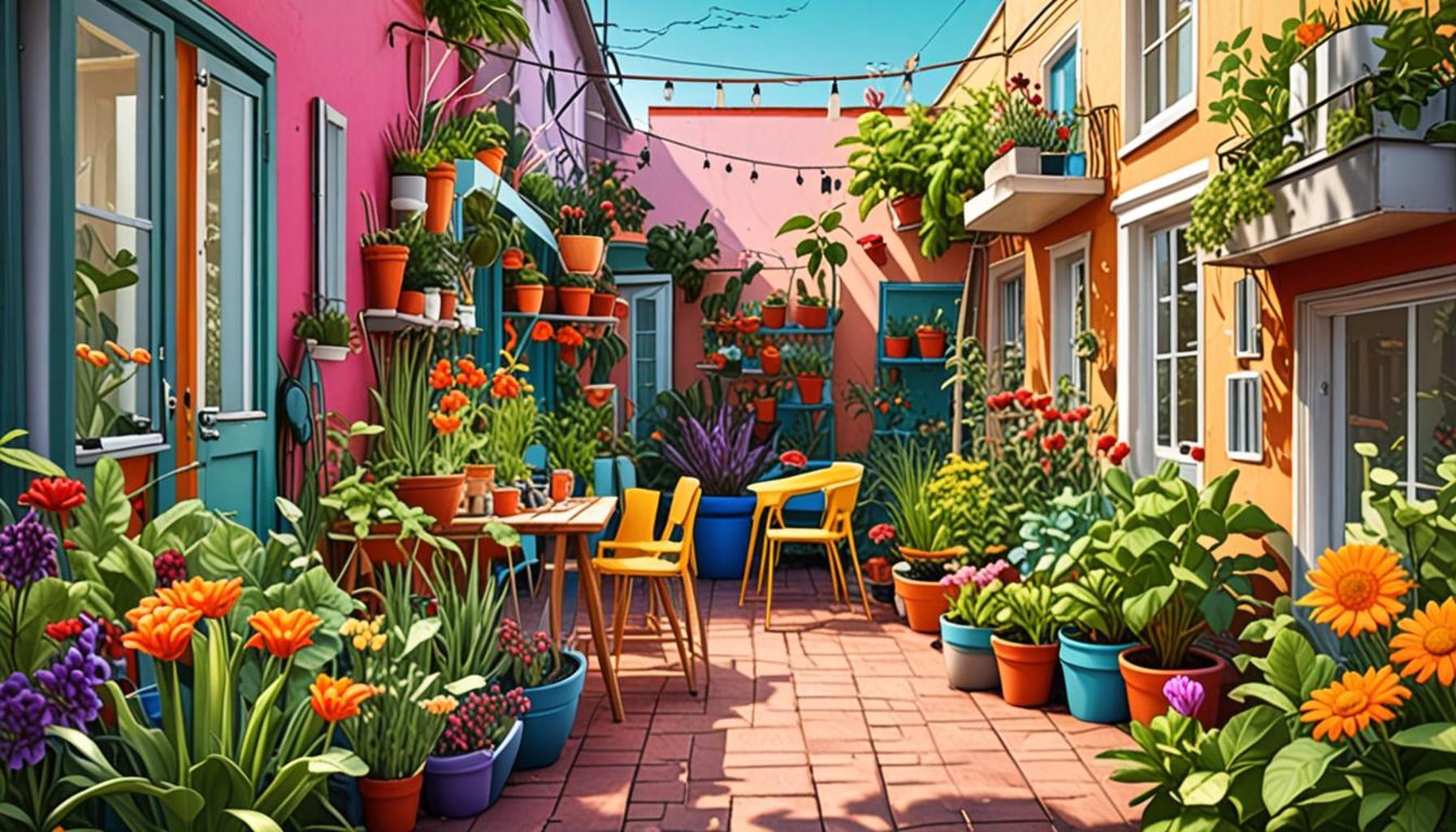
Urban living doesn’t mean sacrificing your love for nature. With a bit of creativity, you can transform small spaces into thriving gardens. Discover how DIY projects can contribute to a more sustainable lifestyle right in the heart of the city.
Why Urban Gardens Matter
Urban gardens offer several benefits that go beyond aesthetic appeal. They are essential for promoting food security, especially in metropolitan areas where access to fresh, organic produce can be limited.
- Food Security: By growing your own fruits and vegetables, you minimize reliance on supermarket produce, which can often be trucked in from far away. Tomatoes, peppers, and leafy greens are particularly easy to grow in small spaces, providing fresh nutrition while reducing carbon footprints associated with transportation.
- Environmental Impact: Urban gardens play a crucial role in improving air quality. Plants absorb carbon dioxide and release oxygen, thus contributing to healthier urban air. Furthermore, they can mitigate the “urban heat island” effect, where concrete and asphalt absorb and retain heat, often leading to increased temperatures in cities. By planting greenery, cities can become more comfortable places to live.
- Community Engagement: Garden spaces can serve as community hubs. Initiatives such as community gardens not only allow residents to grow food together but also foster social connections. In Nigeria, for instance, neighborhoods in Lagos have begun collaborating on communal gardens that offer both a sustainable food source and a platform for sharing skills and stories.
Simple DIY Ideas to Get Started
When it comes to setting up your urban garden, DIY projects can be both enjoyable and practical. Here are some impactful ideas to kickstart your green oasis:
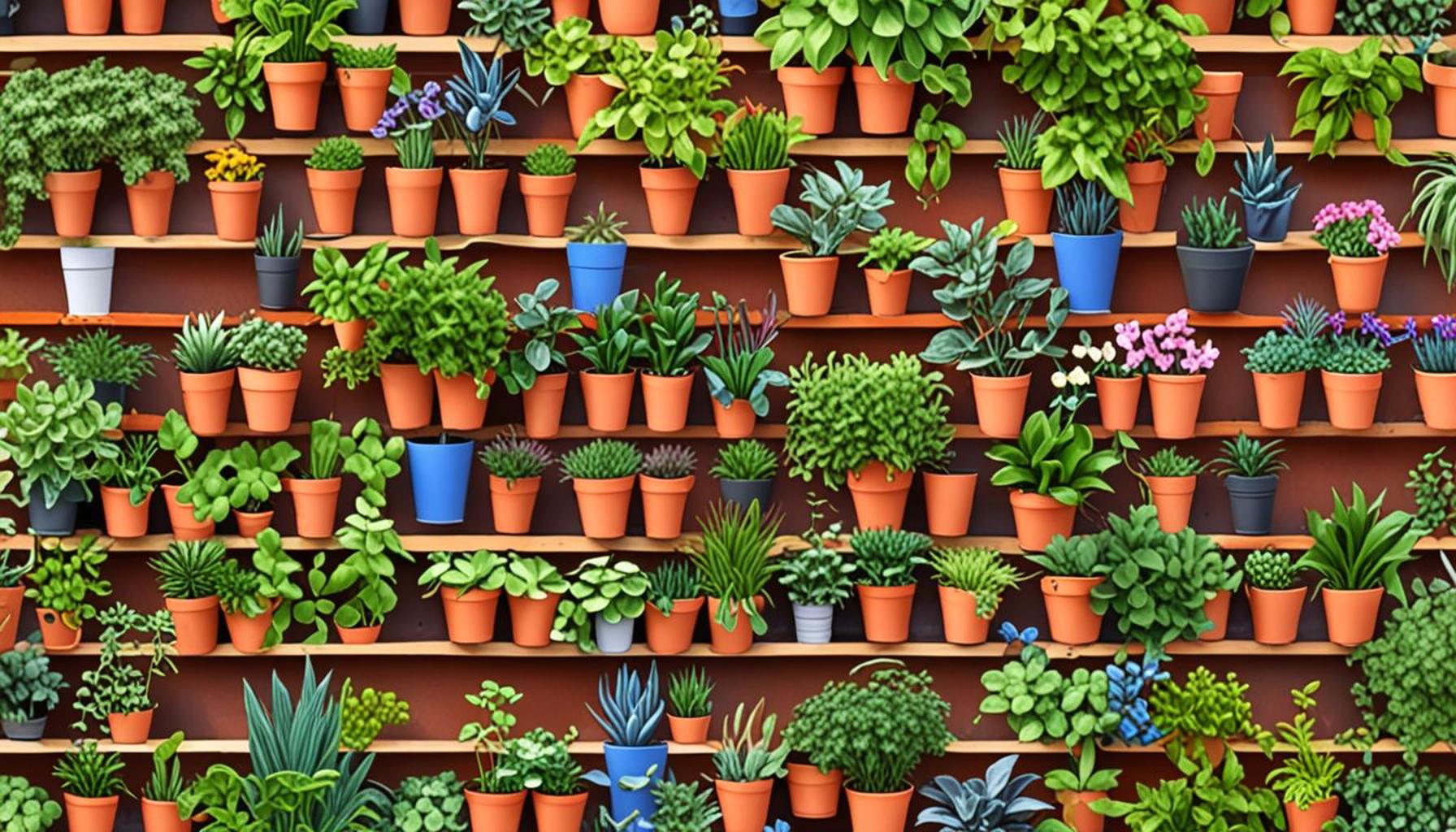
- Vertical Gardens: These innovative gardens utilize wall space effectively, which is crucial in cities where ground space is often limited. By using pallets or wall-mounted planters, even small balconies can be transformed into vibrant green spaces.
- Container Gardening: Recycling materials such as old buckets, tires, or even wooden crates can provide unique planting spaces. Container gardening allows flexibility in placement and variety, offering opportunities to grow herbs like basil and mint or vegetables like okra and cucumbers.
- Rainwater Harvesting: With the unpredictable weather patterns in many areas of Nigeria, including the rainy season, collecting rainwater is a smart solution for sustainable irrigation. Installing a simple rain barrel can dramatically reduce water bills and allows you to water your garden even during dry spells.
By engaging in these projects, you not only beautify your surroundings but also contribute to a healthier environment. Each small effort adds up to a larger movement towards urban sustainability. Embrace the challenge of transforming your limited space into a thriving garden. Whether in a bustling market or quiet suburb, the potential for green living in the city is limitless.
CHECK OUT: Click here to explore more
Transform Your Small Space into a Green Haven
Urban gardening doesn’t require sprawling land; it can flourish in even the most confined environments. For city dwellers in Nigeria, embracing DIY projects to establish urban gardens is not only feasible but also an empowering choice fostering both personal growth and community well-being. Let’s explore transformative projects that can help you cultivate sustainability in your small spaces.
Commit to Sustainable Practices
By engaging in sustainable gardening practices, you contribute to the health of your environment. Here are some essential practices to incorporate into your urban gardening efforts:
- Composting: Creating a simple compost bin from wooden pallets or buckets allows you to recycle kitchen scraps and yard waste into rich soil. This not only reduces garbage waste but enhances the nutrient content of your garden. An organic approach can attract beneficial organisms, boosting soil health and supporting plant growth.
- Mulching: Utilizing organic materials such as dried leaves, grass clippings, or even cardboard as mulch can significantly conserve moisture in your garden. During Nigeria’s hot seasons, this practice helps retain soil moisture, minimizes evaporation, and suppresses weeds, ultimately promoting healthier plant development.
- Companion Planting: Certain plants can benefit from being planted near each other, creating a natural pest deterrent and nutrient balance. For instance, growing marigolds alongside tomatoes can help keep pesky nematodes away, while basil planted near peppers can enhance their flavor. Understanding these relationships can maximize space and yield in your compact garden.
Taking these sustainable practices to heart can create a flourishing ecosystem right outside your window while lessening your environmental footprint. The marriage of sustainability and urban gardening goes beyond aesthetics—it builds a stronger connection to nature and community.
Maximizing Your Space
To make the most out of limited urban areas, resourcefulness is key. Here are some insightful DIY ideas that make the best use of your small space:
- Hanging Gardens: Use wall-mounted planters or hanging pots to not only incorporate greenery but also to add an artistic touch to your environment. Herbs like parsley and thyme thrive when suspended, freeing up valuable floor space for larger plants.
- Window Boxes: Install window boxes filled with colorful flowers or savory herbs, allowing you to enjoy the beauty and fragrance right from your home. They act as both a visual barrier and an attractive feature that enhances your apartment or home’s façade.
- Aquaponics Systems: For the more technically inclined, setting up a small aquaponics system can be a thrilling venture. This dual-system raises fish and cultivates plants symbiotically. The plants filter the water for the fish, while the fish provide nutrients for the plants, creating a sustainable cycle suited for smaller spaces.
By incorporating these dynamic solutions, urban gardening can transcend beyond casual hobbyist interest and evolve into a movement where communities thrive. There is limitless potential to transform even the smallest patches of land into productive environments, thus contributing to a more sustainable future for all.
| Advantage | Application |
|---|---|
| Maximization of Space | Urban gardens utilize vertical gardening techniques, allowing for more effective use of limited space. This innovative method enables city dwellers to grow a variety of plants without requiring extensive ground area. |
| Environmental Impact | DIY urban gardens contribute significantly to sustainability by promoting biodiversity and reducing heat island effects. By incorporating local flora, these gardens enhance the urban environment’s ecological balance and improve air quality. |
| Cost Efficiency | Engaging in DIY gardening helps offset grocery costs by providing homegrown produce. This not only reduces the carbon footprint associated with transporting food but also fosters healthier eating habits. |
| Community Engagement | Urban gardening initiatives often encourage community participation, creating bonds among residents. Building gardens in shared spaces promotes collaboration and shared responsibility for the local environment. |
Urban gardening is more than just a trend; it is a vital movement towards sustainability. With a growing focus on eco-friendly living, urban gardens allow individuals to reconnect with nature and contribute positively to their surroundings. By immersing in these DIY projects, whether creating a rooftop herb garden or a compact container vegetable garden, individuals can experience the joy of nurturing plants while making a significant environmental impact. Discover how your small space can become a thriving oasis in the city!
RECOMMENDED: Check out this similar article
Smart Solutions for Sustainable Urban Gardening
As urban populations grow, the quest for innovative solutions to gardening challenges is paramount. Adopting DIY projects that focus on sustainability can significantly enhance your urban garden’s productivity while minimizing waste. Here are some simple yet effective methods to make the most of your small space, especially tailored for Nigerian cityscapes.
Vertical Gardening
Vertical gardening is a game changer for urban dwellers. By utilizing vertical space, you can expand your gardening efforts beyond traditional flat plots. Consider creating a vertical garden using repurposed materials:
- Wooden Pallets: These can be transformed into vertical planters by attaching landscape fabric and filling them with soil. This approach not only saves space but also adds a rustic aesthetic to your balcony or terrace.
- Gutters: Old metal gutters can be affixed to walls or fences to create a modern look that showcases an array of herbs or small flowering plants. When positioned near the kitchen window, they provide easy access for cooking.
- Mesh Panels: Installing mesh panels allows climbing plants like beans and cucumbers to flourish upward. This not only maximizes planting space but also produces an attractive trellis effect.
DIY Drip Irrigation Systems
Irrigation can often be a challenge in urban settings, especially considering water scarcity in parts of Nigeria. A DIY drip irrigation system can be a practical solution. Using simple materials like PVC pipes and emitters, you can create an efficient watering system that reduces water waste while ensuring your plants receive consistent moisture. Not only does this conserve water, but it also ensures that your plants flourish even in the dry season.
Recycling Household Items
Being resourceful can lead to unique gardening solutions. Below are some recycling ideas that encourage sustainability in your urban garden:
- Plastic Bottles: Cut plastic bottles in half to create self-watering planters, perfect for herbs or small vegetables. These containers can be decorated to add a vibrant touch to your garden.
- Old Tires: Discarded tires can be painted and stacked for vibrant, multi-layered vertical gardens. They create an eye-catching display while being a cost-effective way to grow potatoes or other root vegetables.
- Egg Cartons: These provide an excellent starting point for seedlings. Fill the compartments with seedling mix, and once the seedlings are ready, transplant them directly into the garden.
Incorporating Native Plants
To promote biodiversity, consider incorporating native plants into your urban garden. These plants are better adapted to the local climate and require less water and maintenance. For instance, the use of indigenous species like oleander and bird of paradise not only enhances your garden’s beauty but also supports local wildlife, contributing to an ecological balance.
Through these practical projects and clever recycling ideas, urban gardens in Nigeria can thrive sustainably. Each step taken towards self-sufficiency contributes to a larger movement where urban lives are intertwined with nature, reinforcing a sense of community and environmental awareness.
RECOMMENDED: Check out this similar article
Conclusion
In conclusion, DIY projects for urban gardens present an exciting opportunity for city dwellers to cultivate sustainability right in their small spaces. As we explore the various methods to enhance our gardening experiences—be it through vertical gardening, innovative irrigation systems, or recycling household items—we realize that our creativity knows no bounds. Urban gardening is not just about growing food; it’s about growing a sense of community, fostering biodiversity, and promoting environmental consciousness in bustling Nigerian cities.
By integrating native plants into our gardens, we not only support local ecosystems but also embrace the beauty unique to our landscapes. The blend of functionality and aesthetics in urban gardens can transform underutilized spaces into vibrant green havens, encouraging both productivity and relaxation amidst the urban hustle.
As the exploration of urban gardening continues, it’s crucial for each individual to take actionable steps towards self-sufficiency. Whether you are a seasoned gardener or a complete novice, engaging in DIY projects encourages a deeper connection with the environment and an awareness of the importance of conserving resources. Let’s embrace these initiatives and cultivate more than just plants in our urban gardens; let’s cultivate resilience and sustainability for future generations. As the adage goes, “Every little helps,” and in the realm of urban gardening, each small effort contributes to the larger vision of a greener Nigeria.