Essential Guide to Balanced Nutrition for Dogs and Cats Owner Tips
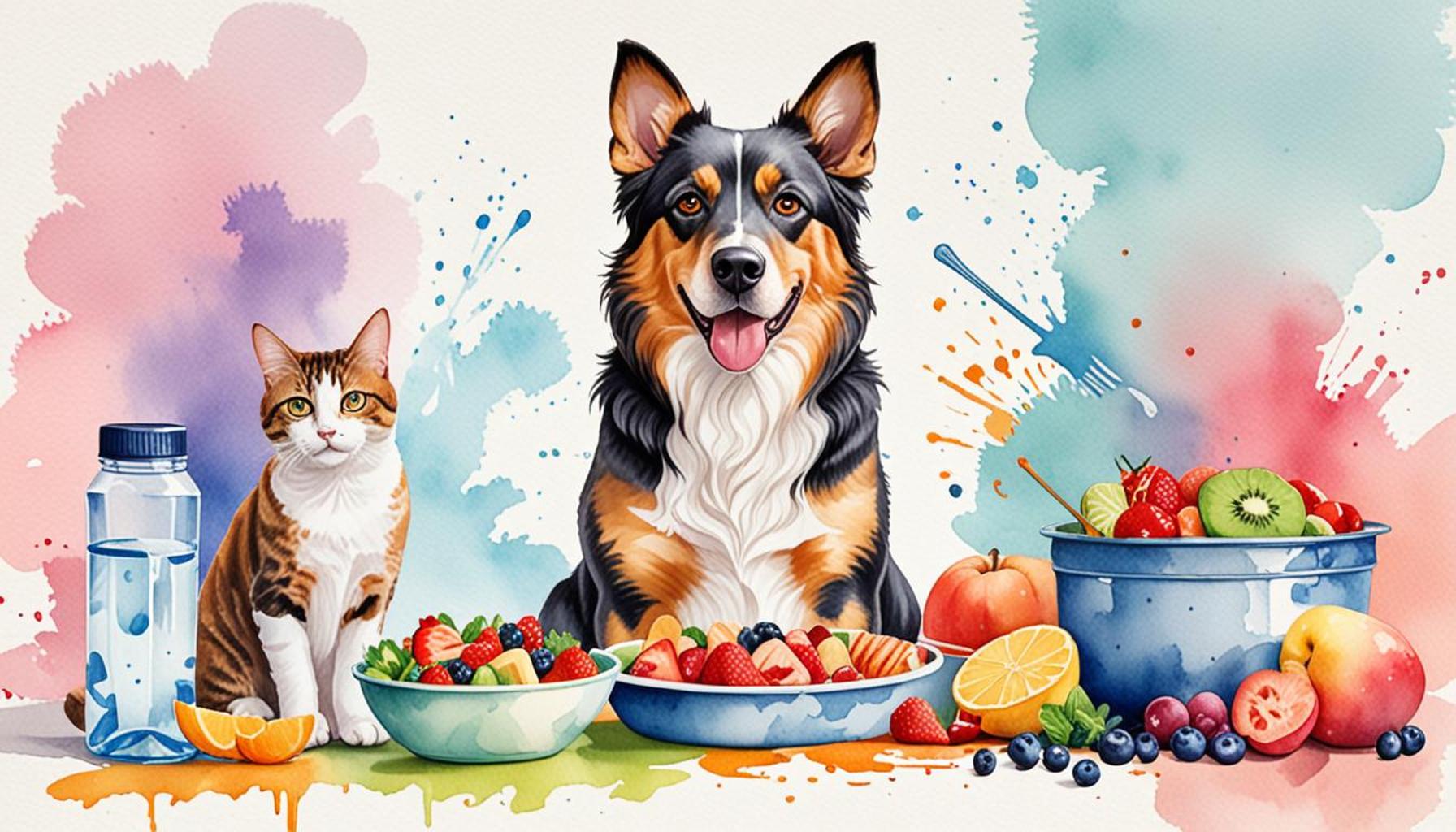
Nourishing our furry companions goes beyond mere mealtime rituals; it is about fostering their overall health and wellbeing. Balanced nutrition plays a crucial role in the lives of our pets, influencing everything from their energy levels to their susceptibility to diseases. Proper dietary habits can transform a pet’s happiness, vitality, and longevity.
Many pet owners may feel overwhelmed by the plethora of food options available in the market today. Understanding key nutritional requirements can empower them to make informed decisions that cater to their pets’ unique needs. As responsible pet parents, knowing what to feed our dogs and cats is imperative for their growth and development.
In this article, we will explore the Top 5 essential tips for ensuring balanced nutrition for both dogs and cats. Each guideline will serve as a stepping stone toward achieving optimal health for your beloved pets, equipping you with the knowledge necessary to enhance their diets effectively.
Top 5: The Importance of Balanced Nutrition for Dogs and Cats: What Pet Owners Need to Know
The journey to finding the right food for your pet can be as challenging as choosing the perfect meal for yourself. The significance of balanced nutrition for dogs and cats is immense, playing a crucial role in their overall health and longevity. Whether you are a newly minted pet owner or a seasoned veteran, understanding the core principles of pet nutrition is vital for keeping your furry companions healthy, happy, and thriving. Here, we present a comprehensive overview of the top five elements of balanced nutrition for pets that every owner should be aware of.
5. Understanding Nutritional Requirements
Providing your pet with balanced nutrition starts by understanding their specific dietary requirements. Dogs and cats have different needs based on their age, size, and breed, each of which can influence their dietary preferences and necessities.

- Dogs: As omnivores, dogs generally require a diet rich in protein. Their diet should include a mix of animal and plant-based proteins to promote overall health. Puppies need more calories to fuel their growth, whereas senior dogs might require fewer calories with higher fiber to aid digestion.
- Cats: As obligate carnivores, cats require a diet that is predominantly composed of animal proteins and fats. Their body relies on nutrients only found in animal tissues, such as taurine and arachidonic acid, making it essential that their food provides these specific nutrients.
Each life stage—from kitten/puppyhood to adulthood and senior years—necessitates adjustments in their diet to ensure optimal health. Recognizing these needs is crucial, as neglecting them can lead to substantial health challenges, from developmental issues in young pets to weight management and disease prevention in older pets.
4. The Role of Protein in Their Diet
Protein is a crucial macronutrient for both dogs and cats, influencing numerous vital functions such as muscle development, immune response, and energy levels. High-quality animal proteins offer essential amino acids that dogs and cats cannot synthesize internally.
- Muscle Maintenance: Proteins support healthy muscle growth and maintain muscle mass, which is vital for mobility and overall strength.
- Immune Function: Proteins contribute to the production of antibodies and enzymes that bolster the immune system, enhancing disease resistance.
- Energy Source: Proteins provide vital energy necessary for everyday activities, playing, and even simple activities like wagging a tail or purring.
Selecting foods with sufficient protein levels is essential to your pet’s well-being and longevity, ensuring they stay energized and resilient against illnesses.
3. The Importance of Healthy Fats
Fats often receive a bad reputation, yet they are essential for a balanced diet, serving several vital functions in your pet’s body.
- Energy: Fats are a concentrated source of energy that is vital, especially for active pets needing high energy output.
- Skin and Coat Health: Omega fatty acids, often found in fish oils, help maintain a shiny coat and healthy skin, preventing dandruff and dry, irritated skin.
- Brain Development: Particularly important for puppies and kittens, fats contribute crucial elements needed for optimal neurological development and function.
Finding the right balance of fats is crucial, as excess can lead to obesity, whereas a deficit can have deleterious effects on overall health, vitality, and even cognitive development.
2. Micronutrients and Their Benefits
Micronutrients, including vitamins and minerals, are essential for a multitude of bodily functions, ranging from metabolic processes to bone health. Vital micronutrients such as Calcium and Phosphorus are indispensable for strong bones and teeth, whereas Vitamins A, D, and E are key for skin health and vision.
Inadequate intake of these micronutrients can lead to significant health issues, including bone deformities, weak immune responses, and vision problems. Micronutrients not only help sustain overall health but also enrich your pet’s quality of life, leading to extended vitality and enhanced mood.
1. The Impact of Nutrition on Longevity and Quality of Life
The most compelling reason to prioritize balanced nutrition is its profound impact on your pet’s longevity and quality of life. A well-nourished pet is more likely to avoid chronic conditions such as obesity, diabetes, and heart disease.
Key benefits of implementing a balanced diet include:
- Increased energy levels: Resulting in a more vibrant, engaged, and playful pet.
- Enhanced immune function: Equipping pets to fend off infections and recover faster from illnesses.
- Improved mental functioning: Ensuring your pet stays sharp, alert, and mentally active as they age.
Ultimately, nutritionally balanced meals contribute not only to the longevity of our beloved pets but also profoundly impact the quality of their lives, ensuring they remain dynamic, healthy, and full of life well into their later years.
In conclusion, understanding the essence of balanced nutrition is an invaluable aspect of pet ownership. By focusing on the specific dietary mandates of your pet, you can ensure a longer, healthier, and more joyful life for your furry companions. Nutritional awareness and informed choices will lead to a thriving pet and a rewarding companionship.
| Category | Details |
|---|---|
| Essential Nutrients | Both dogs and cats require a balance of proteins, fats, carbohydrates, vitamins, and minerals for optimal health. For example, proteins play a crucial role in building and repairing tissues, while essential fatty acids are vital for healthy skin and coat. |
| Weight Management | A balanced diet aids in maintaining a healthy weight. Obesity can lead to a range of health issues such as diabetes and joint problems. By moderating food intake and choosing quality ingredients, owners can greatly enhance their pets’ lifespan. |
| Digestive Health | Proper nutrition directly impacts digestive health. Ingredients high in fiber promote gut health and prevent issues such as constipation or diarrhea. A well-balanced diet ensures better absorption of nutrients, leading to improved overall health. |
| Preventive Health Care | Feeding pets a complete and balanced diet can help prevent certain health issues. Nutrients such as antioxidants support the immune system, while omega-3 fatty acids can combat inflammation and support heart health. |
Understanding the essentials of balanced nutrition for pets leads to informed decisions that can enhance their quality of life significantly. Each category in this table outlines key aspects that owners must consider when planning their pets’ diets. The interplay of these components not only fosters immediate health benefits but also establishes a foundation for long-term wellbeing. As pet owners delve deeper into the nuances of nutrition, they unlock the potential for vibrant health and longevity for their furry companions, tapping into the wealth of knowledge available on the importance of maintaining a balanced diet.
Frequently Asked Questions about Balanced Nutrition for Dogs and Cats
What constitutes a balanced diet for my pet?
A balanced diet for dogs and cats should include the right proportion of proteins, fats, carbohydrates, vitamins, and minerals. Each nutrient plays a crucial role in the overall health and well-being of your pet. For example, proteins are vital for muscle and tissue development, while fats are a major energy source. Ensuring a varied diet that meets all these nutritional needs can prevent deficiencies and promote a long, healthy life.
How do I know if my pet’s diet is adequate?
Pet owners should observe their animals for signs of nutritional adequacy. Indicators of a suitable diet include a shiny coat, healthy skin, regular bowel movements, and consistent energy levels. A visit to the vet can provide additional insights through physical assessments and potential blood tests. Paying attention to your pet’s body condition and weight can also signal whether their diet needs adjustments. Remember, every pet is unique, and nutritional requirements can vary with age, size, and activity level.
Are homemade diets a good option for dogs and cats?
While homemade diets can offer control over ingredients, they can sometimes lack essential nutrients if not well-planned. Special attention should be paid to ensuring the diet’s completeness. Collaborating with a veterinary nutritionist can help formulate a balanced homemade recipe. It’s important to avoid common toxic ingredients like onions, garlic, and chocolate, which can be harmful to pets. In some cases, a high-quality commercial pet food might be a more convenient option to meet all nutritional requirements without extensive planning.
Can supplements enhance my pet’s nutrition?
Supplements can be beneficial, but they should never replace a balanced diet. They can be useful in addressing specific health needs or deficiencies, such as omega-3 for a healthier coat or glucosamine for joint health in older pets. Consultation with a veterinarian is crucial before introducing any supplements, as excessive or inappropriate supplementation could lead to adverse effects and nutritional imbalances.
How often should I reassess my pet’s diet?
Regularly reassessing your pet’s diet is important as their nutritional needs change over time, with life stages and health statuses influencing these requirements. Annual veterinary visits and routine check-ups can provide opportunities to re-evaluate their dietary needs. Always stay informed about the latest pet nutrition studies and emerging products that might benefit your pet. Being proactive in your pet’s diet ensures they receive optimal nutrition throughout their life.
Conclusion
In summary, maintaining a balanced diet for dogs and cats is not only crucial for their health but also for their overall well-being. As we have explored throughout this article, the foundation of a pet’s diet should be a comprehensive understanding of their specific nutritional needs, encompassing proteins, fats, carbohydrates, vitamins, and minerals. It’s imperative for pet owners to recognize that the dietary requirements of cats and dogs vary significantly, necessitating species-specific approaches to nutrition.
For pet owners, understanding the importance of high-quality ingredients can make a substantial difference in their pets’ health. Choosing the right formulations and formulations specifically designed for a pet’s age, size, and health condition can aid in preventing obesity, diabetes, and other diet-related conditions. Furthermore, periodically consulting with a veterinarian can provide invaluable insights and ensure that the evolving dietary needs of pets are met.
On a broader level, it’s crucial to highlight the growing array of options in pet nutrition. From premium kibble to raw and home-cooked diets, pet owners have more resources than ever to educate themselves about making the best nutritional choices. However, with this abundance of options also comes responsibility. It is essential to stay informed and critical of marketing claims, striving for trusted resources and professional advice.
Ultimately, providing a balanced and suitable diet is a pivotal aspect of responsible pet ownership. It ensures that dogs and cats not only survive but thrive, enjoying long and healthy lives. By committing to informed and thoughtful feeding practices, you can enhance the quality of life of your beloved pets, ensuring they remain by your side as happy and healthy companions.