How Artistic Expression Transforms Mental Health and Lives
The Transformative Power of Artistic Expression
In recent years, the connection between artistic expression and mental health has garnered increasing attention as more individuals and communities embrace the healing potential of creativity. Numerous studies illustrate how engaging in creative activities can significantly enhance well-being, reduce anxiety, and foster resilience. As our understanding deepens, these creative outlets are becoming pivotal in mental health strategies worldwide.
Creative hobbies, such as painting, writing, and music, offer a therapeutic outlet that goes beyond mere distraction from life’s stresses. They also provide tangible ways for individuals to process emotions and navigate complex feelings. For example, painting can serve as a visual diary, allowing an individual to explore colors and shapes that mirror their inner world. Writing, on the other hand, allows for narrative creation, offering both catharsis and clarity as individuals put their stories into words. Engaging with music, whether by listening or playing an instrument, can tap into emotions that are sometimes harder to articulate, creating a bridge between the inner self and the outer world.
Top 5 Artistic Practices Impacting Mental Health
As we delve deeper into the impact of creative activities on mental health, we highlight the top 5 artistic practices that have shown a measurable impact:
- Art Therapy: Often guided by trained therapists, this practice uses visual arts to explore emotions, resolve conflicts, and improve self-esteem.
- Journaling: Writing about daily experiences can enhance mindfulness and help manage stress.
- Music Therapy: Engaging with music, whether through playing an instrument or singing, can elevate mood and reduce symptoms of depression.
- Dance and Movement Therapy: Utilizing body movement to improve emotional and physical integration.
- Drama Therapy: Acting and role-play provide a safe space to explore life’s challenges through storytelling and characterization.
Prepare to uncover how these avenues of creative expression can transform lives and provide hope for those navigating mental health challenges. Engaging in these practices not only enriches personal experiences but also strengthens the sense of community, bringing people together through shared creative pursuits. As we continue to explore the profound impact of artistic expression, there is hope that more individuals will discover the strength that creativity can offer, lighting a path to healing and resilience.
The Influence of Art on Mental Health: Transformative Power of Creative Expression
The intersection of art and mental health has gained increasing recognition for its profound potential to enhance psychological well-being. Through various forms of creative expression, art has shown to significantly impact mental health, offering transformative benefits that improve quality of life. In this article, we delve into the top five ways art influences mental health, unpacking the powerful role that engaging in creative hobbies can play in transforming lives for the better.
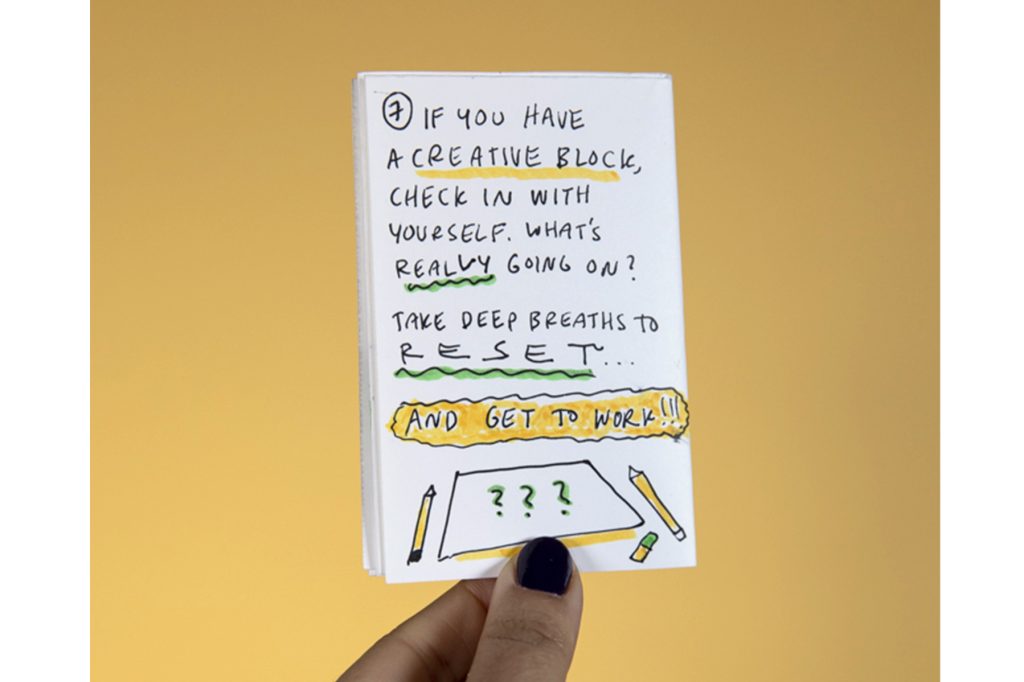
5. Art as a Form of Therapy
Art therapy stands as a significant innovation in the mental health field, utilizing artistic creation to enhance an individual’s physical, mental, and emotional well-being. By engaging in the creative process, individuals can explore feelings that might be difficult to express through words alone. Therapists guide this process, helping clients articulate complex emotions in a safe and supportive environment.
Consider the following forms of art therapy:
- Visual Arts: Techniques such as painting, drawing, and sculpting are especially beneficial for those dealing with trauma, anxiety, or depression. The tactile experience of working with materials can ground and calm the mind.
- Music Therapy: This involves using music to address emotional, cognitive, and social needs. Listening to or creating music can alleviate stress and depression, bridging feelings of loneliness by creating a community experience.
- Dramatic Arts: Engaging in theater and performance art allows individuals to explore emotional conflicts and develop empathy by stepping into various roles.
Collectively, these forms of art therapy foster enhanced coping strategies, providing a practical therapeutic tool that promotes healing and personal insight.
4. Building Emotional Resilience through Creativity
Engagement in creative activities has been shown to foster emotional resilience, encouraging individuals to face and process thoughts and feelings that arise during the creative process. This engagement leads to a deeper self-understanding and serves as a vital emotional outlet. Research indicates that those who regularly participate in creative endeavors report higher levels of life satisfaction and lower levels of anxiety.
Creative hobbies offer several benefits:
- Forming Connections: Many creative activities involve teamwork, which nurtures social bonds and provides emotional support.
- Enhancing Problem-Solving Skills: Creativity promotes divergent thinking, which is crucial for developing flexible and adaptive approaches to life’s challenges.
- Improving Mood: Engaging in creativity releases endorphins, the brain’s natural mood enhancers, thus uplifting the spirit.
By participating in creative acts, individuals can bolster their ability to handle life’s emotional demands.
3. The Therapeutic Power of Routine
A structured routine that includes creative activities can bring stability, particularly for those struggling with mental health issues. Establishing regular times for creative pursuits — such as painting every Wednesday or attending a pottery class each weekend — offers not only the intrinsic benefits of the art process itself but also a sense of achievement and daily satisfaction.
Routines can shape mental health benefits by:
- Reducing Anxiety: Having a set time for creativity reduces the unpredictability of life’s worries, offering a reassuring structure.
- Tracking Progress: A consistent creative routine allows individuals to monitor their progress and personal growth over time, boosting self-confidence.
- Fostering Commitment: Establishing a creative routine encourages dedication and discipline, which can have beneficial ripple effects in other areas of life.
Through routine, individuals can experience steady personal development and emotional stability.
2. Creativity as a Coping Mechanism
Art and creativity serve as effective coping mechanisms for life’s stresses and challenges, offering a comforting distraction from negative thoughts and enhancing relaxation and mindfulness. By channeling emotions through creativity, individuals often find more productive ways to handle stress, leading to healthier psychological and physical outcomes.
Creative coping can manifest in numerous forms, each providing unique therapeutic benefits:
- Writing: Journaling or engaging in creative writing helps clarify thoughts and articulate feelings, which can be especially beneficial during times of turmoil.
- Crafting: Activities such as knitting, woodworking, or pottery allow individuals to creatively focus their energy, fostering a sense of accomplishment and calm.
- Photography: Capturing images encourages a new perspective, helping to find beauty and meaning even amidst difficulties.
By embracing these creative outlets, individuals can empower themselves with healthier emotional resilience.
1. Artistic Expression as a Gateway to Self-Discovery
At the core of art’s influence on mental health is its ability to act as a gateway to self-discovery. Engaging in artistic endeavors allows individuals to reveal hidden emotions, memories, and aspects of themselves that might remain undiscovered through ordinary cognitive reflection. This self-exploratory process often leads to metaphorical ‘aha’ moments, where personal insights and realizations occur.
Artistic expression encourages a journey inward, propelling individuals toward a path of introspection and compassionate self-awareness. This journey can foster authenticity and acceptance, helping to align one’s external world with their internal narrative.
Overall, art is a powerful catalyst for personal growth and emotional healing. By nurturing self-discovery through creativity, individuals can reshape their life’s trajectory in empowering and meaningful ways.
In conclusion, the integration of art into therapeutic routines and everyday life provides broad-spectrum benefits for mental health. Through art therapy, emotional resilience, structured routines, coping mechanisms, and self-discovery, creative expression stands as a transformative medium, helping people navigate the complexities of the human experience while fostering psychological well-being.
| Category | Description |
|---|---|
| Creative Expression | Art allows individuals to unleash their thoughts and feelings, providing a channel to express emotions that might be difficult to verbalize. This expression through painting, music, or writing can lead to profound psychological relief. |
| Therapeutic Benefits | Engaging in the arts promotes mindfulness and can serve as a form of therapy. Techniques such as art therapy have shown to reduce symptoms of anxiety and depression, allowing individuals to reconnect with themselves. |
| Community and Connection | Collaborative art projects foster social bonds, enhancing community spirit and leading to improved social support networks. This connection is crucial for mental well-being, as it reduces feelings of isolation. |
| Boosting Self-Esteem | Participating in artistic activities can significantly improve self-esteem. The achievement of completing an artwork or successfully performing can provide a sense of accomplishment and fulfillment. |
The influence of art on mental health is undeniable, carving paths to healing and transformation. Each interaction with a piece of art has a potential ripple effect that extends beyond the self; it connects individuals to broader themes of humanity and shared experience. This power of art echoes through various forms of expression, creating unique opportunities for understanding and emotional exploration.In communities, the shared experience of creating something together can break down barriers, uniting people from diverse backgrounds in the name of creativity. Group exhibitions, workshops, and community art projects foster an environment of collaboration that not only enriches individual lives but also weaves a tighter social fabric. These interactions often culminate in a supportive atmosphere where people can share their struggles and triumphs, thus enhancing their mental health.Moreover, incorporating art into daily practices can lead to long-term benefits for mental well-being. Engaging regularly with artistic activities promotes a routine that encourages mindfulness and reflection, equipping individuals with practical tools to manage stress and emotional upheaval. The evidence is compelling; those who regularly engage in expressive arts report higher levels of happiness and well-being compared to their peers who do not participate in such activities.The psychological impact of creating and experiencing art further underscores the connection between artistic expression and mental health. Beyond the private act of creation lies a profound communal philosophy that celebrates each person’s unique perspective. Through exhibitions and shared performances, artists present their work, inviting the audience to engage in a dialogue that can provoke thought, evoke emotions, and inspire changes in perception. Exploring these layers of influence establishes not just a foundation for personal growth but also a collective journey towards empathy and understanding in navigating the mental health landscape. The path of art as a therapeutic modality is a rich area for exploration and advocacy, inviting individuals from all walks of life to experience its powerful benefits.
Frequently Asked Questions about the Influence of Art on Mental Health
What impact does artistic expression have on mental health?
Artistic expression can have a significant positive impact on mental health by providing individuals with a means to express emotions that might be difficult to verbalize. Engaging in art forms like painting, music, or dance can lead to a reduction in stress levels, anxiety, and depression. Studies suggest that these activities can stimulate the release of endorphins and increase the production of serotonin, which are molecules associated with happiness and well-being.
How does art therapy work to improve mental health?
Art therapy involves the use of creative processes facilitated by a trained therapist to help individuals address mental health challenges. This form of therapy encourages self-exploration and reflection through various artistic mediums. It provides a safe and supportive environment where individuals can externalize their thoughts and feelings, potentially leading to greater self-awareness and emotional healing. It’s important to note that art therapy is not about the aesthetic value of the art produced but about the cathartic process of creation itself.
Are there certain types of art that are more beneficial for mental health?
Different forms of art can offer distinct benefits, and their effectiveness often depends on the individual’s preferences and personality. Activities such as painting, drawing, and sculpting are beneficial for those who find solace in visual expressions, while music and dance can be particularly effective for individuals who prefer auditory and kinetic outlets. The key is to engage in an art form that feels most natural and enjoyable. The most important aspect is the process of creation and not the art form itself.
Can anyone benefit from engaging in art, even without formal training?
Absolutely. The ability to benefit from art does not require any formal training or inherent artistic talent. What matters most is the personal engagement and the emotional release it provides. The focus should be on enjoyment and experimentation rather than creating a masterpiece. Access to artistic activities can be democratized, making them a powerful tool for improving mental health across diverse populations. In essence, art is for everyone, and it can serve as a therapeutic outlet regardless of one’s skill level.
Is there scientific evidence supporting the role of art in enhancing mental well-being?
Yes, there is a growing body of scientific research supporting the positive effects of art on mental health. Various studies have documented improvements in mood, cognition, and quality of life among participants who engage in the arts. Research also indicates that art can enhance neural connections and foster resilience. Reports from institutions like the American Art Therapy Association highlight that art therapy can effectively complement traditional mental health treatments, offering compelling evidence of its significance.
Conclusion: The Transformative Power of Art on Mental Health
In exploring the profound impact of artistic expression on mental well-being, this article delved into the multifaceted benefits art can offer to individuals facing mental health challenges. From painting to sculpture, music to dance, engaging in creative hobbies not only provides a sense of achievement but also serves as a powerful tool for emotional release and self-discovery. As highlighted, art offers a unique avenue for those who may struggle to articulate their feelings verbally, granting them a voice through their creativity.
Art therapy, as discussed, has demonstrated significant efficacy in clinical settings, providing therapeutic benefits that traditional methods sometimes fail to reach. The act of creating art fosters a meditative state, reduces anxiety, and elevates mood, contributing to overall psychological health. Moreover, participating in group art activities encourages social interactions and builds community, countering the isolation that often accompanies mental illness.
Furthermore, the integration of art into mental health care recognizes the holistic needs of individuals. By tapping into human creativity, art bridges the gap between conventional treatments and the innate human desire to create and communicate. The ability of art to transform relationships with oneself and others underscores its integral role in mental health maintenance.
As society continues to grapple with increasing mental health issues, the value of integrating art into therapeutic practices becomes ever more pertinent. Encouraging creative pursuits not only enhances mental health resilience but also enriches life experiences. Thus, exploring creative hobbies should be considered an essential component of both personal well-being and public health strategies, urging us to embrace the transformative power of the arts.