How to Deal with Allergies in Pets: Causes and Solutions

Understanding Allergies in Pets
Many pet owners in Nigeria are increasingly facing a challenging issue: allergies in pets. These allergic reactions can significantly impact a pet’s quality of life and create distress for both the animal and the owner. Understanding the causes and solutions of pet allergies is crucial for managing this condition effectively and improving the overall well-being of our furry friends.
What Causes Allergies in Pets?
Pet allergies can arise from a multitude of sources, and recognizing these triggers is the first step towards effective management. Here are some of the primary culprits:
- Environmental factors: Common allergens in Nigeria include pollen from trees and grasses, dust mites, and mold that often thrive in humid environments. For instance, pets may show heightened reactions during the rainy season when mold growth is rampant.
- Food allergies: Many pets develop sensitivities to specific food ingredients. Common allergens include grains like wheat and corn, dairy products, and certain proteins like chicken, beef, or fish. It is important for pet owners to monitor their pets’ reactions to new foods, as even limited exposure can precipitate an allergic response.
- Flea bites: Fleas are notorious for causing intense itching and irritation; even a single flea can cause allergic dermatitis in sensitive pets. This is a particularly pressing issue in Nigeria, where climate conditions are favorable for flea populations.
Recognizing Symptoms
Identifying the signs of allergies in pets is essential for prompt intervention. Symptoms can manifest in various ways, including:
- Itchy skin: This may present as constant scratching or biting at the skin, leading to red, inflamed areas or hotspots that can become infected if not addressed.
- Red or watery eyes: Pets may experience ocular discharge, a common sign that indicates potential allergic reactions, often coupled with sneezing or nasal discharge.
- Digestive issues: Allergies can also affect a pet’s gastrointestinal system, causing symptoms such as vomiting, diarrhea, or bloating. Observing your pet’s bowel movements can give you vital clues as to whether it’s time to consult a vet.
Understanding these symptoms aids pet owners in seeking effective solutions. From dietary changes, such as transitioning to hypoallergenic food or limiting potential allergens, to scheduling vet visits for allergy tests and treatments, being proactive can significantly enhance your pet’s health. Additionally, maintaining a clean environment, regular bathing, and ongoing flea treatments are integral to reducing allergic reactions. Dive into this guide to explore various approaches and learn how to tackle the unwelcome issue of pet allergies.
Identifying Allergies in Pets: A Step-By-Step Approach
When it comes to managing pet allergies, the first step is to identify the specific allergen triggering your furry friend’s response. This task can seem daunting, but with some keen observations and systematic approaches, pet owners can pinpoint the source of their pet’s discomfort. Here are some actionable steps to help you get started:
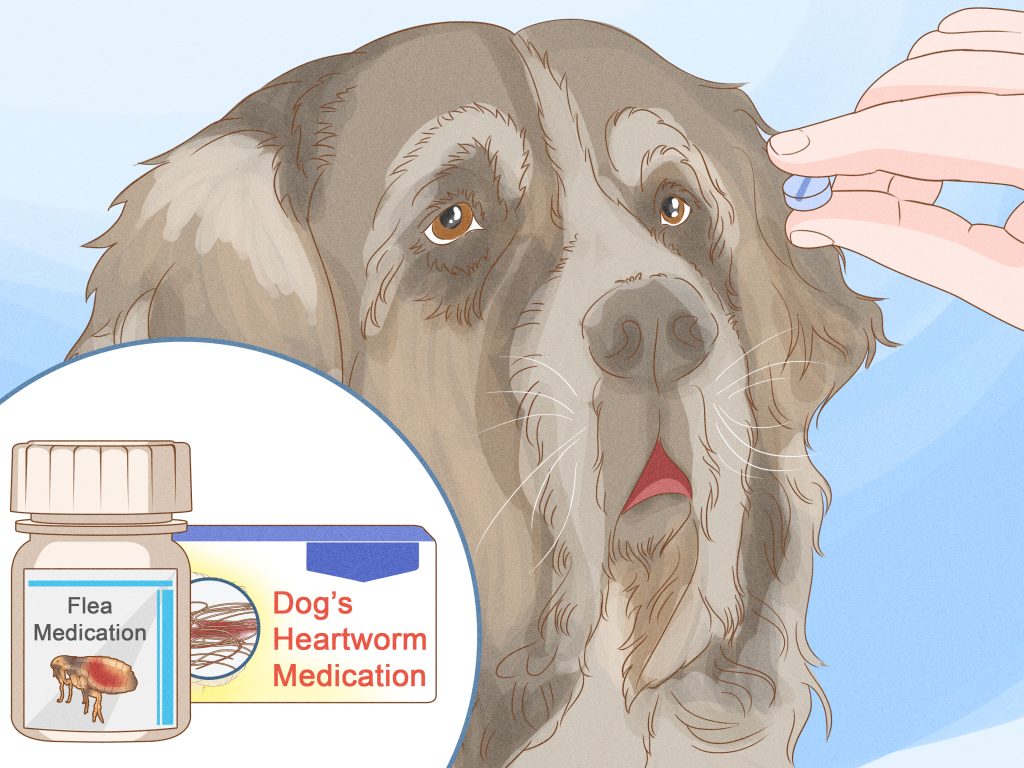
Keeping a Detailed Allergy Diary
Maintaining an allergy diary can be invaluable. Documenting changes in your pet’s behavior, diet, and environment allows you to track potential allergens. When you notice symptoms, note the context:
- Date and time
- Foods introduced or changed
- Environmental conditions: such as recent weather changes or situations where your pet was exposed to new locations or plants.
- Pests: Keep track of flea or tick treatments and any potential infestations.
With consistent documentation, you might start to notice patterns that can directly correlate to the symptoms observed in your pet.
Consultation with a Veterinarian
Taking your observations to a qualified veterinarian is a critical next step. They can conduct a thorough examination and may recommend allergy testing to help identify specific allergies, whether they are environmental, food-related, or related to parasites like fleas. Blood tests or skin tests may be employed to ascertain what your pet is reacting to.
Understanding the Role of Diet in Allergies
Dietary allergies are among the most common culprits in pets. The key to identifying food allergies is to implement an elimination diet. This means:
- Removing suspect ingredients: Common allergens include grains, dairy, and certain proteins, as mentioned earlier.
- Introducing a novel protein: Using a protein source your pet has never eaten before—a limited ingredient diet can sometimes reveal food sensitivities.
- Monitoring symptoms: Observations should occur over several weeks, and any improvements can strengthen the case for potential food allergies.
This trial-and-error process can help you establish which ingredients are safe for your pet and which ones to avoid. Working closely with your veterinarian during this process is recommended to ensure nutritional balance.
Take Preventative Measures
Even after identifying allergens, it’s essential to take proactive measures to reduce exposure and alleviate symptoms. Regular cleaning of your home and pet bedding, use of air purifiers, and maintaining yard cleanliness can help reduce environmental factors that trigger allergies. Furthermore, consistence in flea control using veterinary-recommended products will help mitigate flea-related allergic reactions.
In summary, understanding and identifying pet allergies involves careful observation, strong communication with veterinary professionals, and implementing solutions that target specific allergens affecting your pet. With persistence and an informed approach, pet allergies can be managed effectively, ensuring your beloved companion leads a happy and healthy life.
| Category | Details |
|---|---|
| Common Allergens | Pollen, dust mites, mold spores, and certain foods can trigger allergies in pets. |
| Signs of Allergies | Look for symptoms such as itching, chewing on paws, coughing, or ear infections as key indicators. |
Understanding the causes of allergies in pets is pivotal to managing their health effectively. Many pet owners often overlook that similar to humans, pets can also be sensitive to environmental factors. Common allergens affecting our furry companions include natural components such as pollen, which is rampant during springtime. Dust mites and mold spores may also contribute to the issue, especially in homes with poor ventilation. Additionally, certain foods, particularly those containing wheat, corn, or soy, can provoke allergic reactions in pets. Recognizing the signs of allergies is crucial as early intervention can improve their quality of life significantly. Symptoms such as excessive itching, chewing on their paws, or recurring ear infections should not be dismissed. In conclusion, remaining vigilant about your pet’s behavior and health can help you identify allergies early and take appropriate measures to alleviate their discomfort. The journey toward managing allergies could involve dietary adjustments or environmental changes, all aimed at giving your beloved pet the relief they deserve.
Common Allergens in Pets: What to Watch For
As we dive deeper into the world of pet allergies, it’s crucial to understand the common allergens that can provoke reactions in our furry companions. Identifying these allergens can make a significant difference in managing your pet’s symptoms. Here, we explore prevalent triggers and provide guidance on dealing with them effectively.
Environmental Allergens
Pets, much like humans, can suffer from environmental allergies, often referred to as hay fever. This condition can flare up due to a variety of agents present in the environment:
- Pollen: Trees, grasses, and weeds release pollen, which can be particularly troublesome during certain seasons. For example, in Nigeria, the harmattan season brings about dust and pollen that can irritate pets.
- Mold and Dust Mites: These common indoor allergens can thrive in humid conditions or poorly ventilated areas. Regular cleaning and maintenance can help minimize exposure.
- Household Chemicals: Cleaning products, air fresheners, and even scented candles can trigger allergic reactions. Opt for hypoallergenic or natural alternatives when possible.
Maintaining a clean living environment is essential. Occasionally bathing your pet with hypoallergenic shampoos can also help by removing allergens that cling to their fur.
Flea Allergy Dermatitis
Fleas are not just a nuisance; they can cause severe allergic reactions in pets, known as flea allergy dermatitis (FAD). This condition occurs when a pet is hypersensitive to flea saliva. A single flea bite can lead to intense itching, hair loss, and skin infections. To manage this:
- Regular Treatment and Prevention: Consistently using veterinarian-recommended flea preventatives is critical. Some options are topical treatments, oral medications, or flea collars.
- Yard Maintenance: Keeping your yard free from debris and maintaining your lawn can reduce the likelihood of flea infestations.
- Consulting a Vet: If your pet shows signs of FAD, seeking a veterinarian’s advice for medication to control inflammation and infection is vital.
Food Allergies: A Closer Look
Understanding food allergies in pets goes beyond just the elimination diet. A study conducted by the American College of Veterinary Dermatology suggests that food allergies can manifest as skin conditions like itching and inflammation, as well as gastrointestinal issues such as vomiting or diarrhea. Common ingredients that tend to evoke allergic reactions in pets include:
- Beef
- Dairy
- Chicken
- Wheat
- Eggs
For pet owners in Nigeria, it’s important to understand that some locally sourced pet foods may also contain fillers that can provoke allergic reactions. Whenever there is a dietary change, always consider tracking these alterations in your allergy diary to observe how your pet reacts.
Natural Remedies and Solutions
As many pet owners look for alternative methods to soothe their pets’ allergic reactions, several natural remedies show promise. These include:
- Omega-3 Fatty Acids: Found in fish oil, these can help reduce inflammation and improve skin health.
- Apple Cider Vinegar: When diluted with water, it can help to relieve itchy skin, thanks to its natural antihistamine properties.
- Probiotics: These can enhance gut health and may help in managing systemic allergic reactions.
While these solutions can offer relief, it’s essential to consult with your veterinarian before introducing any new treatment, as individual pets will respond differently to various remedies.
In the realm of pet allergies, knowledge is power. By staying informed and observant, pet owners can create a safer, more comfortable environment for their beloved companions.
Conclusion: Navigating Pet Allergies with Care
Understanding and addressing pet allergies is a journey that requires attention, patience, and proactive measures. As we’ve explored, allergens can arise from various sources, including environmental factors, flea infestations, and specific food ingredients. Recognizing these triggers is the first step in mitigating your pet’s discomfort.
Pet owners in Nigeria should be particularly mindful of local allergens, from the harmattan dust to the unique compositions of available pet food. Equipping yourself with the right knowledge allows for a tailored approach to your pet’s specific needs. Regular consultations with a veterinarian can unveil potential underlying health concerns and provide personalized treatment plans that go beyond immediate relief—such as medications or dietary adjustments.
Moreover, incorporating natural remedies, like probiotics and omega-3 fatty acids, could enhance your pet’s overall well-being, making them less susceptible to allergic reactions. Maintain a clean living environment by diligently managing dust and using hypoallergenic products to further protect your furry friend from irritants.
Ultimately, managing allergies in pets is about creating a balanced and responsive strategy. By advocating for your pet and continually learning about their needs, you foster a healthy and happy life together. Embrace this challenge with an informed perspective, and you will find that the path to relief for your pet is within your reach.