Human Behaviors Impact on Pet Adoption Trends in Nigeria

Understanding the Dynamics of Pet Adoption in Nigeria
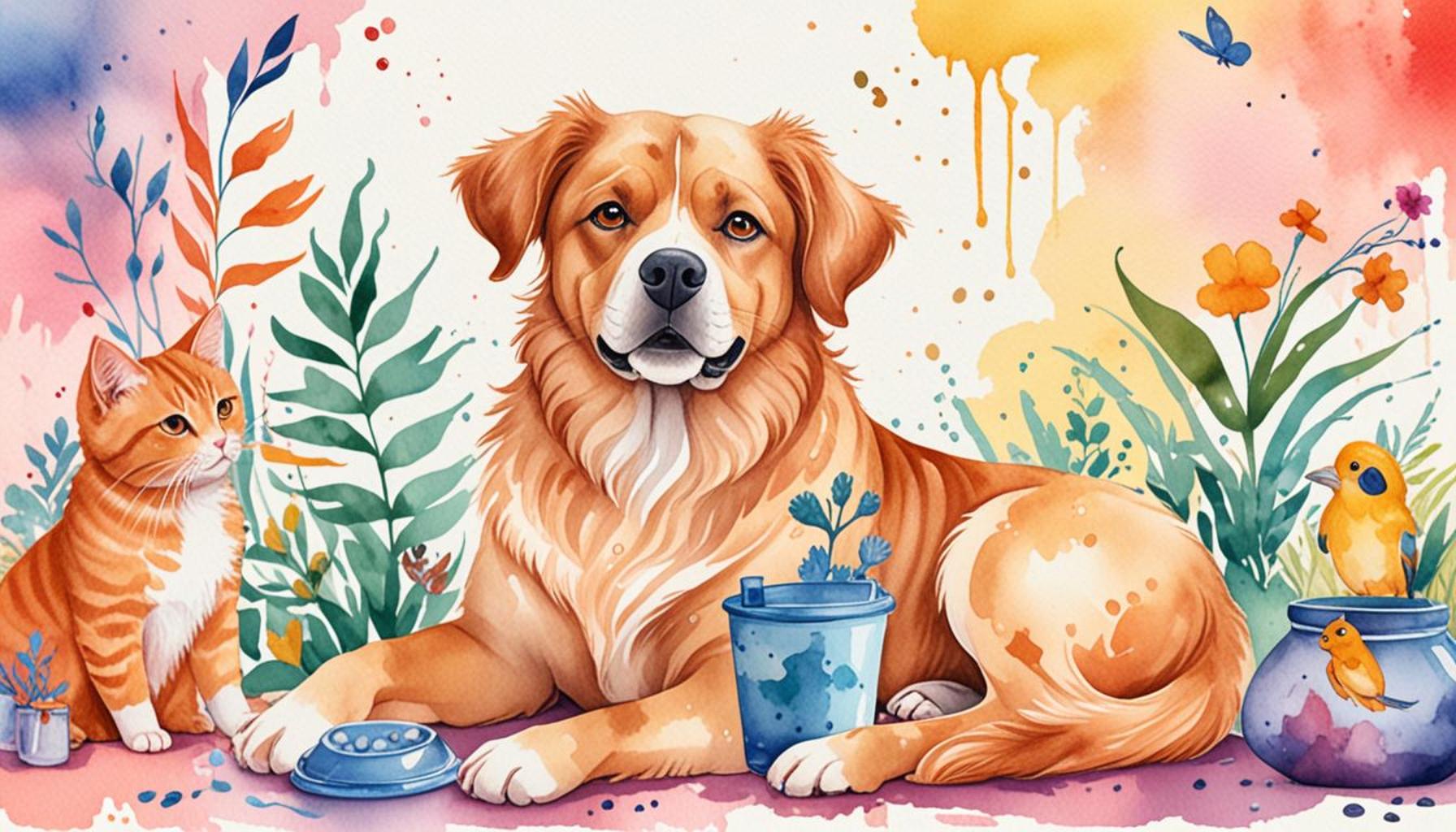
The relationship between humans and their pets is a fundamental aspect of society, shaped by a multitude of factors including culture, economics, and personal preferences. In Nigeria, the adoption of pets, particularly dogs and cats, is increasingly becoming a topic of discussion as societal norms evolve. This space offers a unique lens through which we can examine how human behaviors influence the decision to welcome furry companions into homes.
The Relevance of Understanding Pet Adoption Trends
With the rise of urban living, pet ownership in Nigeria is on the increase, prompting questions about what drives individuals to adopt animals. Factors such as increased awareness of animal welfare, economic status, and social media influence all contribute to this growing trend. Recognizing these drivers is crucial for fostering a responsible pet adoption culture.
What to Expect in This Article
In this article, we will explore the top five human behaviors that significantly impact pet adoption trends in Nigeria. From the role of social networks to personal lifestyle choices, each aspect reveals the complexities of why people choose to adopt pets. Prepare to discover insightful data and trends that offer a deeper understanding of this evolving phenomenon.
Top 5 Influences of Human Behavior on Pet Adoption in Nigeria
The dynamic landscape of Nigeria is undergoing a fascinating transformation when it comes to pet ownership and animal adoption. This shift is largely driven by various human behaviors that shape how individuals perceive and adopt pets. As urbanization spreads and global influences permeate Nigerian society, these factors are more evident than ever. Delving into the top five influences of human behavior on pet adoption practices in Nigeria reveals the intricate and evolving relationship between society and its furry companions.
5. Social Media Trends
It is no understatement to say that social media has become a powerful avenue for reshaping public behavior and perceptions globally. In Nigeria, platforms such as Instagram, Facebook, and Twitter have become inundated with adorable pet photos, engaging pet adoption success stories, and even viral videos showcasing the uniqueness of various animal breeds. These digital channels serve as entertainment hubs while simultaneously educating the populace on the responsibilities and joys intertwined with pet ownership.
The captivating allure of heartwarming stories about abandoned animals finding loving homes often sways users towards adoption. The visual cue of cute pets on these platforms triggers a positive association with adoption, encouraging others to emulate this heartening gesture. Furthermore, trending hashtags related to pet adoptions have a domino effect, turning one individual’s decision into a community-wide trend. Social media influencers and celebrities play a pivotal role in magnifying these trends, as their massive followings are more likely to adopt similar behaviors.
A striking example is the #AdoptDontShop campaign, which has gained traction worldwide and found its way into Nigeria. This digital movement not only champions the adoption of shelter animals but also raises awareness about the perils of overbreeding in commercial pet stores. Consequently, the influence of social media extends beyond mere entertainment to foster a culture of informed and compassionate pet ownership.
4. Cultural Perceptions of Animals
The culture of any nation plays a significant role in defining how animals are perceived. Historically, many communities across Nigeria viewed pets through a utilitarian lens — primarily as protectors, hunters, or work animals, rather than as companions. However, with the increasing wave of urbanization and exposure to global ideas, there is a noticeable shift in this perception.
More Nigerian families now embrace pets as integral members of the family unit, leading to a marked increase in adoption rates. This cultural shift has been bolstered by exposure to international pet culture, made accessible through travel and media consumption. This dawn of awareness highlights the importance of companionship that pets offer, reshaping the traditional roles they played in Nigerian society.
Education on pet welfare and responsibility is progressively challenging outdated notions, shifting the public’s mindset towards adoption. Various initiatives, including intercultural exchange programs and community education, have been instrumental in redefining pets from mere utilitarian creatures to cherished family members. The resulting change is a more compassionate approach to animal companionship, aligned with global standards of pet ownership.
3. Economic Factors
Economic conditions are a key determinant influencing pet adoption rates in Nigeria. On the one hand, as urban prosperity increases, more people find themselves able to afford veterinary care, premium pet food, and other essentials, thus making pet adoption a feasible consideration. On the other hand, economic uncertainties may lead individuals to adopt a more cautious attitude toward the financial commitments involved in owning a pet.
- Cost of Living: Owning a pet incurs significant costs, such as veterinary bills, food, grooming, and accessories. These expenses can discourage individuals in low-income areas from adopting pets.
- Availability of Resources: Access to veterinary services, pet supplies, and facilities like pet-friendly parks can influence the decision to adopt, as the absence of these resources might signal future challenges in pet ownership.
- Community Support: The presence of well-funded animal shelters and adoption initiatives greatly enhances adoption rates. These organizations often educate potential adopters and sometimes reduce or waive adoption fees to encourage pet adoption.
Animal welfare organizations have been proactive in addressing economic barriers, working to reduce adoption fees and create community resources — such as mobile veterinary clinics — that make pet care more accessible in economically challenged areas.
2. The Role of Educational Campaigns
Creating awareness is crucial for nurturing a thriving pet adoption culture. Educational campaigns led by animal welfare organizations in Nigeria play a pivotal role in elucidating the manifold benefits of pet adoption while dispelling enduring myths regarding pets. Such initiatives aim to bolster public understanding of responsible pet ownership, the imperative of spaying and neutering, and the real challenges and rewards of adopting a pet.
These organizations engage communities through workshops, school programs, and broader outreach activities to strengthen the human-animal bond. By promoting kindness and empathy towards animals, and encouraging families to prioritize adoption over purchasing pets, these campaigns significantly boost interest in pet adoption nationwide.
For instance, programs aimed at schoolchildren are particularly impactful, as they cultivate early appreciation and empathy towards animals. Additionally, these programs often feature interactive sessions with animals, which provide hands-on experience and foster lifelong commitments to responsible pet ownership.
1. The Emotional Connection to Pets
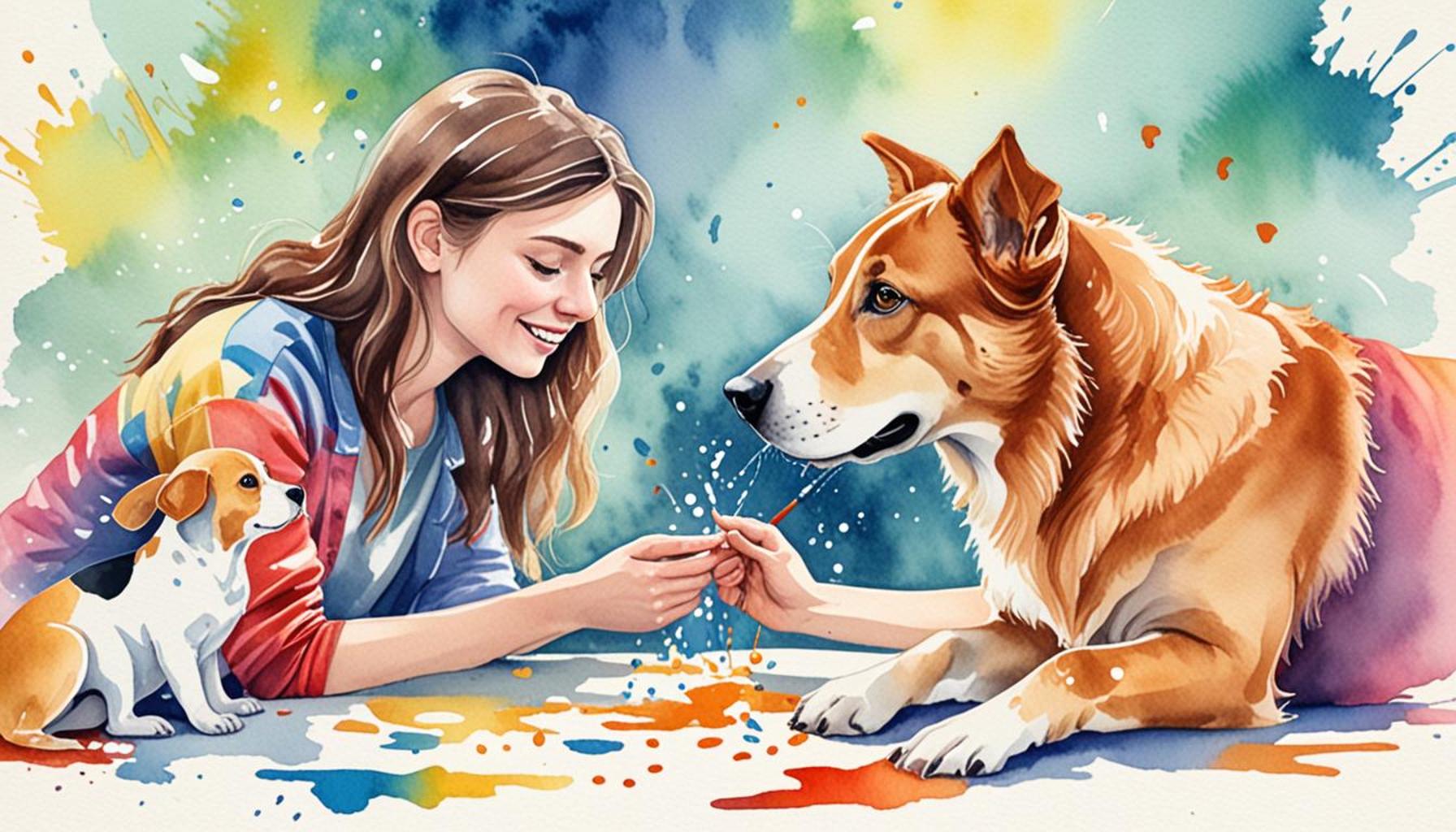
At the core of every pet adoption story is a profound emotional connection between humans and animals. Many individuals are motivated by a yearning for companionship and emotional intimacy. In Nigeria, compelling tales of rescue animals that triumph over adversity resonate deeply with potential adopters, evoking empathy and compassion.
The psychological benefits of owning a pet are immense, with studies showing that pets can foster happiness, reduce stress, and enhance overall well-being. Such intrinsic motivations often tip individuals toward adoption. Additionally, pet owners frequently become staunch advocates for adoption in their communities, leading by example and inspiring others to consider welcomes a furry friend into their homes.
Moreover, therapy animals are becoming a topic of interest in Nigerian society, as their therapeutic benefits for people with mental health challenges gain recognition. The presence of an animal can provide comfort, companionship, and a sense of purpose, offering a strong incentive for adoption.
Understanding these emotional drivers is essential for fostering a culture that promotes responsible pet adoption, ultimately heralding a brighter future for Nigeria’s beloved animals.
In conclusion, the influences of human behavior on pet adoption in Nigeria are multifaceted, ranging from social media trends to education and the deep-seated emotional connections individuals cultivate with pets. It is vital for society to continue strengthening these bonds while promoting responsible and compassionate pet ownership.
The second part of the body on the topic “A Influência do Comportamento Humano na Adoção de Animais de Estimação na Nigéria” delves into the various psychological and cultural factors that shape pet adoption trends in Nigeria. Understanding these influences is crucial for fostering a more humane and responsible approach to pet care and ownership.Human behavior significantly impacts the rate and manner in which individuals adopt pets in Nigeria. One primary factor is the socio-economic status of potential pet owners. Families with more financial resources often have a higher likelihood of adopting pets. Economic stability enables individuals to not only acquire pets but also provide for their ongoing needs such as food, veterinary care, and shelter. Research indicates that lower-income households may view pet ownership as a luxury rather than a necessity. Furthermore, cultural attitudes toward animals play a crucial role in shaping adoption patterns. In many Nigerian communities, animals are often perceived more as livestock or possessions rather than companions. This belief can restrict the willingness to adopt pets that are typically seen as family members in Western contexts. However, urban areas are gradually shifting these perceptions, with more individuals recognizing the emotional and psychological benefits of pet companionship.The level of awareness and education regarding animal welfare is also critical in influencing adoption behaviors. Campaigns aimed at educating the public about the responsibilities involved in pet ownership can lead to a significant increase in adoption rates. For instance, workshops focused on responsible pet care and the benefits of adopting from shelters can instill a sense of social responsibility in the community, encouraging more individuals to consider adopting rather than shopping for pets.Another impactful factor is the presence of support networks such as animal shelters and rescue organizations, which can provide the necessary resources and encouragement for potential adopters. These organizations not only facilitate the adoption process but also offer post-adoption support that can ease the transition for both the pet and the owner. By fostering a strong support system, these entities can positively influence human behavior towards adopting pets responsibly.In essence, the interplay of socio-economic factors, cultural attitudes, awareness of animal welfare, and support networks profoundly shapes the landscape of pet adoption in Nigeria. Understanding these dynamics can inform targeted strategies to promote responsible pet ownership and enhance the overall well-being of animals in the country, leading to a more humane society.
FAQs on the Influence of Human Behavior in Pet Adoption in Nigeria
What are the main factors influencing pet adoption behaviors in Nigeria?
Several factors influence pet adoption in Nigeria, including cultural perceptions, economic conditions, and educational exposure to animal welfare. For instance, in some communities, pets are seen solely as working animals rather than companions. Additionally, financial constraints often deter potential adopters due to the perceived costs of pet care. Education plays a crucial role; increased awareness of the benefits of pet ownership and animal rights can lead to higher adoption rates. The interplay of these factors shapes the overall behavior towards pet adoption in the region.
How does urbanization affect pet adoption trends in Nigeria?
Urbanization has a significant impact on pet adoption trends in Nigeria, as it brings about lifestyle changes that favor pet ownership. In urban areas, there is a growing trend of nuclear families seeking companionship through pets. The infrastructure in cities, such as veterinary clinics and pet stores, supports this trend. However, urban constraints can also present challenges, such as limited space for pets in densely populated areas. As cities expand, the adoption landscape continues to evolve, reflecting broader social changes.
Are there any specific animal welfare initiatives encouraging pet adoption in Nigeria?
Yes, several non-governmental organizations (NGOs) and community-driven initiatives are actively promoting animal welfare and encouraging pet adoption. These organizations focus on raising awareness about the humane treatment of animals and provide resources for potential pet owners. Programs often include animal rescue services, pet fairs, and educational campaigns. Efforts are made to bridge cultural gaps and dispel myths associated with pet ownership, emphasizing the mutual benefits of adopting pets.
How does economic disparity influence pet adoption in Nigeria?
Economic disparity plays a critical role in pet adoption behaviors, as families with lower incomes may struggle with the costs associated with pet care, such as food, healthcare, and shelter. This financial burden leads to a lower adoption rate in economically challenged areas. However, some NGOs address this issue by offering subsidized veterinary services and building community support networks. These initiatives aim to make pet ownership more accessible to diverse economic groups, attempting to level the playing field.
Conclusion
The adoption of pets in Nigeria is significantly influenced by human behavior, a dynamic interplay of cultural, economic, and psychological factors. As discussed, the growing trend of pet ownership is closely tied to evolving social norms and the increasing recognition of the emotional and health benefits that pets provide to their owners. These factors play a pivotal role in shaping the public’s perception and attitude toward pet adoption.
From the article, it is clear that economic considerations are a substantial barrier to pet adoption for many Nigerians. The costs of pet care, including food, veterinary services, and maintenance, can deter individuals from adopting. However, as disposable incomes rise and awareness campaigns gain traction, there is potential for a change in this trend.
The importance of public education cannot be underestimated in this context. As Nigerians become more informed about animal welfare and the responsible ownership of pets, the rate of pet adoption is likely to increase. Educational initiatives aimed at dispelling myths and promoting the positive impacts of pet companionship could be key in encouraging widespread adoption.
The Role of Community and Support Networks
Furthermore, the establishment of communities and support networks for pet owners could provide additional motivation and resources for prospective adopters. Such networks offer shared experiences, advice, and emotional support, enhancing the pet ownership experience.
In conclusion, understanding the human factors that contribute to pet adoption in Nigeria offers valuable insights into improving adoption rates and ensuring that pets find loving and suitable homes. This multifaceted issue requires ongoing attention and proactive measures to adapt to changing cultural and economic landscapes. As awareness and resources improve, Nigeria could witness a significant shift in how pets are perceived and integrated into society. Exploring these dynamics not only fosters a deeper appreciation for pets but also highlights the intricate bond between humans and animals, paving the way for a more compassionate and inclusive approach to pet adoption.