Impact of Nutrition on the Mental Health of Pets

The Importance of Nutrition for Pet Well-being
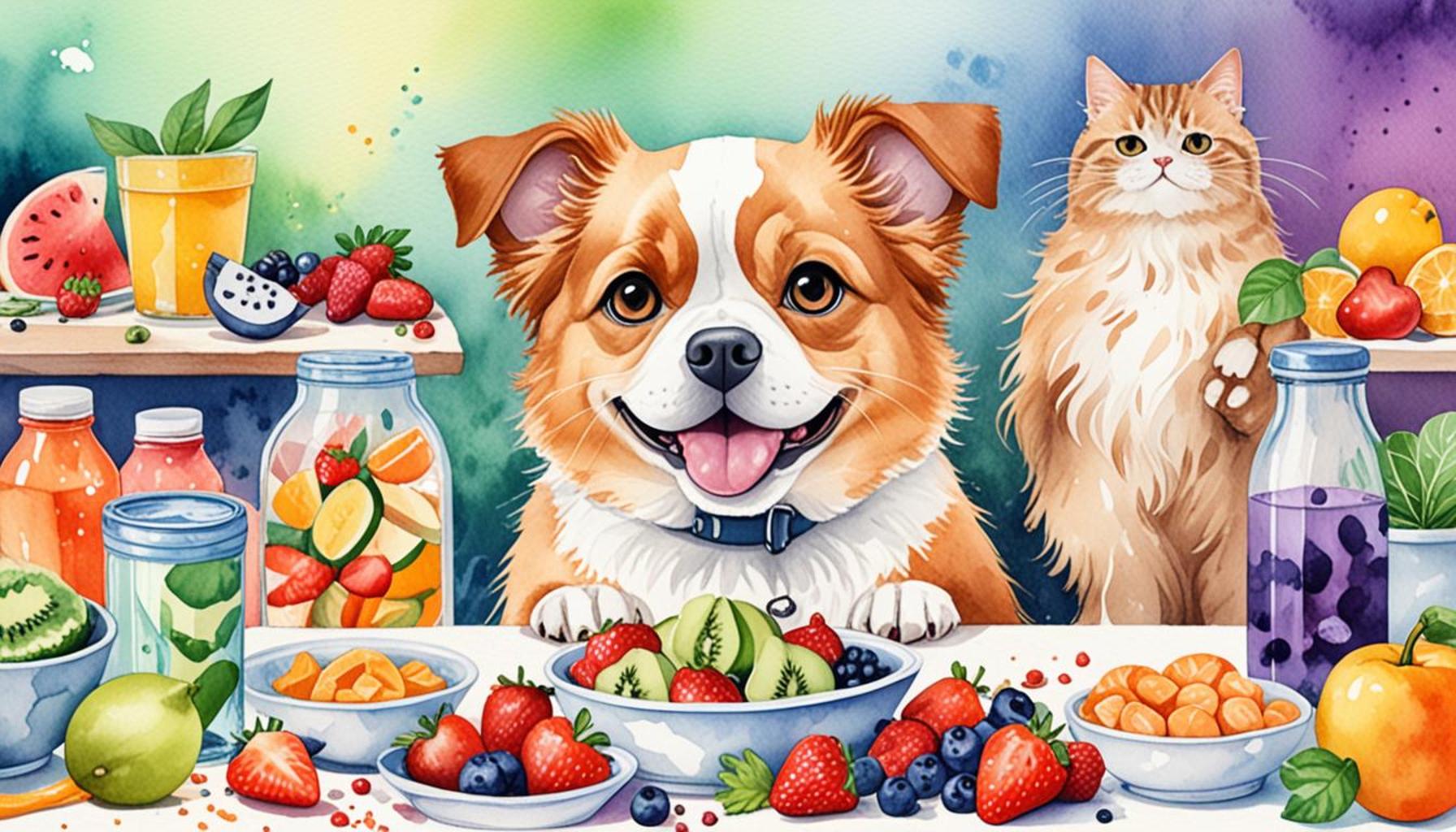
As pet owners, we often focus on providing our furry companions with love, exercise, and shelter. However, one vital aspect that can significantly influence their overall quality of life is nutrition. A proper diet does not only maintain physical health; it also plays a crucial role in the mental well-being of pets. Research shows that what our pets consume can affect their mood, behavior, and even cognitive functions.
A balanced diet is foundational to fostering emotional stability in pets. For example, a diet rich in essential nutrients, such as proteins, carbohydrates, vitamins, and minerals, is vital for preventing anxiety and depression in pets. Advertisements often highlight pet foods that promise happiness, but understanding the ingredients is vital. A blend rich in whole meats and healthy grains can be especially beneficial. For instance, local ingredients such as beans and yam can be healthy additions to homemade pet meals when prepared correctly.
Moreover, the inclusion of fatty acids, particularly Omega-3 and Omega-6, is linked to better mental health in animals. These essential fatty acids can be found in fish oil and flaxseed oil, which can enhance energy levels and promote a calm demeanor in pets. For pet owners in Nigeria, incorporating fish into their pets’ diets not only pays homage to local cuisine but also provides these vital nutrients.
- Specific Ingredients: Ingredients like probiotics and antioxidants support brain health. Probiotics, found in yogurt, can aid digestion while also influencing behavior positively. Antioxidants from fruits like blueberries and vegetables like spinach may improve cognitive function and ultimately lead to a happier pet.
In Nigeria, where traditional foods like rice and fish are commonly shared with pets, understanding the impact of nutrition becomes even more pertinent. While rice can provide carbohydrates for energy, care must be taken to avoid excessive portions that might lead to obesity. Additionally, many common human experiences, such as feeding pets during mealtime, can lead to unhealthy habits if not kept in check.
As we delve deeper into the relationship between nutrition and mental health in pets, we will uncover intriguing findings and practical suggestions for pet owners. Recognizing the connection between diet and behavior can lead to revolutionary changes in how we care for our furry friends, steering us towards a more informed and proactive approach to their overall well-being. By exploring these dietary influences and adjusting our pets’ meals accordingly, we can contribute positively to their mental health, making for happier, healthier companions.
Nutritional Building Blocks for Mental Health
Nutrition lays the groundwork for not just the physical health of pets but also their mental wellness. Pet owners may be surprised to learn that what goes into their pet’s bowl can directly influence their behavior and emotional state. For instance, certain nutrients are known to support brain function and stability in mood, effectively bridging the gap between diet and emotional well-being. Understanding these components is crucial in creating a fun, vibrant environment in which pets can thrive.
- Amino Acids: These are the building blocks of proteins and play a significant role in brain health. Amino acids like tryptophan and tyrosine are precursors to serotonin and dopamine, neurotransmitters that regulate mood. Ensuring that a diet includes quality protein sources such as chicken, beef, or fish can help to boost your pet’s mental state.
- Vitamins and Minerals: Vitamins such as Vitamin B complex have been shown to contribute to brain health. Studies indicate that deficiencies in these vitamins can lead to aggression and anxiety. Incorporating foods that are rich in B vitamins, like leafy greens and whole grains, can counteract these deficiencies and promote calmness.
- Fiber: High-fiber diets contribute to gut health, which is increasingly linked to mental health. A healthy gut can help in reducing anxiety in pets, as a significant portion of serotonin is synthesized in the gastrointestinal tract. Including vegetables, fruits, and high-quality grain sources can provide the necessary fiber to support mental health.
In Nigeria, where many households have access to local produce, the opportunity to enhance pet nutrition is readily available. Traditional foods that are common in Nigerian diets, such as yam and plantains, can be great additions to a pet’s meal. These ingredients not only offer variety but are also rich in many essential nutrients that support mood stabilization and overall mental wellness.
Furthermore, pet owners must be aware of the dangers posed by certain human foods that may seem innocuous. For example, feeding pets excessively processed food or those rich in sugars can lead to behavioral issues like hyperactivity and anxiety. Understanding ingredient labels on pet food is vital, as many popular brands contain fillers lacking any nutritional value. Therefore, investing time in choosing high-quality, nutrient-rich food can provide pets with not just energy, but emotional resilience as well.
In summary, the connection between nutrition and mental health in pets cannot be overstated. As we become more informed about the specific nutrients that influence mood and behavior, we can make better dietary choices that foster happier, healthier companions. By addressing these nutritional needs, pet owners in Nigeria can create environments where their pets thrive both physically and emotionally, ensuring that their four-legged family members lead fulfilled lives.
Understanding the Connection: Nutrition and Mental Health in Pets
The impact of nutrition on the mental health of pets is a multifaceted topic that deserves thorough exploration. Pet owners often overlook the fact that a dog or cat’s emotional well-being is closely tied to their diet. Recent studies reveal that specific nutrients can significantly influence mood, behavior, and overall mental health. For instance, omega-3 fatty acids, commonly found in fish, have been linked to reduced anxiety levels and improved cognitive function in pets.
Moreover, the role of carbohydrates cannot be understated. High-quality carbohydrates can help regulate blood sugar levels, which is crucial for maintaining a stable mood. A balanced diet that includes essential vitamins and minerals can also enhance neurotransmitter function, leading to a happier and more stable pet.
Pet food companies are now incorporating these findings into their products, creating diets tailored to improve mental health. Ingredients such as probiotics, which support gut health, are also gaining attention. A healthy gut is directly associated with mental health, often referred to as the “gut-brain axis.” Therefore, ensuring your pet receives a nutritionally sound diet could serve as a preventive measure against anxiety and stress-related disorders.
| Category | Key Features |
|---|---|
| Nutrient-rich diets | Enhances mood and cognitive function |
| Balanced carbohydrates | Regulates blood sugar for stable emotions |
Understanding these nutritional components can equip pet owners with the knowledge needed to make informed decisions regarding their furry friends’ diets. Regular consultations with a veterinarian can further aid in creating an optimal nutrition plan tailored to enhance both physical and mental health.
Linking Diet with Behavioral Outcomes
As we delve deeper into the impact of nutrition on the mental health of pets, it becomes essential to recognize how specific dietary choices can lead to tangible behavioral outcomes. Numerous studies illustrate the connection between the diet and behavior of pets, revealing how the right foods can positively influence mood, energy levels, and overall disposition.
The role of omega-3 fatty acids is particularly noteworthy in this discussion. Found abundantly in fish oils, these fatty acids are linked to improved cognitive function and emotional stability. Research has shown that omega-3 supplementation can significantly reduce anxiety in pets, leading to lower instances of destructive behavior and better social interactions. For pet owners in Nigeria, incorporating local fish varieties into their pets’ diets can provide an affordable and effective means to enhance mental health.
Moreover, recent investigations into the gut-brain axis highlight fascinating connections between gastrointestinal health and mental well-being. The gut microbiome, which is influenced by diet, has been shown to play a crucial role in mood regulation. A balanced diet rich in probiotics—found in fermented foods like yogurt—could aid in cultivating a healthy gut flora. This, in turn, can lead to reduced levels of stress and anxiety in pets, allowing them to lead a more relaxed and cheerful life.
Behavioral Signs to Watch Out For
Understanding the intersection of nutrition and behavioral health also involves recognizing signs that indicate a need for dietary adjustments. Common behavioral issues such as excessive barking, digging, and chewing may be rooted in dietary deficiencies. For instance, a lack of specific vitamins and minerals could cause restlessness and irritability. Observing these behaviors can prompt pet owners to reassess their pets’ diets and explore new supplements or food options that could aid in stabilizing their emotional states.
- Excessive Barking: Often, this can signal anxiety or boredom. A nutrient-rich diet that promotes a calm demeanor may mitigate such behaviors.
- Aggression: Important vitamins and minerals play a role in maintaining balanced neurochemical levels. Incorporating nutrient-dense foods can help reduce aggressive behaviors.
- Withdrawal: Pets that seem lethargic or detached might be lacking essential nutrients. A revitalizing diet could rekindle their enthusiasm for play and interaction.
The Role of Hydration
Another often-overlooked aspect of pet nutrition is hydration. Adequate water intake is vital for maintaining cognitive function. Dehydration can lead to confusion, lethargy, and irritability in pets, mimicking signs of depression or anxiety. In Nigeria’s warm climate, where hydration can be easily neglected, pet owners should ensure access to fresh water at all times. Hydration not only supports physical health but is also critical for optimal mental health.
Additionally, pet owners should be cautious with treats. While the occasional reward can reinforce good behavior, treats high in sugar or artificial ingredients can lead to hyperactivity and stress. By opting for healthier, natural alternatives—such as raw vegetables or bits of fruit—pet owners can help manage their pets’ weight while promoting a more stable mood.
In conclusion, recognizing the profound impact of nutrition on the mental health of pets presents an opportunity for pet owners to actively contribute to their furry companions’ emotional well-being. From understanding the importance of omega-3 fatty acids and probiotics to monitoring hydration and behavioral signs, the decisions pet owners make at mealtime can significantly influence their pets’ mental state. A proactive approach to pet nutrition can result in lasting benefits, creating a happier and more fulfilled life for pets and their owners alike.
Conclusion
Throughout this exploration of the impact of nutrition on the mental health of pets, we have uncovered a fascinating interplay between dietary choices and the emotional well-being of our furry friends. The importance of providing a balanced diet rich in essential nutrients is not merely about physical health; it significantly influences mood, behavior, and overall happiness. From the notable effects of omega-3 fatty acids on reducing anxiety to the crucial connections established by the gut-brain axis, the right food can act as a catalyst for better mental health.
Additionally, recognizing behavioral signs and adjusting diets accordingly can help in identifying potential deficiencies that might hinder your pet’s emotional stability. Pet owners in Nigeria, in particular, have access to a variety of local foods that can serve as both a healthy diet and a therapeutic resource, thereby improving their pets’ quality of life. Moreover, ensuring adequate hydration and selecting natural treat options can further support mental health and emotional resilience.
In essence, a thoughtful and informed approach to pet nutrition is essential. As we deepen our understanding of how nutrition influences mental health, we empower ourselves to make choices that not only enhance our pets’ physical conditions but also foster their emotional contentment. By committing to nurturing their mental well-being through diet, pet owners can cultivate a happier, more vibrant environment for their beloved companions—the ultimate goal for any pet parent.