Impact of Owner-Pet Interactions on Animal Behavior in Nigeria

Understanding the Dynamics of Owner-Pet Relationships
The relationship between pet owners and their animals plays a crucial role in shaping the well-being and behavior of pets, particularly in a diverse country like Nigeria. As urbanization rises and lifestyles change, these interactions can significantly influence not only the mental and emotional health of animals but also their social behavior and adaptability. Exploring these dynamics sheds light on how local culture and practices affect our furry companions.
Why This Topic Matters
The insights gained from studying owner-pet interactions are vital for numerous reasons:
- Promotes Animal Welfare: Understanding these interactions can lead to better care strategies for pets.
- Enhances Human Connections: Stronger bonds with pets can improve the well-being of both parties.
- Encourages Responsible Ownership: Educating owners on the right behaviors fosters a healthier environment for animals.
The Journey Ahead
This article not only examines the various factors that impact animal behavior in Nigeria but also offers a rank of the top five interactions that significantly influence the relationship between pets and their owners. Get ready to explore how your relationship with your pet can evolve with knowledge and awareness.
Top 5 Ways Owner-Pet Interactions Impact Animal Behavior and Well-Being in Nigeria
Understanding the dynamics of owner-pet relationships is crucial, not just for ensuring the happiness of our beloved companions but also for shaping their behavior and overall health. Nigeria, with its diverse range of pets and cultural attitudes towards animals, offers a unique lens through which we can explore these important interactions. In this article, we will rank and discuss the top five ways in which these interactions affect pets in Nigeria, highlighting the nuances that arise from different ownership styles and societal influences.
5. The Role of Attention and Affection
In the vibrant homes of Nigeria, where pets often hold a special place in family life, attention and affection are crucial for fostering healthy and well-adjusted animals. It’s no secret that pets thrive on the positive attention they receive from their owners. In this context, affection does more than just make a pet feel loved; it has a profound impact on their emotional and behavioral state.
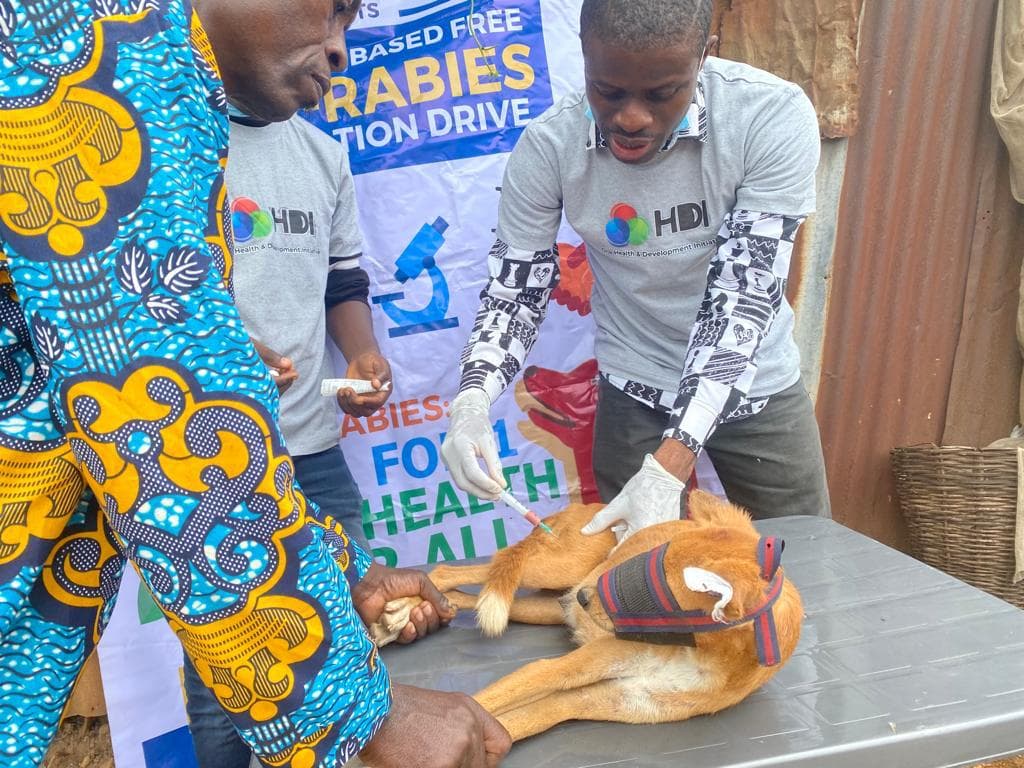
Consider a typical Nigerian household with dogs or cats. The act of petting or cuddling not only builds trust but also strengthens the social bond between humans and animals. This relationship is often reflected in the pet’s outward behavior. For instance, pets that receive consistent and loving attention are generally more sociable and less prone to anxiety.
- Positive interactions, such as petting or cuddling, are vital in building trust.
- Affectionate pets tend to display better behavior in public settings, showcasing their calm demeanor and confidence.
- A lack of attention might lead to undesirable behaviors such as incessant barking or even destructive tendencies.
The absence of adequate affection can result in stressed and behaviorally challenged pets, emphasizing the importance of nurturing environments where pets feel secure and loved.
4. Training Methods and Their Impact
The approach to training pets significantly influences their behavior and relationship with their owners. In Nigeria, the spectrum of training methods can vary widely, reflecting the individual or cultural outlook of the owners. A positive reinforcement approach, involving rewards like treats or verbal praise for good behavior, not only encourages pets but also strengthens the owner-pet bond, leading to a trusting and obedient companion.
Conversely, harsh training methods, often driven by impatience or outdated beliefs, can instill fear and anxiety in animals, damaging the trust necessary for effective training. Owners who engage in humane training practices generally note:
- A more willing and responsive pet, eager to engage during training sessions.
- Decreased occurrences of aggression or fear-based reactions, reflecting a happier and more relaxed animal.
- Enhanced emotional bonds, fostering improved communication and understanding.
These methods often mirror broader cultural attitudes within Nigeria, with some communities favoring traditional methods, while others embrace modern, compassionate training practices.
3. Socialization Opportunities
Socialization forms a critical component of a pet’s upbringing, particularly for dogs, where exposure to a variety of environments, people, and animals greatly aids in their adjustment and behavior. In Nigeria, where urban and rural settings provide differing environments, the opportunities for socialization can dramatically affect a pet’s development.
Regular socialization leads to well-adjusted pets who can handle the unpredictability of new environments and interactions with ease. Surveys among Nigerian dog owners indicate that regular interactions, especially with other dogs and people, contribute significantly to a pet’s mental and emotional health.
- Pets exhibit less anxiety in unfamiliar situations, becoming comfortable and composed.
- Improved behavior during outings or gatherings, demonstrating good manners and calmness.
- Enhanced adaptability and confidence, reflecting a strong, secure character.
Urban areas tend to provide more socialization opportunities; however, rural pets may require owners to take the initiative to ensure varied experiences.
2. Physical Activity Levels
The direct correlation between a pet’s physical activity and its health and behavioral tendencies should not be underestimated. In Nigeria, where pets are often considered part of the family, the emphasis on physical activity—be it through walks, active play, or other forms of exercise—is crucial for their overall well-being.
Regular exercise offers numerous benefits, from boosting physical health to improving behavioral traits. Pets that participate in daily activities tend to be healthier and happier, while also exhibiting better behavior.
- Improved physical health and stamina, contributing to a longer and healthier lifespan.
- Reduced risk of obesity-related conditions, which can severely impact quality of life.
- Better behavioral patterns, including reduced anxiety and frustration-induced behaviors.
In areas where outdoor space is limited, especially urban settings, owners must find creative solutions—such as indoor play areas or organized pet gatherings—to ensure adequate physical activities for their pets.
1. Quality of Owner-Pet Relationships
At the heart of all these interactions lies the quality of the owner-pet relationship itself. In Nigeria, a strong, positive, and loving bond between owners and pets can lead to remarkable changes in an animal’s behavior and well-being. Studies highlight that pets with solid attachments to their owners often display:
- Greater loyalty and attachment, marked by a deep connection and willingness to please.
- Reduced anxiety and fear-based behaviors, paving the way for a stress-free life.
- Increased willingness to learn and obey commands, resulting in a harmonious household environment.
This bond is fundamental to creating a nurturing space where pets feel both mentally and emotionally secure. In various Nigerian households, the richness of these relationships is evident in the joyful interaction and mutual respect shared between pets and their families, demonstrating the profound impact of love and care.
| Category | Description |
|---|---|
| Socialization Opportunities | Regular interaction between pets and their owners enhances social skills in animals, allowing them to navigate their environment more effectively. |
| Behavioral Stability | Consistent owner engagement typically leads to improved behavior, as pets become accustomed to commands, routines, and household rules, reducing anxiety and stress levels. |
| Mental Stimulation | Activities with owners, like training or playtime, provide essential mental stimulation that can prevent boredom-related behaviors and encourage cognitive development. |
| Physical Health | Regular walks and exercise, dictated by owner-pet interactions, greatly contribute to physical wellbeing, helping to combat obesity and other health issues in pets. |
In Nigeria, the relationship that pet owners cultivate with their animals can significantly impact the overall well-being of the pets. The interactive dynamics between humans and their furry companions play a critical role in shaping not only the behavior but also the emotional health of these animals.Socialization opportunities arise when pets are frequently exposed to various environments and other animals through their owners. Such interactions enhance pets’ social skills, ultimately leading to more confident and well-adjusted animals that can comfortably navigate their surroundings, reducing the likelihood of aggressive or fearful behaviors.Behavioral stability is often achieved when pets are included in daily routines, enjoying consistent training and positive reinforcement from their owners. This structured approach helps pets establish a sense of security and predictability in their lives, which is paramount for their emotional health. Moreover, these pets exhibit calmer behaviors and are more likely to follow instructions, minimizing the challenges often faced by pet owners in managing their animals.Additionally, mental stimulation is a vital component in the interaction between pets and their owners. Engaging in diverse activities, such as puzzle toys, tricks, or even simple play sessions, actively challenges a pet’s cognitive abilities. This enrichment not only combats boredom but also nurtures a pet’s problem-solving skills, creating a more vibrant and healthy mind.Furthermore, regular physical exercise is essential for maintaining a pet’s health. When owners take initiative to walk their dogs or play with their cats, they actively contribute to their pets’ physical fitness. A sturdy routine of physical activity can prevent numerous health concerns, including obesity and obesity-related issues, fostering a long, active, and happy life for pets.The intertwined relationship between pets and their owners in Nigeria illustrates the profound effects that positive interactions can have on the behavior and wellbeing of animals. Far beyond mere companionship, these dynamics inform and shape the very core of an animal’s existence, promoting an environment of health, safety, and happiness.
Frequently Asked Questions about Owner-Pet Interactions in Nigeria
How do owner-pet interactions influence the behavior of animals in Nigeria?
Owner-pet interactions play a crucial role in shaping the behavior of animals. Studies suggest that pets who receive consistent affection and positive reinforcement from their owners typically display more sociable behaviors. In Nigeria, where pets are often part of the family unit, these interactions can significantly impact the animal’s ability to adapt to new environments and respond to training.
What are the common challenges faced by pet owners in Nigeria regarding animal welfare?
Pet owners in Nigeria often face challenges such as access to veterinary care, proper nutrition, and safe living conditions for their animals. Economic constraints may also limit the ability to provide adequate training and socialization, which are essential for the well-being of pets. Addressing these challenges requires a collaborative effort between governments, NGOs, and communities.
Are there cultural factors in Nigeria that affect owner-pet relationships?
Yes, cultural factors significantly influence how pets are perceived and treated in Nigeria. For instance, pets are sometimes seen as status symbols, which might lead owners to focus more on the aesthetic and financial aspects of pet ownership rather than the animal’s emotional needs. Understanding and bridging these cultural perceptions can improve overall welfare and behavior of pets.
What types of pets are most commonly kept in Nigerian households, and how does this affect their interaction?
Dogs, cats, and birds are among the most common pets in Nigerian households. Each species requires different types of interactions and care. For instance, dogs typically require more physical activity and human interaction, whereas cats might thrive with more independence. The diversity in pet types necessitates customized care strategies to improve the interaction and welfare of each animal.
Conclusion
The intricate dance between pets and their owners in Nigeria unveils a multifaceted relationship that deeply influences the behavior and well-being of animals. As we explored throughout the article, the nature of these interactions is shaped significantly by cultural dynamics, socioeconomic factors, and the growing awareness of pet welfare.
One key takeaway is that positive, nurturing interactions between owners and their pets can enhance the overall well-being and mental health of animals, fostering behaviors that are more sociable and less anxious. On the contrary, any form of neglect or negative engagement can lead to stress-induced behaviors and diminish the quality of life for pets.
Moreover, the increasing popularity of pets in urban centers across Nigeria highlights a burgeoning interest in animal welfare. This shift necessitates an informed approach to pet ownership, where understanding the needs and nature of different domesticated animals becomes crucial. Additionally, the role of veterinary services and education plays a pivotal part in supporting pet welfare.
Ultimately, the relationship between humans and their pets is not merely a personal affair but a reflection of broader societal values and norms. By nurturing responsible pet ownership and promoting awareness, we can enhance the lives of pets and their owners alike, paving the way for healthier and more harmonious cohabitation.
The importance of understanding these dynamics cannot be overstated, as they hold the key to ensuring that our furry companions thrive in the environments we create for them. Through sustained research and advocacy, we can continue to uncover the profound impact of these interactions and foster a more empathetic approach to how we coexist with animals in Nigeria and beyond.