
Management Strategies for Health in Elderly Pets: Specific Care for the Nigerian Population
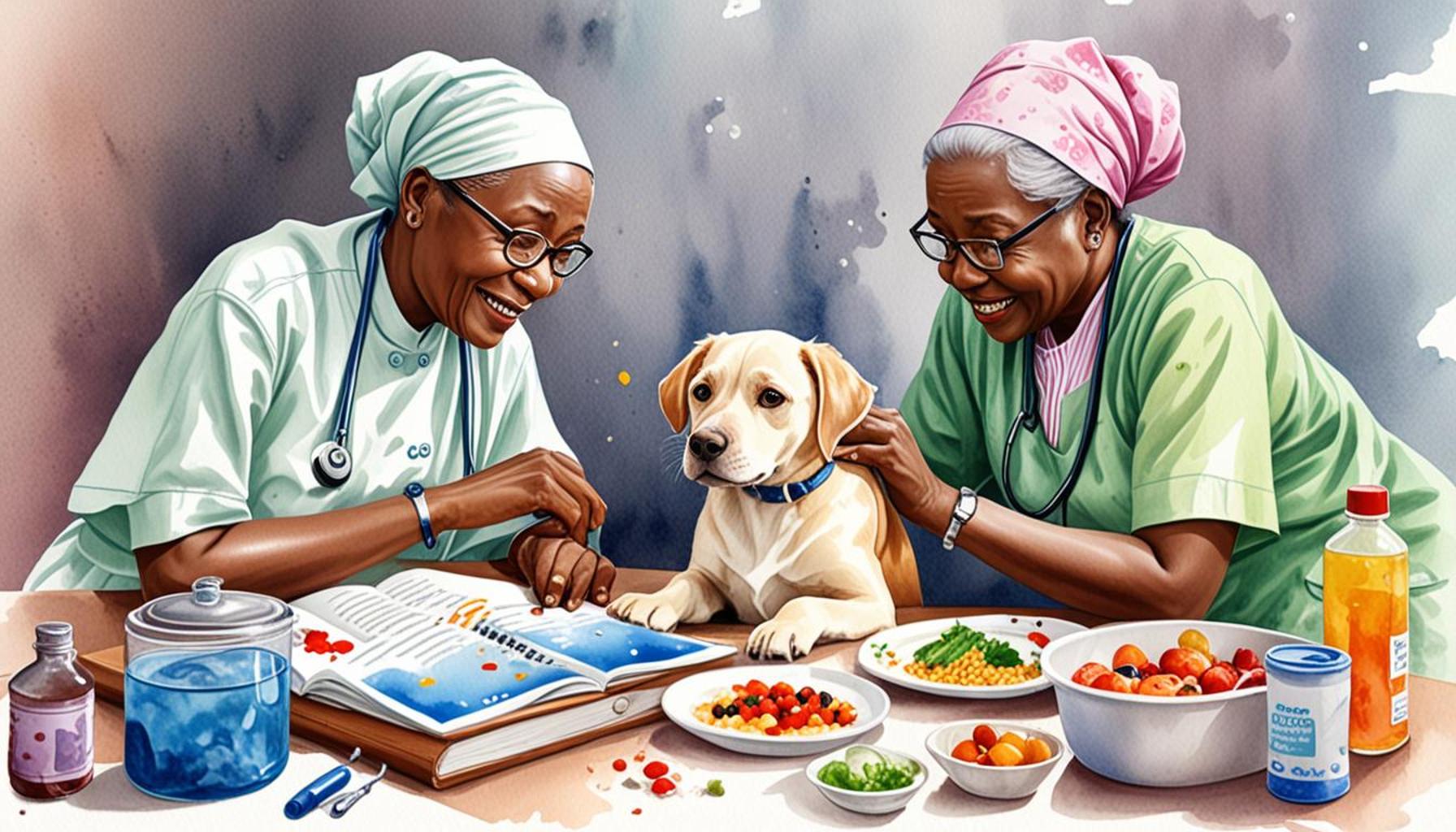
Understanding the Unique Needs of Elderly Pets
The growing affection for pets across Nigerian homes is evident, and with this surge comes the responsibility of providing specialized care, particularly for elderly pets. These beloved companions experience changes as they age—physiologically and emotionally—that require distinct management strategies compared to their younger counterparts. Pet owners must thoroughly understand these evolving needs to ensure their furry friends maintain optimal health and longevity.
Nutrition: The Cornerstone of Senior Care
One of the most critical aspects of caring for aging pets is nutrition. As pets grow older, their metabolic rates often decline, leading to potential weight gain if their calorie intake remains unchanged. This necessitates adjustments in their diet, often with more emphasis on increased fiber to aid digestion and help prevent obesity, which is prevalent among senior dogs and cats. Additionally, senior pets may benefit from diets that incorporate omega fatty acids, which support joint health—an area of concern as arthritis becomes more common.
For example, brands like Hills Science Diet and Royal Canin offer specialized diets formulated for older pets, providing the essential nutrients needed for aging bodies. It’s crucial for pet owners to collaborate with veterinarians to select the right diet tailored to their pet’s specific health challenges.
Physical Health: The Role of Regular Veterinary Care
Another vital element in managing elderly pets is their physical health. Regular veterinary check-ups become increasingly important as pets age. These visits allow veterinarians to monitor chronic conditions such as arthritis, diabetes, and dental diseases, which can significantly affect an elderly pet’s quality of life. The earlier these conditions are detected, the more manageable they become.
For instance, many dogs develop osteoarthritis, which can cause painful mobility issues. Routine blood tests alongside consultations can help track these ailments and guide appropriate treatment plans. In a country like Nigeria, where access to specialized veterinary services might vary, pet owners should seek out clinics with advanced facilities or well-trained professionals who understand geriatric pet care.

Mental Well-being: Engaging the Mind
Pet owners should also focus on the mental well-being of their elderly pets. Just as physical activity is essential, mental stimulation plays a crucial role in preventing cognitive decline. Simple activities like puzzle toys, short training sessions, or interactive feeding can keep the mind engaged and active. Social interactions, both with humans and other pets, contribute to mental health and can alleviate feelings of loneliness that aging pets may experience.
Cultural Considerations: Adapting Practices to Local Context
In Nigeria, understanding cultural aspects around pet ownership and local resources is essential for tailoring management strategies. For example, community support systems, such as local pet groups or veterinary outreach programs, can provide significant assistance in disseminating information about preventive care and management of elderly pets. By educating pet owners through workshops or outreach initiatives, we can enhance the overall health and well-being of senior pets.
Conclusion
In conclusion, by comprehensively addressing nutrition, physical health, and mental well-being, pet owners in Nigeria can markedly improve the quality of life for their elderly companions. Ensuring that pets receive proper care in these areas requires collaboration with veterinary professionals, awareness of cultural nuances, and community involvement. As we deepen our understanding, we empower ourselves and foster environments where our aging pets can thrive, ultimately leading to fuller, happier lives.
Nutrition: The Cornerstone of Senior Care
One of the most critical aspects of caring for aging pets is nutrition. As pets grow older, their metabolic rates often decline, leading to potential weight gain if their calorie intake remains unchanged. This necessitates adjustments in their diet, often with more emphasis on increased fiber to aid digestion and help prevent obesity, which is prevalent among senior dogs and cats. In Nigeria, a nation where feeding practices vary widely, pet owners should prioritize high-quality commercial dog food supplemented with locally sourced ingredients, such as cooked chicken, fish, and vegetables, to create balanced meals that support senior health.
Furthermore, senior pets may benefit from diets that incorporate omega fatty acids, which support joint health—an area of concern as arthritis becomes more common among aging pets. Foods enriched with glucosamine can also help provide joint support, mitigating discomfort and maintaining mobility.
For example, brands like Hills Science Diet and Royal Canin offer specialized diets formulated for older pets, providing the essential nutrients needed for aging bodies. It’s crucial for pet owners to collaborate with veterinarians to select the right diet tailored to their pet’s specific health challenges. Local veterinarians often have insights into the needs of local breeds, which can be particularly useful in diet formulation.
Physical Health: The Role of Regular Veterinary Care
Another vital element in managing elderly pets is their physical health. Regular veterinary check-ups become increasingly important as pets age. These visits allow veterinarians to monitor chronic conditions such as arthritis, diabetes, and dental diseases, which can significantly affect an elderly pet’s quality of life. In many Nigerian urban areas, access to veterinary services has improved but may still pose challenges in rural regions. Pet owners should aim for at least biannual examinations for senior pets, so emerging health issues can be caught early.
For instance, many dogs develop osteoarthritis, which can cause painful mobility issues. Routine blood tests alongside consultations can help track these ailments and guide appropriate treatment plans. Additionally, pet owners must be vigilant about signs of common problems, including:
- Increased drinking or urination, which may indicate diabetes.
- Changes in appetite or weight, which can signal underlying health problems.
- Unexpected lethargy or reluctance to engage in regular activities, indicating pain or discomfort.
In a country like Nigeria, where access to specialized veterinary services might vary, pet owners should seek out clinics with advanced facilities or well-trained professionals who understand geriatric pet care. Engaging with community-based organizations or veterinary outreach initiatives can also provide additional support, ensuring elderly pets receive the necessary attention.
Mental Well-being: Engaging the Mind
Pet owners should also focus on the mental well-being of their elderly pets. Just as physical activity is essential, mental stimulation plays a crucial role in preventing cognitive decline. Simple activities such as puzzle toys, short training sessions, or interactive feeding can keep the mind engaged and active. Social interactions, both with humans and other pets, contribute to mental health and can alleviate feelings of loneliness that aging pets may experience. In local communities, organizing playdates or fostering connections among pet owners can enhance the social dynamics for elderly pets, contributing to their overall happiness and well-being.
| Advantage | Details |
|---|---|
| Enhanced Quality of Life | Effective management strategies can dramatically improve the well-being of elderly pets, enhancing their comfort and joy. |
| Prevention of Diseases | While providing targeted health care, owners can prevent common ailments that afflict older pets, thus prolonging their lives. |
Promoting health in elderly pets requires a comprehensive understanding of their unique needs. Within the Nigerian context, where there is a diverse range of breeds and mixed ancestry, ensuring appropriate management plans tailored to individual pets becomes vital. The integration of conditioning exercises and tailored diets can provide the necessary support to maintain their energy and vitality. Engaging local veterinarians who understand not just general practices but also the specific challenges faced by Nigerian households can significantly contribute to successful outcomes.Furthermore, education on recognizing symptoms of age-related conditions, such as arthritis or dental issues, empowers pet owners to seek timely interventions. Research indicates that early detection and consistent monitoring can mitigate the progression of numerous geriatric conditions, thus providing deeper insights into the importance of regular check-ups. Lastly, creating awareness around mental stimulation strategies not only enhances their quality of life but can also engage elderly pets in meaningful activities, reviving their spirits and connecting them closely with their caregivers.
Environmental Considerations: Creating a Safe and Comfortable Space
Managing the health of elderly pets extends beyond nutrition and medical care; environment plays a pivotal role in ensuring their comfort and safety. Older pets may experience decreased mobility, increased sensitivity to temperature changes, and altered perceptions of their surroundings. Therefore, creating a conducive environment tailored to their needs is vital. In Nigeria, where housing conditions can vary significantly, pet owners should establish spaces that cater to their senior pets’ particular requirements.
For instance, ensuring that living spaces are free of hazards such as stairs or slippery floors can prevent accidents and enhance safety. Consideration should also be given to the temperature; elderly pets can be particularly susceptible to heat, especially in regions with high humidity and temperatures. Providing shaded areas or heated bedding during colder months can significantly improve their comfort level.
Furthermore, accessibility to amenities such as food, water, and litter boxes becomes crucial for senior pets. Placing food and water bowls in easily reachable areas can prevent unnecessary strain on their joints. Dog owners in urban areas may find beneficial to invest in ramps or steps for pets that struggle with jumping into vehicles or onto furniture.
Incorporating sensory enrichment can also be beneficial. For example, incorporating different textures in their bedding or materials can stimulate their senses and keep them engaged. Elements like indoor plants or safe toys can develop their interest and encourage mild exploration without exerting too much energy.
Exercise: Gentle and Regular Activity
Exercise is another fundamental element in managing the health of elderly pets, although it must be approached with care. While younger pets might thrive on vigorous play, senior pets benefit from regular, low-impact activities tailored to their capabilities. Short walks and gentle play sessions can help maintain muscle strength, support mobility, and prevent obesity.
In Nigeria, the bustling streets and warmer climate can pose challenges for outdoor activities. Pet owners should consider the optimal times for exercise, such as early morning or late evening when the heat is less intense. Additionally, utilizing enclosed spaces or pet-friendly parks can offer a safe environment for free movement without the pressure of other animals or distractions.
Interactive activities such as hide-and-seek games, where treats or toys are concealed for pets to find, can be both mentally stimulating and physically engaging. These activities not only keep pets active but can also enhance the bond between pet and owner, fostering emotional support that is invaluable for both parties.
Community Support: Engaging with Resources and Networks
Ensuring the health of elderly pets can often be a collaborative effort that involves engaging with the community. In Nigeria, pet owners can benefit immensely from local organizations or networks focused on pet health. These community resources might offer everything from workshops on geriatric pet care to social events that provide a platform for sharing experiences and advice among pet owners.
Local veterinary clinics often host seminars on senior pet care where experts discuss various topics, including nutrition, signs of aging, and how to enhance your pet’s quality of life. Participating in these events can provide pet owners with new insights and encourage responsible pet ownership practices. Additionally, community-centered pet health initiatives might connect owners to affordable veterinary services, which is crucial in regions where financial constraints are prevalent.
Creating online forums or social media groups dedicated to elderly pet care can also facilitate communication and information exchange, allowing Nigerian pet owners to gather support from one another and share best practices. Empowering owners with knowledge and community links is invaluable for confident and effective management strategies for their aging pets.
Conclusion: Compassionate and Comprehensive Care for Aging Companions
In conclusion, managing the health of elderly pets in Nigeria requires a holistic approach that encompasses environmental adjustments, tailored exercise routines, and active community involvement. By creating a safe and comfortable environment, pet owners can significantly enhance the quality of life for their aging companions. The importance of ensuring easy access to essential resources, proper bedding, and temperature control cannot be overstated, as these factors play a crucial role in the overall well-being of elderly pets.
Moreover, regular, low-impact exercise promotes mobility and mental stimulation, fostering a bond between pets and their owners. Understanding the unique challenges posed by the Nigerian climate is essential for finding the best times and spaces for pet activities. However, it is not merely individual efforts that support the health of elderly pets; community engagement is equally vital. Local veterinary services and peer support through workshops and online forums can provide invaluable resources and knowledge.
As we navigate the intricacies of pet care in an evolving society, it is imperative that Nigerian pet owners remain informed and connected. Emphasizing compassion and understanding in their care strategies not only contributes to the longevity and happiness of senior pets but also enriches the lives of the people who cherish them. Ultimately, aged pets, like all beloved companions, deserve a loving environment that fosters health and happiness, encouraging all of us to advocate for their well-being as part of our commitment to responsible pet ownership.