Natural Pet Food vs Commercial Diet Best Choice for Pet Health
Introduction
The choices pet owners make about their furry companions’ diets can have a profound impact on their overall health and well-being. As more people become conscious of what goes into their pets’ food, the debate between natural pet food and commercial diets continues to escalate. Each option comes with its own set of benefits and drawbacks that warrant careful consideration.
Understanding these differences is crucial in ensuring that pets receive the optimal nutrition they need to thrive. Factors such as ingredient quality, digestibility, and long-term health implications play pivotal roles in this decision-making process.
This article aims to delve into this important topic, providing you with a ranked list of the Top 5 benefits and considerations of both natural foods and commercial diets. Prepare to uncover valuable insights that could shape the future of your pet’s health!
Natural Pet Food vs. Commercial Diets
Selecting the ideal diet for a pet is akin to choosing the best nutritional path for yourself. Pet parents are increasingly weighing the merits of natural pet food—which often boasts organic ingredients and minimal processing—against the advantages of commercial diets that promise convenience and balanced nutrition tailored by experts.
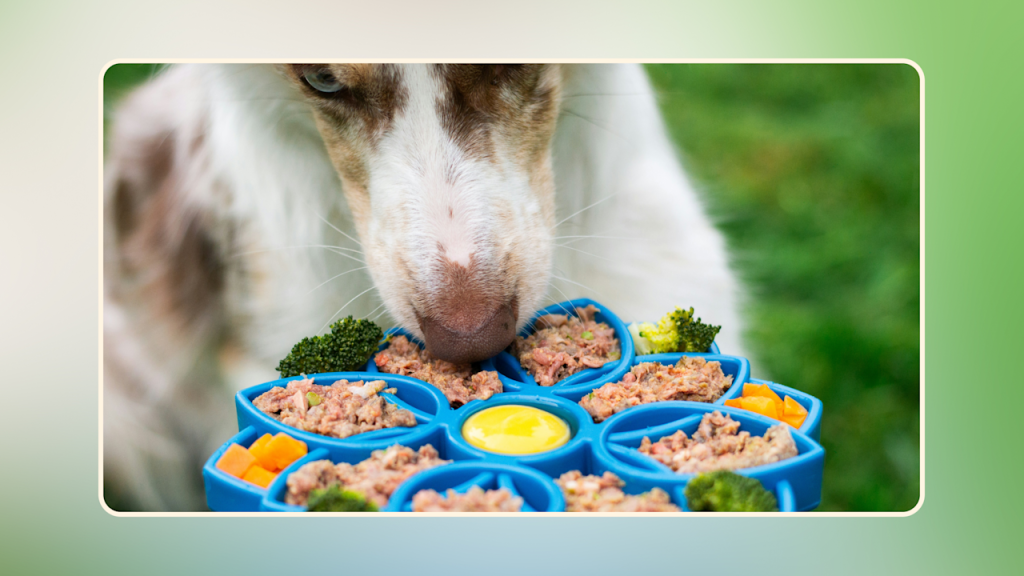
Natural pet foods are praised for their high ingredient quality, often consisting of whole foods free from artificial preservatives, colors, and flavors. Proponents argue that these diets can lead to better digestibility, resulting in fewer stomach upsets and improved absorption of nutrients. However, it’s crucial to ensure natural foods are well-formulated, as they can sometimes lack necessary nutrients if not properly balanced.
Considerations and Benefits
Meanwhile, commercial diets—commonly found in grocery stores and pet shops—are formulated under strict guidelines to ensure a complete and balanced diet. They offer convenience and consistency that is difficult to achieve with homemade meals. These diets undergo rigorous testing and are supplemented with vitamins and minerals, ensuring pets receive necessary nutrients for long-term health.
Nevertheless, concerns about ingredient transparency and the inclusion of low-quality fillers can deter some pet owners. Each approach has its pros and cons, depending heavily on individual pet needs, owner lifestyle, and budget.</p
Top 5: Natural Foods vs. Commercial Dog Food – Which is the Best Option for Your Pet’s Health?
The debate between natural foods and commercial dog food has been a focal point for pet owners determined to ensure the well-being of their beloved animals. With countless choices available, each claiming unparalleled benefits, discerning which option genuinely enhances your pet’s health can be daunting. Let’s delve deeper into the key elements shaping this vital decision, ranked from least to most beneficial.
5. Convenience of Commercial Dog Food
In the whirlwind of modern life, commercial dog food offers the advantage of convenience. Pre-packaged kibble or canned formulas provide a swift solution for those perpetually racing against time. Simply scoop or unseal, and the pet’s meal is effortlessly served.
This convenience, however, pairs with certain drawbacks. Numerous commercial foods include high levels of fillers, artificial preservatives, and by-products, which may not provide complete or optimal nutrition. Although they meet basic nutritional standards, are they offering the best sustenance for your pet? While commercial options save precious time, evaluating ingredient quality remains crucial. Ultimately, commercial dog food’s ease is juxtaposed with potential health concerns.
4. Cost Considerations
Cost remains an indisputable factor in choosing pet food. Commercial dog foods span a spectrum from economically priced to premium brands that can strain finances. Conversely, the cost of natural foods varies significantly based on ingredient choices. Although home-prepared meals might appear cost-effective over time, the initial investment can be substantial.
The dilemma lies here: opting for less expensive commercial brands often means sacrificing nutritional value. Conversely, investing in high-quality natural foods might demand a higher upfront cost but could mitigate future veterinary expenses. Understanding the financial implications of both options may offer tangible long-term benefits, underscoring the importance of informed decision-making.
3. Ingredient Quality and Safety
Prioritizing the quality and safety of ingredients in pet food is imperative. Many commercial varieties contain unspecified meat by-products and synthetic additives that could compromise pet health. In sharp contrast, natural foods grant owners complete control over their pet’s diet composition.
Safety considerations extend further into allergen sensitivity. Certain pets may exhibit adverse reactions to grains or additives frequently present in commercial foods. A natural diet simplifies the process of identifying and mitigating allergens, providing peace of mind. Thorough knowledge of your pet’s meal content can prevent potential health challenges, safeguarding their well-being.
2. Nutritional Value
The spotlight on nutritional value often showcases the strengths of natural foods over commercial dog food. A balanced natural diet typically comprises whole ingredients, such as lean meats, fresh vegetables, and healthy grains, which deliver essential nutrients alongside antioxidants and enzymes. These elements foster improved health, a glossy coat, and increased vitality for pets.
Amid escalating debates over commercial dog food label transparency, pet owners frequently question whether their animals receive adequate nutrition. To emphasize this point, here’s a checklist of essential nutrients crucial for pets:
- Proteins
- Fats
- Carbohydrates
- Vitamins
- Minerals
Natural foods often meet these nutritional standards without questionable additives, significantly enhancing your pet’s life quality.
1. Personalization and Freshness
Leading our list is the merits of personalization and freshness. Compared to pre-packaged commercial products, natural diets offer customization tailored to each pet’s unique needs. Be it weight management, allergen avoidance, or dietary preferences, natural diets provide the flexibility to ensure optimal, fresh nutrition tailored to each pet’s health requirements.
Moreover, fresh foods generally lack preservatives found in commercial options, promoting greater palatability and digestibility for pets. Hence, personalized natural diets not only meet specific health needs but also contribute to happier, healthier pets.
In conclusion, determining whether to feed your pet natural foods or commercial dog food remains complex. By evaluating convenience, cost, ingredient quality, nutritional value, and the advantages of personalized and fresh diets, pet owners can make informed choices that best suit their pet’s health and lifestyle, ultimately enhancing their furry companion’s quality of life. Despite the challenge, understanding these factors can lead to a happier, healthier pet, worthy of the investment.
As we delve deeper into the discussion of “Alimentos Naturais vs. Ração Comercial: Qual é a Melhor Opção para a Saúde dos Pets?”, it is essential to understand the various categories that influence the health and well-being of our pets. The table below highlights key aspects of both natural foods and commercial pet food, presenting a comprehensive overview for pet owners to consider.
| Category | Details |
|---|---|
| Nutritional Value | Natural foods often contain high-quality nutrients and are free from artificial preservatives, enhancing overall health. |
| Allergen Control | Home-cooked meals allow owners to specifically address food allergies in pets, tailoring diets to individual needs. |
| Digestive Health | Fresh and natural ingredients can promote better digestion, reducing issues like bloating or constipation commonly seen with some commercial diets. |
| Cost and Convenience | Commercial food is often more cost-effective and convenient for pet owners, as it requires no preparation time compared to natural alternatives. |
Pet owners must weigh these categories to make informed decisions that align with their pets’ specific health needs. As the exploration of dietary options for pets continues, it’s vital to remain updated on the latest research and trends in animal nutrition. This understanding aids in ensuring that pets maintain a well-balanced diet, suited to their individual life stages and health conditions. Always consider consulting a veterinarian before making significant changes to a pet’s diet, as professional advice can offer invaluable guidance tailored to each pet’s unique requirements.
Frequently Asked Questions about Natural Foods vs. Commercial Pet Food
What are the main differences between natural pet foods and commercial pet foods?
The primary distinction lies in the ingredients and processing methods. Natural foods are typically made from whole, unprocessed ingredients like fresh meats, vegetables, and grains. In contrast, commercial pet foods often include processed ingredients and additives to enhance flavor and shelf life. Some commercial options may also be specifically formulated to meet certain nutritional standards or address specific health needs in pets.
Are natural foods healthier for pets compared to commercial pet foods?
Whether natural foods are healthier can depend on the specific needs and health condition of a pet. Natural foods often provide a diet closer to what animals would eat in the wild, which can be beneficial. However, commercial foods are specially formulated to provide balanced nutrients, ensuring that pets receive essential vitamins and minerals. Pet owners should consult with veterinarians to determine the best dietary choices for their pets, looking for signs of improved coat health, energy levels, and digestive well-being.
Can I mix natural foods with commercial pet foods?
Yes, many pet owners choose to combine the two, providing a varied diet that can offer advantages from both options. Mixing natural and commercial foods may cater to a pet’s tastes while ensuring nutritional balance. However, it’s crucial to monitor your pet’s reaction to dietary changes and adjust portions or types of food accordingly. Introducing new foods gradually can help prevent digestive upset.
How do I know if my pet has specific dietary needs?
Pets manifest dietary needs through changes in behavior, appearance, and health. Signs of dietary deficiencies or issues may include a dull coat, low energy, digestive problems, and weight changes. Consulting with a veterinarian is advised if these symptoms are observed. A vet can provide insights based on tests and examinations, suggesting diet modifications to address any discovered deficiencies or excesses.
Is it more expensive to feed pets natural foods compared to commercial pet foods?
Cost can vary significantly depending on the brand and quality of both natural and commercial foods. Natural foods, especially organic and raw diets, tend to be on the pricier side due to the cost of fresh ingredients and shorter shelf life. Commercial foods, especially those that are mass-produced, may be more economical. Budget considerations should weigh against potential health benefits or drawbacks, keeping in mind the long-term impacts on pet well-being.
Conclusion: Finding the Right Balance for Pet Nutrition
In the debate between natural foods and commercial pet food, it is clear that both have their distinct benefits and potential drawbacks. As we explored throughout the article, the choice should revolve around the specific needs of the pet, the pet owner’s lifestyle, and the guidance of a veterinary professional.
Natural foods often boast fewer preservatives and additives, potentially offering a more wholesome option for pets. These diets can be tailored, ensuring fresh and high-quality ingredients that appeal to pets’ natural preferences. However, the precision required in balancing nutrients can be challenging and time-consuming for pet owners.
On the other hand, commercial pet foods offer convenience and consistency. They are crafted based on research to meet the nutritional standards required for pets at various life stages. Nevertheless, they can contain unwanted fillers and preservatives that might not align with every pet owner’s values on diet quality.
Ultimately, the best choice varies from pet to pet. Factors such as the pet’s age, health, and any specific dietary requirements should be considered. Consultation with a veterinary professional can provide invaluable insights and recommendations tailored to individual pets.
The importance of pet nutrition cannot be overstated as it plays a critical role in the well-being and longevity of our beloved companions. As pet owners, continuous learning and flexibility in our approach to their diet can lead to improved health outcomes, ensuring that our pets thrive for years to come.