Pet Training in Small Spaces: Strategies for Space Limitations
Understanding the Urban Pet Challenge
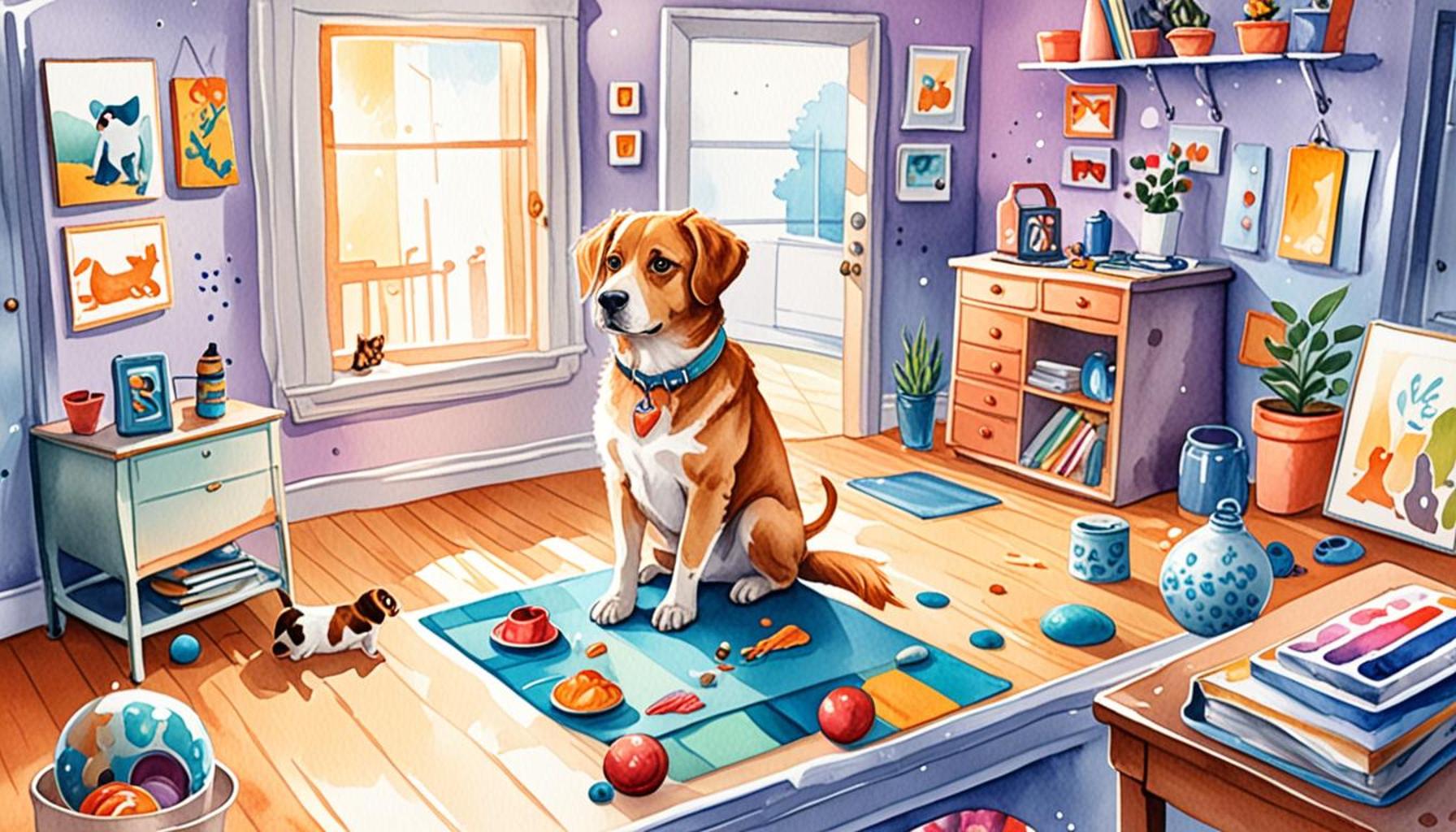
The urban landscape in Nigeria is rapidly evolving, with more individuals and families choosing pets as beloved companions. However, this surge in pet ownership brings about unique challenges, particularly in terms of training. Living in compact homes can restrict the space available for training, leading many to wonder how to effectively instill good behavior while dealing with the realities of apartment layouts and limited outdoor access.
To address these challenges, pet owners must turn to creative, adaptable training strategies that cater to the needs of their pets while considering the constraints of their living spaces. This article outlines innovative methods that not only facilitate training but also enhance the bond between pets and their owners.
Innovative Training Strategies
Environment Design
Utilizing vertical space can be a game changer for pet training in small areas. For instance, cat owners can consider installing climbing shelves or cat trees that allow their felines to explore upward. This not only satisfies their natural climbing instincts but also frees up more ground space for other activities. For dogs, using elevated platforms, such as benches or stairs, can instill obedience cues like “sit” or “stay” while also promoting exercise.
Interactive Tools
Engaging your pet with interactive toys is essential for mental stimulation and physical activity. For example, puzzle feeders can be a wonderful tool for both dogs and cats. These toys require pets to think critically and problem-solve to access treats, which can curb destructive behavior and keep them entertained. Additionally, utilizing mobile training apps can introduce you to online platforms with training games tailored for urban pets, helping owners even beyond the constraints of their immediate surroundings.
Routine Establishment
Consistency is key in any pet training regimen. Establishing a reliable training schedule is particularly important in a limited space, as it helps pets learn what to expect. For instance, scheduling daily walks, playtime, or specific training sessions at certain times can create a structured environment that contributes positively to the pet’s behavior. When training commands like “heel” or “come,” routine repetition in varied locations, even within your apartment, reinforces learning and helps pets generalize commands beyond familiar environments.
Conclusion: Adapting to Small Space Solutions
Living in close quarters does not negate the possibility of successful pet training. In fact, it can inspire pet owners to think outside the box and develop new ways to engage and train their furry friends. By effectively designing the environment, incorporating interactive tools, and maintaining a structured routine, you can nurture your pet’s growth even in the coziest of homes. With persistence and creativity, urban pet owners in Nigeria can enjoy the rewarding experience of training their pets, all while enhancing the strength of their bond together.
Maximizing Limited Space for Effective Training
In urban settings, particularly in Nigerian cities where space is often a luxury, pet training can seem like a daunting task. However, with the right approaches, even the most compact homes can serve as effective training grounds. Adapting training techniques to fit into small areas is essential in ensuring your pets remain disciplined and well-behaved. As pet owners, understanding how to make the most of minimal space can lead to a more harmonious living environment.
Utilizing Multi-Functional Spaces
When you live in a small area, every corner can be an opportunity for positive reinforcement training. Consider using areas like hallways or living rooms for short training sessions, utilizing furniture to create an obstacle course or boundary. For instance, teaching your dog to navigate around chairs or couches can enhance agility and obedience. Similarly, cats thrive on exploration, so utilizing surfaces like shelves for a mini agility course can promote exercise while reinforcing commands like “jump” or “climb.”
Time-Efficient Training Techniques
In a busy city where time is of the essence, time-efficient training is crucial. Short, frequent training sessions, lasting no more than 5-10 minutes, can be incredibly effective. This approach caters to the limited attention span of pets, particularly younger ones. Keeping training sessions concise also allows owners to fit them easily within their busy schedules. Daily, bite-sized training moments can be integrated into normal routines—assigning walk commands or practicing tricks while waiting for food to be served.
Creative Use of Technology
Embracing technology can significantly enhance pet training in small spaces. Mobile training applications can provide structured training plans and videos that demonstrate exercises specifically designed for limited areas. Furthermore, using a camera or video call feature allows pet owners to share training progress with trainers or vet behaviorists for personalized feedback. Engaging in groups via social media or forums dedicated to urban pet ownership can also provide invaluable insights and motivation.
Establishing a Positive Learning Environment
A positive training space is essential for pet learning. To foster a conducive atmosphere for training in confined spaces, consider the following tips:
- Create a designated training area within your home where distractions are minimized.
- Use familiar items that evoke comfort for your pet, such as their favorite blanket or toys.
- Incorporate your pet’s natural instincts into learning, using their playfulness as a tool for engagement.
- Utilize treats wisely; rewards should be readily available but do not overwhelm your pet’s diet.
By maintaining a focus on these strategies, pet training in small spaces can transform from a challenge to an opportunity. Every small area can become a suitable training ground with a bit of creativity and commitment, ultimately enhancing the bond between pets and their owners.
| Strategy | Advantages |
|---|---|
| Utilizing Vertical Space | Maximizes limited area by adding shelves or racks for toys and training equipment, encouraging creativity and exploration. |
| Scheduled Training Sessions | Enhances focus and reduces distractions in small living spaces, making training effective and quick. |
| Mini Obstacle Courses | Provides mental stimulation while using minimal space, fostering problem-solving skills in pets. |
| Interactive Toys | Encourages engagement and keeps pets entertained indoors, promoting positive behavior. |
When living in small spaces, it can be a challenge to provide enough physical and mental stimulation for pets. However, the key is to adapt training methods that capitalize on the available space. Implementing strategies such as utilizing vertical space and creating challenging obstacle courses can keep your pet active while offering plenty of opportunities for learning and engagement. Additionally, incorporating interactive toys reduces boredom and enhances your pet’s problem-solving abilities, ultimately fostering a stronger bond between you and your furry friend. Adopting a structured routine and efficient training tactics will not only yield remarkable results but also enrich the experience for both the pet and the owner. Learning more about these innovative approaches can significantly improve your pet training experience in small living environments.
Leveraging Outdoor Spaces for Training
Even in densely populated areas, outdoor spaces can often provide opportunities for pet training that small apartments cannot. Whether it’s a shared courtyard, a friend’s backyard, or a local park, these environments allow for a more expansive training experience while maintaining social distancing protocols. Outdoor training sessions can include basic commands, recall exercises, and even advanced tricks using safe props like cones or various visual markers to guide your pet’s movements.
Utilizing Eco-Friendly Training Options
In cities like Lagos or Abuja, embracing eco-friendly practices can elevate your pet training experience outdoors. Natural environments can be used as an interactive classroom, where the presence of other animals, sounds, and scents provide an enriched learning atmosphere. In addition, consider the incorporation of nature-based training techniques, which involve allowing your pet to sniff and explore while guiding them with commands like “find” or “come.” Making every walk an opportunity for training can extend your budget and provide environmental enrichment, crucial for well-rounded pet behavior.
Socialization in Public Places
Socialization plays a pivotal role in behavior development for pets living in small spaces. Frequent outings to pet-friendly public places can help reduce anxiety while enhancing training potential. For instance, visiting pet cafes or farmers’ markets allows pets to observe and interact with diverse people and animals. However, certain precautions must be taken, such as ensuring your pet is properly vaccinated and socialized to mitigate any risks that come with new interactions. Remember that the goal is to ensure your pet feels comfortable and confident in various scenarios, which directly impacts their training efficacy.
Incorporating Training into Daily Activities
With limited space, integrating training into daily living can be highly effective and convenient. For example, practice commands during feeding times, such as waiting before bowls are set down or teaching tricks for treats. Simple commands like “sit” or “stay” can be practiced during grooming sessions, making what could be mundane chores into productive training moments. By attaching training to routine activities, you create consistent opportunities that reinforce desired behaviors without dedicating separate time blocks. This method promotes a seamless training experience and can often be quite fun for both owner and pet.
Engaging in Community-Based Training Classes
If obstacles persist in your training efforts, consider joining community-based training classes. Many urban areas have local trainers who specialize in sessions tailored for small space limitations. These classes not only provide structured training but also create a community among pet owners facing similar challenges. Group settings can stimulate learning and offer social opportunities for both pets and their owners, with experienced trainers helping to guide methodology. Furthermore, discussions among other participants can shed light on new strategies that have worked effectively for them.
With these insights, pet training in small spaces can transform into a creative and rewarding venture. Utilizing outdoor spaces, embracing eco-friendly methods, establishing social connections, incorporating training into daily life, and engaging with community resources will allow for a comprehensive and effective training strategy. Urban areas may present unique challenges, but they also offer abundant opportunities for fostering well-trained companion animals.
Conclusion
Pet training in small spaces, such as apartments or urban environments, presents unique challenges; however, it also opens the door to innovative and effective strategies. By leveraging the outdoor spaces available in cities like Lagos or Abuja, owners can elevate their training sessions, allowing pets to explore and engage in larger, stimulating environments. Incorporating eco-friendly training methods not only capitalizes on nature to enhance learning but also fosters a deeper bond between pet and owner through shared exploration.
Moreover, the importance of socialization cannot be overstated; frequent visits to pet-friendly public places lay the groundwork for confident, well-adjusted animals. Integrating training into everyday activities creates consistent opportunities for learning, making both routine chores and recreational moments enriching for pets. This seamless blend of training with daily life fosters a more enjoyable and less stressful environment for both parties involved.
Lastly, community-based training classes present an invaluable resource, particularly for urban dwellers. By joining forces with fellow pet owners, individuals can share insights and techniques, building a support network that simultaneously enriches their pets’ experiences. Addressing space limitations may require creativity and a willingness to think outside the box, but with a proactive approach, urban pet owners can cultivate well-behaved companions who thrive in any environment.
In conclusion, pet training in small spaces is not merely a challenge; it is an opportunity to engage in creative problem-solving and establish a profound connection with our furry friends.