Positive Training Techniques for Dogs: How Positive Reinforcement Can Transform Your Pet’s Behavior

Understanding the Benefits of Positive Reinforcement in Dog Training
In the realm of canine companionship, effective communication is key. For many dog owners in Nigeria and beyond, positive training techniques have emerged as a powerful method to build a solid relationship with their pets. At the heart of these techniques lies positive reinforcement, a strategy that emphasizes rewarding desirable behaviors instead of punishing undesirable ones. This fundamental shift not only transforms the training experience but also defines the bond between owner and dog.
So, why is positive reinforcement proving to be such a successful approach in dog training? Here are several reasons worth considering:
- Strengthening Bonds: When you reward your dog for good behavior, it fosters a sense of trust and affection. For instance, offering a treat or a gentle pat when your dog sits on command creates a positive association, reinforcing not just the action but also your relationship.
- Encouraging Good Behavior: Dogs are more likely to repeat actions that result in rewards. For example, if a dog is praised and given a treat for staying calm during a thunderstorm, it learns to remain relaxed during such events, leading to smoother interactions in future situations.
- Reducing Fear: The focus on rewards minimizes the likelihood of fear-based reactions that can arise from punishment. This cultivates a peaceful environment where dogs feel secure, which is particularly important for those living in bustling urban areas like Lagos.
Implementing positive reinforcement can completely overhaul your dog’s behavior. For example, dogs trained using this technique frequently display:
- Better obedience: Commands like “sit,” “stay,” and “come” become ingrained responses, simplifying everyday interactions.
- Improved focus: Your canine will learn to concentrate and respond promptly, even in distracting environments, whether it’s at a busy market or a family gathering.
- Enhanced social skills: Positive reinforcement encourages friendly interactions with other pets and people, reducing aggressive tendencies and promoting sociability. This is particularly beneficial in a diverse social landscape like that of Nigeria.
As the field of dog training continues to evolve, embracing positive reinforcement is increasingly recognized not only as a logical approach but also as a means to nurture a balanced and happy pet. By investing time in understanding and applying these techniques, dog owners can unlock their furry friend’s full potential, paving the way for a harmonious coexistence. With joy and patience, you can witness a transformation that brings deeper satisfaction to both you and your beloved companion.
RECOMMENDED: Check out this similar article
Key Principles of Positive Reinforcement
As dog owners begin to explore the concept of positive reinforcement, it becomes essential to understand its foundational principles. At its core, positive reinforcement involves rewarding desirable behaviors to increase the likelihood of those behaviors being repeated in the future. This technique contrasts sharply with traditional methods that rely on punishment, highlighting why so many are gravitating toward this modern approach in dog training.
The effectiveness of positive reinforcement can be attributed to several key principles:
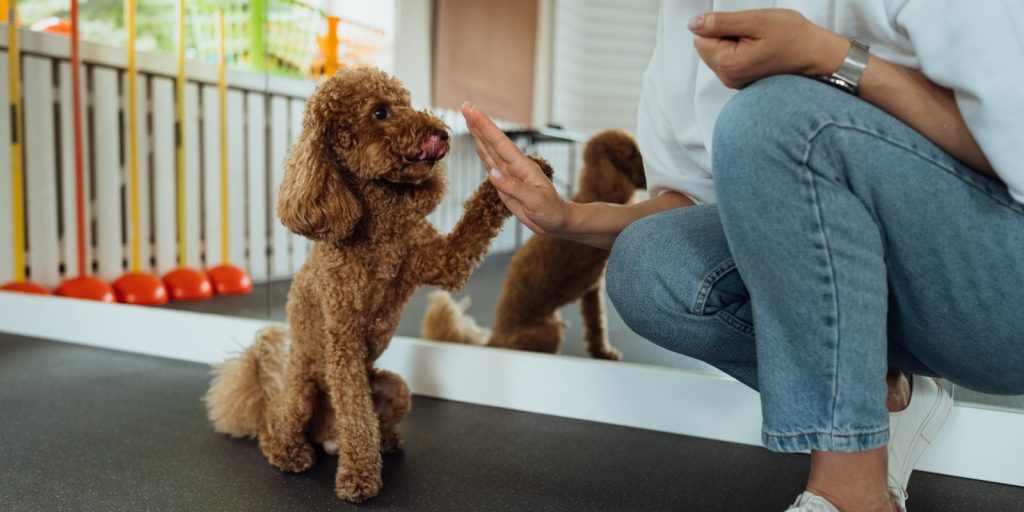
- Timing Matters: Rewards should be given immediately after the desired behavior occurs. This immediate feedback creates a strong association between the action and the reward, making learning more efficient. For instance, if your dog sits when you command, offering a treat right away reinforces that behavior more effectively than waiting.
- Consistency is Crucial: For dogs to understand what is expected of them, consistent cues and rewards are vital. If you consistently reward your dog for following the “sit” command, it will become ingrained over time. Inconsistency, however, may lead to confusion and frustration for both the owner and the dog.
- Variety of Rewards: Positive reinforcement is not limited to treats. Dogs respond to various forms of rewards, including verbal praise, physical affection, and playtime. Understanding what motivates your dog can be a game changer; for some, a scratch behind the ears may be more rewarding than food.
When implemented correctly, positive reinforcement can significantly alter your dog’s behavior. Dog trainers and behaviorists increasingly emphasize how this technique impacts several aspects of a dog’s daily life:
- Reducing Behavioral Issues: Problems such as excessive barking, chewing, or jumping can often be redirected through positive training methods. For instance, if a dog receives praise or a treat for being calm and quiet during a visit to a bustling marketplace, it learns to adopt that behavior.
- Facilitating Learning of New Skills: Positive reinforcement serves as an effective tool for teaching new commands and tricks. The fun element of training becomes more pronounced when owners reward their dogs, fostering a collaborative learning environment.
- Building Confidence: Dogs trained using positive reinforcement techniques tend to develop stronger self-esteem and confidence. Encouraging them to experiment with new tricks or commands in a safe, rewarding environment helps them learn without fear of failure.
The increasing awareness of the benefits of positive training techniques is underway in Nigeria. Pet owners are recognizing that creating an uplifting training atmosphere leads to more joyful experiences, ultimately fostering a deeper connection between human and dog. Whether it’s teaching basic manners, addressing behavioral concerns, or enhancing existing training, embracing positive reinforcement equips dog owners with the tools to transform their pets into well-behaved companions.
| Advantage | Description |
|---|---|
| Improved Bonding | Utilizing positive reinforcement fosters mutual trust and strengthens the relationship between owner and dog. |
| Behavioral Transformation | Incorporating positive training techniques effectively alters unwanted behaviors by rewarding desired actions. |
| Enhanced Learning | Dogs learn quicker and retain more information as they associate training with positive experiences. |
| Lower Stress Levels | Positive techniques minimize anxiety and fear during training sessions, leading to a more relaxed pet. |
Positive reinforcement is a methodology that transcends traditional training methods, promoting a more enjoyable learning experience for your pet. By engaging in a stress-free environment, dogs become more eager to participate and less resistant to learning new commands. This inherently creates an atmosphere of joy, enabling dogs to thrive both mentally and emotionally.Moreover, studies indicate that dogs trained with positive reinforcement demonstrate an increased ability to respond to commands and learn new behaviors more rapidly compared to those subjected to punitive measures. The emphasis on rewarding good behavior rather than punishing bad behavior creates a virtuous cycle of motivation and achievement. Exploring the extensive array of positive reinforcement techniques available can lead to exciting revelations on how they can reshape your dog’s behavior for the better. Whether it be clicker training or offering tasty treats for correct behaviors, the spectrum is vast and rewarding for both owners and their furry companions.
RECOMMENDED: Check out this similar article
Implementing Positive Reinforcement Techniques
Having established the principles of positive reinforcement, the next step involves learning how to implement these techniques effectively in daily training routines. Transitioning to positive training methods may require some adjustments in mindset and approach. However, the rewards—both for the dog and the owner—are well worth the effort.
One effective strategy is to develop a structured training schedule. Setting aside specific times for training helps convey to the dog that this is an important part of the day. Short, frequent training sessions—usually ranging from 5 to 10 minutes—keep the dog engaged and prevent frustration. It’s essential to maintain a positive atmosphere during these sessions, using encouraging tones and body language.
Utilizing a clicker can also enhance the training experience. A clicker allows for precise timing and can be used to mark desired behaviors before combining it with a reward. For instance, when your pet sits on command, you click the device instantly followed by offering a treat or praise. This method solidifies the connection between the command and the affirmative response, offering clarity and reinforcing the behavior.
Creating a Training Environment
Establishing the right environment for training is equally important. Dogs are easily distracted, especially in a bustling atmosphere. Look for a quiet, comfortable space with minimal interruptions where both dog and owner can focus entirely on training. As the dog becomes more adept at commands in a controlled environment, gradually introduce distractions, rewarding calm and focused behavior. This approach mirrors real-life situations, ensuring that your dog learns to maintain good behavior even amidst distractions.
Tailoring Rewards to Your Dog’s Preferences
When it comes to rewards, variety is key. Some dogs may be more motivated by treats, while others thrive on playtime or affection. Experiment with different reward types to discover what resonates most with your pet. Additionally, consider the context; for example, during social gatherings with other dogs, a few moments of play might be a more suitable reward than food. This adaptability can bring more joy and engagement to training sessions.
Fostering Good Behavior Through Daily Interactions
Positive reinforcement isn’t limited to formal training sessions. Everyday interactions can turn into opportunities for training and reinforcement. For instance, if your dog remains calm during a visit from guests, praise and reward them for this good behavior. Likewise, when they respond to a command while on a walk, provide immediate reinforcement. These small, ongoing interactions help reinforce good behavior naturally, fostering a consistent learning atmosphere.
Moreover, teaching impulse control is a valuable training aspect intertwined with positive reinforcement. Training your dog to wait patiently before receiving a treat or to refrain from jumping on guests highlights the importance of self-control. Such lessons not only enhance your dog’s discipline but also contribute to a respectful dynamic in various social situations.
As the recognition of positive training techniques takes root in Nigeria, local training workshops and seminars are becoming more commonplace. These community initiatives empower dog owners with the skills to implement positive reinforcement effectively. Sharing experiences and lessons learned in such settings encourages collaboration and ongoing commitment to nurturing well-mannered dogs, establishing a remarkable bond between owner and pet.
YOU MAY ALSO LIKE: Read read another article
Conclusion: Embracing Positive Reinforcement for Lasting Change
In summary, the journey of positive training techniques offers not just a method to correct undesirable behaviors in dogs, but a pathway to nurturing a harmonious relationship between pets and their owners. As we’ve explored, implementing positive reinforcement through structured training, innovative tools such as clickers, and fostering a supportive environment transforms not only how dogs respond to commands but also enhances their overall quality of life. The adaptability inherent in these techniques—whether through treats, play, or affection—ensures that each dog feels energized and motivated to learn.
Moreover, daily interactions outside formal training sessions extend the learning experience, solidifying good behavior in real-world scenarios. This holistic approach promotes lasting behavioral changes while enriching the bond shared between owners and their furry companions. Interestingly, as Nigeria embraces these modern training philosophies, community workshops and seminars are empowering pet owners to share insights and best practices, further strengthening the movement towards positive training.
As you embark on this rewarding journey with your dog, consider the profound impact of positive reinforcement on your pet’s behavior, and let this guide you towards being a more effective trainer. Embrace patience, celebrate small victories, and remember: the transformation in behavior can lead to a more fulfilling life for both your pet and you. Delve deeper into the world of positive training methodologies, and witness how they can truly revolutionize your pet’s behavior.