Service Dog Training: Essential Skills and Effective Methods
The Vital Role of Service Dogs
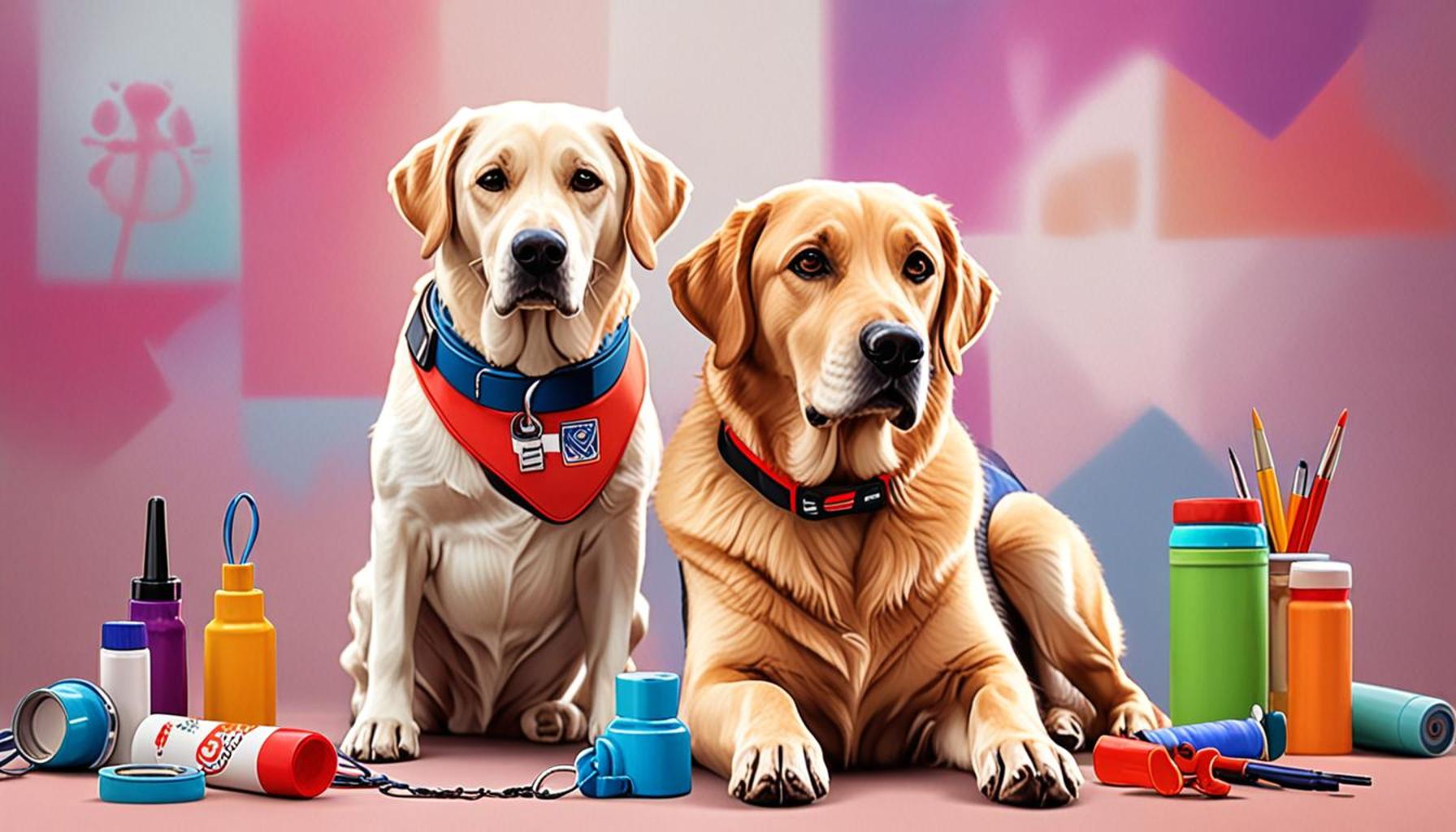
In today’s society, where the need for inclusion and support is paramount, service dogs offer invaluable assistance to individuals navigating the challenges of disabilities. These remarkable canines are not just pets; they serve critical roles that facilitate not only physical tasks but also foster emotional and psychological well-being. The journey to train a service dog is intricate and requires understanding the essential skills and effective methods involved.
Key Components of Service Dog Training
Service dog training is multifaceted, focusing on different areas to ensure that these dogs can cater to the specific needs of their handlers. Fundamental aspects of their training include:
- Socialization: This involves exposing dogs to a variety of environments, people, and other animals to ensure they are adaptable. For instance, in bustling Nigerian markets, a well-socialized service dog will remain calm amidst noise and crowds, thus enhancing their handler’s safety and comfort.
- Basic obedience: This is essential for any service dog. Commands such as sit, stay, and come are foundational, enabling handlers to maintain control in diverse situations. Establishing these commands early on is essential, as they facilitate smoother interactions in public spaces.
- Task-specific skills: Each service dog is trained to perform specific tasks that assist their handler. For example, a dog may be trained to retrieve medication, alert to medical emergencies, or provide mobility support, particularly for individuals with mobility challenges due to spina bifida or arthritis.
Training Methods and Their Importance
In Nigeria, the growing awareness of service animals is encouraging more people to seek proper training. As demand increases, so does the necessity of implementing effective training methods that ensure the success of these dogs. Some of the fundamental methods include:
- Positive reinforcement: This approach involves rewarding dogs for desired behaviors, which encourages them to repeat those behaviors. Simple treats, verbal praise, or playtime can effectively motivate a dog during training sessions.
- Consistency: Adopting a uniform approach to commands and routines is crucial. For example, using the same commands in English or in indigenous languages can help the dog understand and respond better to their handler’s needs. Consistency reduces confusion and promotes quicker learning.
- Patience: Training is not an overnight process; it requires time and dedication. In Nigeria, understanding this gradual journey is key, as many handlers must balance their everyday tasks with the sometimes arduous training process.
The Rewarding Journey
The relationship forged between a trainer and a service dog is profound. This partnership not only enhances the independence of individuals with disabilities but also enriches their lives. The training process can be both challenging and rewarding, leading to newfound friendships and shared experiences that redefine the concept of companionship. As we explore the necessary skills and methods for effective service dog training, we invite a deeper appreciation for the transformative impact these incredible animals have on their handlers’ lives in Nigeria and beyond.
Understanding the Training Process
Training a service dog is not a one-size-fits-all approach; it is a tailored process that aligns with the unique needs of both the dog and their handler. In Nigeria, where the understanding and recognition of service animals are growing, it is essential to highlight the steps that lead to successful service dog training. The journey begins with selecting the right dog, often a breed that exhibits calm demeanor, intelligence, and a desire to work. Common breeds include Labrador Retrievers, Golden Retrievers, and German Shepherds, known for their temperament and capability to learn.
Essential Skills for Service Dogs
The skills that service dogs acquire through training can be categorized into several essential areas:
- Public Access Skills: These allow service dogs to accompany their handlers in various public settings. Mastery of skills such as walking calmly on a leash, ignoring distractions, and waiting politely for cues is crucial. A well-trained service dog must confidently navigate busy environments, like the vibrant streets of Lagos or crowded markets without becoming overwhelmed.
- Task-Oriented Skills: Depending on the handler’s needs, training a service dog involves teaching specific tasks. For example, a dog trained to assist individuals with mobility issues may learn to balance their handler when they walk or retrieve dropped items. This task-specific training is essential as it directly impacts the handler’s daily functioning and independence.
- Behavioral Skills: Developing appropriate behaviors is vital for service dogs. This includes house training, socializing with different people and animals, and learning to react calmly in unexpected situations. A service dog in Nigeria may frequently encounter different stimuli, from loud music in local celebrations to diverse animal life near markets, necessitating well-honed behavioral skills.
Effective Training Techniques
In the pursuit of training a service dog, employing effective techniques is key to producing competent and reliable animals. The following methods stand out as particularly impactful:
- Desensitization: This technique helps dogs acclimatize to various stimuli they may encounter frequently. By gradually introducing the dog to unfamiliar sounds, sights, and scents, trainers can ensure that the service dog remains calm in diverse environments typical of Nigerian society.
- Clicker Training: This popular method uses a clicker to mark desired behaviors, followed by rewards. It strengthens the communication between the trainer and the dog, allowing for precise training sessions where the dog learns to associate the click with a positive outcome, such as a treat or praise.
- Social Learning: Engaging with other experienced and trained dogs can offer valuable lessons for a service dog in training. Observing how other dogs respond in various situations allows for natural learning through mimicry, promoting quicker adjustments to their training.
Understanding these essential skills and effective training methods is not merely academic; it is a gateway to unlocking the full potential of service dogs in Nigeria. By appreciating and implementing these methods, handlers can cultivate a capable and reliable partner, ultimately enriching their lives in significant ways.
| Advantages | Details |
|---|---|
| Boundary Setting | Establishing personal space and limits is essential for a well-trained service dog. |
| Behavioral Cues | Training dogs to respond to verbal and physical cues enhances communication between the handler and the dog. |
| Focus and Attention | Developing concentration skills ensures that dogs remain attentive and learn effectively during training. |
| Socialization | Exposing service dogs to various environments fosters adaptability, which is crucial for their effectiveness. |
Understanding these essential skills and their effective methods emphasizes the importance of comprehensive training programs in producing reliable service dogs. Each training component plays a critical role in enhancing the dog’s capabilities, ultimately leading to improved service for the handler, promoting a better quality of life for those in need. Discovering the nuances of each method encourages further exploration of how to implement similar techniques in your own training regimen.
Building a Strong Bond Between Handler and Dog
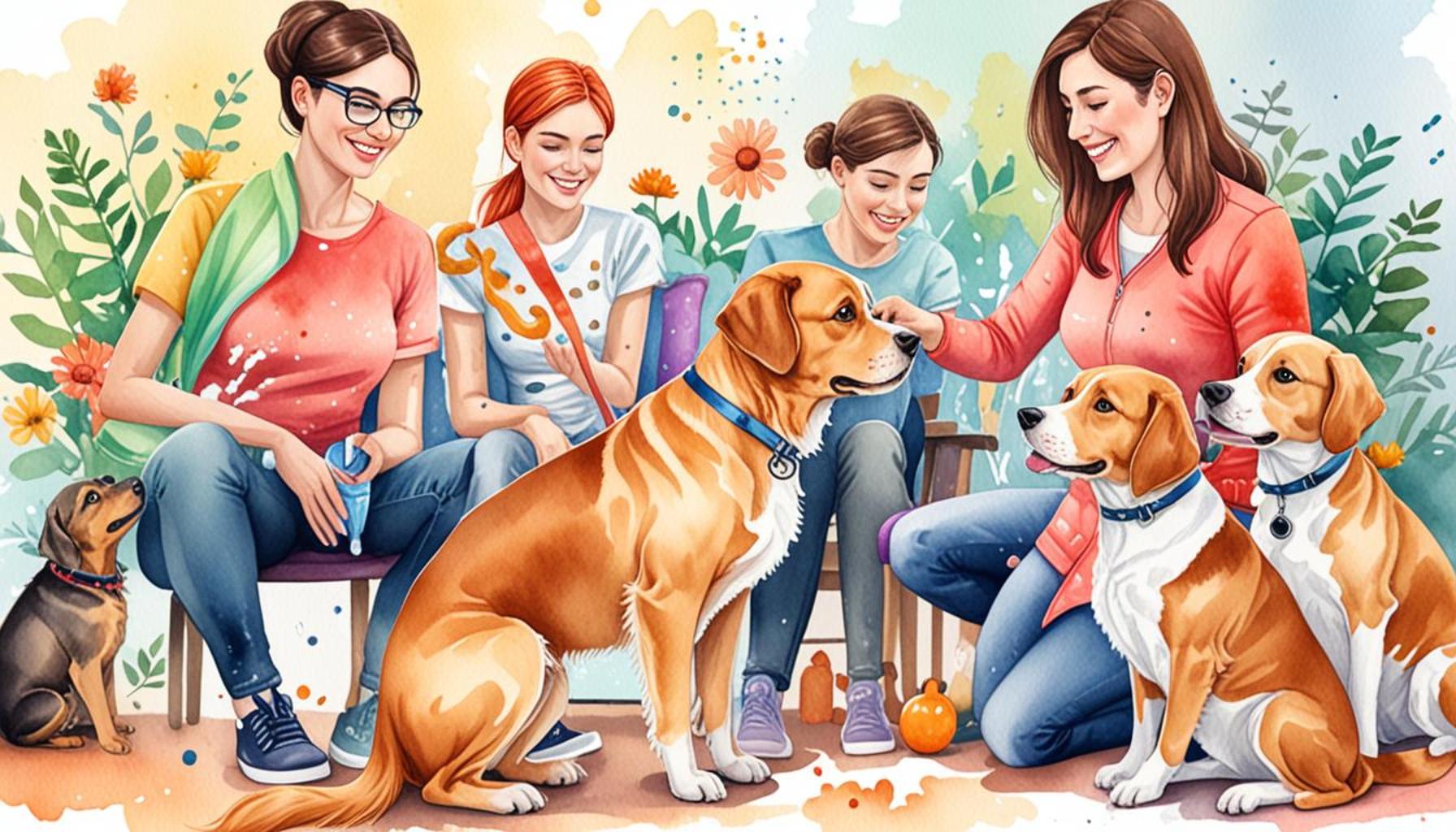
The relationship between a service dog and their handler is foundational to effective service dog training. Trust is the cornerstone of this bond, enabling the dog to perform tasks confidently and the handler to rely on their companion. The cultivation of this deep connection begins early in the training process, emphasizing the importance of positive reinforcement to foster a deep-seated trust and respect between both parties. Handlers are encouraged to spend quality time with their service dogs outside of training sessions, engaging in play and leisurely walks, establishing rapport that transcends mere task performance.
Socialization as a Vital Component
In Nigeria’s dynamic environment, socialization is critical for service dogs to thrive. Exposing dogs to various situations and people is essential in helping them develop the necessary confidence and adaptability. This includes interactions with children, the elderly, and even other animals—enabling them to recognize different moods and behaviors. Service dogs that undergo rigorous socialization training often showcase better performance in public settings, contributing to the overall success of their handlers’ experiences.
- Urban Environments: Nigerian cities, like Abuja and Lagos, often present unique challenges, such as bustling crowds, street vendors, and the sounds of honking cars. A well-socialized service dog should navigate these environments without issue. Training sessions in real-world situations, such as busy markets or public gatherings, can significantly benefit the socialization process.
- Varied Sensory Experiences: Off-leash training in diverse settings exposes service dogs to a range of sounds and sights. For example, training near construction sites will help dogs become accustomed to loud machinery, ensuring they remain calm and focused despite their busy surroundings.
Incorporating Enrichment Activities
Enrichment activities are vital to maintaining a service dog’s enthusiasm for their work while preventing boredom. Tasks that challenge a dog’s mind and body can include agility courses, puzzle toys, or scent-tracking exercises. These activities not only keep the dog physically active but also serve as a reminder that training can be fun. For instance, scent work, which involves sniffing out various items or food hidden around a specific area, can play a critical role in a dog’s ability to assist handlers who may have specific medical needs, such as detecting an impending seizure.
Ongoing Training and Maintenance
Service dog training and skills must be viewed as a continuous journey rather than a destination. As the handler’s needs change, so too may the requirements for their service dog. Regular training sessions and refreshers are essential for honing existing skills and introducing new ones. This ongoing process ensures that the service dog remains adept and reliable, even as they face new challenges over time.
- Regular Refresher Courses: Participating in periodic training courses maintains not only the dog’s skills but also strengthens the handler-dog bond. These sessions encourage handlers to be actively engaged in their dog’s ongoing education, enhancing their teamwork.
- Assessment and Adaptation: Constantly evaluating the service dog’s performance in daily activities allows handlers to identify areas that may require improvement. This assessment process can inform future training plans or adjustments to routine tasks.
By focusing on building a strong bond, fostering socialization, utilizing enrichment activities, and committing to ongoing training, handlers can ensure their service dogs remain effective partners. In Nigeria, where service dog recognition is evolving, embracing these elements is especially vital in enhancing the lives of both handlers and their loyal companions.
Conclusion: The Path to Successful Service Dog Training
In conclusion, mastering service dog training relies on a harmonious blend of essential skills and effective methods that prioritize the welfare of both handler and dog. You have learned that the foundation of a successful partnership lies in the trust and credibility established through consistent training and positive reinforcement. Building a robust bond not only enhances task performance but also transforms daily interactions into joyful experiences.
The importance of socialization cannot be overstated, especially within Nigeria’s vibrant and often unpredictable urban environments. Service dogs require exposure to diverse situations to develop the adaptability and confidence necessary to assist their handlers effectively. Equally, incorporating enrichment activities adds an element of enjoyment to training, allowing service dogs to remain mentally stimulated and engaged in their roles.
Lastly, recognizing that training is an ongoing journey is crucial. Regular assessments and refresher courses ensure that both handler and dog evolve together, adapting to new challenges and maintaining proficiency in their mutually dependent relationship. By embracing these comprehensive training techniques, handlers in Nigeria can pave the way for their service dogs to excel, ultimately leading to enriched lives and greater independence.
As society increasingly recognizes the invaluable contributions of service dogs, it is vital for prospective handlers to immerse themselves in understanding and implementing these training principles. By doing so, they empower not just their dogs but themselves, promoting a future where service dogs become indispensable allies in navigating life’s complexities.