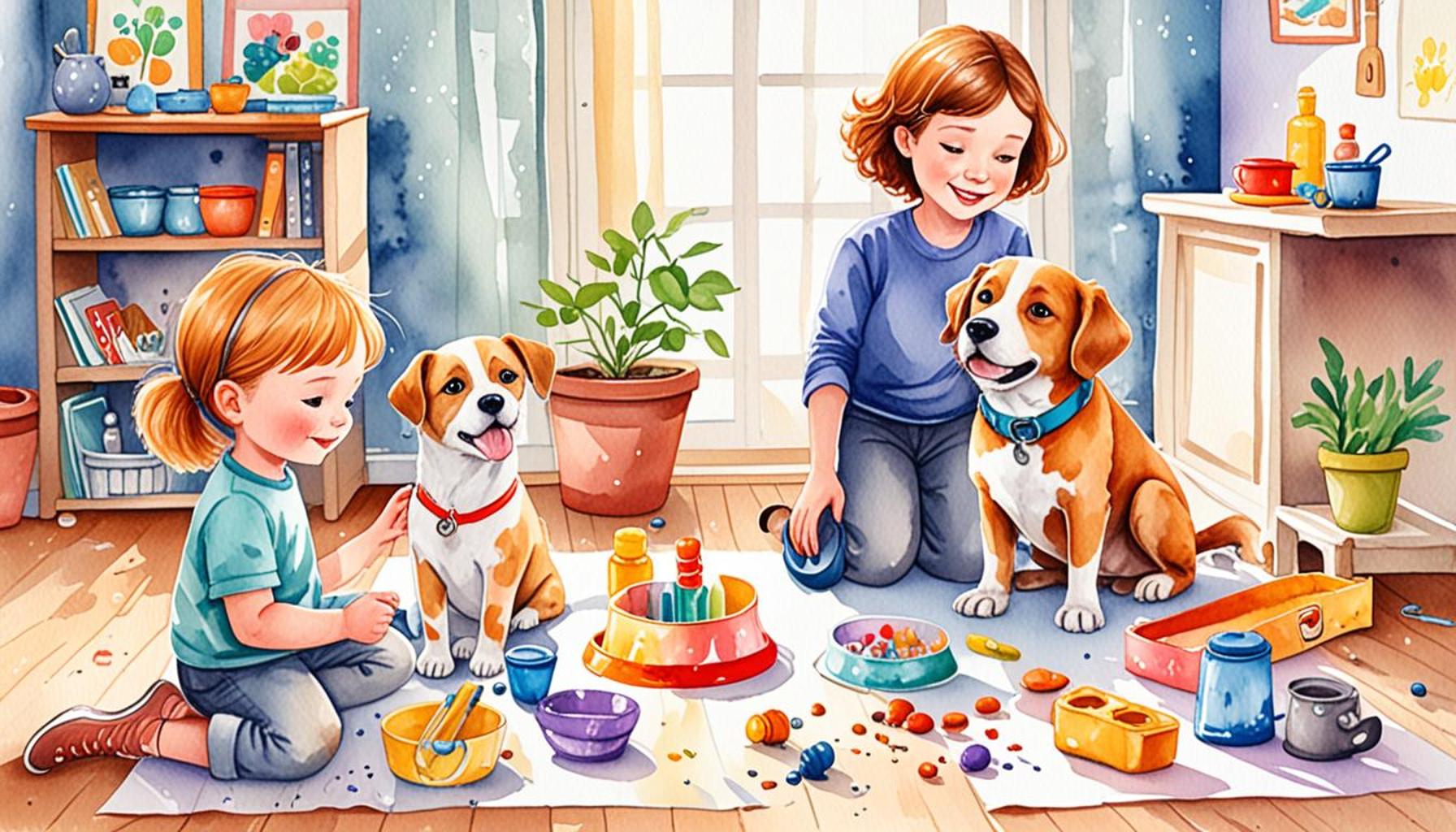
Techniques of Positive Reinforcement in Dog Training: How to Create a Bond Through Positivity
The Importance of Trust in Dog Training
Dog training transcends basic commands or mere obedience; it is fundamentally about fostering a profound connection with your dog companion. This bond is pivotal in shaping a well-adjusted dog, capable of navigating the complexities of human environments. A cornerstone of successful dog training is the application of positive reinforcement techniques, which not only promote desired behavior but also nurture a relationship rooted in trust and mutual understanding.
Understanding Positive Reinforcement
Positive reinforcement is a training strategy that encourages good behavior through rewards, thereby eliminating the need for harsh corrective measures. This approach resonates deeply in places where compassion is valued, including communities across Nigeria. The simplicity and effectiveness of this method lie in its focus on rewarding behaviors you want to reinforce.
Examples of Positive Reinforcement
When leveraging positive reinforcement, various rewarding methods can be employed. Here are some common ones:
- Treats: Offering delicious snacks such as meat, biscuits, or local favorite, chin chin, when your dog follows commands not only satisfies their hunger but also makes them associate good behavior with pleasurable outcomes.
- Praise: Using verbal affirmations such as “good boy” or affectionate gestures like belly rubs can immensely boost your dog’s morale and motivate them to repeat the desired behavior.
- Playtime: Incorporating engaging activities, like fetching a ball or tug-of-war, as rewards for good conduct reinforces the bond while promoting healthy exercise.
The Power of a Positive Environment
The essence of these training techniques lies in their capacity to create a joyful learning atmosphere. According to numerous dog trainers in Nigeria, owners who embrace positive reinforcement not only see enhanced behavior in their dogs but also report greater satisfaction and fulfillment in their training journey.
Moreover, the shift towards positive reinforcement aligns with a growing recognition of the importance of emotional well-being for pets. As you explore techniques of positive reinforcement, ponder how each method can contribute to a unique relationship built on respect, communication, and happiness. This process not only aids in training your dog effectively but also serves to enhance a lifelong companionship that benefits both pet and owner.

Conclusion
In conclusion, building trust through positive reinforcement represents a transformative approach in dog training. By focusing on what your dog does right, you craft a positive feedback loop that fosters love, trust, and obedience. As you embark on this rewarding journey, remember that each interaction with your dog is an opportunity to deepen your connection and reinforce the joy of companionship in your shared life.
YOU MAY ALSO LIKE: Read read another article
Techniques to Enhance Your Dog Training with Positive Reinforcement
Achieving an effective training regimen for your dog involves more than just simple commands or behavioral corrections; it requires significant knowledge of how positive reinforcement techniques can shape not only obedience but also your relationship with your furry friend. Using positive reinforcement is about celebrating success, promoting good behavior, and forging an emotional connection that strengthens the bond between you and your dog.
Key Techniques of Positive Reinforcement
Implementing positive reinforcement in dog training can be both rewarding and fun. Here are some effective techniques used by dog trainers that you can incorporate into your training routine:
- Clicker Training: This technique uses a distinct sound – the clicker – to mark desired behaviors immediately. The click serves as a clear signal to your dog that they have done something right and is often followed by a reward such as a treat. This method helps increase the clarity of communication and encourages quicker learning.
- Target Training: Teaching your dog to touch a specific object, like your hand or a stick, can be an engaging way to encourage positive behavior. When your dog successfully targets the item, immediately reward them with praise or a treat. This method not only reinforces obedience but also engages your dog’s curiosity and intelligence.
- Scheduled Rewards: Establishing a reward system based on consistency helps in building expectations for your dog. For example, if your dog performs a command successfully, make sure to reward them promptly. Over time, your dog learns that good behavior leads to positive reinforcement, creating a cycle of good actions.
- Variety in Rewards: Keep the training exciting by varying the rewards. Sometimes, treats can be used, while other times, a favorite toy or extra playtime can act as incentives. This prevents your dog from becoming bored and helps maintain their interest during training sessions.
Building Trust and Confidence
Utilizing positive reinforcement techniques builds trust and confidence in your dog. Dogs respond better in an environment where they feel secure, valued, and understood. Moreover, according to experts in dog behavior in Nigeria, training sessions infused with positivity often lead to quicker and more effective learning outcomes. When dogs are treated with kindness and rewarded for desirable behavior, they are likely to exhibit reduced anxiety and fear, leading to a happier and more relaxed pet.
As you embark on the journey of employing these techniques, remember that patience is essential. Transforming your dog into a well-trained companion takes time, and each small victory should be celebrated. By embracing positivity in your training, you not only pave the way for a well-mannered dog but also cultivate a relationship steeped in affection and respect.
| Advantages | Description |
|---|---|
| Enhanced Learning | By utilizing positive reinforcement, dogs are more likely to remember commands, as they associate behaviors with rewards. |
| Strengthened Bond | This technique fosters mutual respect and trust, ensuring a healthier relationship between the dog and owner, leading to long-term companionship. |
The use of positive reinforcement in dog training is not merely a method; it’s a philosophy that emphasizes the importance of kindness and understanding. Dogs respond well to rewards, whether it be treats, praise, or playtime, as this establishes a layer of encouragement that traditional reprimands fail to create. When a dog performs a desired behavior, immediately rewarding them creates a powerful correlation, encouraging them to repeat the behavior repeatedly. Furthermore, positive reinforcement contributes significantly to a dog’s emotional stability. It reduces anxiety and fear, creating a more open atmosphere for learning. As trainers, fostering this environment can lead to impressive results and improved behavior. Initially, one may think of using basic commands such as ‘sit’ or ‘stay’, but this approach extends beyond these basics, incorporating aspects of life that nurture a dog’s emotional health.The outcomes are substantial, as dogs trained with these methods are known to exhibit fewer behavioral problems. Consequently, owners are often more satisfied with their companions, resulting in a greater desire to engage in various activities together, fostering a joyous and fulfilling partnership. In essence, the implementation of positive reinforcement in dog training is essential for establishing a fulfilling relationship that withstands the test of time.
RECOMMENDED: Check out this similar article
Deepening the Connection Through Social Interactions
Positive reinforcement dog training extends beyond first-stage obedience commands; it can create an enriching social environment for both you and your pet. Engaging your dog in various social interactions can aid in solidifying the bond you share, enhancing their learning and emotional stability. Here are some effective ways to integrate positive reinforcement techniques in social situations:
Play as a Reward
Integrating play into training sessions can be a highly effective way to reinforce positive behavior. For example, when teaching your dog to “sit” or “fetch,” rewarding them with a few minutes of playtime with their favorite toy transforms obedience training into a fun-filled experience. Since play stimulates a dog’s natural instincts and encourages mental stimulation, it’s essential to make play a staple in your training regimen. In Nigeria, where outdoor spaces abound, utilizing your surroundings for play can strengthen your dog’s bond with you while fostering their physical development.
Group Classes and Socialization
Attending group training classes offers a dual advantage: structured learning and socialization. These classes are typically an enriching environment where dogs can learn to follow commands while engaging positively with other pets. Engaging in group exercises like “sit-stay” in the presence of other dogs can be an ideal opportunity to reward excellent behavior with treats and praise. Dogs thrive in settings where they can see and interact with their peers, and this communal aspect of training enhances their comfort level when around others.
Emotional Reinforcement
While treats and toys serve as immediate rewards, emotional reinforcement plays a pivotal role in creating a lasting bond. Dogs are inherently emotional creatures, and your voice, gestures, and demeanor convey volumes. When your dog successfully demonstrates a desired behavior, express excitement in your voice and offer enthusiastic praise. This emotional response strengthens your relationship, as it communicates to your dog that they are an integral part of your household. Building this emotional connection is especially relevant in the Nigerian context where dogs are often viewed as close companions rather than just pets.
Consistency in Commands
The use of consistent commands reinforces understanding between you and your dog. In a multicultural society like Nigeria, various languages and dialects play a substantial role in communication. Regardless of the language you choose—English, Yoruba, or any local dialect—consistently using the same word for commands will ground your dog’s understanding. Over time, this will cultivate even deeper recognition and trust, as your dog learns to associate specific commands with immediate positive responses.
Understanding Your Dog’s Motivation
Not every dog is motivated by the same rewards; understanding what drives your individual dog can enhance your training sessions significantly. Some dogs are treat-driven, while others may prefer toys or social interaction. Observing your dog closely during training can unveil their preferences. For instance, you might find that your dog becomes more enthusiastic when they are rewarded with a game of tug-of-war rather than a mere cookie. Adapting to your dog’s desire can transform training from a chore into an adventure, thereby promoting a consistently positive and joyful training environment.
By incorporating these elements into your training routines, you create opportunities not only for effective learning but also for a deeper emotional connection with your four-legged companion. Each well-executed command and successful interaction reinforces the affection and trust fundamental to your relationship, laying the groundwork for a lifetime of mutual enjoyment and partnership.
CHECK OUT: Click here to explore more
Conclusion: Strengthening Bonds Through Positive Reinforcement
In the intricate tapestry of human-canine relationships, techniques of positive reinforcement offer a robust framework for building a strong bond. By integrating fun, reward-based methods into training, you not only enhance your dog’s learning experience but also cultivate a fulfilling and joyous partnership. From play as a reward to socialization in group classes, each technique tested and embraced adds layers of connection and understanding between you and your pet.
Moreover, recognizing and leveraging your dog’s unique motivations can create an invigorating training vibe. This tailored approach could revolutionize your training sessions, transforming mundane practices into exciting challenges. It’s essential to maintain consistency in commands and rely on emotional reinforcement, as these methods profoundly impact your dog’s responsiveness and overall happiness. In a diverse landscape, where both languages and dialects vary throughout Nigeria, establishing a common command language will only enhance this rapport.
As you embark on this journey of positive reinforcement dog training, remember that each successful interaction deepens trust and affection. By viewing training not merely as a task but as a shared adventure, you pave the way for a lasting bond that thrives on positivity. As you foster this enriching relationship, you not only teach your dog but also learn to appreciate the joys of companionship, patience, and love that define our connections with our four-legged friends. Embrace the process, stay curious, and let positivity be the cornerstone of your enriching journey together.