
The Art of Family Lunch: Creating Meals that Strengthen Bonds and Traditions
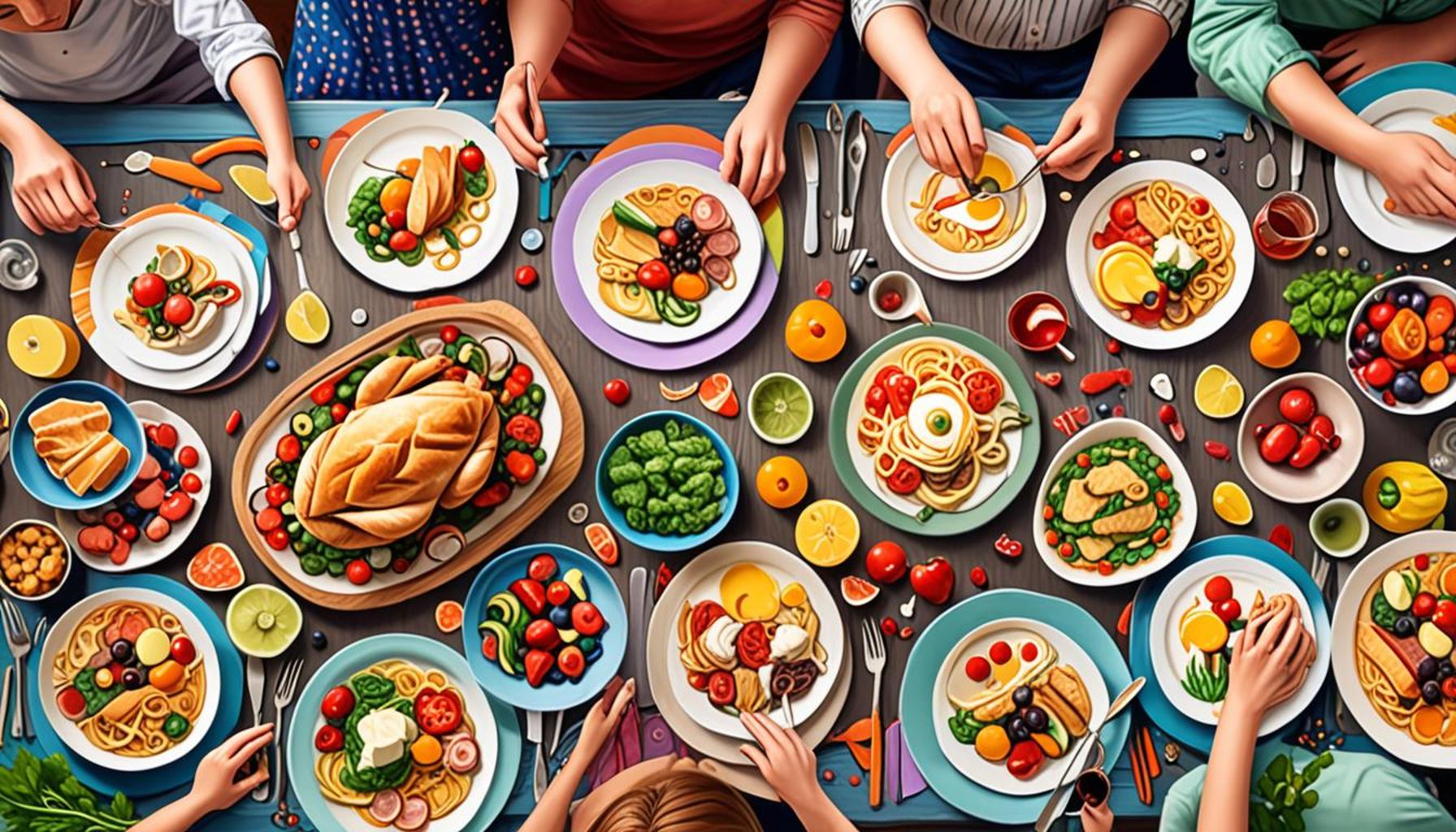
Bringing Families Together Through Meals
Family lunches serve as more than just a meal; they are an opportunity to cultivate relationships and create lasting memories. They allow family members to connect, share stories, and build traditions that can be passed down through generations. In Nigeria, where shared meals often highlight cultural heritage, the significance of a family lunch cannot be overstated.
Why Focus on Family Lunch?
- Strengthening Bonds: Regular family meals foster deeper connections among family members. During lunch, each person has the chance to share their day, discuss challenges, and celebrate achievements. This can be particularly vital in today’s fast-paced world, where individuals frequently find themselves distracted by technology or busy schedules. Setting aside time for lunch promotes open communication and supports emotional well-being.
- Cultural Heritage: Dishes like jollof rice, pounded yam, and efo riro can evoke a sense of pride and belonging. These meals are not just about nourishment but also serve as a narrative of shared history and cultural identity. For many Nigerians, mealtime rituals often reflect regional variations, such as the special spicy flavors of the north or the rich sauces of the south, highlighting the vast culinary diversity throughout the country.
- Creating Traditions: Establishing regular lunch dates or specific dishes for occasions can help create family rituals. For instance, many families might reserve Sundays for preparing a sumptuous feast, making a concerted effort to include everyone’s favorite dishes. This practice can strengthen familial ties and create lasting memories that children can eventually pass down to their own families.
In a world filled with distractions, gathering for lunch becomes a cherished ritual. Whether it’s a casual weekend get-together or a significant celebration, the focus on shared meals fosters emotional ties that are essential for any family unit. The act of cooking and eating together becomes a canvas for love and togetherness, where laughter and stories flow as freely as the palm wine and zobo, vibrant symbols of Nigerian hospitality.
A Canvass of Flavors
Exploring the various culinary delights during these family lunches presents endless opportunities to engage with deep-rooted traditions and modern tastes alike. Families can come together to explore recipes, refine old favorites, and even introduce new flavors into their meals. Imagine a gathering where each member brings a dish from a different part of Nigeria—perhaps egusi soup from the west, fresh fish pepper soup from the east, and suya skewers from the north. This not only enriches the family’s culinary repertoire but also spurs conversations that strengthen emotional connections.
Moreover, mealtime can also become a learning experience for younger family members, teaching them valuable cooking skills and instilling an appreciation for their cultural heritage. Cooking together encourages teamwork and instills values related to respect and cooperation. As they mix ingredients and savor their creations, families inadvertently weave stronger bonds that will, in turn, carry forward the legacy of communal dining.
Ultimately, family lunches are about more than just food; they are about forging connections, celebrating legacies, and revitalizing traditions. Whether seated around a table laden with traditional dishes or enjoying a casual picnic outdoors, the heart of the family is fed through these moments of shared joy and warmth.
YOU MAY ALSO LIKE: Read read another article
The Heart of Family Lunch: Nurturing Connections Through Shared Meals
In a society where relationships seem increasingly fragile, the ritual of family lunches emerges as a vital antidote. Gathering around a table for a shared meal offers an opportunity for families to turn off their devices, put aside their jobs, and focus entirely on each other. This simple act of coming together cultivates a sense of belonging that is essential for emotional health and stability within the family unit.
Benefits of Regular Family Lunches
- Encouraging Communication: Family lunches often break down barriers that might exist in daily interactions. The table provides a natural setting for conversations to flow freely. Here, family members can engage openly, discussing everything from school projects to current events, and in doing so, they foster an environment where everyone feels heard and valued.
- Building Supportive Networks: During these gatherings, family members form a support system that can help each individual thrive. Sharing personal stories, struggles, and triumphs can lead to advice and encouragement, making each member feel collectively stronger. This bond of mutual support is a foundation that fortifies families against outside pressures.
- Igniting Culinary Creativity: Family lunches offer a canvas for culinary exploration. Each member can contribute their favorite dish or even attempt new recipes, making the lunch an entity of teamwork. Youngsters can learn traditional Nigerian recipes from elders or experiment with new ingredients, thus bridging generations and enhancing culinary knowledge within the household.
- Fostering Accountability: By designating specific days or times for family lunch, members are likely to prioritize these engagements. This commitment can nurture a deeper sense of responsibility towards the family unit, ensuring that everyone is invested in the well-being of each member and the family as a whole.
As families navigate their unique paths, these lunch gatherings transform into a cherished tradition that can be passed down. For many families in Nigeria, experimenting with local dishes fosters a sense of cultural pride and continuity, ensuring that culinary heritage is upheld. From the intricate process of preparing a perfect dish of pounded yam to the joyous chaos of cooking jollof rice, these moments encapsulate shared experiences that etch themselves into the hearts of family members.
Setting the Scene for Lasting Memories
The objective of a family lunch is not merely to enjoy delicious food, but rather to create an atmosphere rich in warmth and connection. The dining space can be adorned with elements that resonate with family traditions, such as colorful tablecloths inspired by local fabrics or decorations that reflect the family’s journey. Inviting extended family members or close friends can amplify the experience, transforming an intimate lunch into a broader communal celebration. The laughter shared over delicious meals and the stories exchanged work together to fortify relationships, providing a sense of belonging that resonates deep within.
Ultimately, prioritizing family lunches means investing time into nurturing relationships that transcend generations. It is within these moments of togetherness that families can heal, grow, and thrive, all while honoring the rich cultural tapestry that binds them together.
| Advantage | Details |
|---|---|
| Enhances Communication | Family lunches provide a platform for open dialogue, allowing members to share experiences and feelings intimately. |
| Strengthens Traditions | Creating specific lunch traditions fosters a sense of belonging and identity, anchoring family members in shared culinary practices. |
The art of family lunch is more than just enjoying delicious meals together; it’s about fostering connections that last a lifetime. As families gather around the table, the simple act of sharing food becomes an opportunity for meaningful interactions. Innovative meal planning can also encourage participation, where each family member contributes a dish, thereby evoking a sense of collective ownership and creativity. Incorporating cultural recipes can deepen understanding of shared heritage, while also introducing younger generations to ancestral culinary traditions. Furthermore, regularly scheduled lunches create a much-needed pause from daily chaos, allowing families to reconnect on a deeper emotional level. By embracing this ritual, families cultivate a nurturing environment where love, laughter, and gratitude thrive, ultimately strengthening the bonds that unite them through generations.
RECOMMENDED: Check out this similar article
The Transformative Power of Family Lunch Traditions
Family lunches are more than just a time to eat; they are pivotal occasions that can transform the fabric of familial relationships. The moments shared over a meal can evoke a sense of nostalgia, linking generations through stories and recipes that are handed down like precious heirlooms. This connection is especially evident in Nigerian households, where traditional recipes often carry historical significance and cultural identity.
Culinary Traditions: A Flavorful Journey Through Generations
In Nigeria, every region boasts its own culinary specialties, creating a rich tapestry of flavors that showcase the country’s diversity. For instance, a meal may include dishes like ofada rice complemented by spicy ayamase sauce or a warm bowl of egusi soup. Engaging children in the cooking process allows them to learn not only how to prepare these dishes but also the stories behind their origins. This culinary education fosters a deeper appreciation for their heritage, thereby enhancing their pride in their culture. Furthermore, it empowers them with skills that become part of their own family traditions when they grow up.
Rituals That Strengthen Family Cohesion
Implementing family lunches as a regular ritual can fortify bonds in various ways. Creating unique lunch themes, such as “International Dish Day”, allows family members to explore and celebrate different cultures and flavors, promoting unity through diversity. For example, one lunch could focus on preparing a dish from the northern region of Nigeria, such as suya, while another could highlight Southern delicacies like banga soup. These themed lunches can spark curiosity and elevate discussions about traditions from varying Nigerian cultures, grounding family members in their shared identity.
- Strengthening Emotional Resilience: Family lunches serve as an informal therapy session, where members can decompress, share stories of their week, and express their thoughts. This practice can lead to greater emotional resilience, as family members develop problem-solving skills together and navigate challenges within their supportive environment.
- Creating Consistent Routines: The predictability of a family lunch—whether weekly or biweekly—offers reassurance, particularly for younger members. Such routines cement expectations and provide a reliable occasion for families to gather, thus maximizing opportunities for bonding.
The Role of Technology in Modern Family Lunches
In the digital age, technology can play an interesting role in enhancing family lunch experiences. Families can set a tech-free zone during lunch hours to ensure that conversations remain at the forefront, fostering connections without distractions. Conversely, they can also utilize technology to facilitate family lunches with remote members. Video calls can bridge the gap, allowing families scattered across cities or even countries to connect during meals, ensuring that no one feels excluded from this vital family tradition.
Ultimately, investing time and energy into the art of family lunch cultivates a rich tapestry of love, support, and cultural heritage. By prioritizing shared meals, families have the power to create lasting memories while deepening the connections that bind them, ensuring that traditions evolve and endure through time.
CHECK OUT: Click here to explore more
Conclusion: The Heart of Family Life
As we reflect on The Art of Family Lunch, it becomes evident that these gatherings serve a purpose far beyond nourishment—they are essential rituals that weave the fabric of family identity and harmony. In a world that is increasingly fast-paced, requiring families to juggle multiple responsibilities, prioritizing a shared meal can become a sanctuary for connection. Each family lunch offers a unique opportunity to foster communication, instill cultural heritage, and create cherished memories that fortify familial ties.
Incorporating family traditions within the context of lunch allows generations to pass down stories and recipes, enriching the lives of both parents and children. This cultural exchange not only nurtures a sense of belonging but also enhances pride in Nigerian heritage. Moreover, with the advent of modern technology, families have the chance to bridge distances and include loved ones who may be far away, reinforcing that the essence of a family meal transcends physical presence.
Ultimately, investing in the art of family lunch is an act of love that prioritizes relationships over mere routine. By consciously creating these occasions, families can ensure they create an enduring legacy—one characterized by unity, laughter, joy, and deep emotional bonds that will last through the ages. So, let us celebrate the power of a simple meal shared together, transforming it into an everlasting tradition that resonates through generations.