The Effect of Socialization on the Development of Healthy Behaviors in Pets
The Importance of Socialization in Pet Development
In the vibrant landscape of pet ownership, socialization serves as a cornerstone for developing healthy behaviors in our beloved companions. While many pet owners believe that basic training is sufficient, the reality is that animal socialization plays an equally vital role in enhancing their overall well-being.
Socialization refers to the process through which pets learn to interact positively with their environment, humans, and other animals. This crucial aspect of development can lead to various benefits, including:
- Improved behavior: Well-socialized pets are less likely to display aggressive tendencies, leading to peaceful coexistence. For instance, a dog that has been exposed to various types of people and animals is more likely to respond calmly rather than with fear or aggression. This is particularly important in urban areas of Nigeria, where encounters with new situations are frequent.
- Reduced anxiety: Cuddly companions that are exposed to new experiences tend to be more adaptable and less fearful. Pets that socialize properly are less likely to develop separation issues, which can be detrimental to their health. Imagine a cat that has never left the home; it may become anxious during a simple vet visit, while a cat accustomed to being around different environments will likely remain calm.
- Enhanced physical health: Social pets are often more active and engaged, promoting better overall health. For example, a dog that interacts with other dogs regularly at a local park, such as those found in bustling areas like Lekki or Victoria Island, tends to stay physically agile and mentally stimulated, resulting in a longer, healthier life.
In a culturally rich country like Nigeria, the importance of socialization cannot be overstated. Between visiting lively markets where the sounds and sights are stimuli aplenty, to exploring the tranquility of the countryside, young pets that experience varied interactions are likely to develop greater resilience and confidence. For instance, a puppy that explores its owner’s bustling neighborhood or participates in community events can learn to navigate different social cues, which is essential for harmonious living in society.
Moreover, pet socialization can also be pivotal in reducing instances of stray animals. When pets are well-socialized, they are less inclined to flee into the streets out of fear or aggression. Particularly in areas where local wildlife may cross paths with human activity, a well-socialized pet is more likely to handle these encounters gracefully.
In this article, we will explore the profound effect of socialization on the development of healthy behaviors in pets. Prepare to uncover enriching insights that could transform your approach to pet ownership and care, ensuring your pet not only thrives in its environment but also enhances the joy in your life.
Understanding the Mechanisms of Socialization
The process of socialization extends beyond mere acquaintance; it involves a series of interactions that shape a pet’s personality and behavioral responses. This dynamic is particularly noteworthy in young pets, as their exploratory instincts are primarily driven by curiosity. Early exposure to different environments, people, and other animals can significantly impact their adaptability and behavior throughout their lives.
Within the context of Nigeria, socialization encompasses a myriad of experiences as pets engage with diverse stimuli typical in various settings. For instance, the vibrant energy of a local market in Lagos or the serene atmosphere of a village in Enugu can have profound effects on a pet’s perception of the world. As pets acclimatize to varied sounds, scents, and sights, they learn to interpret different social cues and adjust their behavior accordingly.
The Role of Positive Reinforcement
A crucial element of effective socialization is the use of positive reinforcement techniques. When pets are rewarded for exhibiting calm or friendly behavior during social interactions, they are more likely to repeat those behaviors in the future. This concept can be illustrated as follows:
- Encouraging Affection: When a dog is exposed to children for the first time and responds positively, giving it treats or praises reinforces this behavior, making such encounters pleasant.
- Building Confidence: If a puppy experiences a noisy celebration and remains calm, offering reassurance helps it build confidence in handling similar stressors.
- Managing Fear Responses: When a pet reacts fearfully to strangers, slowly introducing social interactions while providing treats can help to gradually reduce this fear, fostering more comfortable future interactions.
The significance of early socialization cannot be stressed enough, particularly in mitigating potential behavioral problems. Fearful or unsocialized pets can exhibit increased anxiety, leading to issues such as excessive barking, destructive behavior, or even aggression. In Nigeria, with its rich cultural events and communal activities, the opportunities for socialization are plentiful, yet many pet owners overlook the critical window for their pets’ behavioral development.
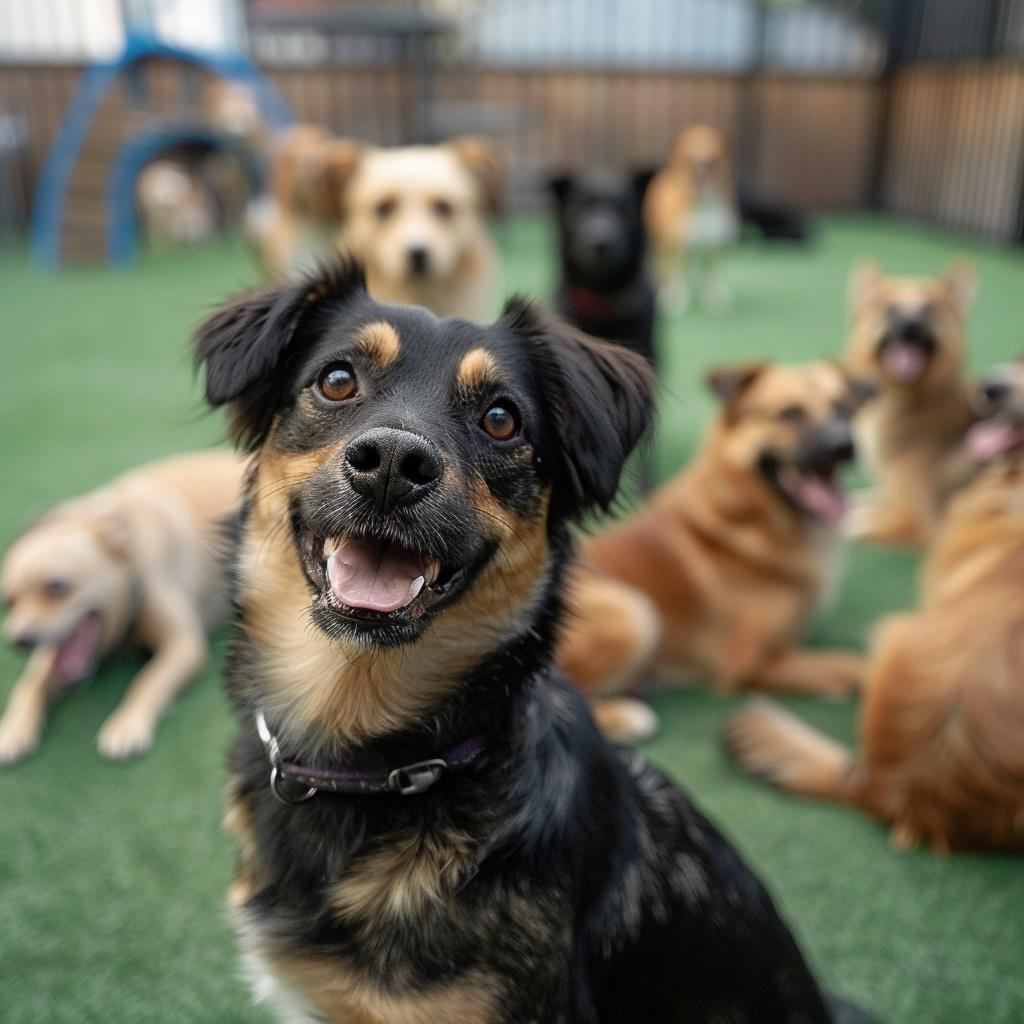
Engaging in community activities or simply taking your pet for regular walks around local neighborhoods can provide invaluable social experiences. Dogs that regularly interact with various people and other dogs tend to develop better impulse control and social skills, essential for living harmoniously in both urban and rural settings. Conversely, pets that lack exposure may struggle in new environments, leading to stress for both the animals and their owners.
The connection between socialization and healthy behavioral development highlights the need for responsible pet ownership. Understanding how to guide pets through social experiences can not only foster joy but also cultivate lasting wellness in them. This awareness is the first step toward becoming proactive in ensuring that pets lead happy, healthy, and manageable lives.”
| Category | Details |
|---|---|
| Social Interaction | Socialization fosters better communication skills among pets, promoting healthier relationships with both humans and animals. |
| Behavioral Benefits | Proper socialization reduces the risk of anxiety and aggression, leading to well-adjusted pets that can thrive in diverse environments. |
In discussing the effect of socialization on the development of healthy behaviors in pets, significant evidence points towards the notion that regular interaction with diverse environments and other animals is crucial. Socialization during early developmental stages equips pets with essential coping mechanisms, which are necessary for encountering different stimuli throughout their lives. This experience not only enhances their adaptability but also encourages them to develop trusting relationships.Pets that undergo consistent socialization are often predisposed to exhibit pro-social behaviors, such as playfulness and cooperation. Conversely, a lack of social interaction can lead to detrimental behaviors such as fearfulness and aggression. Studies indicate that pets who are socialized appropriately tend to be more confident and exhibit fewer behavioral issues, showcasing the importance of integrating social opportunities into their daily lives. Furthermore, socialization has lasting benefits that extend well into a pet’s adult life. Engaging in playdates, visits to parks, and interactive training classes can greatly enhance a pet’s comfort level in various situations, ultimately leading to a more fulfilling life for them and their owners.
Creating a Harmonious Living Environment
The journey of socialization is closely linked to the creation of a harmonious living environment. When pets are exposed to various social scenarios, including noise, strangers, and other animals, they become adept at navigating their surroundings. This adaptability is essential for establishing a stable and healthy environment that nurtures their well-being. In cities like Abuja, where the hustle and bustle can be overwhelming for untrained pets, proper socialization becomes even more critical.
Urbanizing areas pose distinct challenges that can be tackled effectively through socialization. For instance, consider a pet that has only been accustomed to a quiet household with minimal foot traffic. If suddenly introduced to the crowded streets of a busy market, the pet may react with anxiety or aggression, believing it must protect itself. Conversely, a well-socialized pet that has experienced a variety of sounds and experiences is likely to remain calm and composed in such situations, leading to a more relaxed atmosphere for both the pet and its owner.
The Impact on Physical Health
Interestingly, the benefits of socialization are not limited to emotional stability; they extend to physical health as well. Pets engaged in regular social activities often experience increased physical activity, attributable to playtime with other animals or walks in public spaces. This is especially significant in Nigeria, where diverse landscapes encourage exploration and movement. Healthy physical activity reduces the risk of obesity and associated health conditions like diabetes and joint issues.
- Encouraging Exercise: A pet that interacts with companions may engage in more vigorous play, helping to maintain a healthy weight.
- Curbing Boredom-Related Issues: Socialized pets are less likely to develop behavioral problems driven by boredom, such as destructive tendencies within the home.
- Enhancing Overall Well-being: Improved social skills lead to lower stress levels, supporting better immune function and longer life expectancy.
Moreover, socialization has been shown to influence the gut health of pets. Studies indicate that pets exposed to a variety of environments and interactions develop a more diverse microbiome, crucial for digestive health. This aspect can easily be overlooked, yet it plays a vital role in a pet’s overall wellness and vitality.
Challenges of Insufficient Socialization
Neglecting a pet’s socialization can lead to a plethora of challenges, including chronic anxiety and isolation. In Nigerian contexts, pets may experience feelings of loneliness, particularly with many people dealing with busy work schedules. This shift might result in pets becoming overly reliant on their owners for stimulation, often leading to clingy or anxious behavior.
Socialization, therefore, is not merely a luxury; it is a necessity. Pet owners should strive to address this by integrating social experiences into their pets’ daily lives. Organizing playdates, enrolling in training classes, and participating in community events can significantly enhance their pets’ sociability. Knowing that efficiency in socialization can often reflect in behavioral attributes suggests that owners hold the key to a healthier, happy life for their furry companions.
Conclusion: The Vital Role of Socialization in Pet Health
In summation, the impact of socialization on the development of healthy behaviors in pets cannot be overstated. Through diverse interactions and experiences, pets learn to thrive in their environments, leading to a significant reduction in anxiety and an improvement in their physical well-being. As established, a well-socialized pet is not only more adaptable to the bustling life seen in cities like Abuja but also benefits from heightened activity levels that combat obesity and its related health issues.
Moreover, the myriad benefits of socialization extend beyond mere emotional stability, influencing cognitive development and fostering a stronger immune system through diverse exposures. The evidence suggests that pets who engage with other animals and various human experiences develop a healthier microbiome, paving the way for long-lasting health outcomes.
However, the challenges posed by a lack of socialization are real and can lead to chronic behavioral issues and health setbacks. In a rapidly urbanizing Nigeria, where pets often find themselves isolated due to busy lifestyles, the need for proactive measures in enhancing social experiences becomes quintessential. Pet owners must embrace this responsibility and actively integrate socialization into their routines through activities such as playdates and community interactions.
By recognizing the intrinsic link between socialization and a pet’s overall health, we empower ourselves to craft a more fulfilling life for our furry friends. Ultimately, prioritizing socialization not only enriches their lives but also fosters deeper bonds with their owners, ensuring that our pets lead happier and healthier lives. As we continue our journey with our companions, let us be mindful of this crucial element, embracing every opportunity to socialize and nurture our beloved pets.