
The Effect of Success Stories on Behavior Change in Animal Adoption and Care

The Power of Animal Adoption Narratives
Every year, countless animals in Nigeria find themselves in shelters, waiting for a second chance at life. These abandoned, stray, or mistreated animals yearn for loving homes, and success stories of animal adoption not only inspire prospective pet owners but also play a significant role in transforming attitudes toward animal care. These narratives are crucial—they have the power to change perceptions and motivate entire communities toward responsible pet ownership and welfare awareness.
Emotional Resonance in Adoption Stories
One of the most compelling aspects of successful adoption stories is the emotional connections they foster. Each tale often begins with a detailed account of an animal’s plight—whether they were rescued from the streets of Lagos, rehabilitated after abuse, or brought in from a rural area where they faced neglect. These stories don’t just end with the adoption; they continue to illustrate how the bond between the adopted pet and their new family flourished. For instance, a popular adoption narrative involves a once-timid dog named Zephyr, who, after a traumatic start, learned to trust again and became a beloved companion, filling his new home with joy and laughter.
Testimonials and Community Impact
Testimonials from happy adopters serve as powerful encouragement for hesitant individuals. These firsthand accounts highlight the profound joy that adopting a rescued animal brings. Many Nigerian families share their experiences on social media, showcasing their pets’ antics and milestones, which often go viral, raising further awareness about adoption. Moreover, community events designed around adoption successes play an essential role in these transformations. For example, adoption drives, where families can meet animals before committing, are held across various cities, encouraging participation and interaction. Such events celebrate the positive impact of adoption, creating a culture where animal welfare thrives.
Educational Aspects of Adoption Stories
Success stories also enhance understanding of responsible pet ownership, illustrating several important principles. One key lesson is the importance of spaying and neutering to control the pet population and prevent further strays from ending up in shelters. Furthermore, these narratives emphasize the basics of animal care, including regular veterinary checkups, proper nutrition, and training. They outline strategies for creating a loving environment, such as how to introduce a new pet to existing family members or tips on overcoming behavioral challenges.
The Ripple Effect of Sharing Experiences
The ripple effect of sharing these experiences is significant, often leading to substantial changes in community behavior regarding pet ownership. In Nigeria, regions with active adoption campaigns frequently report increased adoption rates and heightened awareness of animal welfare issues. As stories of triumph circulate, they inspire others to participate in fostering, volunteering, or supporting local shelters. By focusing on both the challenges faced and the victories achieved, individuals see relatable examples that resonate deeply, motivating them to join the movement.
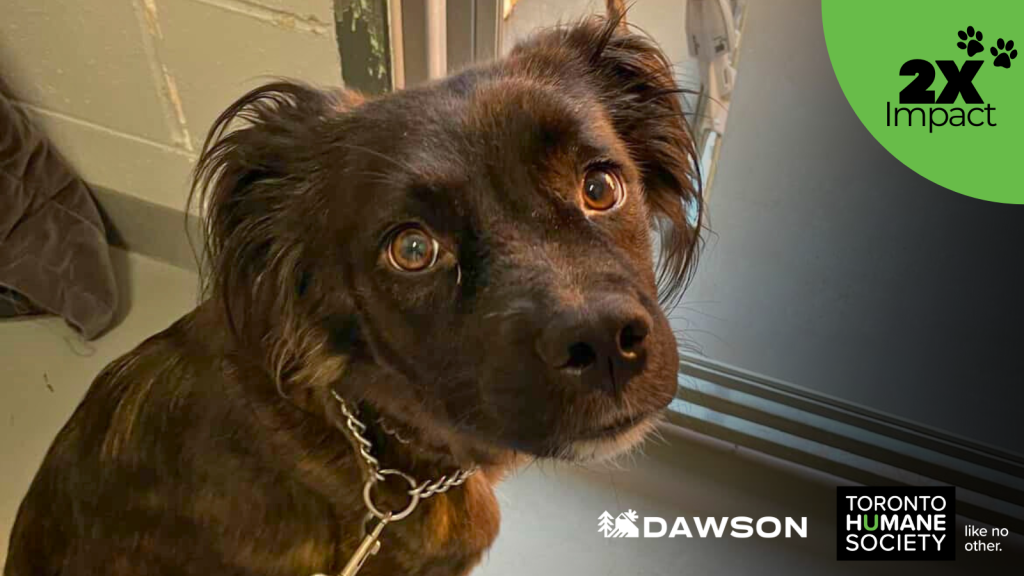
In conclusion, the inspiring tales surrounding the successful adoption of animals in Nigeria not only provide hope for pets but also pave the way for a more compassionate society. By exploring and sharing these narratives, we can contribute to a brighter future for both the animals in need and their human companions.
Transforming Perspectives Through Success Stories
The role of success stories in influencing behaviors around animal adoption and care cannot be overstated. By showcasing the triumphant journeys of once-abandoned pets, these narratives serve as a catalyst for change, prompting potential adopters to rethink their preconceived notions about adopting rescue animals. In Nigeria, where cultural perceptions can sometimes hinder the acceptance of adopted pets, these stories present a compelling case for why adopting is not just beneficial for the animals but also enriching for families.
Shaping Attitudes Through Real-Life Narratives
Success stories radiate authenticity; they are grounded in real-life experiences that resonate with the community’s values and emotions. People are drawn to tales of resilience and transformation, such as that of a once-neglected cat named Simba, who was taken in by a loving family and ultimately became the family’s source of comfort and companionship. Narratives like Simba’s not only highlight the benefits of pet adoption but also challenge the stigma associated with rescue animals, prompting a shift in public attitude toward adopting rather than buying pets.
Engagement on Social Media Platforms
With the advent of social media, the dissemination of these success stories has proliferated. Platforms like Facebook and Instagram allow pet owners and shelters to share touching accounts of adoption, often accompanied by heartfelt images and videos. These narratives encourage a ripple effect where adopters actively advocate for rescue animals within their own networks. Often, engaging content depicting joyous moments—such as a rescued dog playing with children—can reach thousands, sparking curiosity and inspiring others to consider adoption as a viable option. As visibility increases, so does a greater community understanding of the responsibilities associated with pet ownership.
Educational Outreach Leveraging Success Stories
Success stories serve an educational purpose as well, providing insights into essential pet care practices that every owner should know. The narratives typically touch upon critical topics, such as:
- Responsible Feeding: Understanding proper nutrition and dietary needs.
- Regular Veterinary Visits: Emphasizing the importance of checkups and vaccinations.
- Training and Socialization: Guiding new adopters in how to nurture behaviorally healthy pets.
By wrapping these educational messages in emotional stories, organizations and advocates can effectively promote responsible pet ownership, empowering individuals to approach animal care with informed enthusiasm. These layers of information embedded within touching narratives create a well-rounded understanding of what it takes to be a responsible pet owner.
Community Collaboration and Word-of-Mouth Advocacy
Furthermore, successful adoption stories fuel community collaboration and foster a sense of camaraderie among animal lovers. As stories of individual triumphs circulate, they inspire collective action, leading to increased participation in local shelters, fostering initiatives, and volunteer opportunities. In Nigeria, communities that embrace the significance of these narratives often experience a marked increase in adoption rates and donations to local animal welfare organizations. The encouragement of shared stories not only magnifies the impact of individual adoption experiences but also cultivates a supportive environment where animal welfare flourishes.
| Category 1 | Category 2 |
|---|---|
| Positive Narratives | Stories highlighting successful adoptions influence potential pet owners. |
| Community Engagement | Success stories foster communal support and involvement in animal care initiatives. |
The role of positive narratives in animal adoption cannot be overstated. Real-life accounts of joyful pets finding their forever homes resonate deeply with potential adopters. These stories not only evoke empathy but also showcase the transformative power of providing animals with loving homes. Many organizations utilize success stories to demonstrate the impact of adoption, which helps in demystifying misconceptions about shelter animals and enhances the likelihood of adoption. For instance, when potential adopters see heartwarming visuals and hear testimonials from those who previously adopted, they feel more informed and prepared to make a commitment.Moreover, community engagement is significantly enhanced through success stories. As people share experiences, the cycle of positivity continues, encouraging others to participate in animal care initiatives. This can manifest in various forms, such as increasing volunteer work, fostering networks, and organizing events centered around animal welfare. The more stories circulate within a community, the greater the impact on behavior change becomes, fostering an environment where animal adoption and responsible care are prioritized and celebrated. This ripple effect can create a community that not only supports pet ownership but also advocates for a compassionate and positive approach toward all animals.
Inspiring Action Through Shared Experiences
The widespread sharing of success stories has a unique ability to inspire action among individuals who may be on the fence about adopting a pet. When potential adopters connect with the narrative of a rescue animal overcoming adversity, they often see reflections of their own lives and challenges, which creates a profound emotional connection. This connection can transform feelings of sympathy into action. For example, the touching story of a dog rescued from abandonment and later finding a family can kindle a desire in a viewer to make a difference in a similar pet’s life.
The Role of Local Celebrities and Influencers
In Nigeria, local celebrities and social media influencers play a significant role in amplifying success stories. When public figures share their experiences with adopted pets on platforms like Instagram or Twitter, they reach audiences that may not otherwise engage with animal welfare discussions. Their endorsements lend credibility to the cause, encouraging a broader demographic to consider adoption. This trend was exemplified when popular Nigerian musicians showcased their adopted pets, generating buzz and fostering a community of animal lovers who rallied around the cause.
Impact on Adoption Rates
The tangible impact of success stories on adoption rates cannot be understated. When communities see direct evidence of the positive outcomes associated with adopting rescue animals, they are more likely to participate in adoption campaigns. Data from organizations such as the Nigerian Society for the Prevention of Cruelty to Animals (NSPCA) indicates that areas actively promoting success stories have witnessed a noticeable increase in pet adoptions. For example, adoption events that feature the stories of previously homed pets often attract larger crowds and result in higher placement rates than those that do not.
Encouraging Shelters to Share Their Narratives
For animal shelters, the storytelling approach can serve as an effective tool in their outreach strategies. Many shelters in Nigeria now prioritize sharing the journeys of pets in their care, including their rescues and successful placements. Incorporating multimedia elements such as short videos or engaging photographs helps capture the emotional weight of these stories, making them accessible to a wider audience. Community members are more likely to engage and share if the narratives resonate with their values and cultural identity.
Long-Term Community Benefits
In the long run, the promotion of success stories fosters a culture of compassion and responsibility within communities. As people become accustomed to seeing positive outcomes linked to adoption, they begin to develop a sense of accountability towards the animals in their vicinity—encouraging others to adopt, foster, or volunteer at shelters. This shift in mindset nurtures not just a positive attitude towards rescue animals, but it also enhances the overall care standards for pets in the local population. Educational programs employing success stories as teaching tools can help underline the need for proper care and lifelong commitment from pet owners.
This exchange of heartfelt stories cultivates respect and compassion towards animals, directly influencing how communities in Nigeria view and approach pet ownership. As individuals witness the joyful transformations of rescue animals, they are more likely to share these experiences, creating a cycle of awareness and advocacy that reshapes societal norms around animal adoption and care.
Conclusion: Building a Compassionate Future Through Storytelling
The profound impact that success stories have on animal adoption and care is evident, shaping the behaviors and attitudes of individuals within Nigerian communities. By highlighting the transformative journeys of rescue animals, these narratives not only inspire potential adopters but also foster a culture of empathy and responsibility towards animals in need. The strategic use of compelling narratives by shelters and influencers serves as a catalyst for behavior change, leading to increased adoption rates and heightened community engagement. The statistics, such as the rise in pet adoptions reported by the Nigerian Society for the Prevention of Cruelty to Animals (NSPCA), underscore the effectiveness of these tales in mobilizing public action.
Moreover, the ripple effect of sharing these heartfelt stories extends far beyond immediate adoptions. It cultivates a sense of community and social responsibility, as pet owners share their experiences, creating a supportive network that encourages others to participate in animal welfare initiatives. This continuous exchange not only enhances societal norms around pet ownership but also lays the groundwork for overall improvement in the standards of animal care.
As stakeholders in animal welfare—from shelters and influencers to the general public—ponder the significance of these success stories, it becomes clear that embracing this storytelling approach is essential. It not only elevates the voices of the animals but also connects with the heart of the community, driving home the message that every adoption story is a step towards a more compassionate future for all. To truly create meaningful change, ongoing efforts to share and celebrate success stories must be a priority, fostering a cycle of awareness that benefits both animals and humans alike.