The Impact of Digital Platforms on the Spread of Musical Talents in Nigeria
The Impact of Digital Platforms on Nigeria’s Music Scene
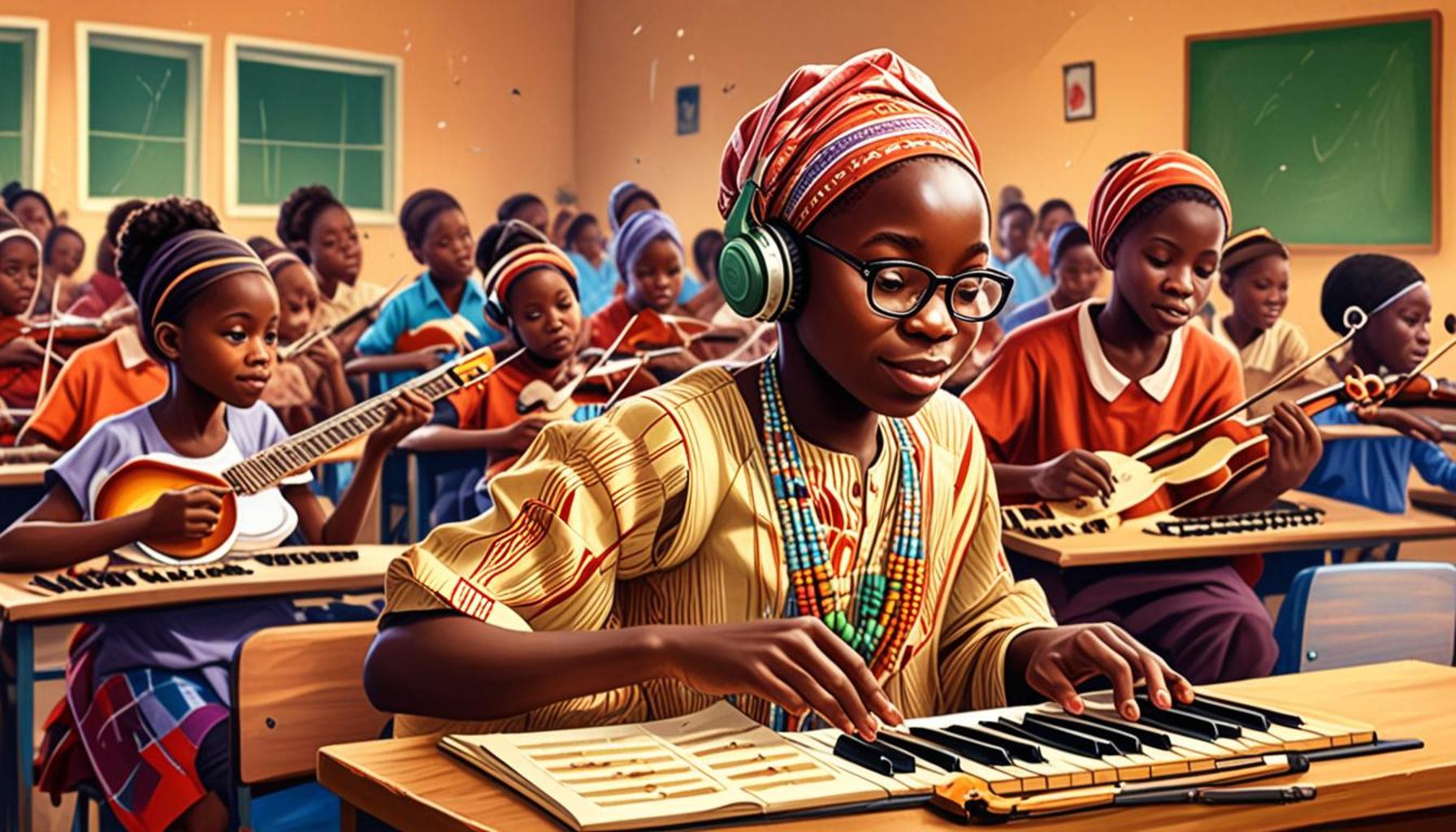
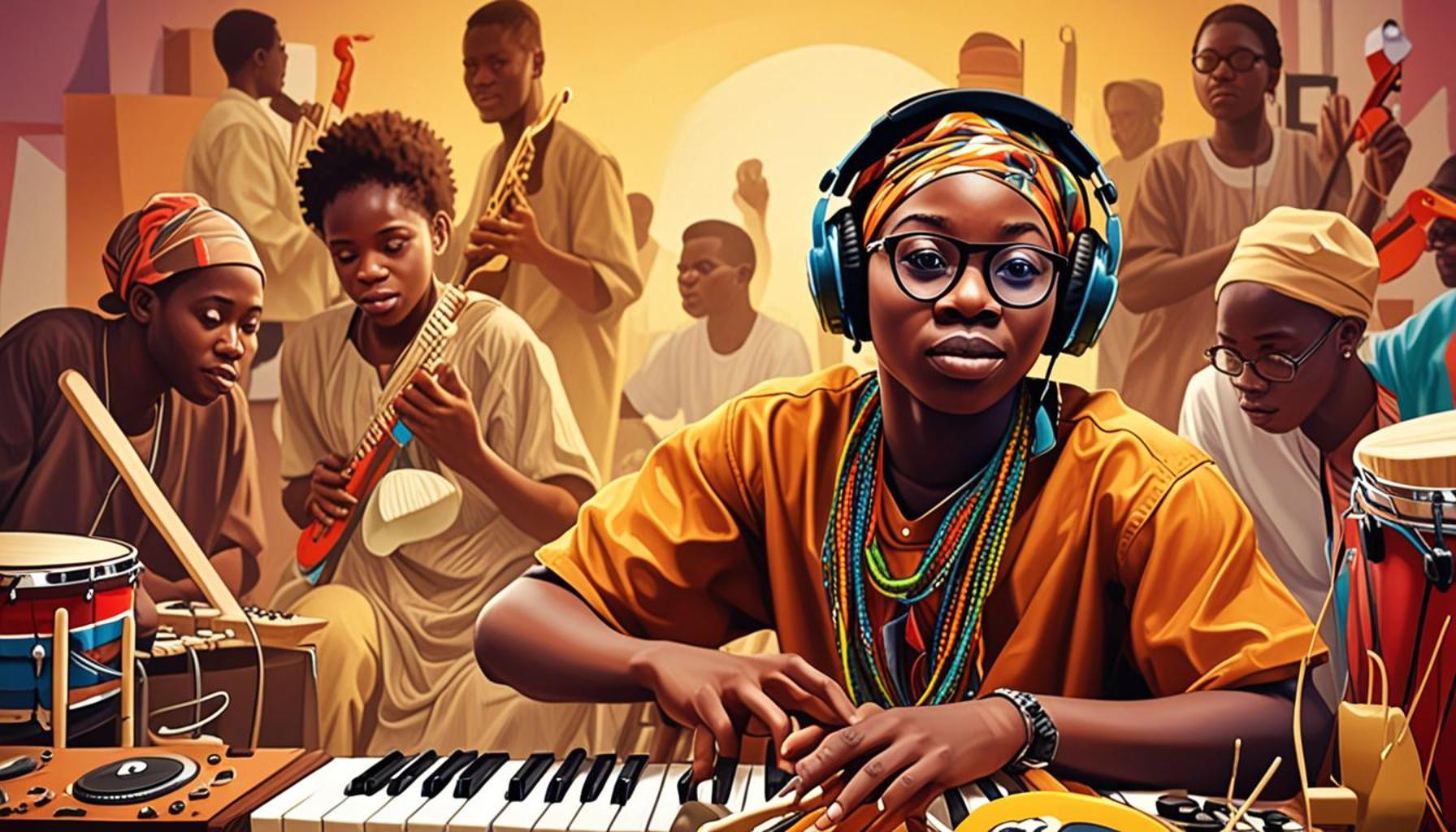
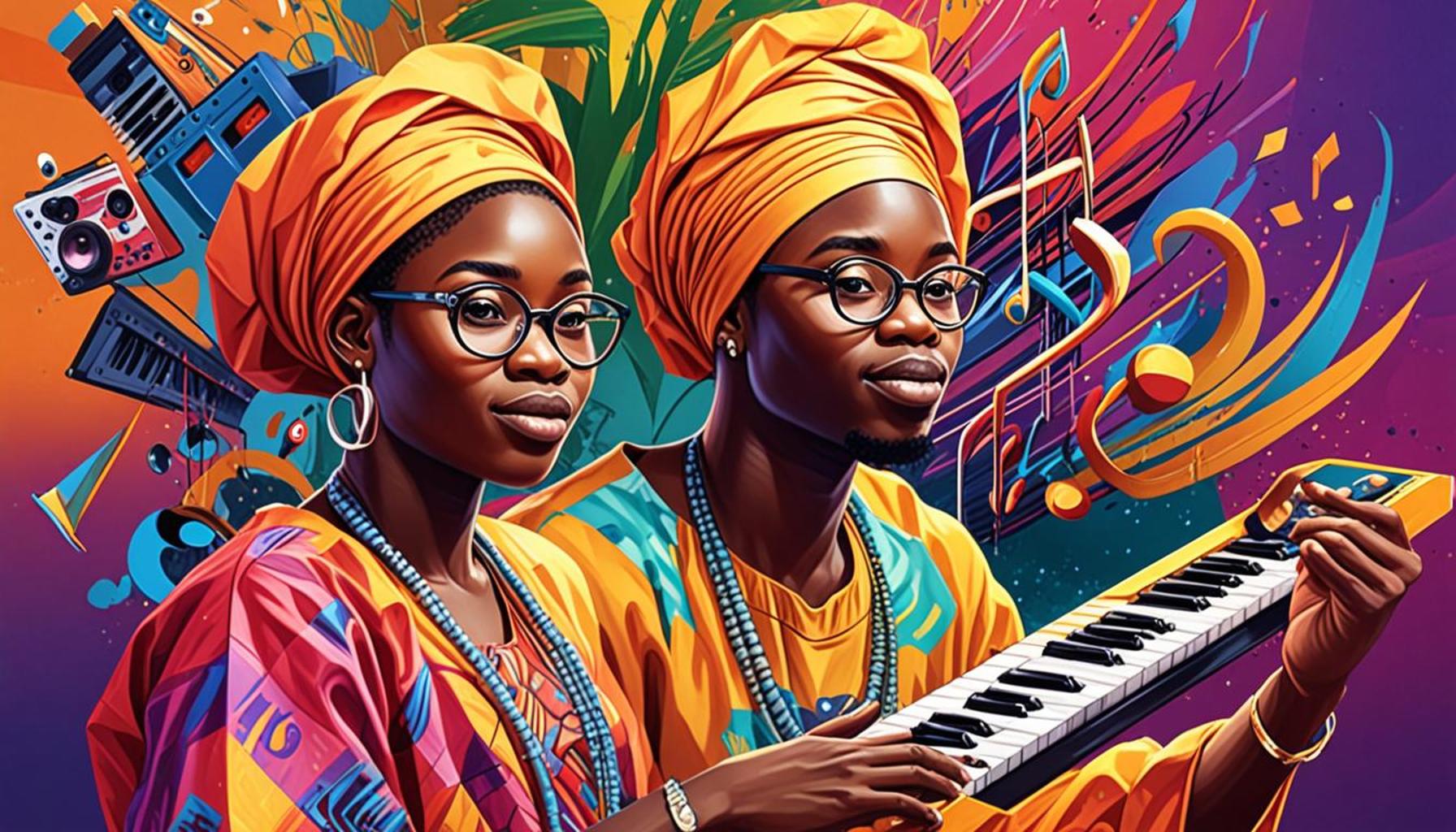
Recently, the Nigerian music industry has experienced a seismic shift, largely driven by digital platforms. These platforms have not only transformed how artists distribute their music but have also redefined how they interact with their fan base and expand their reach. This transformation is defining a new era for music in Nigeria, allowing emerging and established artists alike to thrive in a competitive landscape.
Accessibility and Global Reach
One of the primary advantages of digital platforms is accessibility. Musicians can effortlessly upload their tracks to popular streaming services such as YouTube, Audiomack, and Spotify. This democratization of music distribution means that a talented artist from a small town in Nigeria can compete with established stars on a global stage. For example, artists like Omah Lay and Rema accumulated millions of international listeners primarily through these platforms, demonstrating the potential for regional sounds to gain global traction.
Social Media Influence
Social media influence is another pivotal element enhancing the Nigerian music scene. Platforms such as Instagram and TikTok have become breeding grounds for creativity and talent discovery. Take the case of viral dance challenges associated with popular songs; they can catapult an unknown artist into stardom overnight. TikTok trends like the “Jerusalema Dance Challenge” have shown how dance and music can intertwine to create global phenomena, thereby providing artists with unprecedented visibility and engagement.
Cost-Effective Promotion
Moreover, cost-effective promotion allows emerging artists to market their work without the hefty financial commitment typically associated with traditional music marketing. Through organic strategies such as engaging with fans, leveraging collaborations, and creating shareable content, artists can build their brand and expand their audience. For instance, many Nigerian artists utilize Instagram Stories and live sessions to connect with fans directly, allowing for a more personal music experience.
Emerging Genres and Challenges
Genres like Afrobeats and Highlife are particularly benefiting from these digital innovations. However, this surge in opportunities does not come without challenges. Issues such as copyright violations have become increasingly prominent, raising concerns over intellectual property rights amidst the digital chaos. Additionally, the issue of content saturation necessitates that artists continuously innovate to maintain a distinct identity in a crowded market. The pressure to produce and constantly release new content can lead to creative burnout, making it challenging for artists to evolve their sound while staying relevant.
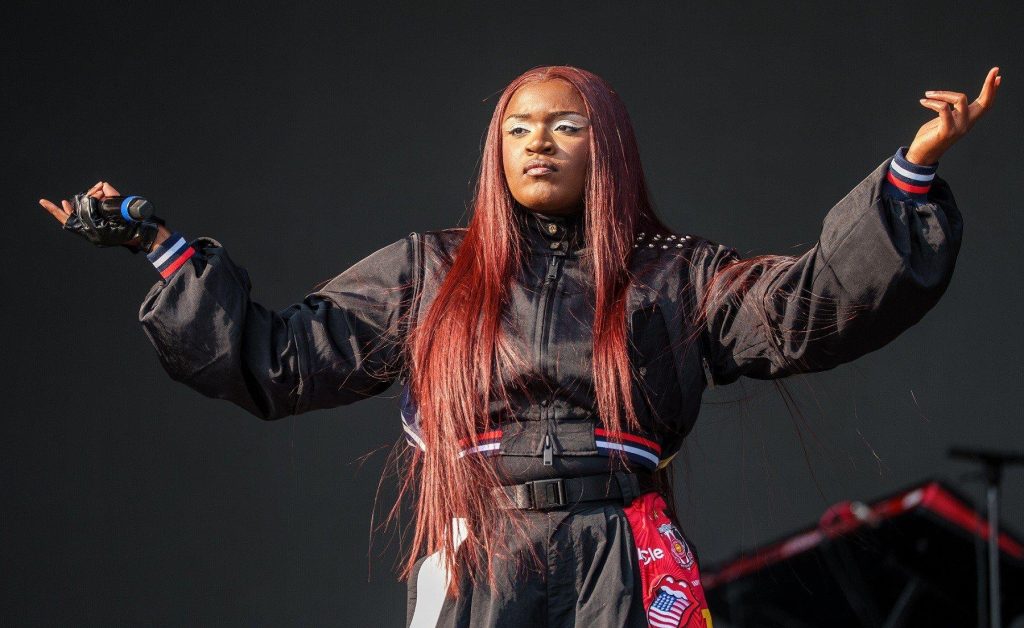
As the reach and influence of digital platforms continue to expand, the dynamics of the Nigerian music scene are poised for further evolution. Aspiring artists who understand these frameworks will be better equipped to navigate the complexities of the digital age. Ultimately, embracing these changes while addressing the accompanying challenges will be crucial for long-term success in this vibrant and rapidly changing musical landscape.
RECOMMENDED: Check out this similar article
Unlocking Opportunities Through Digital Platforms
The emergence of digital platforms has opened floodgates of opportunities for budding musicians across Nigeria, revolutionizing how they promote and share their craft with the world. As internet access becomes more ubiquitous, the barriers that once guarded the music industry have been significantly lowered. Talented individuals from various backgrounds can harness these platforms to showcase their skills, upend conventional norms, and establish themselves as credible artists both locally and internationally.
The Role of Streaming Services
Streaming services like Apple Music, Audiomack, and Boomplay have become essential tools for artists seeking to distribute their music. Importantly, these platforms not only allow for direct streaming but also provide a range of analytics that artists can use to understand their audience better. Through these insights, musicians can tailor their marketing efforts to engage listeners more effectively. For example, Nigerian artist Odunsi (The Engine), who fuses Afropop with an alternative sound, has successfully utilized these analytics to build a dedicated following both in Nigeria and abroad.
Building a Dedicated Fan-Following
The ability to interact and build a fan base in real time is another significant benefit of digital platforms. Engaging with followers through social media helps create a loyal community around an artist’s brand. Artists can share snippets of their work, behind-the-scenes content, and personal stories, making their followers feel more connected. In Nigeria, artists like Wizkid and Tems have effectively leveraged platforms like Instagram and Twitter to keep their fanbase engaged, often turning casual listeners into lifelong supporters.
Promoting Cultural Diversity
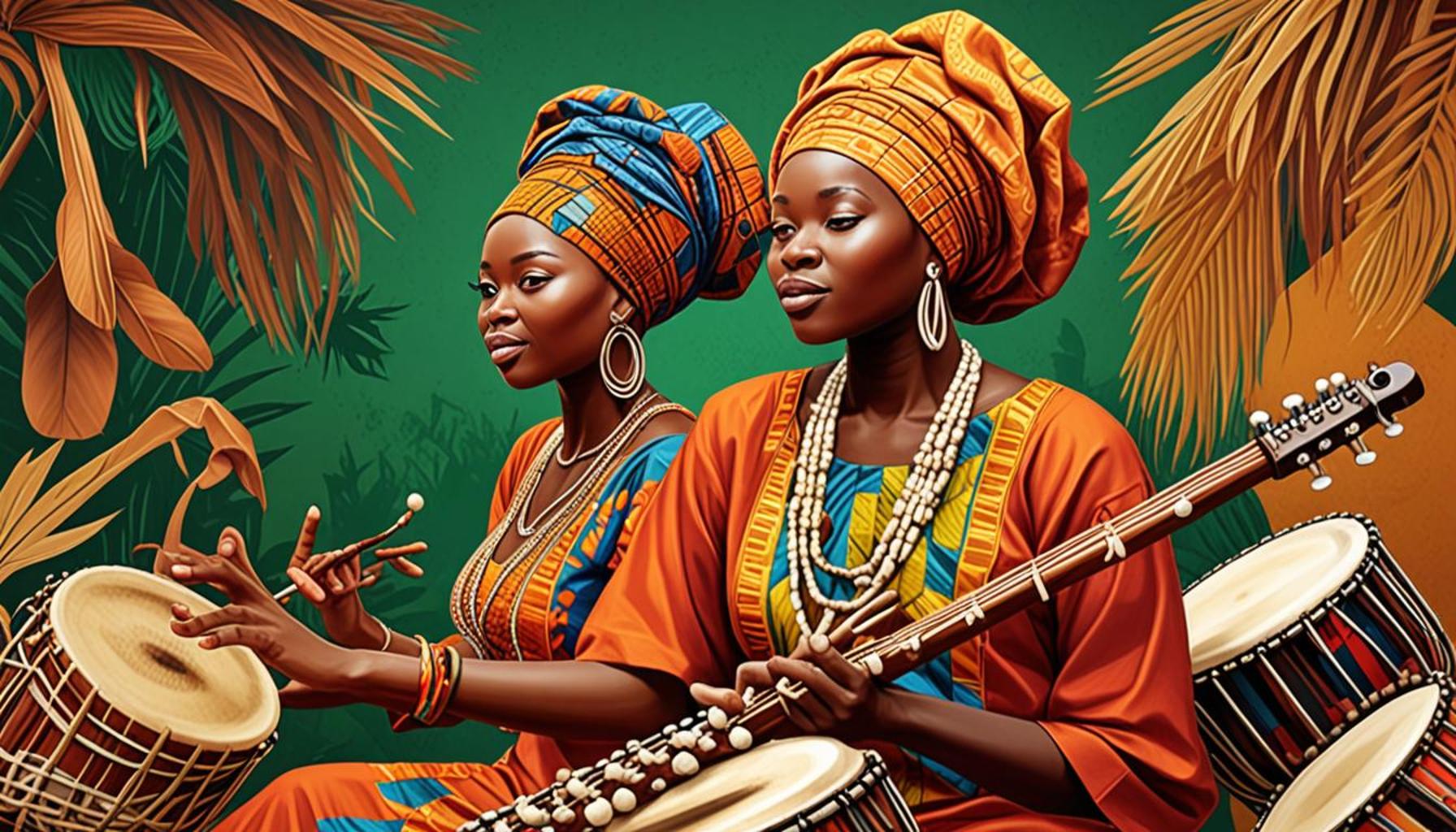
Digital platforms elevate the visibility of various musical genres, enriching Nigeria’s cultural tapestry. This surge in representation is crucial as it fosters a sense of pride in local styles and cultural identity. As a result, genres such as Highlife, Fuji, and Afrobeats receive the recognition they deserve, providing emerging artists with opportunities to collaborate and innovate. This newfound appreciation for diverse sounds can lead to exciting cross-genre collaborations that push the boundaries of the music scene in Nigeria.
Nevertheless, the rapid growth of digital platforms also presents a unique set of challenges. While the number of aspiring musicians is increasing, so are the competitive pressures to stand out. Artists must be discerning in how they craft their online presence and manage their resources to avoid being just another voice in the digital crowd. To remain relevant, successful artists have identified key strategies:
- Consistency in Content Creation: Regular releases keep audiences engaged and maintain a relevant presence.
- Embrace Collaboration: Working with other artists can expand reach and introduce new influences.
- Effective Use of Analytics: Understanding the demographic of followers can drive targeted marketing efforts.
As the digitization of the music industry accelerates in Nigeria, the possibilities for emerging talents are vast. Nonetheless, harnessing this digital potential requires thoughtful strategic planning and innovation, ensuring that amidst the excitement of opportunity, the artistic element remains authentic and vibrant.
The advent of digital platforms has not only transformed the music industry in Nigeria but has also played a monumental role in nurturing and promoting emerging musical talents. Platforms like YouTube, SoundCloud, and social media networks have democratized music distribution, allowing artists to reach listeners directly without the need for traditional gatekeepers like record labels. This shift empowers independent musicians to showcase their work, connect with fans, and build their brand.Moreover, the influence of social media cannot be overstated. Viral challenges, collaborations, and live performances streamed on platforms such as Instagram and TikTok often propel unknown artists into the limelight almost overnight. The interactive nature of these platforms facilitates direct engagement between artists and their audience, fostering a loyal fanbase and creating a community around their music.Another significant element is the availability of music streaming services, like Spotify and Apple Music, which offer a platform for undiscovered artists to reach global audiences. These services have transformed how music is consumed in Nigeria, giving artists access to invaluable analytics and insights about their listeners. This data allows emerging talents to refine their musical styles and target their marketing efforts more effectively.In addition, digital platforms provide essential financial support mechanisms for artists. Through crowdfunding, merchandise sales, and digital concerts, musicians can establish alternative revenue streams independent of traditional music sales. This financial independence fosters creativity, enabling artists to explore unique sounds and themes, enhancing the rich tapestry of Nigerian music.Combining these factors illustrates the profound impact digital platforms have on the spread of musical talents in Nigeria. The landscape is continually evolving, with technology creating new opportunities for artists to thrive and innovate, signaling a bright future for the country’s musical scene.
YOU MAY ALSO LIKE: Read read another article
The Rise of Marketplaces for Independent Musicians
In the heart of Nigeria’s bustling music scene, digital platforms not only provide means for streaming but also serve as vital marketplaces where independent artists can monetize their work directly. Platforms like Bandcamp and Souncloud have enabled artists to sell their music, merchandise, and even organize online concerts. This shift to digital sales has empowered many Nigerian musicians to bypass traditional record labels, allowing greater profit margins and increased control over their artistic output. For instance, rising star Omah Lay leveraged these platforms to establish a profitable relationship with his fans, selling exclusive content and merchandise that resonates deeply with his audience.
The Importance of Digital Marketing
For Nigerian artists, the landscape of digital marketing has transformed dramatically with the evolution of digital platforms. Social media channels like Facebook, TikTok, and even YouTube have become pivotal in shaping an artist’s identity and selling their music. Artists can now curate their brand narratives, showcasing their personalities and artistic nuances while engaging fans in new ways. For example, TikTok has become an especially powerful vehicle for music discovery in Nigeria, where catchy hooks and dance challenges can lead to overnight viral success. This exposure is evident in the rapid rise of tracks such as “Essence” by Wizkid, which gained unmatched popularity partly due to creative TikTok users sharing their routines.
Challenges of the Digital Landscape
Despite the plethora of opportunities presented by these digital landscapes, there are significant challenges that Nigerian musicians must navigate. The saturation of the music market poses a serious hurdle; with thousands of artists vying for attention, standing out becomes a gargantuan task. Furthermore, issues such as piracy and copyright infringement loom large, potentially jeopardizing the financial stability of independent artists. The proliferation of unauthorized downloads can undercut their earnings, which is worrisome in an industry that primarily thrives upon live performances and sales. Organizations like Copyright Society of Nigeria (COSON) are actively working to create frameworks that help protect the intellectual property of artists, seeking to combat such challenges.
Empowering Music Producers and Collaborators
The impact of digital platforms extends beyond musicians to also include music producers, sound engineers, and other collaborators. With tools like Fiverr and Upwork, musicians can tap into a global talent pool, acquiring the skills and services they need without geographical limitations. This dynamic has encouraged the birth of diverse soundscapes as artists collaborate internationally, allowing for more innovative musical creations that resonate across different cultures and audiences. Collaborations such as “Jerusalema” by Master KG featuring Nomcebo Zikode, which gained immense popularity across Africa, exemplify how the synergy of talents can propel Nigerian music onto a broader stage.
Moreover, digital platforms have enabled the production of music videos with relatively minimal budgets through widespread access to video editing software and smartphones. Nigerian artists are increasingly sharing stunning visual representations of their music, further engaging audiences in a unique and compelling manner. The rising popularity of channels that spotlight local talent, such as Trace Naija and MTV Base Africa, ensures that these visual stories gain the spotlight they deserve.
SEE ALSO: Click here to read another article
Conclusion
The revolution sparked by digital platforms has undeniably transformed the musical landscape in Nigeria, providing a powerful conduit for emerging talents to reach global audiences. Through platforms such as Spotify, YouTube, and Instagram, artists can now share their sounds and stories, gaining visibility and commercial opportunities that were previously inaccessible. The rise of marketplaces for independent musicians has not only empowered artists to retain greater control over their work but has also facilitated direct engagement with their fan base, as seen with talents like Omah Lay and Wizkid.
However, the journey is fraught with challenges, including market saturation and issues of piracy, which threaten the sustainability of this digital ecosystem. As musicians strive to stand out in a crowded market, the role of digital marketing has become crucial, allowing them to curate their identities and foster deeper connections with audiences around the world. The dynamic interplay between artists, producers, and collaborators has birthed a rich tapestry of sounds that transcends borders, demonstrating the power of digital mediums in orchestrating cross-cultural collaborations.
Looking ahead, it remains essential for stakeholders—including artists, organizations, and policymakers—to address the challenges while maximizing the opportunities presented by digital platforms. Investments in copyright protection, mentorship programs, and digital literacy initiatives can further uplift the Nigerian music scene, ensuring that it continues to flourish in the face of adversity. Ultimately, the fusion of tradition and innovation, fueled by digital trends, will shape the future of Nigerian music, empowering a new generation of creative voices to shine brightly on both local and global stages.