
The Impact of Environmental Health on Pet Health in Nigeria
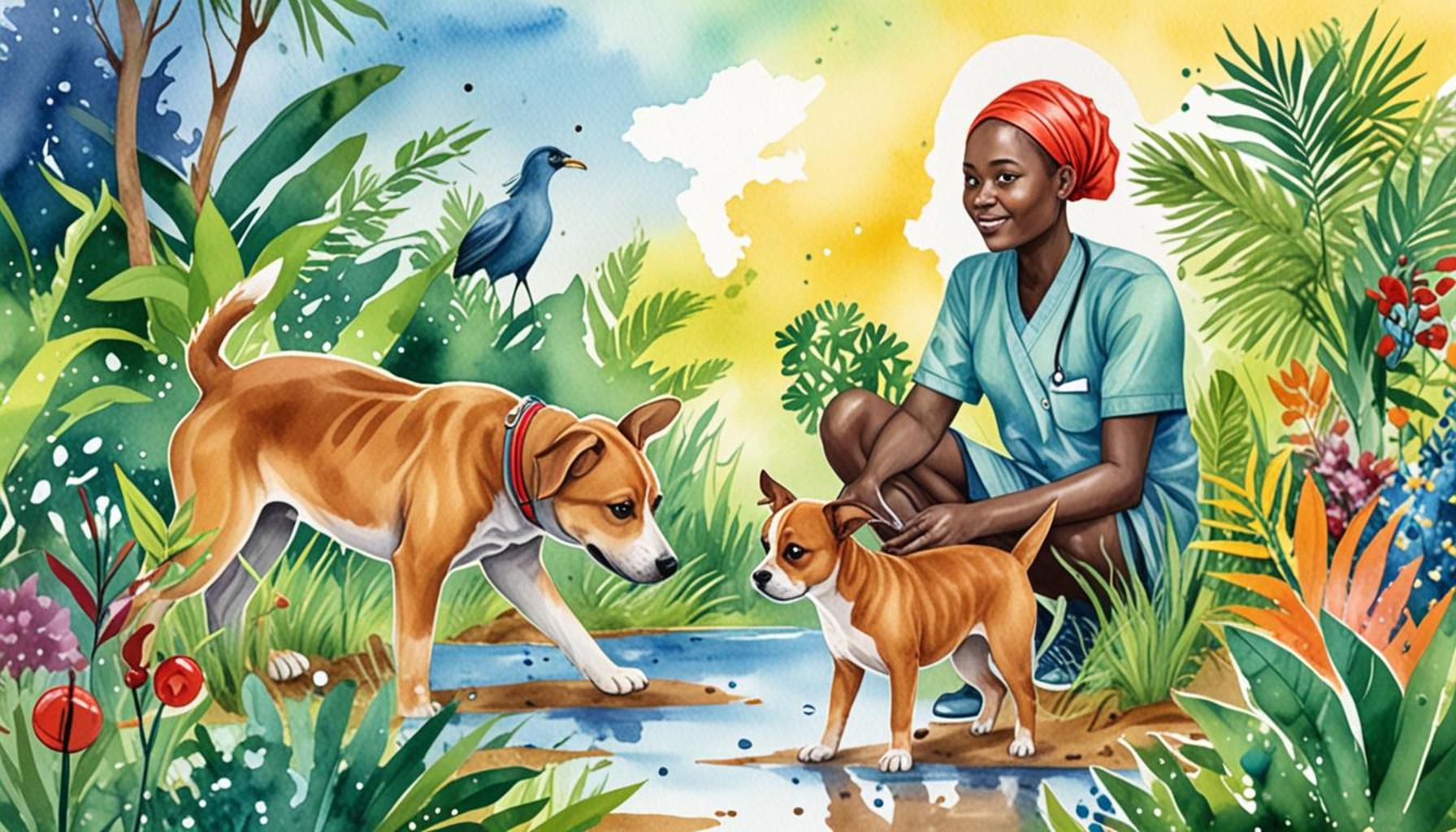
Exploring Environmental Impacts on Animal Wellness
The intricate bond between pets and their environment significantly influences their overall health. In Nigeria, where urbanization is rapidly transforming landscapes and pollution levels are concerningly high, the health of our furry friends becomes increasingly vulnerable. Understanding how environmental factors affect pet well-being not only fosters healthier lives for our companions but also promotes a thriving community for their owners.
Several pressing factors contribute to the deteriorating environmental health in Nigeria:
- Poor waste management: The inefficient disposal of waste, especially in urban areas, leads to the accumulation of debris and organic waste that can harbor harmful bacteria. This not only invites disease but also attracts pests that can transmit infections to pets.
- Contaminated water supply: Access to clean water is critical for both pets and humans. Contaminated water sources can expose animals to various pathogens, leading to gastrointestinal diseases, skin disorders, and even more severe health issues.
- Exposure to harmful pollutants: Industrial and vehicular emissions contribute to air and soil pollution. Pets, particularly those that spend time outdoors, may inhale toxic particles or come into contact with contaminated surfaces, resulting in respiratory problems and allergic reactions.
- Deforestation and habitat loss: As natural habitats shrink, animals are forced to adapt to urban environments, where they encounter new challenges. This change can increase the likelihood of encounters with other wildlife that may carry diseases harmful to domestic pets.
These environmental challenges directly influence the health of pets, leading to a plethora of health issues:
- Increased susceptibility to diseases: Pets exposed to a polluted environment often have weakened immune systems, making them more prone to infections and diseases that can be easily preventable.
- Allergic reactions: Pollutants in the air and on surfaces can trigger allergies in pets, resulting in discomfort, itching, and even chronic conditions if not addressed.
- Respiratory problems: Just like humans, pets can suffer from respiratory illness due to poor air quality, which may manifest as persistent coughing, wheezing, or difficulty breathing.
- Infestations by pests and parasites: The combination of waste accumulation and environmental degradation can create ideal breeding grounds for pests that transmit diseases, posing a danger to pet health.
As pet owners in Nigeria grow more conscious of these pressing issues, it becomes essential to adopt proactive measures that can enhance the quality of life for our animal companions. Initiatives such as community clean-up drives, advocacy for better waste management practices, and education on maintaining clean water sources become pivotal in addressing these challenges. By improving our immediate surroundings, we not only nurture the well-being of our pets but also promote a healthier environment for our entire community.
Ultimately, recognizing the interconnectedness of pet health and environmental quality is a crucial step towards fostering a society where both humans and animals can thrive together. This challenge presents an opportunity for collaboration between pet owners, local governments, and environmental organizations, paving the way for innovative solutions and awareness initiatives that benefit all.
Understanding the Risks: How Environmental Hazards Affect Pets
In Nigeria, where the landscape is shaped by rapid urbanization and a growing population, the interplay between environmental health and pet well-being is increasingly critical. Increasing exposure to harmful conditions can have dire consequences for our beloved pets, warranting a closer examination of these challenges. The following environmental hazards not only threaten the ecosystem but are also detrimental to the health of pets:
- Polluted Air Quality: Cities like Lagos and Port Harcourt are often engulfed in smog resulting from industrial emissions and vehicle exhaust. Pets, particularly those with underlying health conditions, can suffer from chronic respiratory issues. Notably, a study by the Nigeria Centre for Disease Control indicates a rising trend in respiratory ailments among domestic animals, reflecting the adverse effects of pollution.
- Water Pollution: Pet health is intricately linked to water quality. The contamination of water sources, often due to urban runoff and improper waste disposal, poses serious health risks. Veterinary professionals report an upsurge in waterborne diseases like leptospirosis and giardiasis in pets that consume untreated water, highlighting the urgent need for clean water initiatives.
- Inadequate Sanitation: Poor waste management practices, including the improper disposal of pet waste, create environments conducive to disease transmission. Stray animals and pests, thriving in these neglected areas, can spread parasitic infections and zoonotic diseases, which can easily transfer to household pets.
- Vector-Borne Diseases: The degradation of natural habitats has increased human-wildlife interactions, leading to heightened exposure to ticks and fleas. Some of these pests are vectors for diseases such as Lyme disease and Ehrlichiosis, which not only threaten the health of pets but can also compromise human welfare.
To appreciate the impact of these environmental factors on pet health, consider the following health concerns increasingly prevalent among pets in Nigeria:
- Skin Conditions: Contaminants in the environment can lead to skin irritations and allergies in pets. This is especially concerning for breeds with sensitive skin, which may develop chronic issues if not addressed promptly.
- Gastrointestinal Disorders: Exposure to contaminated food and water sources can lead to serious digestive problems, potentially causing pain and malnutrition in pets if not managed correctly.
- Stress and Behavioral Issues: Environmental stressors, including noise pollution and overcrowding, can greatly affect the well-being of pets. This often results in anxiety and behavioral problems that can manifest in destructive behaviors.
The necessity for increased awareness surrounding these environmental challenges cannot be overstated. By fostering a consciousness of how these factors impact pet health, pet owners can take steps towards securing the health and longevity of their furry companions. Community involvement, education on responsible pet ownership, and active participation in environmental health initiatives will play a vital role in creating safer environments for both pets and humans alike. Protecting our pets begins with understanding the threats they face and taking decisive action to mitigate them.
| Advantage | Description |
|---|---|
| Improved Respiratory Health | Clean air is essential for pet well-being, safeguarding them against respiratory diseases. |
| Reduced Infectious Diseases | Proper waste management and sanitation help limit the spread of vectors that carry infections. |
As environmental issues, such as pollution and waste management, become increasingly prominent in Nigeria, the connection between these factors and pet health cannot be overlooked. Reports suggest that pets living in polluted areas face a higher risk of developing respiratory problems due to exposure to harmful airborne particles. Moreover, poor sanitation conditions can increase the prevalence of vector-borne diseases such as heartworm and Lyme disease, which pose significant risks to pets. Enhancing environmental health hinges on community awareness and dedicated initiatives aimed at improving habitats for both humans and their animal companions. As pet owners, fostering a clean, safe, and healthy living environment directly benefits beloved pets, contributing to their longevity and happiness. Access to fresh water and green spaces plays a crucial role in maintaining both mental and physical health in pets. Engaging with local authorities on these matters may initiate positive change, showcasing how collective action can yield benefits for both the environment and animal welfare.
Emerging Trends: Addressing Environmental Health Challenges for Pet Welfare
As the problems stemming from environmental health intensify, innovative solutions and community engagement become pivotal in safeguarding both pets and public health in Nigeria. Addressing these challenges requires a multifaceted approach that encompasses education, collaboration, and policy reform.
Community Awareness Campaigns: One of the most effective tools in combating environmental health threats to pets is raising awareness. Non-governmental organizations (NGOs) and veterinary clinics are increasingly collaborating to conduct outreach programs aimed at educating pet owners about the dangers of environmental toxins and the importance of maintaining a clean habitat. Workshops and community events often feature demonstrations on proper waste disposal techniques, highlighting the impact of waste on pet health. The inclusion of local languages can enhance understanding and participation, making these initiatives more relatable and effective.
Policy Initiatives: Local governments have a crucial role in addressing environmental hazards through stronger regulation on waste management and pollution control. Policies that enforce stricter industrial emissions standards and promote green spaces in urban areas can significantly improve environmental health. Furthermore, enhancing public facilities—such as parks with designated areas for pet activities—can encourage responsible pet ownership while fostering community bonding. Advocacy efforts must push for laws that support the holistic well-being of pets, thus ensuring they coexist harmoniously within urban ecosystems.
Veterinary Support and Training: Veterinary practitioners are on the frontline when it comes to diagnosing and managing environmental health impacts on pets. Continuous education for veterinarians about emerging toxins and diseases is vital. Specialized training on the effects of water and air quality on animal health can empower veterinarians to advise pet owners more effectively. Additionally, veterinarians can play a pivotal role in tracking health trends among pets, generating valuable data that can inform public health initiatives.
Research and Innovation: Innovative solutions are emerging to tackle the environmental health challenges faced by pets in Nigeria. Researchers are studying the impact of climate change on the prevalence of pests like ticks and fleas, thereby helping establish better preventive measures. The adoption of eco-friendly pet products—ranging from organic food to biodegradable waste bags—can significantly reduce the ecological footprint of pet ownership. These products not only safeguard pet health but also contribute to the overall well-being of the environment.
Collaboration with Academic Institutions: Universities and research institutions can be instrumental in addressing environmental health issues that affect pets. Collaborations can result in studies that explore the relationship between urbanization and pet health, elucidating the impact of various pollutants. Engaging students in community service initiatives, such as vaccination drives or public health fairs, allows for practical application of their learning and raises awareness about environmental health issues.
The dynamic interplay between environmental health and pet welfare in Nigeria is a call to action. Recognizing that pets are integral members of families, concerted efforts towards a cleaner environment will not only enhance their lives but also promote a healthier society overall. As pet owners, community leaders, and policymakers join forces, the journey towards achieving improved pet health in Nigeria becomes increasingly attainable.
Conclusion: A Harmonized Future for Pets and the Environment
The significant link between environmental health and pet health in Nigeria calls for urgent attention and action. As pet ownership grows in urban settings, the inadvertent exposure of animals to environmental hazards—such as pollution, waste, and climate change—poses a risk not only to their well-being but also to public health. This interconnection underscores the necessity for a holistic approach in fostering environments where pets can thrive alongside their human companions.
Moving forward, embracing community engagement, effective policy initiatives, and ongoing research becomes essential. By prioritizing education and awareness campaigns, pet owners can gain vital insights into the environmental factors affecting their furry friends. Concurrently, collaboration between stakeholders—including government entities, NGOs, veterinary professionals, and academic institutions—can effectively tackle these challenges, promoting strategies that benefit both pets and the environment.
Furthermore, the adoption of innovative solutions, such as sustainable pet products and eco-friendly practices, offers a pathway to mitigate the impacts of environmental degradation while enhancing pet health. The time is ripe for Nigeria to leverage these opportunities, fostering a culture that values and protects not only the well-being of pets but also the health of the communities they inhabit.
As awareness of the profound impact of environmental health on pet health escalates, it is crucial to champion policies that reflect this understanding. Investing in a healthier environment will ultimately yield dividends for society, ensuring that pets live longer, healthier lives while promoting a cleaner, sustainable Nigeria for all its residents. The shift towards a more harmonious relationship between humans and their pets is more than necessary; it is a responsibility that we must embrace collectively.