The Importance of Art in Personal Expression: How Creativity Can Transform Emotions into Masterpieces
The Universal Impact of Art
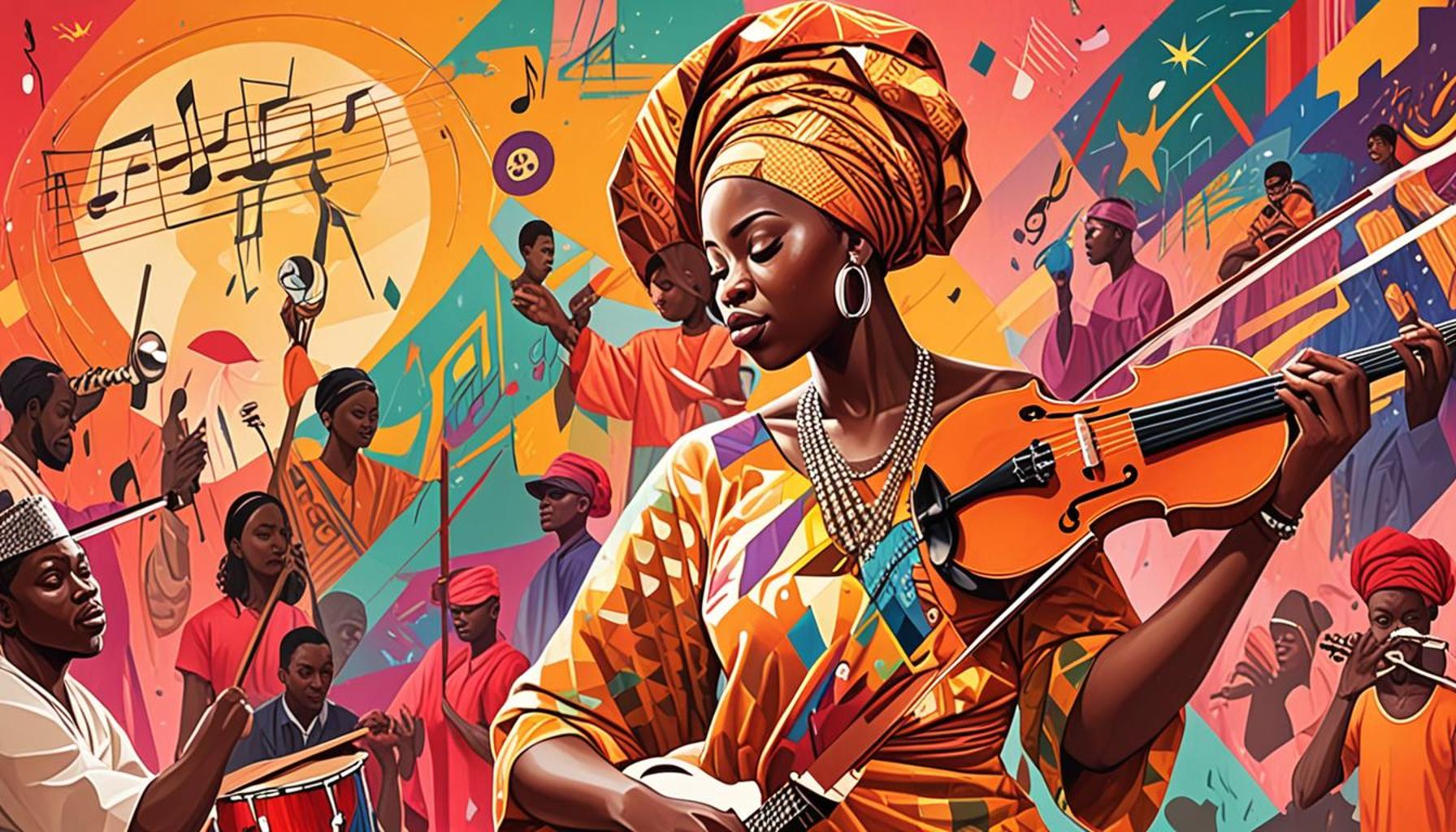
Art is a truly universal language that transcends geographical and cultural boundaries, serving as a medium through which individuals can express their deepest sentiments and thoughts. This unique form of expression fosters a profound connection not just between the artist and their work, but also with the audience who encounters it. In a diverse country like Nigeria, where multiple ethnicities and traditions coexist, art becomes a crucial means of communication that captures the essence of collective identity and shared experiences.
Emotional Release
One of the most profound aspects of art is its ability to facilitate emotional release. Often, words fall short when individuals attempt to convey complex feelings such as sorrow, joy, or anger. Through painting, sculpture, music, or dance, artists can channel these emotions into tangible forms that resonate with others. For example, a Nigerian musician might express their struggles against societal issues through lyrics that speak to the heart, allowing listeners to find solace in shared experiences. This cathartic process not only aids in personal healing but also creates a communal bond among those who relate to the work.
Cultural Reflection
Art also serves as a powerful cultural reflection, encapsulating the rich traditions and current societal issues within Nigeria. Visual art forms, such as traditional masks and textiles, often embody the historical narratives and spiritual beliefs of various tribes. For instance, the vibrant colors of Edo painting speak volumes about the kingdom’s heritage, while contemporary Nigerian artists often tackle pressing social themes such as corruption and inequality through provocative installations. This dynamic dialogue fosters a stronger sense of community and encourages society to confront its challenges through collective creativity.
Innovative Problem-Solving
Engagement with the arts can also enhance innovative problem-solving skills. The creative practices involved in artistic disciplines push individuals to think outside the box, inspiring new perspectives. For instance, a group of young Nigerian entrepreneurs might collaborate with local artists to design public murals that address waste management issues in their communities. This intersection of art and practical problem-solving not only beautifies urban spaces but also educates the public, showcasing art as a tool for social progress.
Ultimately, through a multitude of forms such as painting, music, dance, and writing, individuals transform raw and sometimes turbulent emotions into breathtaking masterpieces. This journey into creativity nurtures self-awareness and can ignite inspiration in others around them. By courageously exploring their emotional depths, many individuals have found pathways to healing and expression that resonate on multiple levels.
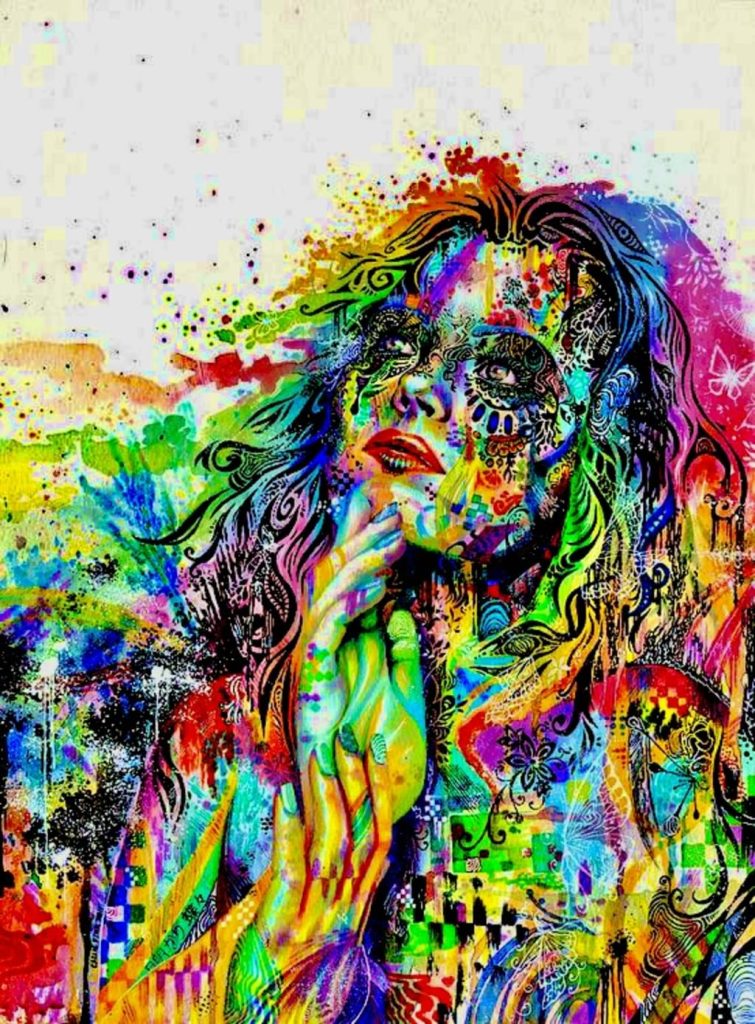
In conclusion, as we continue to explore the significance of art, it becomes evident how it shapes personal identities, influences cultures, and enriches lives. Embracing the transformative power of creativity can indeed turn personal and social turmoil into triumph, reminding us all of art’s capacity to wander deep within the human spirit.
SEE ALSO: Click here to read another article
Art as a Catalyst for Emotional Exploration
The process of creating art goes beyond mere aesthetics; it acts as a catalyst for emotional exploration. For many individuals, especially in the vibrant context of Nigeria, art provides a sanctuary where they can delve into their emotions without fear of judgment. Engaging in creative activities such as painting, writing, or performing facilitates a deep dive into the complexities of the human experience. Through this exploration, artists are often able to confront feelings they might otherwise be reluctant to express.
The Creative Process
The act of creating art is inherently therapeutic. During artistic expression, individuals may experience a flow state, a term popularized by psychologist Mihaly Csikszentmihalyi, where they become fully immersed in their work. This immersive state can lead to a greater understanding of one’s emotions. For instance, a young Nigerian poet may find clarity in their distress over societal issues through the rhythm of their verses, effectively converting emotional turbulence into a crafted narrative. In this way, creativity becomes a coping mechanism that allows people to process their experiences and emotions.
Art Therapy: A Growing Acceptance
Art therapy is gaining recognition as an effective tool for emotional healing, particularly within the Nigerian context. Therapists and psychologists are beginning to incorporate creative elements into treatment plans, utilizing artistic practices to help clients articulate feelings they may struggle to verbalize. This therapeutic approach highlights how art can:
- Facilitate self-discovery: Through artistic endeavors, individuals uncover insights about themselves that they may not have been aware of before.
- Enhance emotional regulation: Engaging in creative processes can teach individuals how to better manage their emotions, leading to healthier responses to stress and conflict.
- Promote community and connection: Group art sessions can foster relationships among participants, creating a supportive network where shared experiences are valued and validated.
As the notion of mental health continues to gain traction in Nigeria, embracing the intersection of art and therapy provides a powerful avenue for personal expression. Moreover, it showcases how creativity can not only serve individual growth but also contribute to collective healing. The beauty of this exchange lies in the diversity of art forms – from traditional storytelling and folk music to modern forms like graffiti and digital art – all playing vital roles in expressing emotions and challenging societal norms.
A Reflection of Identity
Art acts as a mirror reflecting both personal and cultural identity. Within Nigeria, the fusion of various ethnic backgrounds allows for a rich tapestry of artistic expression. Artists often draw from their cultural heritage, interweaving personal narratives with collective memories. This blend results in a unique style that resonates not only with the creator but also with the audience, creating a shared experience that elevates the importance of artistic communication. Therefore, the power of art in personal expression lies in its ability to transcend mere self-representation and cultivate a deeper understanding of the world around us.
In summary, the act of creating art serves as a profound vehicle for emotional exploration and personal expression. As individuals engage with their feelings and unveil complex narratives through their creative outlets, they illuminate pathways for connection and understanding that transcend boundaries. This powerful exchange, rooted in art, demonstrates the significance of creativity in transforming personal turmoil into resounding masterpieces.
The Impact of Artistic Expression on Emotional Health
Artistic expression serves as a powerful outlet for individuals to communicate complex emotions that may be difficult to articulate through traditional means. Engaging in creative activities—whether it’s painting, music, or writing—can assist in processing feelings of joy, sadness, or anxiety, providing a therapeutic benefit that extends beyond mere hobby. According to various studies, involvement in the arts has been linked to reduced stress levels and increased emotional well-being. For instance, art therapy programs are increasingly being integrated into mental health treatment plans, empowering individuals to explore their subconscious and face personal challenges in a safe environment.Furthermore, the act of creating art can offer a profound sense of accomplishment. This personal achievement enhances self-esteem and encourages individuals to embrace their unique perspectives. A study conducted by the National Endowment for the Arts revealed that individuals who participated in creative activities reported significantly higher levels of happiness and life satisfaction compared to those who did not engage in such pursuits. The transformative nature of art is particularly significant in contexts like trauma recovery. Visual arts, in particular, allow individuals to convey their experiences without the limitations of language. Artists who’ve created in the aftermath of distress often produce pieces that resonate with broader audiences, creating a shared understanding of human experience. This connection can be healing, fostering empathetic relationships and providing a sense of belonging.
Art as a Catalyst for Social Change
Beyond personal expression, art has historically played a crucial role in advocating for societal change. Artists often leverage their creativity to bring awareness to pressing social issues, sparking conversations that can lead to meaningful transformation. Whether through powerful imagery in visual arts or thought-provoking lyrics in music, creative expression serves as a formidable tool for social critique and awareness.Concepts such as “artivism” highlight the marriage between artistic expression and activism. Through this lens, artists contribute to social narratives, challenge injustices, and inspire others to take action. Notable movements, like the Harlem Renaissance or contemporary street art, illustrate how creativity not only captures the voice of a generation but also galvanizes communities towards action.As we explore the significance of art in personal expression, it becomes clear that its value extends far beyond individual experiences. The ability of creativity to forge connections, elevate voices, and promote understanding underscores its essential role in personal and societal evolution.
CHECK OUT: Click here to explore more
The Role of Community in Art as Expression
Art is not only an individual pursuit but also a communal experience that reinforces personal expression through collective involvement. In Nigeria, community art projects and festivals act as powerful platforms for creativity and emotional dialogue. From the vibrant murals painted in public spaces to the lively performances at cultural festivals, these gatherings serve as both a celebration of artistic talent and a means for community healing. Think of events like the Lagos Fringe Festival, where emerging artists showcase their narratives while fostering understandings of shared struggles, ambitions, and victories.
Storytelling as an Artistic Tool
Within the Nigerian context, oral traditions hold a significant place in the cultural landscape, showcasing how storytelling becomes an avenue of emotional expression. Artists weave narratives that capture the essence of collective memories, personal experiences, and social issues. This method allows for complex emotions to be articulated in ways that transcend language barriers. For instance, a tale told through *griot* performances can provide insights into historical injustices as well as everyday challenges faced by local communities, enabling audiences to resonate with the emotions portrayed.
The Power of Visual Art in Advocacy
Visual art, particularly through mediums like graffiti and street art, offers a raw and potent means of expression that challenges the status quo. In major urban centers such as Lagos and Abuja, graffiti has evolved as a visual language reflecting social and political frustrations. Artists use city walls as canvases to voice their dissent, invoking emotional responses that call for action and awareness. This transformative nature of visual art is particularly significant in addressing pressing issues like corruption and poverty, resonating with the emotions of the public and sparking conversations that lead to collective reflection and change.
Artistic Collaboration and Growth
The interconnectedness of artists fosters an environment of mutual inspiration and encouragement. Collaboration allows for diverse techniques and approaches to emerged, further enriching the tapestry of artistic expression. Initiatives such as artist residencies and collaborative workshops create spaces for artists from various backgrounds to exchange ideas and hone their craft. These platforms not only enhance technical skills but also reveal the emotional undercurrents that bind artists together, shining a light on the shared struggles and triumphs that characterize their creative journeys.
This collaborative spirit underscores the importance of community in art as a form of personal expression. As artists unite to express their feelings and narratives, they encourage a culture of openness that contributes to individual and collective healing. The dynamic interplay between personal experiences and communal expression showcases the multifaceted role of art in transforming emotions into powerful masterpieces that resonate deeply within society.
Engaging the Younger Generation
Recognizing the transformative potential of art, many organizations in Nigeria are actively engaging the younger generation in creative pursuits. Programs aimed at integrating the arts into educational curricula serve not only to spark creativity but also to nurture emotional intelligence. By encouraging children and adolescents to express themselves through various art forms, they cultivate an understanding of their feelings, thereby equipping them with the emotional tools necessary for navigating life’s complexities.
For example, initiatives such as the *Creative Arts for Social Change* workshops allow participants to explore their identities and emotions through music, dance, and drama. These experiences reinforce the idea that art is not just a form of entertainment but a crucial means for personal development and emotional exploration.
Ultimately, the intersection of art, community, and personal expression in Nigeria serves as a testament to the profound ability of creativity to transform emotions into resonant masterpieces. As individuals and communities continue to explore this dynamic relationship, the potential for emotional growth and social change remains limitless.
LEARN MORE: This related article may interest you
Conclusion: The Transformative Power of Art
In wrapping up our exploration of the importance of art in personal expression, it is evident that creativity serves as a vital outlet for emotions, enabling individuals to craft their experiences into impactful masterpieces. Through the vibrant tapestry of storytelling, visual advocacy, and community engagement, artists in Nigeria have showcased how art transcends mere aesthetics, becoming a fundamental tool for emotional exploration and social commentary.
The role of community in nurturing artistic expression is significant. By fostering collaborative environments where artists can share their narratives, a culture of openness and healing emerges. This interconnectedness not only enriches the artistic landscape but also sparks dialogues on shared experiences, reinforcing the communal bond that art can create.
Furthermore, the emphasis on engaging younger generations with art aids in the development of emotional intelligence, equipping them with skills essential for navigating life’s complexities. Programs centered around creative expression provide foundational experiences that empower youth to articulate their thoughts and feelings, nurturing future generations of artists who can encapsulate the essence of their realities.
As we reflect upon the myriad of ways art can transform emotions into masterpieces, it is crucial to recognize the ongoing potential for creativity to drive social change. In embracing art as a means of personal expression, we open ourselves up to a world of possibilities that can inspire growth, understanding, and resilience. Encouraging continued dialogue and investment in the arts will catalyze this transformative journey, ensuring that the power of creativity remains a cornerstone of emotional expression in society.