The Importance of Art in Preserving Nigerian Oral History
The Impact of Art on Preserving Nigerian Oral Traditions
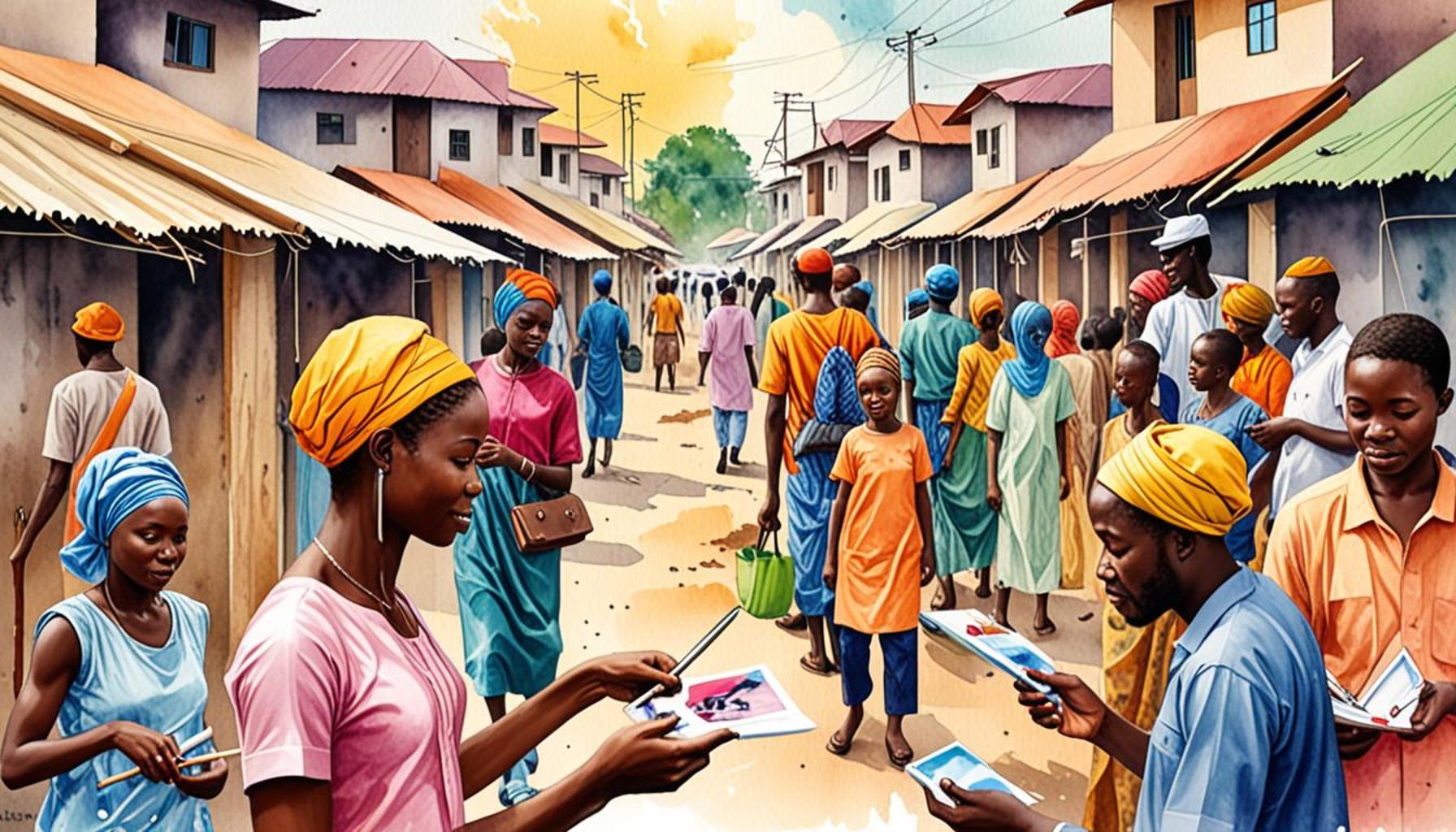
Art is deeply woven into the fabric of Nigerian culture, serving as a vital instrument for the transmission of knowledge and history across generations. Unlike many Western cultures, where written documentation is predominant, Nigerian communities have historically relied on oral traditions to convey their history, beliefs, and values. Art, in its myriad forms, plays a crucial role in this dynamic process.
One of the most fascinating aspects of Nigerian culture is storytelling. Elders often gather to share oral legends that encapsulate the morals of life, cultural practices, and the struggles and triumphs of the community. These narratives, filled with rich imagery and allegory, are often enlivened through dramatic performances, capturing the audience’s imagination. For instance, the Griot tradition among the Yoruba and Hausa peoples exemplifies this practice, where skilled storytellers recount the tales of ancestors, historical battles, and mythical figures, thus ensuring that community values and identities remain firmly entrenched in the hearts of listeners.
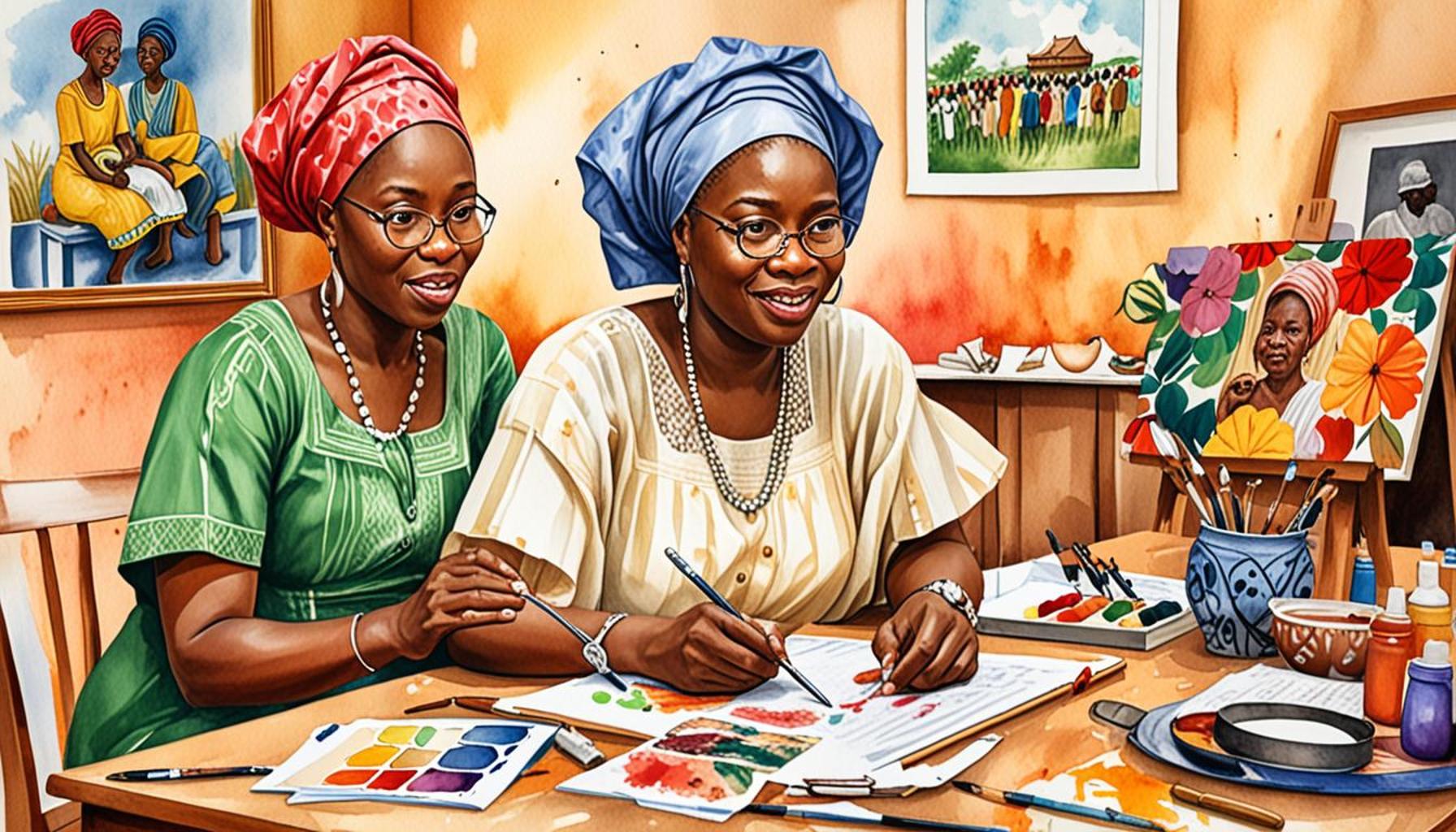
Visual arts, including paintings, sculptures, and carvings, also play a pivotal role in encapsulating historical narratives. Notable examples include the intricate bronze castings from Benin City, which depict historical kings and significant events, providing a visual representation that solidifies these stories within the cultural consciousness. In a similar vein, traditional masks used during festivals often tell the stories of gods and spirits, embodying cultural values and historical references that inform the present.
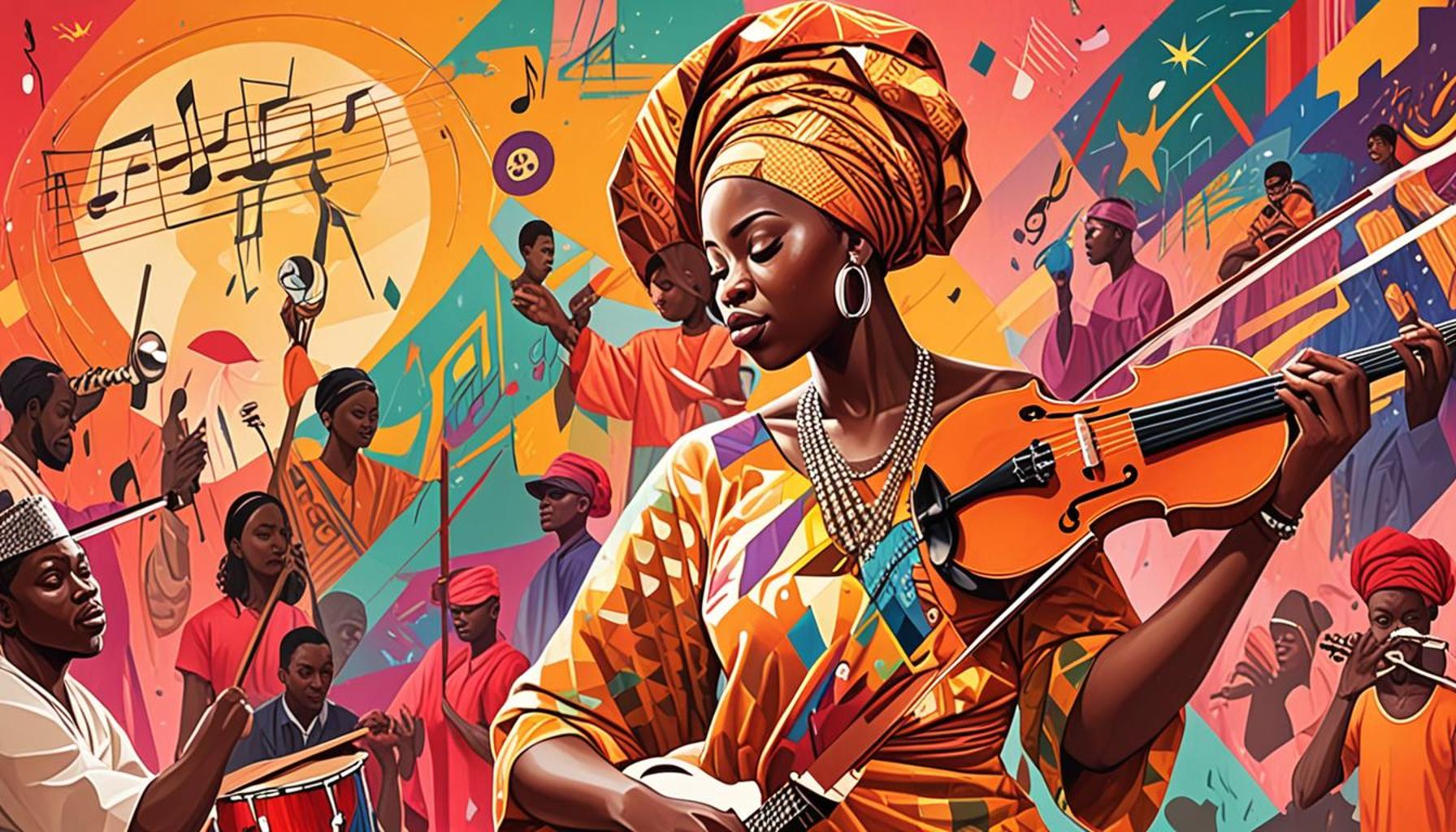
Moreover, music and dance are intrinsic to the oral tradition. In various Nigerian ethnic groups, music serves as both a source of entertainment and a means of communicating stories. Drumming patterns, for instance, are often used to convey messages and preserve historical events. Traditional dances, imbued with symbolic meanings, vividly reenact local legends and folktales. The Ekpe dance of the Efik people, for instance, is not just a performance but a narration of community history and heritage expressed through rhythm and movement.
In essence, art permeates every aspect of life in Nigeria, acting not only as a mode of expression but also as a living archive of a rich cultural tradition. This intersection of art and oral history is critical for cultural continuity, fostering a sense of identity and unity among diverse communities. As we reflect on the significance of these art forms, it becomes clear that they are not simply for aesthetics or entertainment; they are fundamental building blocks that uphold the spirit and heritage of Nigerian people.
By engaging with these artistic traditions, new generations can explore their cultural roots while fostering a collective memory that transcends time. The ongoing dialogue among performers, storytellers, and visual artists ensures that Nigeria’s vibrant oral histories remain alive and significant, echoing the wisdom of past generations while guiding the path forward.
RECOMMENDED: Check out this similar article
The Role of Artistic Expression in Cultural Storytelling
Artistic expression is the backbone of cultural storytelling in Nigeria, where the preservation of oral history relies heavily on vivid creativity and artistic nuances. In a nation characterized by over 250 ethnic groups, each with its own narratives and traditions, art fosters a unique channel through which these stories can be shared. The intertwining of art and oral traditions not only enriches the tales but also creates a robust framework for sustaining cultural identity.
One cannot underestimate the significance of drama and theater in sharing oral history. In many Nigerian communities, theatrical performances serve as a medium to portray historical events and societal norms, often influenced by >traditional proverbs and age-old wisdom. The use of stagecraft and improvisation allows performers to connect with their audience, creating an immersive experience. The renowned Nigeria Theatre Arts Festival showcases how local troupes use performance art to convey stories that encapsulate the essence of their communities, thereby keeping these narratives alive for future generations.
Folktales, central to Nigerian oral traditions, are often depicted through visual arts. Paintings and murals narrate stories of mythical creatures and legendary heroes, aimed at passing down morals and cultural values. The Zaria Art Society stands as a testament to this creative amalgamation where artists portray depictions of folklore, inviting deeper reflections on Nigeria’s past, identity, and wisdom. Such artworks serve not just as decoration but as historical markers that resonate with people from various backgrounds, fostering dialogue around shared histories.
To further understand the importance of art in preserving Nigerian oral history, it is essential to explore various artistic forms:
- Oral Poetry: Passed down through generations, oral poetry captures the essence of community lives, weaving tales of happiness, sorrow, and heritage.
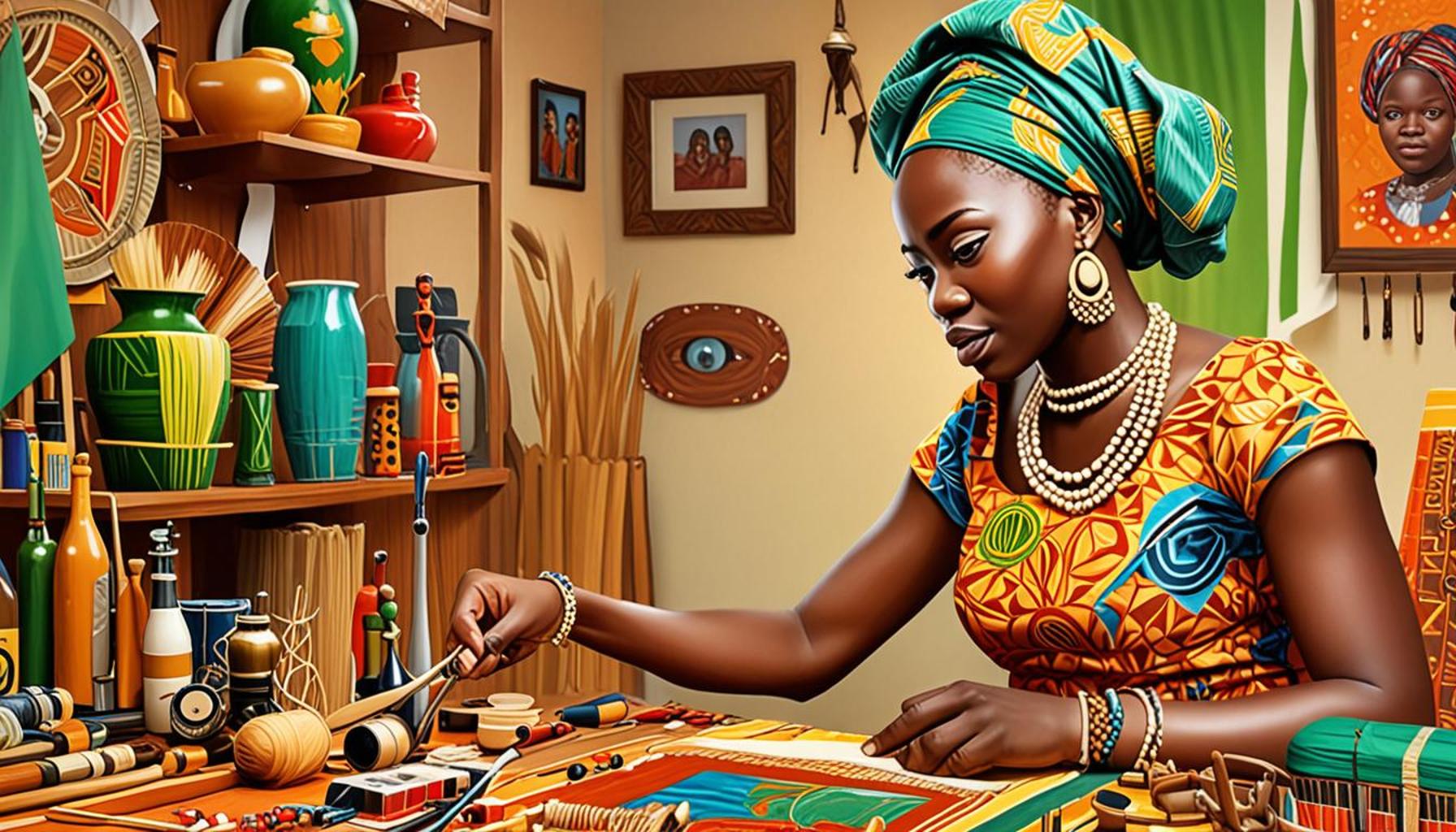
- Crafts and Handicrafts: Traditional crafts, such as pottery and weaving, often incorporate stories from the oral tradition, illustrating the creativity that defines cultural expression.
- Festivals and Celebrations: Events like the Osun-Osogbo Festival use artistic elements, including masquerades and music, to narrate the history and spiritual beliefs of the people.
In this tapestry of expressions, art acts as the guardian of oral history, embodying lessons and customs that might otherwise fade from memory. It positions contemporary artists not merely as creator figures, but as custodians of culture, endowed with the responsibility to ensure the stories of the past endure through their craft. As we dive deeper into this fascinating interplay of art and storytelling, it becomes evident that the preservation of Nigerian oral history is an ongoing journey – one that requires creative innovation to resonate with the younger generations while respecting the traditions that have come before.
| Cultural Significance | Impact on Community Identity |
|---|---|
| Preservation of Heritage | Art serves as a vessel for documenting and transmitting cultural narratives, safeguarding the unique traditions of various Nigerian ethnic groups. |
| Fostering Community Bonds | By engaging in art forms that reflect their oral histories, communities strengthen their identity and forge deeper connections among members. |
Art plays a crucial role in the continuity of Nigerian oral traditions. It encapsulates stories, morals, and values passed down through generations, and ensures that these narratives remain relevant in contemporary society. The vibrant use of music, dance, and visual arts provides a platform for elders to share their stories with younger generations, thus lighting a path for cultural education. Furthermore, projects that focus on the intersection of art and oral history often highlight issues such as social justice and identity, allowing artists to narrate their own experiences and contribute new perspectives to the established narratives. This dynamic exchange not only enriches the community’s cultural tapestry but also inspires broader societal discussions about heritage and belonging. As these stories are visualized and shared, they resonate beyond cultural boundaries, fostering a more profound appreciation for Nigeria’s cultural diversity on a global scale.
CHECK OUT: Click here to explore more
Connecting Generations: Art as a Bridge to the Past
The rich tapestry of Nigerian culture is woven with the threads of art and oral history, creating a narrative that transcends generations. By intertwining contemporary artistic methods with traditional storytelling, artists play a pivotal role in ensuring that the lessons and legacies of the past resonate with today’s youth. With modern digital platforms and innovative artistic expressions, the presentation of traditional oral histories is evolving, yet their essence remains intact.
Today, digital storytelling has emerged as a transformative medium for preserving oral history in Nigeria. Artists and storytellers utilize platforms like Instagram, YouTube, and TikTok to share captivating snippets of folktales and historical accounts through videos, animations, and interactive art. This method not only makes oral history more accessible but also allows younger audiences to engage with their cultural heritage in a relatable manner. For instance, Nigerian artists often create animated retellings of classic folktales, integrating music and digital art to capture the attention of a generation that thrives on technology, ultimately ensuring these stories do not fade into obscurity.
Music also serves as a critical medium in preserving oral history. The incorporation of traditional rhythms and themes into modern genres like Afrobeat and hip-hop provides a platform for artists to reinterpret age-old narratives. Musicians like Femi Kuti and Yemi Alade blend contemporary styles with traditional stories, reviving interest in the rich folklore of Nigeria. Their lyrics often encapsulate historical events, societal challenges, or ancestral wisdom, keeping oral history alive in the collective consciousness. This confluence of genres creates a dynamic atmosphere where traditional stories can thrive in new contexts.
Moreover, community art projects play a vital role in fostering a sense of shared history. Initiatives such as The Art and Culture of Nigeria Project encourage local artisans to collaborate in creating murals and sculptures that depict their community’s stories. These public art installations act as landmarks, inviting residents and visitors alike to engage with the narratives they encapsulate. Such inclusive artistic expressions build community bonds and promote dialogue about the relevance of oral history in contemporary settings.
The exploration of ceramics and pottery further exemplifies the fusion of art and oral history. Traditional pottery, often richly adorned with symbols and motifs, narrates stories passed down through generations. Each piece carries the weight of cultural significance, reflecting the community’s beliefs and practices. Contemporary potters, such as those from the Oyo State artisans, are revitalizing these expressions by infusing modern techniques while respecting the age-old methods, thus bridging the past with the present.
Art in Nigeria is not merely an expression but a vital tool for education and preservation. As artists embrace diverse methods to convey oral histories, they foster a sense of pride and belonging among the youth. The importance of these artistic forms, whether it is music, visual arts, or drama, cannot be overstated, as they serve to maintain the vibrancy of Nigeria’s oral traditions. Continually evolving, these artistic endeavors ensure that cultural memories remain not only preserved but celebrated, drawing new generations into the rich heritage of their ancestors.
RECOMMENDED: Check out this similar article
Preserving Heritage through Artistic Expression
Art serves as the heartbeat of Nigerian culture, pulsating through the narratives of oral history that enrich the nation’s identity. By embracing both traditional forms and modern innovations, artists are critically engaging with the past and ensuring its teachings resonate with future generations. The blend of digital storytelling, music, community art, and handicrafts underscores the versatility of artistic mediums in capturing the essence of Nigerian oral traditions. These endeavors not only illuminate our shared cultural heritage but also stimulate a necessary dialogue about the relevance of these narratives in today’s fast-paced world.
The significance of art in preserving oral history transcends mere documentation; it instills a sense of pride and belonging among the youth while empowering them to embrace their roots. As we witness contemporary artists reinterpreting historical narratives through various platforms, from social media to public installations, it becomes evident that oral traditions are not relics of the past but living entities that evolve dynamically with time. Consequently, this ongoing transformation exemplifies the resilience of Nigerian culture amidst globalization and modernization.
In conclusion, the intertwining of art and oral history is vital for safeguarding Nigeria’s rich tapestry of experiences and perspectives. Encouraging more collaborative projects and embracing innovative expressions will ensure that Nigerian oral histories continue to flourish. As we celebrate these cultural narratives, we must remain vigilant and supportive, recognizing that they are invaluable treasures that reflect the heart of our nation and its enduring stories. Engaging with art, therefore, becomes not just an appreciation of beauty but a profound commitment to preserving our collective memory.