The Importance of Food Rotation in Pet Diets
Exploring the Benefits of Food Rotation for Pets
When it comes to nurturing our beloved pets, proper nutrition is not just a priority, but a vital component of their overall health and longevity. One innovative approach pet owners can adopt to ensure that their furry companions thrive is by engaging in food rotation. This practice involves systematically altering the type of food that pets are offered, which can have significant positive effects on their well-being.
The advantages of food rotation are manifold, and they often resonate profoundly with pet owners seeking to provide the best for their animals. For instance, one of the pivotal benefits is that it prevents allergies. Pets, much like humans, can develop food sensitivities over time. For example, a dog that has been consistently fed chicken-based kibble may eventually become intolerant to chicken, leading to skin irritations or gastrointestinal issues. By rotating foods, pet owners can mitigate these risks and create a more varied diet that helps prevent allergens from dominating their pet’s diet.
Furthermore, maintaining nutritional balance is crucial. Just as humans require a variety of nutrients from different food sources, pets do too. Different types of foods offer distinct nutritional profiles. For instance, red meats are rich in iron, while fish provides essential fatty acids like Omega-3. By rotating through various protein sources and supplementing with vegetables such as pumpkin, carrots, or sweet potatoes, pets can enjoy a well-rounded diet that supports their health.
- Invigorates Appetite: In addition, changing flavors and textures can help keep pets excited about their meals. A cat may prefer fish one day and chicken the next, while a dog might be thrilled to try a new beef stew after weeks of the same kibble. Such variety can make mealtime a more pleasurable experience, ensuring pets eat well and receive the nourishment they need.
In Nigeria, where local food sources are plentiful, pet owners can find exceptional opportunities to diversify their pets’ diets. Ingredients such as goat meat, fish commonly found in rivers, and a range of vibrant vegetables can easily be incorporated into a pet’s meal plan. Not only does this promote better health, but it also supports local farmers and markets, making it a sustainable choice.
Moreover, practicing food rotation can be pivotal in preventing chronic health issues. Long-term reliance on a single food type may lead to nutrient deficiencies or excesses, potentially resulting in health complications down the line. For instance, pets that are fed only dry kibble might miss out on moisture-rich foods that aid in hydration and digestion. Exploring different brands and even homemade recipes can facilitate a more satisfying and fulfilling diet.
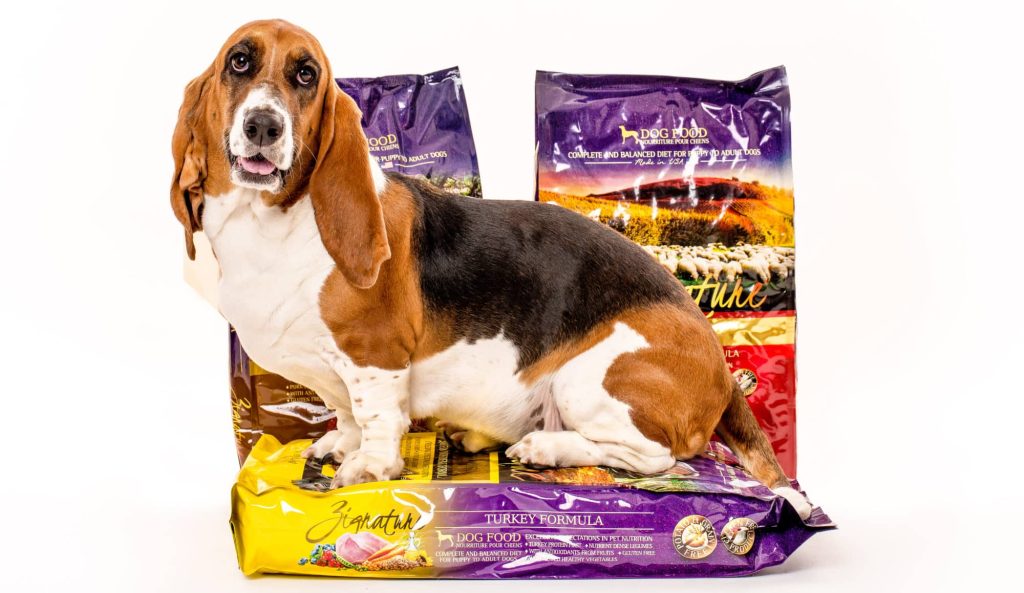
Ultimately, embracing food rotation represents an investment in the physical and emotional health of pets. It nurtures not just their bodies but their spirits as well, contributing to a happier, more vibrant life. Understanding its significance allows pet owners to make informed feeding choices that truly benefit their animal companions.
Enhancing Nutritional Diversity for Optimal Pet Health
One of the most compelling reasons to practice food rotation in pet diets is the way it enhances nutritional diversity. Just as humans benefit from a varied diet rich in fruits, vegetables, and proteins, pets also require an assortment of nutrients from different food sources. The average commercial pet food may not provide the comprehensive range of vitamins and minerals that a pet needs over the long term. By rotating foods, pet owners can ensure their pets receive a broader spectrum of essential nutrients, which is critical for maintaining their overall health.
Many pet owners may not realize that certain nutrients are absorbed better when sourced from varied proteins and ingredients. For example, while chicken is a popular protein in many pet foods, the amino acid profile is quite different when switching to turkey, beef, or even plant-based options. Adding plant-based ingredients can introduce key nutrients such as fiber and antioxidants that are fundamental for a pet’s digestive health and immune function. As such, a pet’s diet should include different protein sources as well as an array of vegetables. Ingredients like spinach, carrots, and sweet potatoes not only make meals delicious but also boost their nutritional value.
- Supports Digestive Health: Regularly switching food types can positively affect the gut microbiome of pets. A diverse diet encourages a more resilient and adaptable digestive system that is better equipped to handle various nutrients.
- Bolsters Energy Levels: Providing your pet with different food options can help maintain energy levels. For instance, switching from a high-carb diet to a protein-rich one allows pets to have more sustained energy throughout the day.
- Improves Skin and Coat Condition: Certain ingredients play a pivotal role in skin health. Fish oils and flaxseeds are rich in Omega-3 fatty acids that support a shiny coat and healthy skin. By varying diet types, you can help your pet achieve an optimal coat condition.
In Nigeria, the use of local ingredients such as beans, yam, and even different types of fish creates a perfect opportunity to diversify pet diets. Not only does this promote a nutritious diet, but it also encourages the use of locally sourced foods, which can be beneficial in addressing the rising costs of imported pet food. Additionally, with the cultural significance of certain grains and vegetables to Nigerian cuisine, integrating these can make feeding time a seamless fit into the household routine.
Understanding the impact of food rotation is essential for any pet owner who wishes to take their pet’s dietary health to the next level. It empowers you to make better choices that are not only aligned with your pet’s health needs but are also culturally relevant and economically sustainable.
| Advantages | Details |
|---|---|
| Nutritional Diversity | Varied nutrients enhance overall health and prevent dietary deficiencies in pets. |
| Preventing Food Sensitivities | Regularly changing food types can help reduce the likelihood of allergic reactions in pets. |
| Enhanced Palatability | Introducing new flavors keeps pets engaged and encourages healthy eating habits. |
| Digestive Health | A varied diet supports gut flora diversity, promoting better digestion and nutrient absorption. |
| Long-Term Health | Consistent food rotation contributes to longevity and vitality, potentially reducing the risk of chronic diseases. |
Food rotation in pet diets offers a multitude of advantages that pet owners should consider for enhancing their pet’s health. For example, nutritional diversity through various food types not only keeps meals interesting but also addresses different dietary needs. Pets can benefit from an enhanced food experience and can develop a tolerance to a broader range of ingredients. Additionally, preventing food sensitivities can make a significant difference in a pet’s quality of life, as it allows them to enjoy their meals without discomfort.Keeping pets interested in their food is crucial. This engagement can directly impact their willingness to eat, leading to better health outcomes. Moreover, a well-planned rotation enhances digestive health. By introducing different proteins and grains, owners can ensure their pets’ guts remain balanced and efficient.Finally, adopting a rotating diet can improve long-term health, offering pets a chance to thrive and live their fullest lives. Each of these benefits underscores the importance of thoughtful dietary practices for our animal companions.
Preventing Allergies and Sensitivities in Pets
Another critical aspect of food rotation in pet diets is its significant role in preventing allergies and sensitivities. Pets, much like humans, can develop allergies to certain food ingredients over time. A pet that consistently consumes the same food may become more prone to allergies, as their bodies can become sensitized to specific proteins or additives. If your dog or cat has been enjoying chicken-based kibble for years, switching to a fish or lamb meal can often resolve or reduce gastrointestinal issues and skin irritations that accompany food allergies.
Research indicates that food allergies in pets can be quite common, particularly among dogs. A study published in the *Veterinary Dermatology* journal revealed that approximately 10% of dogs suffer from food allergies. To mitigate this risk, rotating your pet’s diet can be a simple yet effective strategy. By introducing a variety of protein sources and carbohydrate bases, you can lower the risk of your pet developing an allergy to commonly used ingredients.
- Promotes Tolerance to Different Ingredients: Regularly changing the components of your pet’s diet enables their immune system to maintain tolerance to a variety of proteins and grains. This adaptive response can minimize the chance of developing food allergies.
- Reduces the Impact of Recurring Digestive Issues: Pets suffering from chronic digestive issues, such as diarrhea or vomiting, may benefit from food rotation as it allows the digestive system to rest and adapt with different nutrients and textures.
- Encourages Exploration of New Flavors: Just like humans can grow bored with repetitive meals, pets can also experience food fatigue. Switching things up can keep meal times exciting and can encourage picky eaters to develop a more adventurous palate.
In Nigeria, diverse local produce can be cleverly integrated into pet diets to counteract potential allergies. Many Nigerian families cultivate a variety of grains and tubers. For example, introducing pigeon peas or potatoes as carbohydrate sources can complement the protein from local fish or meat while reducing the likelihood of sensitization to commonly used food ingredients. Families can work together to rotate these recipes, fostering creativity while ensuring their pets receive the necessary nutrition.
Additionally, frequent dietary changes encourage engagement with veterinarians or pet nutritionists who can assist in tailoring a diet that aligns with a pet’s unique health needs. Not only does this foster a deeper understanding of each ingredient’s role, but it can lead to proactive solutions for ongoing health issues.
As we continue to learn more about our pets’ health, understanding the importance of food rotation can help pet owners prevent health issues before they arise, ensuring happier and healthier lives for their furry companions.
Conclusion: Embracing Food Rotation for Optimal Pet Health
In conclusion, the practice of food rotation in pet diets emerges as a vital strategy for enhancing the overall health and well-being of our furry companions. By diversifying the types of protein and carbohydrates consumed, pet owners can significantly reduce the risk of developing food allergies and sensitivities, ultimately leading to fewer gastrointestinal problems and healthier skin. This dynamic approach not only minimizes the likelihood of nutritional deficiencies but also fosters a more balanced gut microbiome, which is essential for overall health.
Furthermore, food rotation encourages pets to engage in a variety of flavors, ensuring they remain enthusiastic at mealtime. In Nigeria, the abundance of local food sources offers an exciting opportunity to blend different ingredients, such as beans, yam, or fish, enriching our pets’ diets while supporting local agriculture. This not only provides pets with essential nutrients but also strengthens the bond between pets and their owners as they explore culinary creativity together.
As the understanding of our pets’ dietary needs evolves, it is crucial for pet parents to embrace food rotation as a proactive measure against health issues. Collaborating with veterinarians or pet nutritionists will enhance awareness of the appropriate dietary shifts that can cater to individual health needs. With tailored and varied nutrition, we pave the way for happier, healthier lives for our beloved pets. Together, let’s lead the charge in advocating for better pet diets through the essential practice of food rotation.