The Importance of Music Education in Nigerian Schools
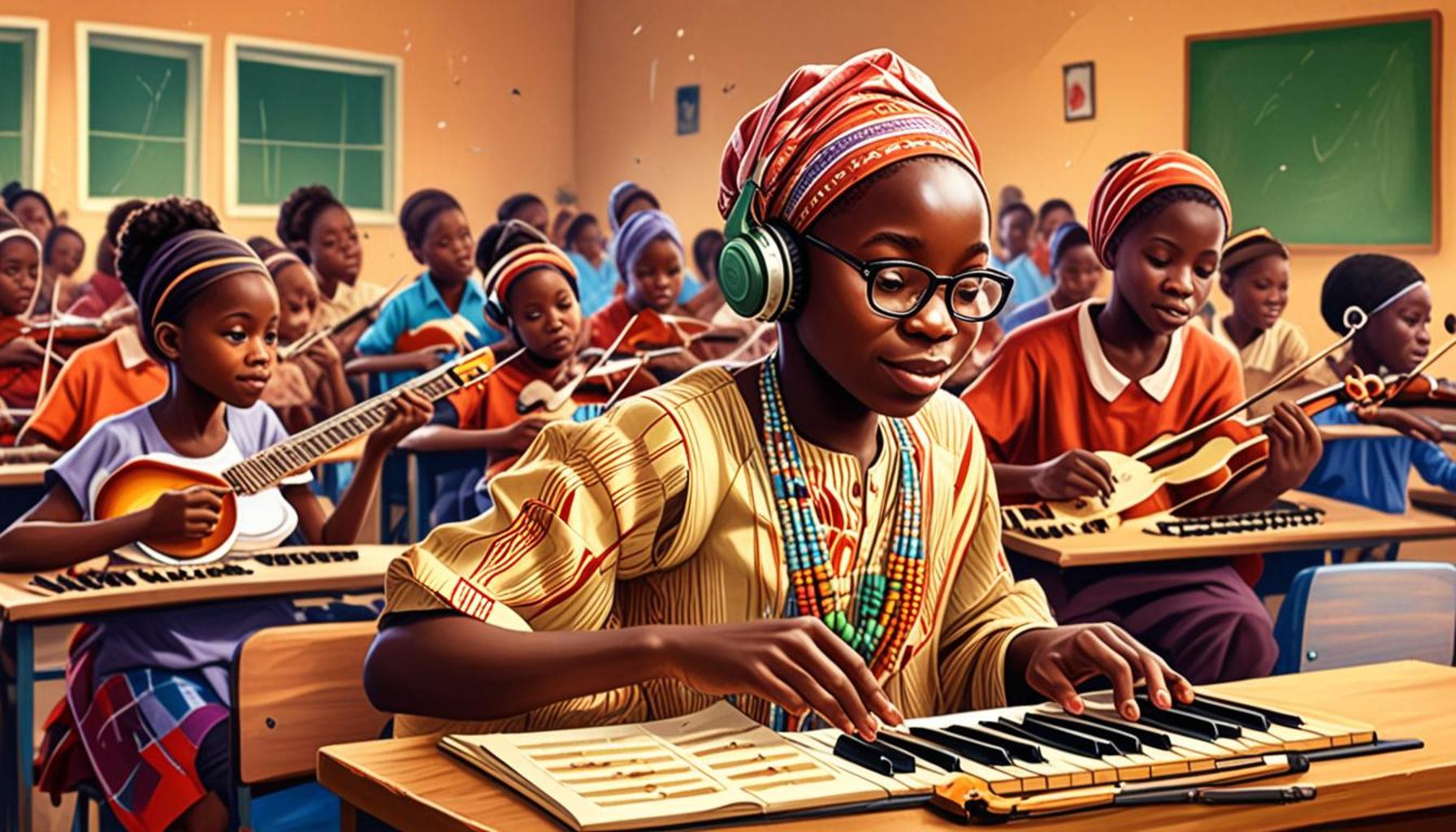
The Role of Music Education in Shaping Future Generations
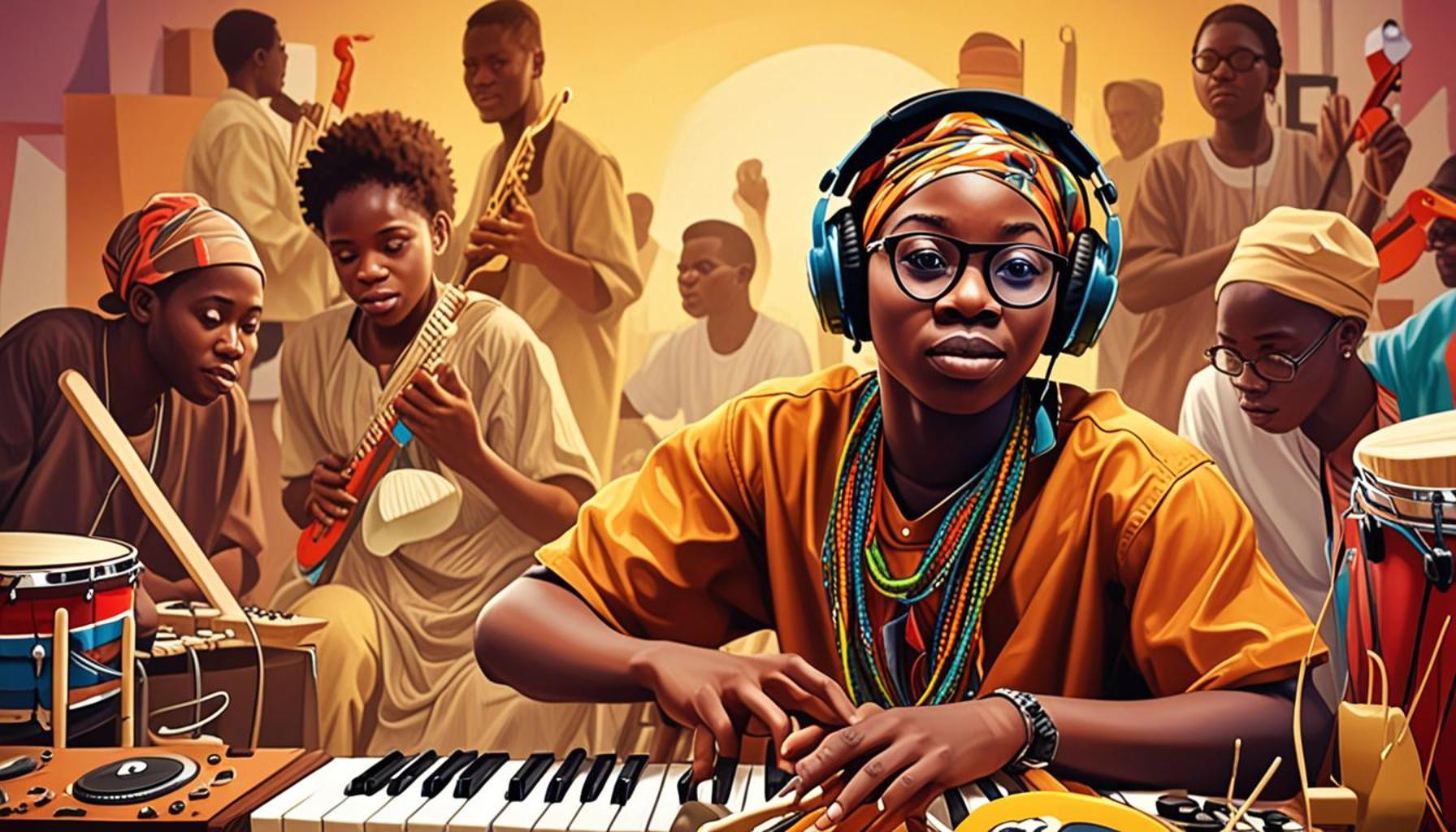
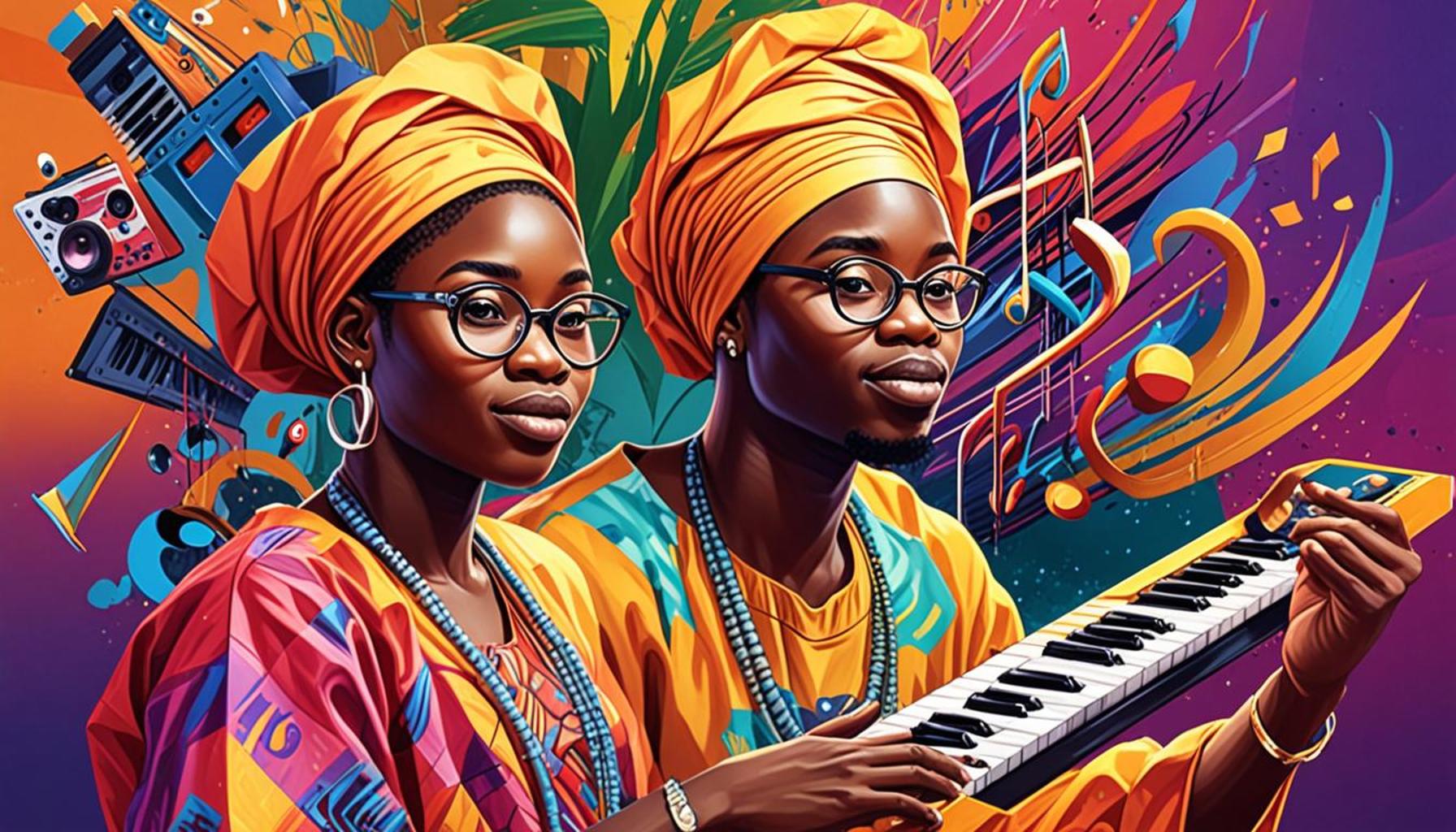
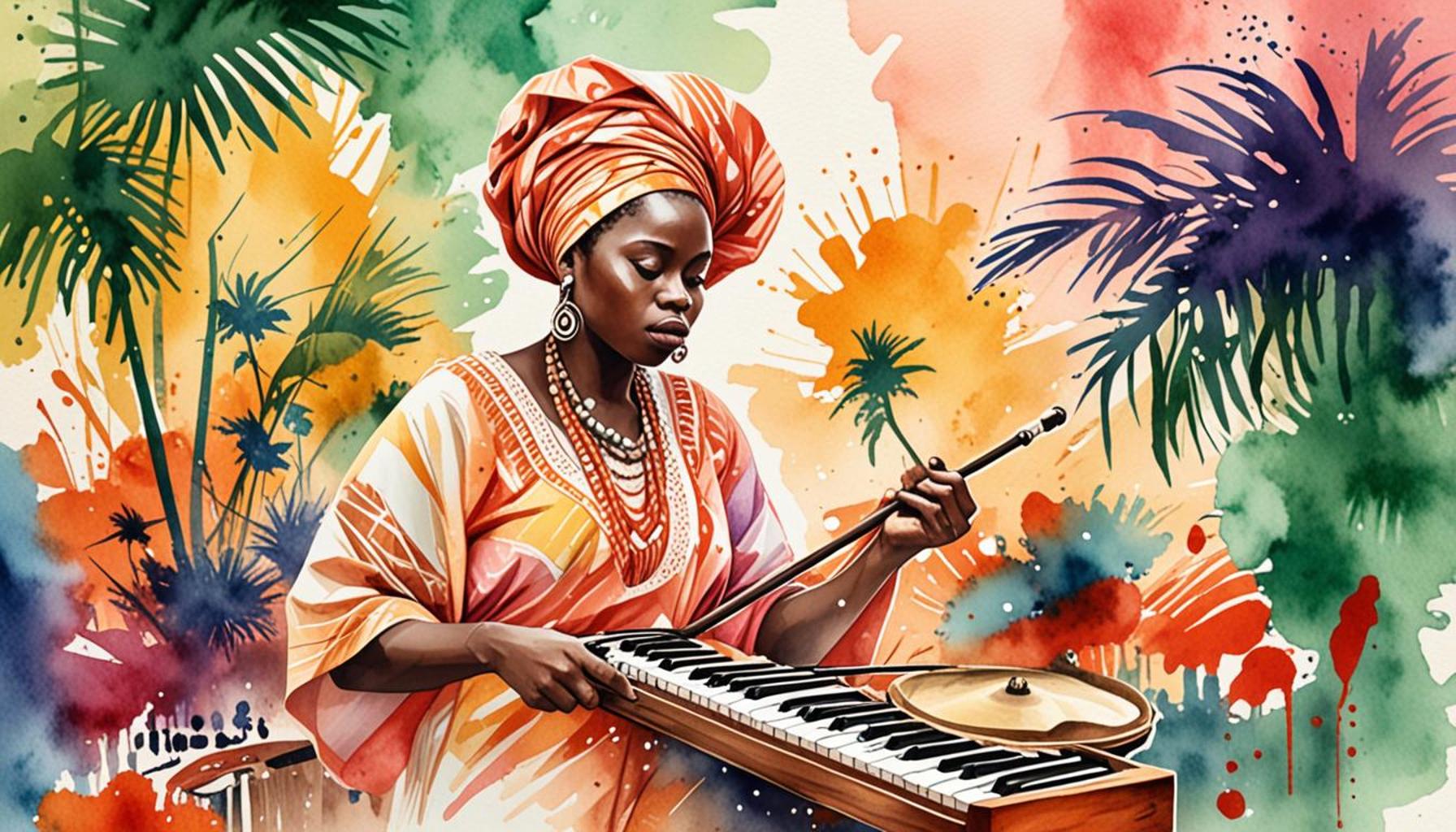
In Nigeria, music embodies the spirit of its diverse cultures, from the rhythmic beats of the Yoruba talking drums to the vibrant melodies of the Igbo traditional flutes. The unique sounds of the nation are not merely for celebration but are the lifeblood of its cultural heritage. However, despite its profound significance, music education frequently occupies a neglected space within school curricula. This raises an important conversation about how promoting and integrating music education into the academic landscape can unlock great potentials and cultivate talents among young Nigerians.
- Creative Expression: Music education serves as a powerful medium for students to articulate their feelings and thoughts. By engaging in musical activities, young learners can explore their identities and expressed emotions, which is crucial in a society rich with diverse narratives. For instance, through songwriting and performance, students can address social issues or personal experiences that resonate culturally and communally.
- Cognitive Development: Research supports that involvement in music enhances cognitive functions such as memory, attention, and problem-solving skills. For example, the process of learning to play an instrument can improve hand-eye coordination and develop fine motor skills while fostering a disciplined practice routine that benefits academics overall. Several studies have demonstrated that students engaged in music programs often excel in STEM subjects, particularly due to the mathematical skills involved in rhythm and scales.
- Cultural Heritage: Music education plays a crucial role in preserving and celebrating Nigeria’s rich heritage. By introducing students to traditional music forms, such as Juju or Afrobeat, alongside modern genres, educators can instill a sense of pride and awareness of one’s cultural roots. School programs that incorporate these musical styles can leverage local artists to perform and teach, creating a rich learning environment that connects students to their ancestry.
The benefits of music education extend beyond artistic expression and cognitive growth. Students engaged in music programs typically exhibit improved outcomes in other academic fields, including language and mathematic comprehension. This holistic model suggests that incorporating comprehensive music programs within Nigerian schools is not just beneficial—it is essential. Thus, the pressing question remains: what strategies can be developed to advocate for and successfully implement effective music education within our educational institutions?
In considering these questions, it becomes apparent that understanding the multifaceted advantages of music education is key to driving advocacy and policy reform. It is vital to highlight successful initiatives, such as community music schools and cultural festivals promoting local talent, while also addressing the challenges faced, such as insufficient funding and a lack of trained music educators. By collectively pushing for systemic changes, we can ensure that music education finds its rightful place in the hearts and minds of Nigeria’s youth, shaping a generation that appreciates, preserves, and innovatively contributes to its vibrant musical heritage.
LEARN MORE: This related article may interest you
Unleashing Creativity Through Music Education
In an era where creativity is prized, music education emerges as a vital component of holistic development in Nigerian schools. Engaging students in music not only nurtures their natural abilities but also encourages critical thinking and innovative problem-solving. As young minds explore various musical genres, they learn to think outside the box, which is an essential skill in today’s fast-paced world. For instance, the fusion of traditional Nigerian music with modern styles nurtures originality and artistic collaboration, paving the way for new musical expressions that resonate with both local and global audiences.
- Enhancing Social Skills: Participating in music groups and ensembles fosters teamwork and builds interpersonal skills among students. Through collaborative projects like school choirs or band performances, learners build relationships that enhance their ability to work with others—an invaluable skill in both academic and professional settings.
- Boosting Self-Confidence: Music education empowers students to overcome performance anxiety and develop a sense of self-assurance. Whether it’s standing in front of an audience or sharing a composition, students cultivate a belief in their abilities that translates into other areas of their lives, including public speaking and academic presentations.
- Promoting Discipline and Patience: Learning an instrument or mastering vocal techniques requires persistent practice and dedication. Music education instills discipline in students as they set goals and work diligently to achieve them. This commitment to continuous improvement cultivates patience—a quality that is essential for personal and professional growth.
Furthermore, music education serves as a bridge for cultural exchange and understanding among Nigeria’s diverse ethnic groups. By exposing students to various musical traditions, institutions can foster respect and appreciation for different cultures. This cultural awareness becomes essential in promoting national unity, particularly in a multicultural society like Nigeria, where diversity must be celebrated rather than merely tolerated.
Moreover, integrating music education in schools can lead to significant improvements in academic performance. Numerous studies reveal that students who engage in music studies often have higher test scores compared to their peers involved in non-musical pursuits. These correlations highlight the necessity for music programs, emphasizing their role in cultivating both a creative spirit and academic excellence.
As the Nigerian education system grapples with numerous challenges, the question of how to effectively implement and sustain music education programs remains ever pressing. Advocacy for policy change, increased funding for music departments, and the training of qualified instructors are critical steps needed to establish a robust music education framework. The integration of music lessons into the core curriculum is a matter of urgency, as it could profoundly impact the quality of education and cultural literacy of young Nigerians.
| Advantage | Impact |
|---|---|
| Enhanced Cognitive Development | Music education fosters critical thinking, memory skills, and improved academic performance across various subjects. |
| Cultural Identity and Expression | Integrating music education allows students to explore and celebrate the diverse musical heritage of Nigeria. |
Music education in Nigerian schools serves not only as an artistic outlet but as a vital component of holistic development. One of the key advantages is the potential for enhanced cognitive development. Research has demonstrated that students engaged in regular music practice can experience significant boosts in memory retention and problem-solving skills. This cognitive enhancement often translates into improved performance in academic disciplines beyond music.Moreover, music education plays a crucial role in reinforcing cultural identity and expression. By encouraging students to engage with traditional Nigerian music, schools foster a sense of belonging and pride in their heritage. This connection not only enriches the students’ personal identity but also promotes cultural awareness and appreciation within the community. The integration of music into the curriculum can be a powerful vehicle for celebrating the rich tapestry of Nigeria’s musical traditions, while also inspiring a new generation of musicians and artists. By exploring the dual impact of music on cognitive skills and cultural identity, educational institutions can significantly contribute to the growth of well-rounded individuals who are equipped with both intellectual and creative abilities.
YOU MAY ALSO LIKE: Read read another article
Music Education as a Tool for Emotional Well-being
The significance of music education in Nigerian schools transcends mere academic achievement; it plays a critical role in promoting emotional well-being among students. In a country where many young people face various social and economic challenges, engaging with music offers an avenue for expression and catharsis. Music education enables students to process their emotions, allowing for a healthy outlet to cope with stressors associated with daily life.
Research has shown that participation in music programs can reduce feelings of anxiety and depression. As students immerse themselves in musical activities, they experience joy, fulfillment, and a sense of belonging, which are essential for mental health. For instance, children from disadvantaged backgrounds can find solace and hope within music, creating a transformative impact that goes beyond the classroom. School bands and community music initiatives can serve as lifelines, connecting children and allowing them to support one another emotionally.
- Encouraging Lifelong Learning: Music education fosters a love for continuous growth. Students who engage with music are often inspired to explore further, delving into the intricacies of composition, theory, or even music production. This desire for knowledge acquisition carries on into adulthood, with many pursuing music as a hobby or profession, enhancing their lifelong learning journey.
- Integrating Technology: In the digital age, technological advancements have revolutionized musical education. Schools can incorporate digital tools for music creation and production, bridging the gap between traditional music education and contemporary trends. Access to software for composing, editing, and recording music allows students to learn modern techniques that hone their skills and creativity.
- Cultivating Leadership Skills: Music education often places students in leadership positions, whether as a section leader in a band or as a conductor of a choir. This responsibility fosters a sense of accountability and encourages students to step up as role models for their peers, enhancing their leadership abilities significantly.
Furthermore, developing a comprehensive music curriculum can stimulate economic growth within communities. The music industry, particularly in Nigeria, is a burgeoning sector with global influence. By investing in music education, schools equip students with the tools necessary to enter lucrative fields such as music production, sound engineering, and performing arts. The rise of Afrobeat on international platforms is a testament to the potential awaiting young Nigerian musicians, making it imperative for schools to embrace music educational initiatives.
Collaboration with local artists and music professionals can further enrich the learning experience. Visiting musicians can conduct workshops and masterclasses, providing students with real-world insight into the music industry. Such collaborations not only inspire students but also build a sense of community, reinforcing the idea that education extends beyond textbooks and classrooms.
As Nigeria continues to navigate its educational landscape, the integration of music education programs must be prioritized. It is evident that music education serves as a conduit for personal growth, emotional stability, and economic viability. The call to action for educational stakeholders is unmistakable: champion and advocate for music in schools to promote a vibrant, creative, and harmonious society.
CHECK OUT: Click here to explore more
Conclusion
In conclusion, the importance of music education in Nigerian schools cannot be overstated. It serves as a vital framework for nurturing holistic development among students, combining academic learning with emotional, social, and economic benefits. The role of music extends far beyond that of mere entertainment; it provides a structured approach to self-expression, creativity, and cognitive enhancement, allowing students to cultivate skills that are crucial for success in today’s competitive world.
As we’ve explored, music education fosters emotional well-being, reduces anxiety, and cultivates a sense of community among students facing various challenges. Additionally, by integrating modern technology and offering exposure to real-world applications through partnerships with local artists, schools can enhance the learning experience and equip students with relevant skills for the music industry. This potential for economic contribution is imperative, especially as Nigeria’s music scene continues to gain international acclaim.
The future of Nigeria’s educational landscape hinges on a commitment to music education. Educational policymakers, school administrators, and community stakeholders must advocate for comprehensive music programs that reflect the diverse cultural heritage of Nigeria while preparing students for global opportunities. Investing in music education today is an investment in a more creative, innovative, and resilient tomorrow, ultimately contributing to the vibrancy of Nigerian society as a whole.
Let us embrace the transformative power of music education in our schools, ensuring that every child has the chance to unlock their full potential through the art of sound.